22 Japanese ways to say “This is So Cute!”
Japanese is full of wonderful ways to express how adorable something is. Whether it’s a fluffy puppy, a tiny dessert, or a charming outfit, there’s always a perfect phrase to match the moment.
Here, we’ll explore 22 different Japanese expressions for “This is so cute!” that feel warm, informal, and totally relatable. You’ll get a mix of casual, polite, and native-like phrases to sprinkle into your conversations.
Each phrase comes with pronunciation guides and little tips to help you remember and use them naturally. It’s like having a cute little linguistic toolkit in your pocket!
Ready to brighten up your Japanese with these adorable expressions? Let’s dive in and find your favorite way to say “This is so cute!” in Japanese.
Learning these phrases will not only boost your vocabulary but also help you connect more deeply with the culture and the people.
So, let’s get started and make your language learning journey a little cuter and a lot more fun!
Getting Started with Cute Expressions
Before we jump into the list, it’s good to know that “cute” in Japanese is often expressed with the word 可愛い (kawaii), pronounced kah-wah-ee.
This word is a staple in everyday conversation when talking about anything charming or adorable. From there, you can add different nuances or make it more casual or formal depending on your context.
Keep this base in mind, and you’ll find it easier to remember the other phrases.

Sometimes, using a great beginner phrasebook can give you a perfect starting point for a cohesive understanding.
With these phrases, you’ll be able to react naturally to all things cute in your day-to-day life.
Let’s get started with some casual ways to share your kawaii vibes.
Part 1: Casual Suggestions
1. かわいい! (Kawaii!) – “Cute!”

This is the classic and most straightforward way to say “cute” in Japanese.
Just saying “kawaii!” is enough to express your delight at something adorable. It’s widely used by people of all ages and is very versatile.
Perfect for casual conversations with friends or when you see something irresistibly charming.
Simple, quick, and effective!
You can also say かわいいね!(kawaii ne!) to add a friendly tone, meaning “It’s cute, isn’t it?”
Start using this phrase to get comfortable with expressing cuteness instantly.
2. 超かわいい! (Chou kawaii!) – “Super cute!”
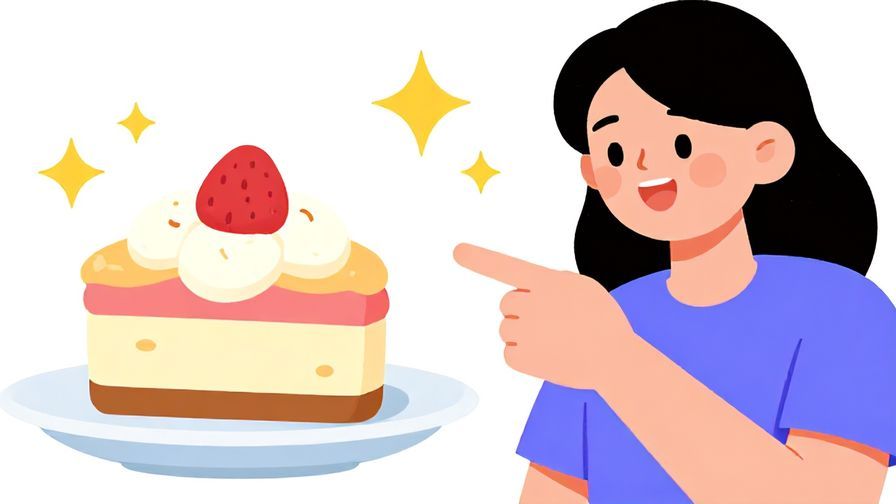
Adding 超 (chou), meaning “super” or “very,” intensifies the cuteness.
This phrase is casual and commonly used among younger people, especially when something is extra adorable.
Try it when you want to show that your kawaii level just went up!
It’s like saying “This is really, really cute!” in English.
Be mindful: it’s informal, so save it for friends or informal settings.
Practice this phrase to express excitement with an extra punch.
3. かわいすぎる! (Kawaisugiru!) – “Too cute!”
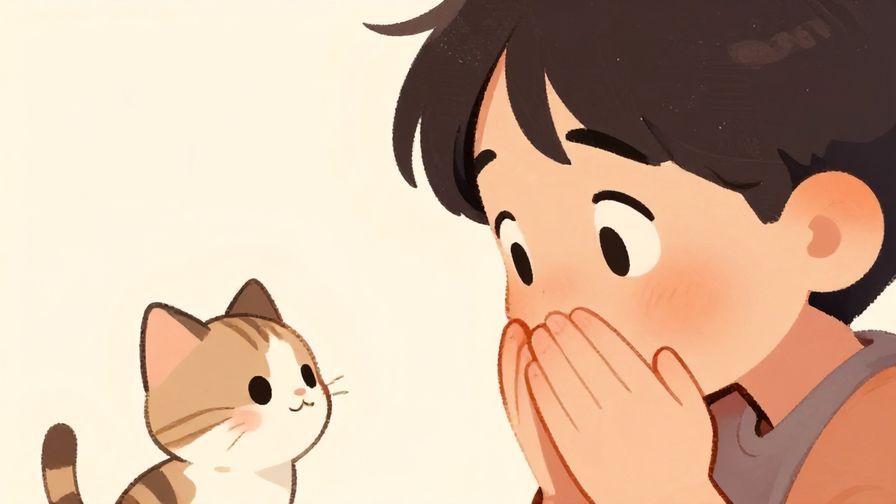
This phrase means something is “too cute to handle.”
すぎる (sugiru) means “too much” or “excessive,” so it’s like saying, “This is overwhelmingly cute!”
It’s great when you want to exaggerate your reaction playfully.
Use it to show a stronger emotional response than just “kawaii.”
For example, when you see a baby animal doing something adorable.
Try it next time your cuteness meter maxes out!
4. ほんとにかわいい! (Honto ni kawaii!) – “Really cute!”

ほんとに (honto ni) means “really” or “truly,” adding sincerity to your compliment.
This phrase is casual but feels a bit more heartfelt than just “kawaii.”
It’s useful when you want to genuinely express admiration.
Use it to uplift someone or something in a sweet, honest way.
It’s a nice step up from the simple “kawaii.”
Practice it to sound warm and sincere when praising.
5. かわいいじゃん! (Kawaii jan!) – “That’s cute, isn’t it!”

じゃん (jan) is a casual sentence ending used to emphasize or seek agreement.
Adding it after “kawaii” makes your phrase friendly and conversational.
It’s like saying “That’s cute, right?” to engage the listener.
Great for chats with friends or social media comments.
Remember to keep it light and informal.
Try this when you want to connect over cuteness with others.
6. すごくかわいい! (Sugoku kawaii!) – “Extremely cute!”

すごく (sugoku) means “very” or “extremely,” another way to intensify “kawaii.”
This phrase is polite enough for everyday use but still casual and enthusiastic.
It’s a safe go-to phrase when you want to express strong admiration.
Works well for people of all ages and situations.
It’s less slangy than “chou kawaii” but just as warm.
Use it to sound enthusiastic without being too informal.
7. かわいすぎ! (Kawaisugi!) – “Too cute!” (shortened)

A shortened, more casual version of かわいすぎる (kawaisugiru).
It’s commonly used in texting or chatting with friends.
Perfect for quick reactions to photos or videos of cute things.
Keep in mind this is very informal and slangy.
Great for digital conversations and social media comments.
Try it out when you want to keep things light and fun!
8. かわいくてたまらない! (Kawaikute tamaranai!) – “So cute I can’t stand it!”

たまらない (tamaranai) expresses an overwhelming feeling.
Combined with かわいくて (kawaikute, “cute and…”), this phrase expresses extreme cuteness.
It’s a bit more expressive and poetic than simple phrases.
Use it when you want to sound dramatic in a fun way.
Great for describing a moment when cuteness is almost unbearable.
Practice it to add flair and emotion to your compliments.
Part 2: Polite & Formal Suggestions
9. とてもかわいいです! (Totemo kawaii desu!) – “Very cute!” (Polite)

This is the polite way to say “very cute” using とても (totemo) and です (desu).
Perfect for formal situations or when speaking with someone you don’t know well.
It sounds respectful and warm without being overly casual.
Use this phrase in stores, at events, or when complimenting a stranger.
It’s an essential phrase for polite conversations.
Practice it to sound courteous and friendly in new environments.
10. かわいらしいですね! (Kawairashii desu ne!) – “That’s charming, isn’t it?”

かわいらしい (kawairashii) means “charming” or “lovely,” a polite version of “cute.”
Adding ですね (desu ne) softens the phrase and invites agreement.
This is a great phrase for formal or semi-formal settings.
Use it to compliment someone’s outfit, behavior, or a gift.
It sounds elegant and sincere.
Try it to make a polished impression with compliments.
11. とってもかわいいです! (Tottemo kawaii desu!) – “Extremely cute!”
Similar to とてもかわいいです but with とっても (tottemo), which is even stronger than とても.
This phrase expresses a high degree of cuteness politely.
It’s great for formal compliments that still feel warm and genuine.
Use it to compliment gifts, decorations, or presentations.
It’s a step up in enthusiasm while staying respectful.
Practice it to sound enthusiastic in polite contexts.
12. 本当にかわいいですね。 (Hontou ni kawaii desu ne.) – “It’s really cute, isn’t it?”

This polite phrase combines 本当に (hontou ni, “really”) with かわいいです and ね for a soft tone.
It’s great for expressing genuine appreciation politely.
Use it in conversations where you want to sound warm yet formal.
It invites the listener to agree with your sentiment.
Perfect for workplace or casual but respectful settings.
Try using it to deepen conversations about cute things.
13. かわいいと言わせてください。 (Kawaii to iwasete kudasai.) – “Please let me say it’s cute.”

This phrase is polite and a bit playful, asking permission to say something is cute.
It’s a charming way to compliment someone respectfully.
Use it when you want to be extra polite and a little humorous.
It’s often used in formal conversations with a lighthearted touch.
Great for building rapport while showing admiration.
Practice it to add a polite yet fun flair to your compliments.
14. かわいいですね、本当に。 (Kawaii desu ne, hontou ni.) – “It’s cute, really.”
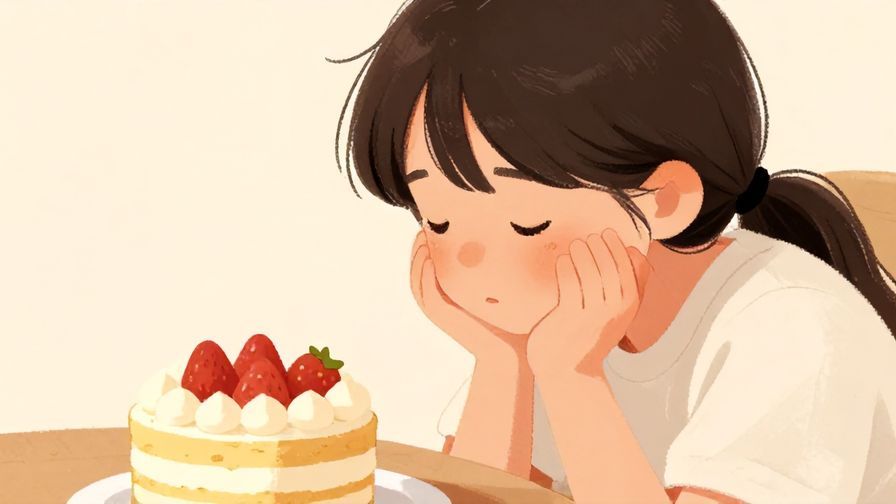
A slightly more formal phrase combining gentle affirmation with sincerity.
The ね (ne) invites agreement, and 本当に (hontou ni) adds genuine emphasis.
Perfect for polite conversations where you want to sound thoughtful.
Use it for complimenting someone’s effort or taste.
It shows kindness and respect.
This phrase is great for polite social situations.
15. かわいいお菓子ですね。 (Kawaii okashi desu ne.) – “That’s a cute sweet, isn’t it?”

This phrase is more specific, complimenting something cute like sweets (お菓子 okashi).
It’s polite and conversational with ですね (desu ne).
Use it to comment on gifts, food, or small objects.
It’s a nice way to be specific and polite at the same time.
Practice with different nouns to expand your cute compliments.
Great for social gatherings or gift exchanges.
16. すてきでかわいいです。 (Suteki de kawaii desu.) – “It’s lovely and cute.”
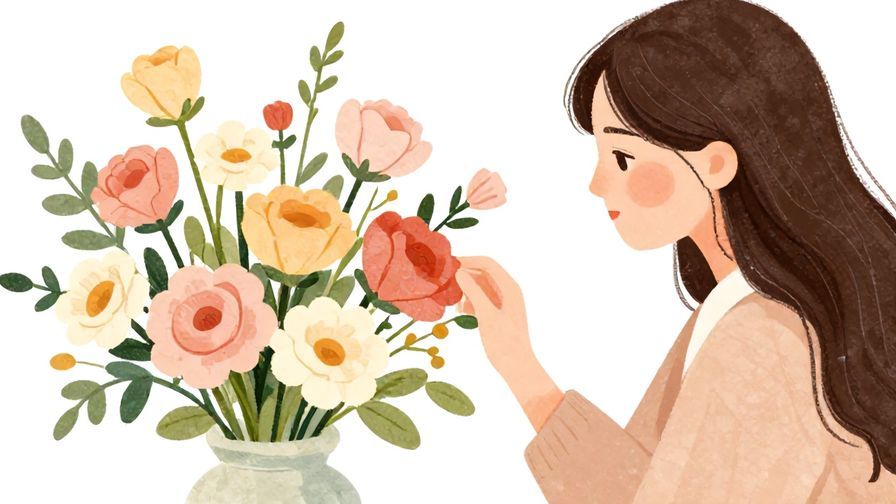
すてき (suteki) means “lovely” or “nice,” which adds elegance to your compliment.
This phrase pairs it with かわいい for a balanced, polite compliment.
It’s perfect for formal or semi-formal occasions.
Use this to compliment decorations, outfits, or presentations.
It sounds refined and genuine.
Practice it to elevate your polite compliments.
Part 3: Very Casual / Native-like Expressions
17. かわいすぎてやばい! (Kawaisugite yabai!) – “Too cute, OMG!”

やばい (yabai) is slang for “terrible” or “amazing,” often used to express strong feelings.
Combined with かわいすぎて (too cute), it’s a super casual way to say “This is insanely cute!”
Very popular among young people on social media.
Use it with close friends or in informal online chats.
It’s energetic and expressive but not polite.
Try this phrase to sound like a native speaker in casual settings.
18. マジでかわいい! (Maji de kawaii!) – “Seriously cute!”
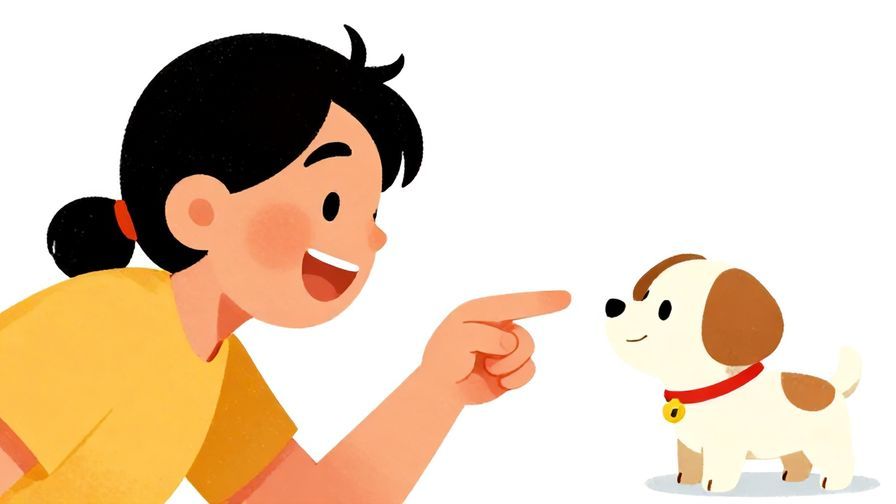
マジで (maji de) means “seriously” or “really,” adding emphasis.
This phrase is casual and very common among young people.
It’s perfect for enthusiastic compliments with friends.
Use it when you want to sound genuine and excited.
It’s informal, so don’t use it in formal situations.
Practice this to add spontaneity to your reactions.
19. めっちゃかわいい! (Meccha kawaii!) – “Super cute!” (Kansai dialect)

めっちゃ (meccha) is Kansai dialect for “very” or “super.”
It’s commonly used in casual speech in western Japan but understood nationwide.
It adds a regional flavor and is very expressive.
Use it to impress native speakers or show local flair.
Great for informal chats and social media.
Try it out to sound like a native from Kansai!
20. かわいすぎて笑っちゃう! (Kawaisugite waracchau!) – “So cute I can’t stop laughing!”
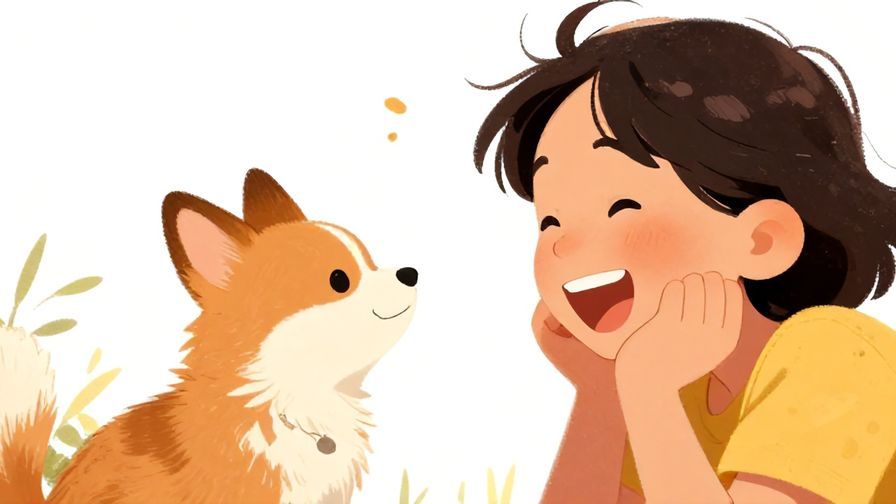
わらっちゃう (waracchau) means “can’t help but laugh.”
This phrase expresses that something is so cute it makes you laugh.
It’s casual and playful, perfect for lighthearted moments.
Use it with friends when reacting to adorable antics.
It adds humor to your compliment.
Practice it to sound lively and natural.
21. かわいくてキュンとする! (Kawaikute kyun to suru!) – “So cute it makes my heart skip!”

キュンとする (kyun to suru) is a cute expression meaning “heart-fluttering.”
Combined with かわいくて, it’s a very native-like way to express emotional cuteness.
It’s casual and often used by young people.
Great for romantic or deeply cute moments.
Use it to express strong affection for something adorable.
Practice this phrase to sound emotionally expressive and natural.
22. かわいいんだけど! (Kawaii n da kedo!) – “I mean, it’s cute!”

This phrase uses んだけど (n da kedo) to add a casual, conversational tone.
It’s like saying “It’s cute, you know?” or “I mean, it’s cute!”
It’s great for informal conversations and teasing compliments.
Use it with friends or in relaxed settings.
It adds personality and nuance to your praise.
Try it to sound more like a native speaker in casual talk.
Concluding Thought
Exploring these 22 ways to say “This is so cute!” in Japanese shows just how rich and expressive the language can be.
Whether you prefer simple, polite, or native-like phrases, there’s something here for every mood and situation.
Keep practicing, and soon you’ll be charming everyone with your kawaii vocabulary!