22 Japanese ways to say “Oh My God!”
Ever found yourself so surprised or shocked that “Oh my God!” just flies out? If you’re learning Japanese or just curious about the language, it’s fun to know how to express that exact feeling in different ways.
Japanese has a rich variety of expressions that capture surprise, disbelief, or amazement. Some are casual, some are polite, and others feel totally native and natural.
Whether you want to react to something unbelievable or just add some flair to your Japanese conversations, this list has you covered.
From the classic “ええっ! (Ee!)” to more colorful phrases, you’ll discover how to express “Oh my God!” in ways that fit any situation.
Knowing these expressions will not only boost your language skills but also make your reactions sound more authentic and fun.
So, let’s dive in and explore 22 Japanese ways to say “Oh my God!” that you can start using right away!
Getting Started: Why So Many Ways?
Japanese is full of nuance, and expressing surprise or shock isn’t an exception.
Depending on who you’re talking to, how formal the setting is, or how strong your reaction is, you’ll want to pick the right phrase.
It’s like having different shades of “Oh my God!” — from mild surprise to total disbelief.

Sometimes, using a great beginner phrasebook can give you a perfect starting point for a cohesive understanding.
By practicing these phrases, you’ll soon be able to pick the perfect expression for any surprising moment.
Ready to add some excitement to your Japanese? Let’s go!
Part 1: Casual Suggestions
1. ええっ! (Ee!) – “What?!”

One of the simplest and most common ways to express surprise is “ええっ!” (Ee!).
It’s a short exclamation that’s like saying “What?!” or “No way!” in English. It works well when you’re genuinely surprised or need to express disbelief.
Great for quick reactions, it’s easy to remember and perfect for casual conversations.
This phrase is often drawn out a bit for emphasis, like “ええーーっ!”
If you want something a bit softer, you can try “え?” (E?) which is like a questioning “Huh?”
Try it out next time you hear something surprising—it’s a natural and widely used reaction!
2. まじで? (Maji de?) – “Seriously?”

“まじで?” (Maji de?) literally means “Really?” or “Seriously?” and is super common in everyday speech.
It’s casual, easy to say, and perfect for showing you’re genuinely shocked or doubtful about what you just heard.
You can use it with friends or peers, but it’s best avoided in formal settings.
Don’t confuse it with “本当に?” (Hontou ni?) which is a bit more polite.
Example: Someone tells you a wild story, and you simply respond, “まじで?”
It’s a quick way to keep the conversation going while showing surprise.
3. うそ! (Uso!) – “No way!”

“うそ!” (Uso!) literally means “Lie!” but is used like “No way!” or “You’re kidding!”
This phrase is perfect when you just can’t believe what you’ve heard or seen.
It’s casual and very popular among young people.
Use it when you want to express disbelief but in a playful way.
It’s also common to say “うそでしょ?” (Uso desho?) for “You’re kidding, right?”
A fun, expressive way to react that’s easy to drop into conversation.
4. びっくりした! (Bikkuri shita!) – “I’m surprised!”

“びっくりした!” (Bikkuri shita!) means “I’m surprised!” and is a straightforward way to express shock.
It’s slightly more descriptive than a quick exclamation and can be used in both casual and slightly more polite settings.
Great for telling someone about a sudden shock or unexpected event.
It literally means “I was surprised,” making it easy to understand.
A related phrase is “びっくりしたよ!” (Bikkuri shita yo!) adding emphasis like “I really was surprised!”
Use it to share your feelings clearly and naturally.
5. なんだって!? (Nandatte!?) – “What did you say?!”

“なんだって!?” (Nandatte!?) literally means “What did you say?!” but is used like “Oh my God!” to show shock.
It’s a bit dramatic and often heard in anime or TV shows, but it’s also used in real life to express strong surprise.
Perfect for moments when you can’t believe what you just heard and want to confirm it.
It’s casual but can sound very emotional and intense.
Try it when you want to sound more lively or theatrical in your reaction.
This phrase captures that sudden “hold on, what?!” vibe perfectly.
6. すごい! (Sugoi!) – “Amazing!” or “Wow!”

“すごい!” (Sugoi!) is a versatile way to express amazement or surprise, similar to “Wow!” or “Oh my God!”
It’s casual, positive, and appropriate in many situations, from seeing something impressive to hearing shocking news.
It literally means “amazing” or “incredible,” so it’s a great all-rounder.
Be careful not to overuse it, as it’s very common in daily speech.
You can add “本当にすごい!” (Hontou ni sugoi!) to say “Really amazing!” for extra emphasis.
Use it to express genuine admiration or shock in a friendly way.
7. やばい! (Yabai!) – “Oh no!” or “Crazy!”

“やばい!” (Yabai!) is a super popular slang word that can mean “Oh no!”, “Crazy!”, or “Oh my God!” depending on context.
It’s casual and often used among friends to express surprise, excitement, or worry.
Because it’s versatile, you’ll hear it a lot in daily conversation and pop culture.
Just be mindful that it’s very informal and not appropriate in formal situations.
“やばい” can also mean “dangerous” or “bad,” so context matters a lot.
It’s a must-know expression if you want to sound like a native speaker in casual settings.
8. まじか! (Maji ka!) – “For real?!”

“まじか!” (Maji ka!) is a shortened form of “まじですか?” and means “For real?!”
It’s casual and expresses disbelief or surprise, similar to “Oh my God!”
It’s a quick way to show you’re processing unexpected info.
It’s often followed by something like “信じられない!” (Shinjirarenai!) meaning “I can’t believe it!”
Good for conversations where you want to sound casual but sincere.
Try it out when you want to react to unbelievable news naturally.
Part 2: Polite & Formal Suggestions
9. なんと! (Nanto!) – “What a surprise!”

“なんと!” (Nanto!) is a polite exclamation meaning “What a surprise!” or “Oh my!”
It’s often used in formal speech, announcements, or written Japanese.
Great for showing surprise politely without sounding too casual.
You might hear it in news reports or formal conversations.
It’s a beautiful way to express surprise in respectful contexts.
Practice using it to sound more refined and appropriate in formal situations.
10. 驚きました! (Odorokimashita!) – “I was surprised!”
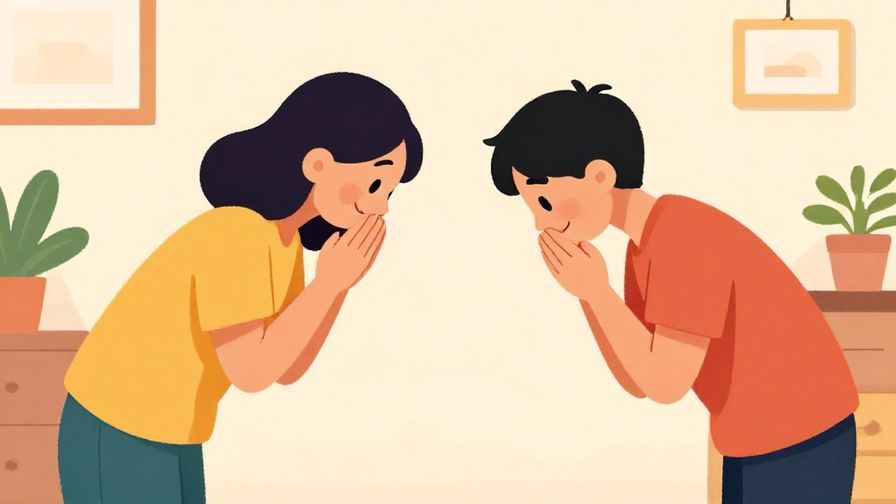
“驚きました!” (Odorokimashita!) means “I was surprised!” in a polite and formal way.
It’s perfect for work, interviews, or polite conversations.
Use it when you want to express genuine surprise respectfully.
It’s a past tense phrase, so it implies the surprise has already happened.
You can say “本当に驚きました” (Hontou ni odorokimashita) for “I was really surprised.”
This phrase makes your reaction sound thoughtful and mature.
11. なんてことだ! (Nante koto da!) – “What on earth!”
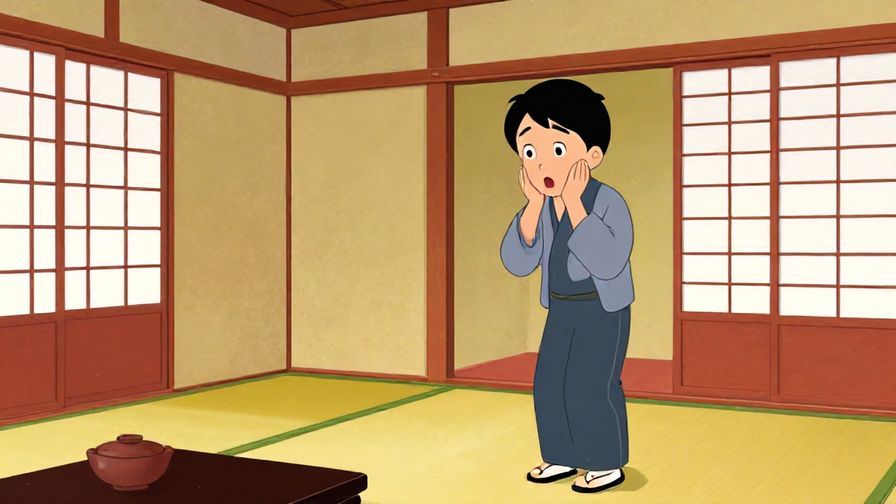
“なんてことだ!” (Nante koto da!) expresses strong surprise or disbelief, like “What on earth!”
It’s formal enough for speeches or dramatic moments but still natural.
It literally means “What kind of thing is this!”
Great for reacting to unexpected or shocking news in a polite way.
It’s often used in literature, news, or formal storytelling.
Use it when you want to sound serious and impactful.
12. まさか! (Masaka!) – “No way!” (polite)

“まさか!” (Masaka!) is a polite expression meaning “No way!” or “Impossible!”
It’s used to express disbelief politely and is common in both spoken and written Japanese.
Perfect for formal or respectful conversations.
It can be followed by a question like “そんなことがあるとは…” (Sonna koto ga aru to wa…) meaning “To think that such a thing could happen…”
Use this to sound polite but expressive.
It adds a dramatic, yet respectful, flair to your surprise.
13. 信じられません! (Shinjiraremasen!) – “I can’t believe it!”

“信じられません!” (Shinjiraremasen!) is a formal way to say “I can’t believe it!”
It’s perfect for polite contexts where you want to express strong surprise or shock.
It’s the negative potential form of “信じる” (to believe), making it a clear statement of disbelief.
You can soften it by adding “本当に” (hontou ni) for “really.”
Use this phrase to sound respectful and sincere.
It’s a great phrase for formal storytelling or reactions.
14. びっくりしました! (Bikkuri shimashita!) – “I was surprised!” (polite)

“びっくりしました!” (Bikkuri shimashita!) is the polite form of “I was surprised.”
It’s suitable for formal or polite conversations.
Use it to express surprise without sounding casual or abrupt.
It’s perfect for work, customer service, or polite chats.
You can add “本当に” (hontou ni) to emphasize “really surprised.”
Great for showing genuine feelings respectfully and clearly.
15. なんて驚きでしょう! (Nante odoroki deshou!) – “What a surprise!”
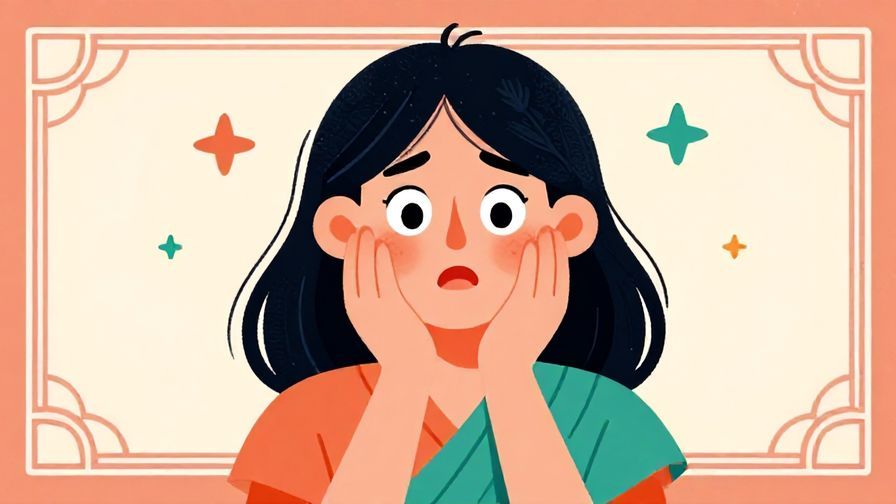
“なんて驚きでしょう!” (Nante odoroki deshou!) is a very polite and slightly dramatic way to say “What a surprise!”
It’s perfect for formal or literary contexts.
“なんて” adds an emphasis of “what a…” and “でしょう” softens it politely.
Use it in speeches, presentations, or polite storytelling.
This phrase sounds sophisticated and expressive.
It’s a great addition to your formal Japanese toolkit.
16. おどろきました! (Odorokimashita!) – “I was amazed!”
“おどろきました!” (Odorokimashita!) is the polite past tense of “to be amazed.”
It’s similar to “びっくりしました” but sounds a bit more formal and respectful.
Use it in polite conversations to express genuine amazement.
It’s perfect for formal emails, reports, or meetings.
Adding “本当に” (hontou ni) makes it more emphatic.
It’s a solid phrase for polite but heartfelt reactions.
Part 3: Very Casual / Native-like Expressions
17. うわっ! (Uwa!) – “Whoa!”

“うわっ!” (Uwa!) is a quick, casual exclamation similar to “Whoa!” or “Oh my God!”
It’s often used when something suddenly shocks or surprises you.
Very common in casual speech and among friends.
Sounds natural and spontaneous, like a reflex.
Sometimes extended as “うわあ!” (Uwaa!) for more emphasis.
Perfect for reacting to unexpected sights or events in daily life.
18. ひえー! (Hiee!) – “Eek!”

“ひえー!” (Hiee!) sounds like “Eek!” or “Yikes!” and expresses shock or fear.
It’s very casual and often used in playful or exaggerated reactions.
Great for showing surprise mixed with a bit of worry or fear.
It’s a fun phrase that adds personality to your speech.
Use it with friends or in informal settings.
Try it when something really catches you off guard.
19. わあ! (Waa!) – “Wow!”

“わあ!” (Waa!) is a cheerful and casual “Wow!”
Perfect for positive surprise or amazement.
It’s simple and widely used in daily conversation.
It can be combined with “すごい!” for extra effect.
Use it to sound natural and enthusiastic.
Great for reacting to good news or impressive things.
20. ちょっと! (Chotto!) – “Wait a minute!”

“ちょっと!” (Chotto!) literally means “a little,” but is often used to say “Wait a minute!” in surprise.
It’s a casual way to express shock or protest.
Very common in conversation when something unexpected happens.
It can be friendly or slightly scolding, so tone matters.
Use it to grab attention when surprised or shocked.
It’s a native-like way to react naturally in casual talk.
21. まじヤバい! (Maji yabai!) – “Seriously crazy!”

“まじヤバい!” (Maji yabai!) combines “seriously” and “crazy” for an emphatic “Oh my God!”
It’s very casual and slangy, popular with young people.
Use it when you want to express extreme surprise or excitement.
Perfect for informal chats or social media.
It’s a colorful phrase that captures strong emotions.
Try it to sound super natural and current in casual Japanese.
22. うっそー! (Usso!) – “No way!” (playful)

“うっそー!” (Usso!) is a playful, drawn-out version of “うそ” meaning “No way!”
It adds a lighthearted, teasing tone to your surprise.
Great for joking around with friends.
Use it for fun, casual disbelief or shock.
It’s a must-know for sounding friendly and approachable.
Perfect for reactions that are surprised but playful at the same time.
Concluding Thought
Exploring these 22 ways to say “Oh My God!” in Japanese shows just how rich and expressive the language can be.
From casual slang to polite expressions, you’ve got plenty of options to fit any situation or mood.
So next time something surprising happens, you’ll know exactly what to say to sound natural, fun, or respectful—whatever fits the moment best!