22 Japanese ways to say “I’m Home
Coming home is one of the most comforting moments of the day. In Japanese, there are many ways to express that warm feeling.
Whether you’re greeting family, roommates, or just yourself, saying “I’m home” can be done in different tones and styles.
From casual to polite, and even fun slang, these phrases capture the emotion perfectly.
Learning these variations not only improves your Japanese but also helps you connect more deeply with the culture.
Each phrase comes with pronunciation tips to make sure you sound natural and confident.
Let’s explore 22 heartwarming ways to say “I’m home” in Japanese!
Common Greetings When Arriving Home
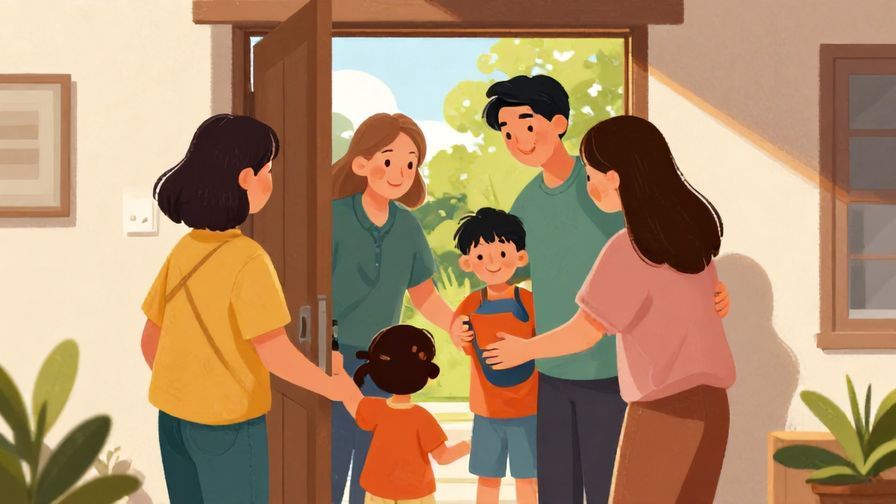
In Japan, the phrase you use when you come home often reflects your relationship with the people inside.
There are standard expressions, but also playful or humble ways to announce your arrival.
Understanding these will help you feel more comfortable and express yourself authentically.
Sometimes, having a handy phrasebook for beginners is a great way to get started with these expressions.
From the simplest to the most nuanced, these phrases fit everyday life situations.
Try practicing them at home to get the feeling of saying “I’m home” just right.
Part 1: Casual Suggestions
1. ただいま (Tadaima) – “I’m home.”

This is the classic and most common way to say “I’m home” in Japanese.
“ただいま” (Tadaima) literally means “just now,” implying you have just returned.
It’s easy to remember because you say it right when you walk in the door.
It’s polite but casual enough for family and close friends.
Often, people reply with “おかえり” (Okaeri), meaning “Welcome back.”
Using “ただいま” regularly will help you sound natural in any Japanese home setting.
2. ただいま戻りました (Tadaima modorimashita) – “I’ve just come back.”
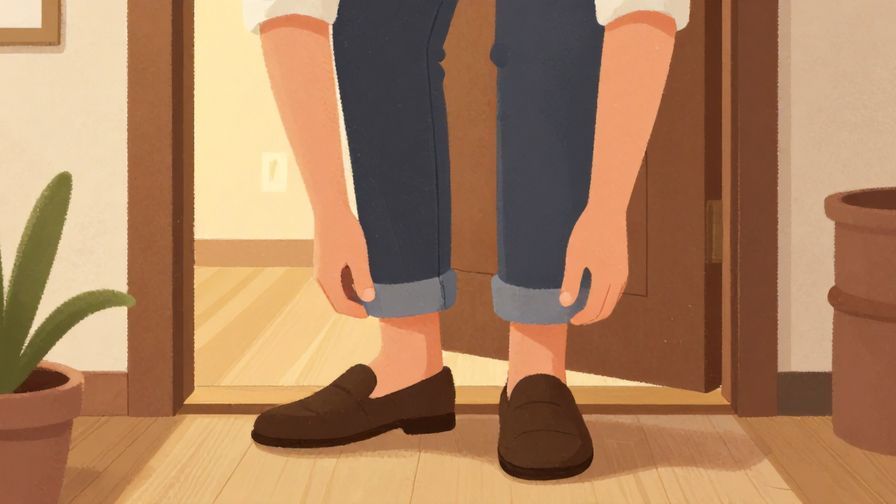
This is a slightly more formal and complete version of “ただいま.”
“戻りました” (modorimashita) means “have returned,” making it polite and respectful.
Use this with elders or in formal family situations.
It’s a great step up from casual to polite without being stiff.
Common in households where respect toward elders is emphasized.
It’s a nice way to show you’re mindful when coming home.
3. 帰ったよ (Kaetta yo) – “I’m back!”

This phrase is casual and upbeat, used among close friends or family.
“帰った” (kaetta) means “returned,” and “よ” (yo) adds a friendly emphasis.
It’s a fun way to announce your arrival informally.
Use it when you want to sound lively and casual.
Perfect for younger people or roommates.
It’s easy to practice with friends or in informal settings.
4. ただいま帰りました (Tadaima kaerimashita) – “I have just come back.”
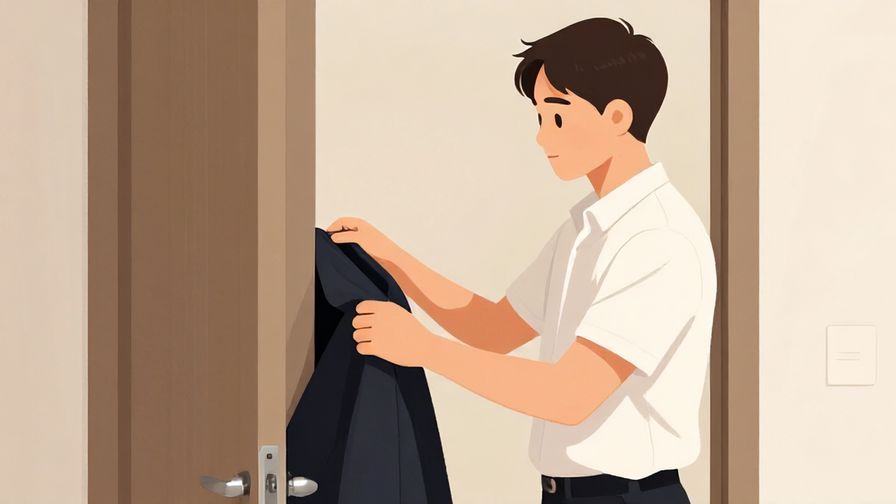
This is another polite version combining “ただいま” and “帰りました” (kaerimashita).
It’s formal and appropriate for use with family members you respect or at work.
It sounds humble and considerate.
A good phrase to use when you want to be extra polite.
It’s slightly longer but still straightforward.
Practice it aloud to get the rhythm smooth and natural.
5. 家に着いたよ (Ie ni tsuita yo) – “I’ve arrived home.”

This phrase describes the action of arriving rather than announcing presence.
“家に” (ie ni) means “to home,” “着いた” (tsuita) means “arrived.”
It’s a casual but clear way to say you’ve made it home.
Useful for texting or telling someone you’re back.
You can use it with friends or family.
It’s a practical phrase to practice for everyday conversation.
6. ただいま帰宅 (Tadaima kitaku) – “I’m home.”

“帰宅” (kitaku) is a formal word meaning “returning home.”
Combined with “ただいま,” it makes a polite announcement.
It’s often used in business or formal contexts.
Less common in casual speech but useful to know.
It shows respect and awareness of formality.
Great to practice for professional or family settings.
7. おかえりなさい (Okaeri nasai) – “Welcome home.”

While not “I’m home,” this phrase is what you say to someone who just arrived.
It’s polite and warm, often used by family members.
“おかえりなさい” (okaeri nasai) literally means “please welcome back.”
It’s important to learn both sides of this greeting.
Use it to return the warm feeling when greeting others.
Practicing this phrase helps with understanding Japanese home culture.
8. ただいま戻ったよ (Tadaima modotta yo) – “I’m back now.”
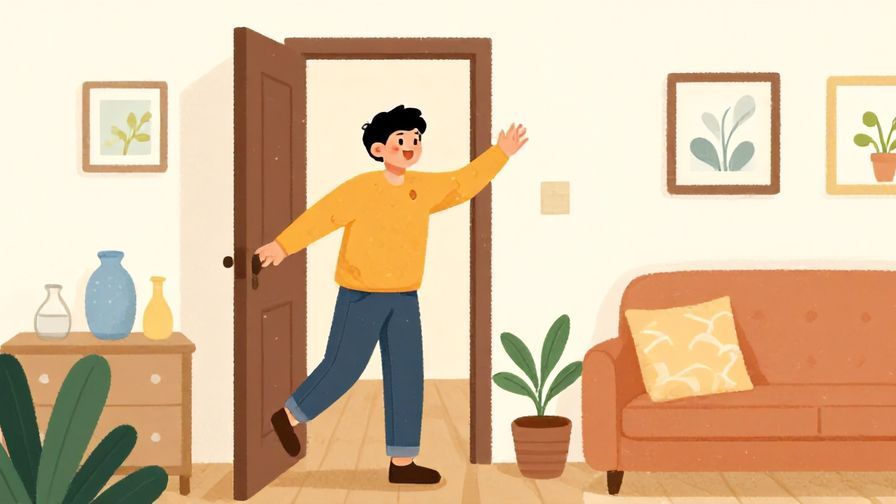
This is a casual and friendly version of “I’m home.”
“戻った” (modotta) means “came back,” and “よ” adds warmth.
Great for informal contexts with friends or family.
It feels welcoming and easygoing.
Use it when you want to sound natural and relaxed.
Try using it in conversations with close people.
Part 2: Polite & Formal Suggestions
9. 只今帰りました (Tadaima kaerimashita) – “I have just returned.”
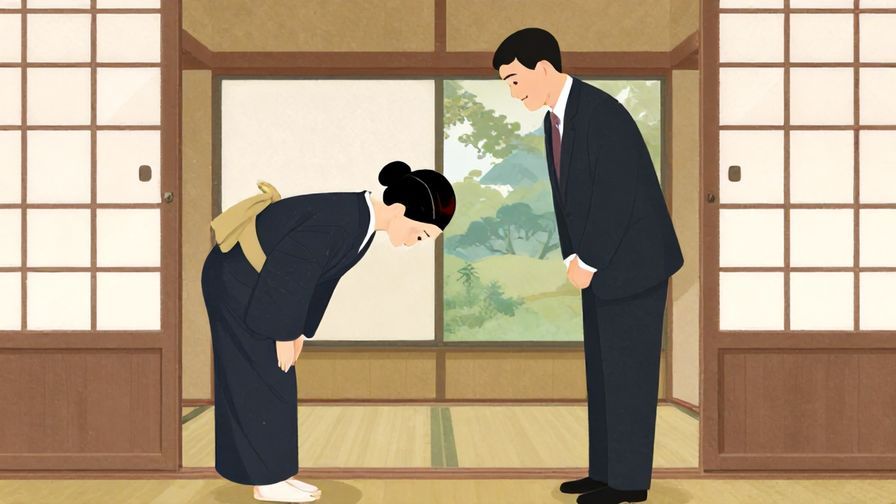
This phrase is very formal and respectful.
It uses polite past tense “帰りました” (kaerimashita) with “只今” (tadaima).
Perfect for formal family situations or workplace homes.
It shows humility and respect.
Not used casually or with close friends.
Practice this when speaking with elders or in formal settings.
10. お疲れ様でした、ただいま戻りました (Otsukaresama deshita, tadaima modorimashita) – “Thank you for your hard work, I’m back now.”

This phrase combines a polite greeting with “I’m home.”
“お疲れ様でした” (otsukaresama deshita) expresses thanks for hard work.
It’s perfect for formal or respectful homecomings.
Used especially when returning from work or outings.
It adds gratitude to your arrival announcement.
Try it to sound very thoughtful and polite.
11. 失礼します、ただいま帰宅しました (Shitsurei shimasu, tadaima kitaku shimashita) – “Excuse me, I have just returned home.”
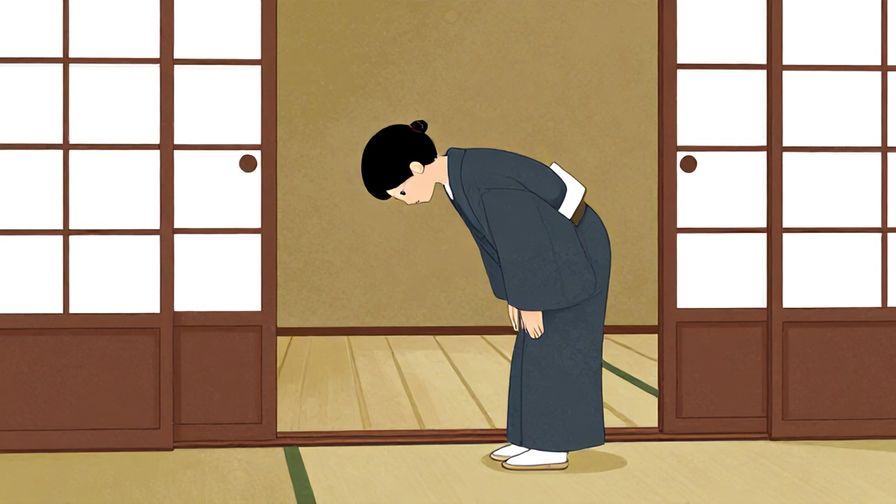
This phrase is very polite and humble.
“失礼します” (shitsurei shimasu) means “excuse me,” used to show respect.
Good for formal family or shared living spaces.
It’s a respectful way to announce your return.
A little long but perfect for formal contexts.
Practice it to master respectful home greetings.
12. ただ今帰宅いたしました (Tadaima kitaku itashimashita) – “I have just come home.”
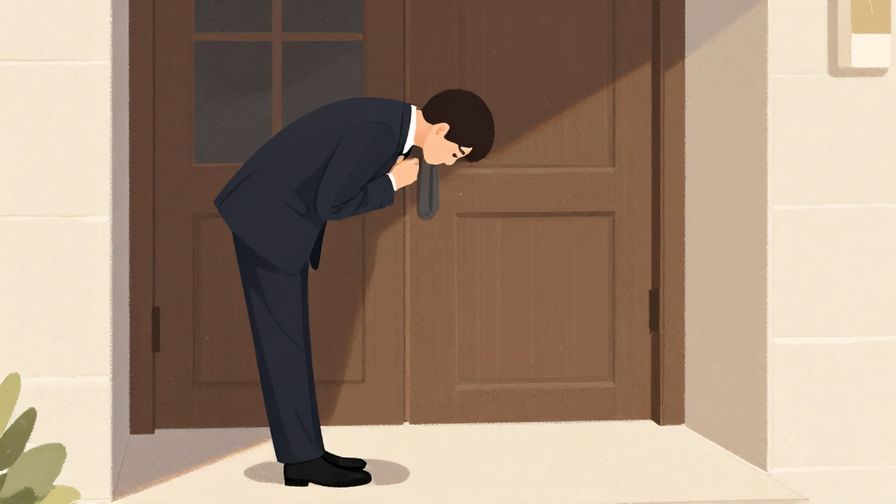
Using “いたしました” (itashimashita) makes the phrase extra humble.
This is formal and respectful speech used in polite environments.
Ideal for use with elders or formal family gatherings.
Shows deep respect when coming home.
Not common in casual conversation.
Practice to improve your keigo (honorifics) skills.
13. 只今戻りました (Tadaima modorimashita) – “I have just returned.”

This phrase is polite and formal, with “戻りました” (modorimashita) meaning “returned.”
It’s a good alternative to “帰りました” (kaerimashita) in formal speech.
Use it in professional or family settings requiring politeness.
It sounds thoughtful and respectful.
Great for practicing formal Japanese.
Use it to show refined manners when arriving home.
14. ただいま帰宅いたしました (Tadaima kitaku itashimashita) – “I have just returned home.”
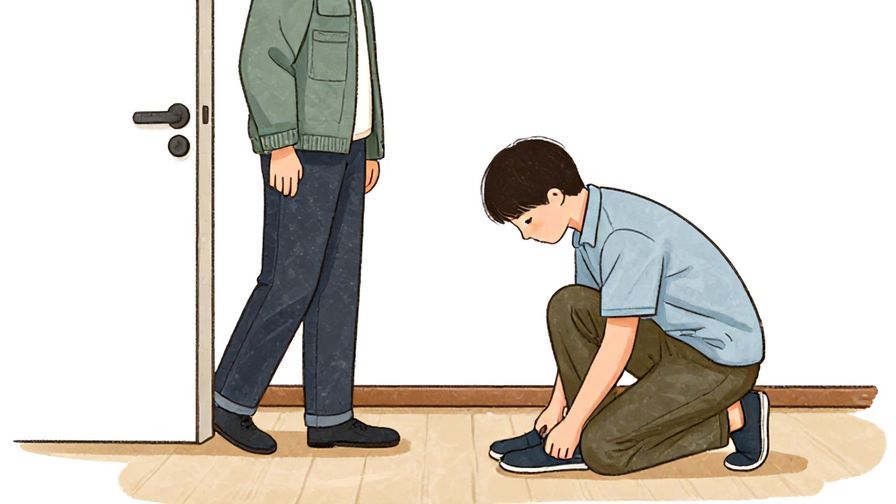
Another humble, formal phrase using “いたしました” (itashimashita).
It combines “帰宅” (kitaku) with a polite verb form.
Ideal for very formal family or work-related homecomings.
Shows deep humility and respect.
Practice helps polish your formal Japanese skills.
Use it when you want to sound very polite and considerate.
15. ご無沙汰しております、ただいま戻りました (Gobusatashite orimasu, tadaima modorimashita) – “It’s been a while, I’m back.”
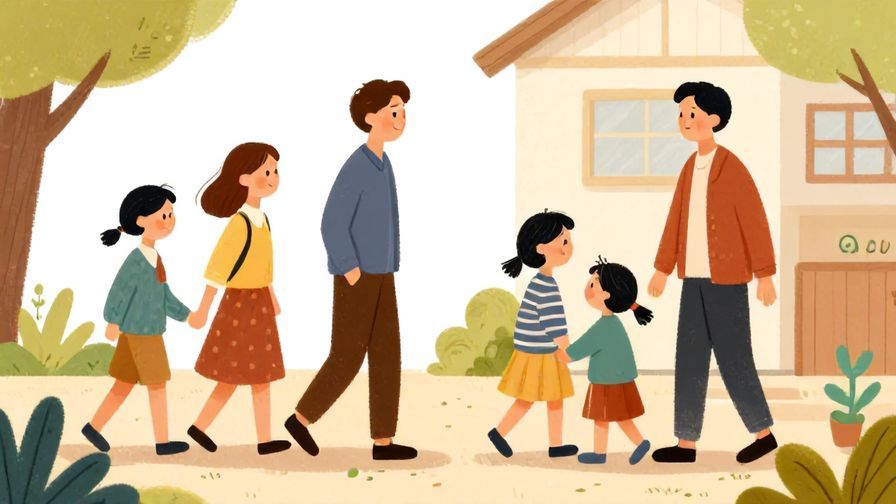
This phrase is polite and acknowledges a long absence.
“ご無沙汰しております” (gobusatashite orimasu) means “long time no see.”
Used when returning home after being away for some time.
It combines respect and warmth in one phrase.
Good for formal family or social reunions at home.
Try using it to show thoughtfulness when you return after a while.
16. ただいま参りました (Tadaima mairimashita) – “I have just arrived.”
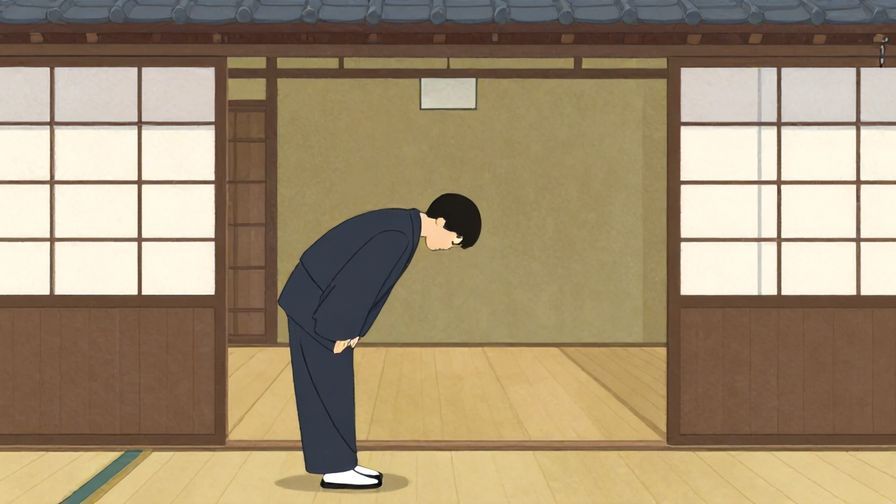
“参りました” (mairimashita) is a humble verb for “arrived.”
This phrase is formal and respectful.
Good for use in traditional or formal family homes.
It shows politeness and humility.
Not typically used casually.
Practice it to deepen your understanding of humble expressions.
Part 3: Very Casual / Native-like Expressions
17. ただい (Tadai) – “I’m home.” (shortened)

This is a shortened, very casual form of “ただいま.”
Used mostly by kids or close friends and family.
It sounds super relaxed and natural.
Not suitable for formal or polite situations.
Great for practicing native-like casual speech.
Use it to sound easygoing and friendly at home.
18. おかえりー (Okaeri—) – “Welcome back” (casual)

This is a casual, drawn-out version of “おかえりなさい.”
It’s common among friends or family who are close.
It sounds warm but informal.
Used mostly in relaxed home settings.
Perfect for sounding like a native speaker.
Practice it to add variety to your greetings.
19. ただいまっす (Tadaimasu) – “I’m home” (slangy)

This is a slangy, playful variation combining “ただいま” and casual endings.
Often used by younger people or close friends.
It adds a fun twist to the standard greeting.
Not suitable for formal or respectful situations.
Great for sounding lively and youthful.
Try it to practice informal expressions.
20. おかえりん (Okaerin) – “Welcome home” (cute/slang)

This is a cute, slangy version of “おかえり.”
Used between close friends or couples.
It adds affection and casualness.
Not for formal use.
Good for practicing native casual speech.
Use it to sound sweet and friendly at home.
21. ただいまー! (Tadaima—!) – “I’m home!” (with cheerful emphasis)
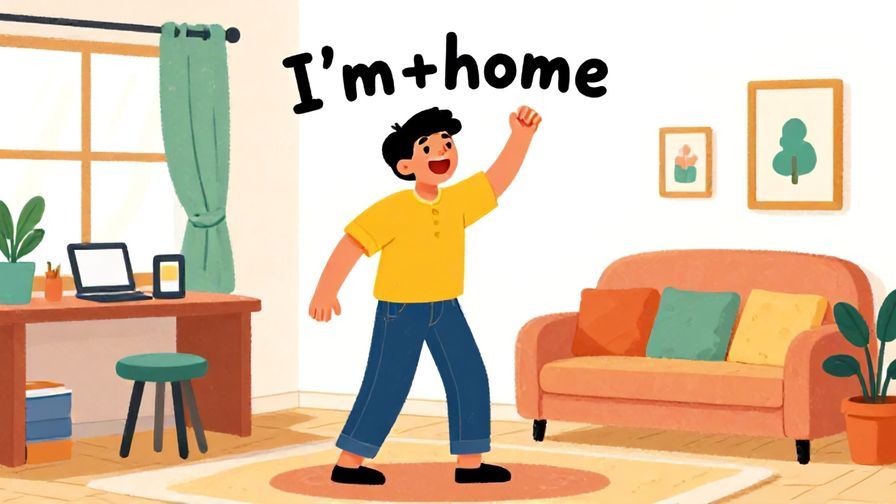
This expression adds enthusiasm and energy.
Great for expressing joy at being home.
Common among family or roommates.
Helps convey warmth and happiness.
Perfect for informal daily use.
Practice it to add life to your greetings.
22. ただいまっすよ (Tadaimasu yo) – “I’m home, you know.”

This phrase is a playful, casual variant with “よ” for emphasis.
It sounds friendly and a little cheeky.
Used among close friends or family.
Not appropriate for formal settings.
Great for sounding natural and relaxed.
Try it to practice fun, casual Japanese.
Concluding Thought
Exploring these different ways to say “I’m home” reveals the warmth and variety in Japanese daily life.
Each phrase carries a unique tone, from polite respect to casual friendliness, enriching your language skills.
Use this list as your guide to make every homecoming greeting meaningful and authentic!