22 Japanese ways to say “Just a Second”
Sometimes, we just need a moment—a tiny pause in conversation or action. In Japanese, there are so many warm and casual ways to say “Just a second” that fit every mood and occasion.
Whether you’re chatting with friends or politely asking for a brief pause, mastering these phrases can make your Japanese feel more natural and relatable.
Each expression carries a unique nuance, so you can pick the perfect one depending on the situation.
Learning these variations not only broadens your vocabulary but also helps you connect more deeply with native speakers and culture.
Plus, it’s fun to explore how subtle language shifts can express personality and politeness.
Ready to discover 22 Japanese ways to say “Just a second”? Let’s dive in!
Common Casual Ways to Say “Just a Second” in Japanese
When you’re with close friends or in relaxed settings, casual phrases work best. They keep the mood light and friendly.
These expressions are often short and easy to remember, perfect for quick replies or informal chats.
Give yourself permission to try different phrases and find what feels natural for you.

Sometimes, using a great beginner phrasebook can give you a perfect starting point for a cohesive understanding.
These casual phrases can often be combined with gestures to add warmth and clarity.
Don’t hesitate to practice them in everyday conversation—it’s an easy trick that improves fluency fast.
Part 1: Casual Suggestions
1. ちょっと待って (Chotto matte) – “Wait a moment.”

This is the most common way to say “just a second” in casual Japanese.
“ちょっと” (Chotto) means “a little” or “a bit,” and “待って” (matte) means “wait.” Put together, it’s like saying “Wait just a little.”
It’s polite enough for everyday use but still friendly and informal.
Use it when you want someone to pause briefly without sounding too stiff.
It’s related to “ちょっと待ってて” (chotto mattete), which is a slightly softer way to ask someone to wait.
Simple, effective, and your go-to phrase for casual moments.
2. すぐ戻るね (Sugu modoru ne) – “I’ll be right back.”

This phrase literally means “I’ll return immediately.”
“すぐ” (sugu) means “immediately,” and “戻る” (modoru) means “to return,” with “ね” (ne) adding a friendly tone.
Great for telling friends or family you’ll be back in a moment.
It’s casual but shows you care about keeping them informed.
A common mistake is overusing it for longer absences—reserve it for short breaks.
For example, stepping out to grab something quickly? “すぐ戻るね” fits perfectly.
3. 今行くね (Ima iku ne) – “I’m coming now.”
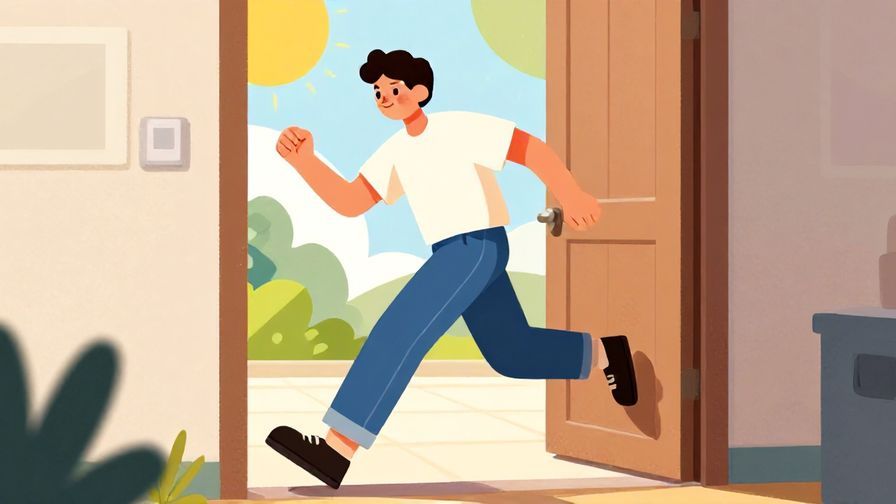
This is a friendly way to say you’ll be there in just a moment.
“今” (ima) means “now,” “行く” (iku) means “go,” and “ね” (ne) adds warmth.
Perfect if someone is waiting and you want to reassure them you’re on your way immediately.
It’s casual, often used among friends or family.
Don’t confuse it with “行くよ” (iku yo), which is more assertive.
Use “今行くね” to sound approachable and quick.
4. ちょっといい? (Chotto ii?) – “Just a sec? / Can I have a moment?”

This phrase literally means “Is a little time okay?”
It’s a polite yet casual way to ask for a moment of someone’s attention.
“ちょっと” means “a little,” and “いい?” means “okay?”
Use it when you want to gently interrupt or ask for a brief pause.
A common mistake is using it in too formal situations—save it for friends or casual colleagues.
It’s great for quick requests without sounding demanding.
5. すぐにね (Sugu ni ne) – “In just a second.”

This is a simple, friendly phrase that literally means “immediately” or “right away.”
“すぐに” (sugu ni) means “immediately,” and “ね” (ne) softens it.
Use it to assure someone you won’t take long.
It’s casual and versatile, good in many contexts.
Be careful not to overpromise timing, as “すぐに” implies very quick action.
Perfect when you want to be polite but informal.
6. ちょっと待っててね (Chotto mattete ne) – “Please wait a moment.”

This phrase is a softer, more caring way to ask someone to wait.
“待ってて” is the te-form plus “て,” making it a request to keep waiting.
“ね” adds friendliness.
It’s casual but shows consideration and warmth.
Use it with close friends or family to sound gentle and polite.
It’s a step up in politeness from just “ちょっと待って.”
7. すぐ戻るから (Sugu modoru kara) – “I’ll be right back, so…”

This phrase adds “から” (kara), meaning “because,” to explain you’ll be right back.
It’s a casual but polite way to soften your departure.
Good for when you want to reassure someone quickly.
It can help avoid sounding abrupt or rude.
Don’t overuse “から” if you’re not actually explaining something.
It’s a neat way to sound thoughtful and natural.
8. ちょっとだけね (Chotto dake ne) – “Just a little bit.”

This phrase emphasizes the shortness of the wait.
“だけ” (dake) means “only” or “just,” combined with “ちょっと” (a little).
It’s a cute and casual way to assure someone it’s a very brief pause.
Perfect for lighthearted conversations or playful moments.
Be mindful not to say it too seriously; it’s meant to be gentle and informal.
Try pairing it with a smile to make it feel warm.
Part 2: Polite & Formal Suggestions
9. 少々お待ちください (Shōshō omachi kudasai) – “Please wait a moment.”

This phrase is used in formal situations like customer service.
“少々” (shōshō) means “a little,” “お待ちください” (omachikudasai) is a very polite “please wait.”
It’s perfect for business or professional contexts.
It’s respectful and clear, making it ideal for strangers or clients.
A common mistake is using this with friends—it sounds too stiff.
Use it when you want to be courteous and professional.
10. ただいまお待ちください (Tadaima omachi kudasai) – “Please wait for a moment now.”

This phrase adds “ただいま” (tadaima), meaning “right now,” for immediate requests.
Very polite and often heard in shops or offices.
It’s a little more urgent than “少々お待ちください.”
Great for situations where quick attention is needed.
Don’t use it casually; it’s reserved for formal settings.
It’s a dependable phrase for professional encounters.
11. ちょっと失礼します (Chotto shitsurei shimasu) – “Excuse me for a moment.”

This phrase politely asks to take a brief pause or leave temporarily.
“失礼します” (shitsurei shimasu) is a respectful “excuse me” or “pardon me.”
“ちょっと” adds a soft “just a little.”
Perfect for polite interruptions or quick breaks.
Avoid using it casually with close friends—it’s more formal.
It shows good manners and awareness of social context.
12. 少しお待ちいただけますか (Sukoshi omachi itadakemasu ka) – “Could you wait a moment, please?”

This is a very polite request form, commonly used in service or business.
“少し” (sukoshi) means “a little,” and “いただけますか” (itadakemasu ka) is a humble way to ask for permission.
It’s great when you want to sound very respectful.
Make sure your tone matches the formality.
This phrase is less common in casual conversation but excellent professionally.
It helps build good relationships through politeness.
13. 少々お時間をいただけますか (Shōshō ojikan o itadakemasu ka) – “May I have a moment of your time?”

This phrase is a polite way to ask for a small amount of time.
“お時間をいただけますか” (ojikan o itadakemasu ka) literally means “May I receive your time?”
Use it in meetings or formal requests.
It’s respectful and thoughtful, showing you value the person’s time.
Avoid using it in casual settings, as it may sound too formal.
It’s a nice phrase to have for professional Japanese.
14. 少々お待ち願えますか (Shōshō omachi negaemasu ka) – “Could you please wait a moment?”

This phrase is another very polite way to request waiting.
“願えますか” (negaemasu ka) means “Could you please…”
It’s formal and respectful, suitable for customer interactions.
Use it when you want to show utmost politeness.
It’s not used in casual speech.
Perfect for service roles or formal letters.
15. ただいま準備していますので、少々お待ちください (Tadaima junbi shiteimasu node, shōshō omachi kudasai) – “We are preparing now, so please wait a moment.”

This full phrase is useful in customer service to politely explain a short wait.
“ただいま準備していますので” means “We are preparing now,” followed by the polite wait request.
It’s formal and helpful for clear communication.
Using this phrase shows professionalism and care.
Not for casual conversation, but excellent for work environments.
It reassures the listener nicely.
16. 少々お時間を頂戴できますでしょうか (Shōshō ojikan o chōdai dekimasu deshō ka) – “May I humbly receive a moment of your time?”

This is a very humble and formal way to request time.
“頂戴できますでしょうか” (chōdai dekimasu deshō ka) is a humble and polite request form.
Use it when speaking to superiors or clients.
It’s very respectful and careful.
Not suitable for casual or informal talks.
Great phrase to show your etiquette in professional Japanese.
Part 3: Very Casual / Native-like Expressions
17. ちょっと待っててー (Chotto mattete~) – “Wait just a sec~”

This is a very casual, friendly way to ask for a moment.
The prolonged “てー” sound adds a playful, relaxed tone.
It’s perfect among close friends or younger people.
Use it to sound native-like and informal.
Don’t use it in serious or formal situations.
It’s a fun way to lighten the mood while asking for a pause.
18. 今すぐね (Ima sugu ne) – “Right now, okay?”

This phrase emphasizes immediacy with a casual flair.
“今すぐ” (ima sugu) means “right now,” and “ね” softens it.
Use it to confirm you’re acting instantly.
It’s informal and energetic.
Avoid in formal or slow-paced contexts.
Good for casual chats when you want to assure quick action.
19. ちょっとだけ待って (Chotto dake matte) – “Wait just a little.”

This phrase combines “ちょっとだけ” (just a little) with “待って” (wait).
It’s a gentle, casual way to ask for a very short pause.
Great for friends or family.
It sounds tender and caring.
Don’t use it in very formal situations.
It’s a nice phrase to sound relaxed and kind.
20. すぐ行くから待ってて (Sugu iku kara mattete) – “I’m coming right away, so wait.”
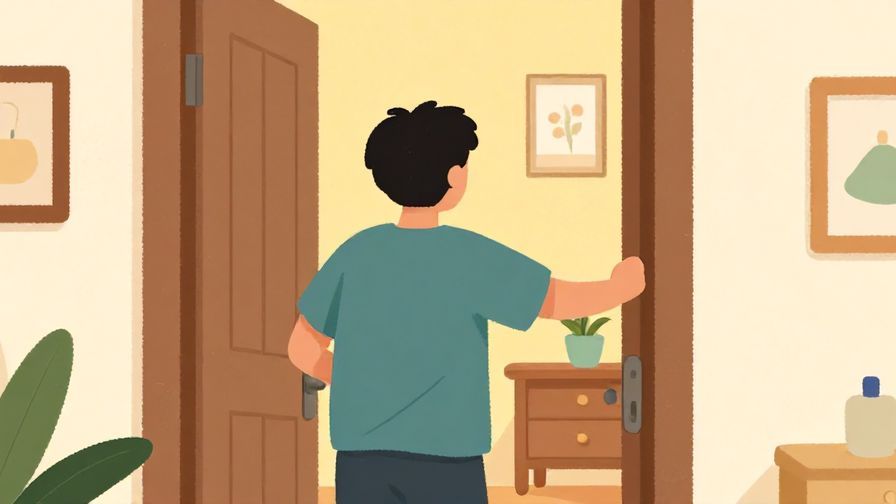
This phrase combines urgency and a request to wait.
“すぐ行く” means “I’m coming right away,” and “待ってて” is a casual request to wait.
It’s natural among friends or family.
It sounds eager and genuine.
Avoid using with strangers or in formal contexts.
Great for quick check-ins or casual plans.
21. ちょっとだけ待っててね (Chotto dake mattete ne) – “Please wait just a little.”

This phrase is a gentle, casual request with a soft tone.
“ちょっとだけ” means “just a little,” and “待っててね” is a warm “please wait.”
It’s friendly and affectionate.
Perfect for close relationships.
Not suitable for formal or professional use.
It’s a lovely way to show care while asking for patience.
22. ちょい待ち (Choi machi) – “Just a quick wait.”

This is a very casual, slangy way to say “wait a sec.”
“ちょい” (choi) is slang for “a little,” and “待ち” (machi) means “wait.”
Used mostly by young people or in informal speech.
It’s quick and punchy.
Not appropriate in formal or polite situations.
It’s a fun phrase to sound like a native casual speaker.
Concluding Thought
Exploring these 22 ways to say “Just a second” in Japanese shows how rich and varied casual and polite expressions can be.
Choosing the right phrase helps you sound more natural and connect better with different social groups.
Keep practicing these, and soon you’ll pause with confidence in any situation—just a second at a time!