22 Japanese ways to say “Please Wait a Moment”
When you’re learning a new language, sometimes the little phrases make all the difference. “Please wait a moment” is one of those handy expressions that can pop up in everyday conversations, so it’s great to have a bunch of ways to say it.
In Japanese, there are many ways to express this simple request, each carrying its own nuance, politeness level, or casual tone. Whether you’re chatting with friends, at work, or navigating a formal setting, you’ll find a phrase that fits perfectly.
We’ve gathered 22 warm and informal ways to say “Please wait a moment” in Japanese, complete with pronunciation guides and quick tips to help you remember and use them naturally.
Getting comfortable with these phrases will not only boost your confidence but also make your conversations feel more authentic and friendly. Plus, it’s fun to explore the subtle differences!
So, whether you’re a beginner or brushing up your skills, this list is a handy companion on your language-learning journey.
Ready to pause gracefully and ask for just a moment of patience? Let’s dive in!
Getting Ready to Pause: Essential Tips
Before we jump into the phrases, it’s good to know that Japanese has different levels of politeness. This means you can choose expressions that suit casual chats or formal situations.
Also, many phrases use simple verbs like 待つ (matsu) meaning “to wait,” but some include more casual or regional expressions. Knowing when and how to use each will make your Japanese sound natural.
Keep in mind, tone and body language also play a big role in communication, so pair your words with a friendly smile or polite bow depending on the setting.
Sometimes, using a great beginner phrasebook can give you a perfect starting point for a cohesive understanding.
Practice with friends or language partners helps solidify these phrases.
And remember, the best way to learn is to use these expressions in real situations, even if just for a moment.
Part 1: Casual Suggestions
1. ちょっと待って (Chotto matte) – “Wait a moment.”

This is the most common and casual way to say “Please wait a moment.”
ちょっと (chotto) means “a little” or “just a bit,” and 待って (matte) is the imperative form of 待つ (matsu), “to wait.” Together, it’s a friendly way to ask someone to hold on.
It’s perfect for conversations with friends or family when you need a quick pause.
Keep it short and sweet to sound natural.
You might hear this often in daily life since it’s very versatile.
Try it next time you want someone to give you a moment without sounding too formal!
2. 少し待って (Sukoshi matte) – “Wait a little.”

This phrase is slightly more polite than ちょっと待って but still casual enough for friends and coworkers.
少し (sukoshi) means “a little,” and 待って (matte) again is “wait.” It’s a gentle request for patience.
Using 少し adds a bit more softness compared to ちょっと.
It’s good when you want to sound considerate but not too formal.
In conversations, it fits when you want to emphasize a brief wait.
Practice this to add variety to your casual requests!
3. ちょっと待ってて (Chotto mattete) – “Please wait a moment (stay waiting).”

This is a casual and slightly more continuous form of ちょっと待って.
The て (te) form in 待ってて adds the nuance of “stay waiting” or “keep waiting.”
It’s friendly and informal, great for friends or close colleagues.
It shows you expect the other person to wait a moment longer.
You can use this when you’re about to do something but need a bit of time.
It’s a nice phrase to sound relaxed and approachable.
4. ちょっと待ってくれる? (Chotto matte kureru?) – “Could you please wait a moment?”

This phrase is casual but polite, using くれる (kureru), which implies doing something for the speaker.
It’s like saying, “Would you mind waiting for me?”
This makes your request softer and more considerate.
It’s commonly used among friends or coworkers who want to be polite without formality.
Try to keep your tone gentle to match the polite nuance.
This phrase is great when you want to keep it friendly but respectful.
5. ちょっと待ってもらえる? (Chotto matte moraeru?) – “Can you wait a moment for me?”

This phrase uses もらえる (moraeru), meaning “can receive (help).”
It politely asks if the other person can do you the favor of waiting.
It’s gentle and soft, making it a friendly way to ask.
Use this with friends or colleagues when you want to sound considerate.
It’s similar in tone to くれる but slightly more humble.
Perfect for when you want to avoid sounding too direct.
6. 今すぐは無理だけど、ちょっと待ってね (Ima sugu wa muri dakedo, chotto matte ne) – “I can’t right now, but please wait a moment.”

This phrase is a bit longer but very natural in casual conversations.
今すぐは無理だけど (ima sugu wa muri dakedo) means “I can’t do it right now, but…”
Followed by ちょっと待ってね (please wait a moment).
It’s thoughtful and explains the situation, making the request polite yet friendly.
Great for when you want to soften a “wait” request with a reason.
Use this to sound honest and caring in casual chats.
7. ちょっと待ってよ (Chotto matte yo) – “Hey, wait a moment!”

This expression adds よ (yo) at the end to add emphasis or friendliness.
It sounds a bit more casual and sometimes playful or assertive.
Use this among close friends or siblings when you want their attention quickly.
It’s less formal but very natural in daily life.
Be mindful of tone; it can sound demanding if used improperly.
Great for spontaneous moments when you need a quick pause.
8. ちょっと待っててね (Chotto mattete ne) – “Please wait a moment (friendly).”

This is similar to ちょっと待ってて but adds ね (ne) for a soft, friendly tone.
The ね makes the request sound more like a gentle reminder or suggestion.
It’s very common in casual conversation among friends or family.
Use it to sound warm and polite without being stiff.
It’s a great phrase to show you care about the other person’s feelings.
Try adding ね to soften many requests!
Part 2: Polite & Formal Suggestions
9. 少々お待ちください (Shōshō omachi kudasai) – “Please wait a moment (formal).”

This is a polite and formal way to ask someone to wait.
少々 (shōshō) means “a little,” and お待ちください (omachi kudasai) is the polite form of “please wait.”
It’s often used in shops, offices, or customer service.
This phrase shows respect and professionalism.
Perfect for formal emails, phone calls, or face-to-face service.
Practice this to sound polished in professional settings!
10. ちょっとお待ちいただけますか (Chotto omachi itadakemasu ka) – “Could you please wait a moment?”
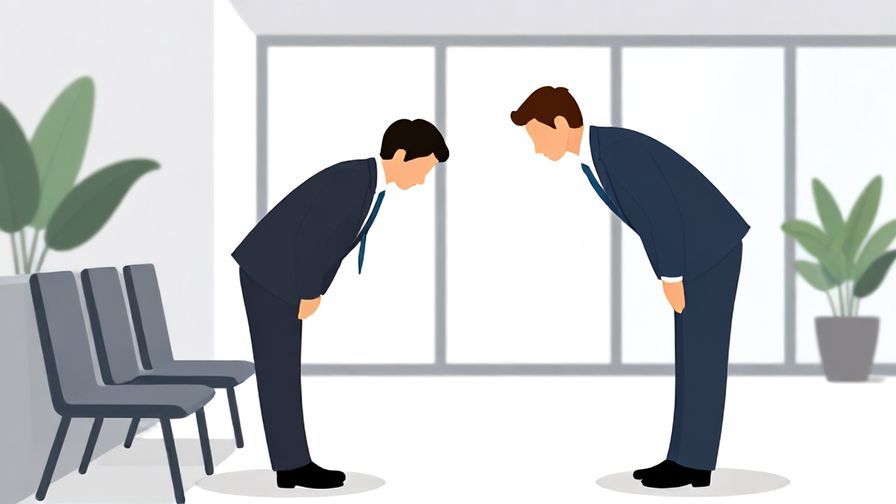
This phrase is a polite request using いただけますか (itadakemasu ka), a respectful way to ask “can you do this for me?”
It’s soft, humble, and very polite.
Good for formal conversations when you need someone’s patience.
Less direct but respectful, showing consideration.
Be sure to use a polite tone and maybe a slight bow.
This phrase helps you sound courteous and professional.
11. すみません、少々お待ちくださいませ (Sumimasen, shōshō omachi kudasaimase) – “Excuse me, please wait a moment.”

This is a very polite and humble expression used in customer service.
すみません (sumimasen) means “excuse me” or “sorry,” adding politeness.
少々お待ちくださいませ is a respectful request to wait.
It’s ideal for formal situations or when addressing customers.
Adding ませ (mase) increases politeness.
Use this to sound very courteous and professional.
12. もう少々お待ちください (Mō shōshō omachi kudasai) – “Please wait a little longer.”

This phrase is polite and used to ask for a bit more waiting time.
もう (mō) means “more” or “already,” combined with 少々お待ちください.
It’s commonly heard in service industries.
Useful when delays happen and you want to apologize politely.
Shows respect and appreciation for patience.
Try this to sound considerate in formal conversations.
13. ただ今、少々お待ちください (Tadaima, shōshō omachi kudasai) – “Please wait a moment (right now).”

ただ今 (tadaima) means “right now” or “currently.”
Paired with 少々お待ちください, it politely asks for immediate patience.
Often used in customer service or formal announcements.
It’s a respectful and clear way to ask for a brief wait.
Use this to sound professional and efficient.
Good for handling busy moments gracefully.
14. 少々お時間をいただけますか (Shōshō ojikan o itadakemasu ka) – “May I have a moment of your time?”

This is a very polite and indirect way to ask someone to wait.
お時間 (ojikan) means “time,” and いただけますか is a humble request form.
It sounds more formal and respectful than just “please wait.”
Useful in business meetings or formal emails.
Shows you value the person’s time while asking for patience.
Try this phrase to elevate your professional language skills.
15. しばらくお待ちください (Shibaraku omachi kudasai) – “Please wait for a little while.”

しばらく means “for a while” or “some time.”
Combined with お待ちください, it politely requests waiting for a short period.
It balances politeness with a clear expectation of timing.
Common in official announcements or services.
Good for situations that require more than a brief pause.
Use it to sound respectful and clear about wait time.
16. ただいま準備中ですので、少々お待ちください (Tadaima junbi-chū desu node, shōshō omachi kudasai) – “We are currently preparing, so please wait a moment.”

This phrase explains the reason for waiting politely.
準備中 (junbi-chū) means “in preparation,” and ただいま means “right now.”
It’s very polite and informative, often used in service contexts.
Helps manage expectations and keeps the tone respectful.
Perfect for customer interactions when delays occur.
Try this when you want to be both polite and clear.
Part 3: Very Casual / Native-like Expressions
17. ちょっと待ってよね (Chotto matte yo ne) – “Hey, wait a sec, okay?”

This phrase adds both よ and ね for emphasis and friendliness.
It’s very casual and often used among close friends.
The tone is playful, making the request lighthearted.
Great for informal moments when you want to keep things fun.
Be careful not to use this in serious or formal situations.
Use it to sound natural and relaxed with friends.
18. ちょい待ち (Choi machi) – “Wait a sec (slang).”

ちょい is a slangy short form of ちょっと, and 待ち is the noun form of “wait.”
This is very casual, often heard among younger people.
It’s like saying “wait a sec” in English.
Perfect for relaxed conversations but avoid in formal settings.
Using slang helps you sound more like a native speaker.
Try it out with close friends or peers.
19. ちょっと待っててよ (Chotto mattete yo) – “Hey, wait a moment (casual emphasis).”

This adds よ for casual emphasis and て form for continuous waiting.
It sounds friendly but also a bit assertive.
Use it with close friends when you want a quick response.
It’s less formal and very natural in everyday speech.
Try to match your tone with the context to keep it light.
This phrase helps you sound native-like and confident.
20. ちょっとだけ待ってね (Chotto dake matte ne) – “Please wait just a bit.”

だけ (dake) means “only” or “just,” emphasizing a short wait.
Combined with ちょっと and ね, it’s a gentle, casual request.
Perfect for friendly conversations when you want to reassure the other.
It’s polite without being formal.
Use it to sound sweet and considerate.
Great for everyday easygoing chats.
21. ちょっと待っててくれる? (Chotto mattete kureru?) – “Would you wait a moment for me?”

This is a casual but polite request asking for a favor.
It uses てくれる to imply doing something kindly for the speaker.
Great for friends or people you know well.
It softens the request and shows appreciation.
Try it when you want to sound both casual and polite.
This phrase helps build warmth in your conversations.
22. ちょっと待っててね! (Chotto mattete ne!) – “Please wait a moment, okay?”

This phrase combines casual て form with ね for friendliness and a cheerful tone.
It’s great for informal conversations with friends or family.
Adding the exclamation adds warmth and energy.
It sounds natural and inviting.
Use it to make your request feel more personal and kind.
This is a wonderful phrase to end your wait requests on a positive note.
Concluding Thought
Language is more than just words—it’s about connection, tone, and understanding. These 22 ways to say “Please wait a moment” in Japanese open many doors to expressing yourself in varied, natural ways.
From casual chats to formal requests, having these phrases at hand means you can adapt smoothly to any social situation, making your Japanese sound warm and genuine.
So keep practicing, be patient with yourself, and enjoy the beauty of the language as you ask others to “please wait a moment” in style and grace!