22 Japanese ways to say “Welcome Back”
Welcoming someone back warmly is a wonderful way to show you care. In Japanese, there are many ways to say “Welcome Back” that fit different situations and relationships.
Whether you’re greeting a close friend, a coworker, or family, knowing the right phrase makes your welcome feel sincere and natural. Plus, it’s a fun way to dive deeper into Japanese culture!
From casual to formal, this listicle covers 22 Japanese expressions of “Welcome Back,” complete with pronunciation guides and simple explanations.
Learning these phrases helps you connect better and express warmth in everyday conversations and special moments alike.
Ready to add some authentic Japanese flair to your greetings? Let’s jump right in and explore these welcoming words!
By the end, you’ll have a handy set of phrases to brighten someone’s return, whether near or far.
Understanding the Basics of Welcoming Back in Japanese
Before diving into the list, it’s good to get a feel for some core phrases that are often the foundation.
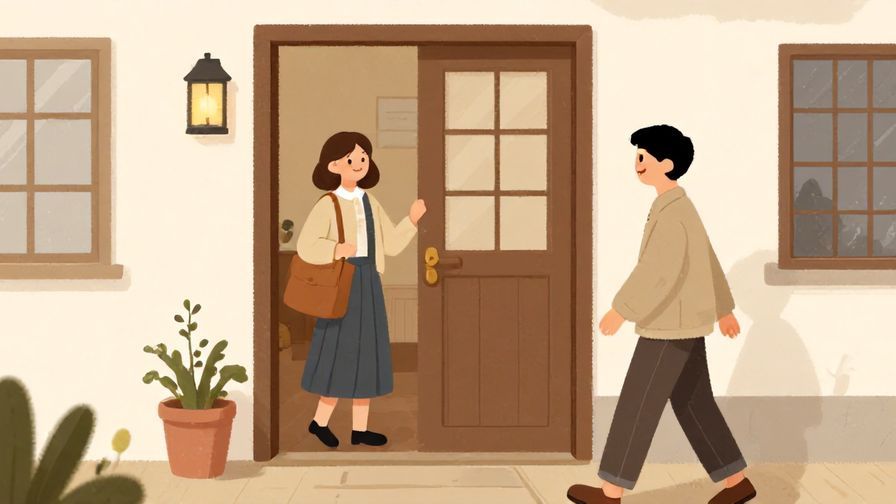
In Japanese, the word for “welcome back” usually relates to the concept of returning home or to a familiar place. Common verbs and expressions center around “okaeri” (おかえり) which literally means “return.”
These phrases can be casual or formal, depending on your relationship with the person.
Starting with a great Japanese language learning book can help you practice these basics with clear examples.
Once you master these simple welcomes, you’ll feel confident mixing in more nuanced expressions.
Let’s explore some casual ways to say “Welcome Back” first!
Part 1: Casual Suggestions
1. おかえり (Okaeri) – “Welcome back.”

This is the classic and most common way to say “Welcome back” in casual settings.
Simply say “Okaeri” (おかえり, oh-kah-eh-ree), which comes from the verb “kaeru” meaning “to return.” It’s short, sweet, and perfect for family and close friends.
Using it shows you’re happy they’ve come back home or to your place.
It’s so common that it’s almost automatic in daily life.
It’s related to the phrase “Okaeri nasai,” which is a more polite version often used by parents or hosts.
Try it with your Japanese friends or when someone arrives at your place!
2. おかえりなさい (Okaerinasai) – “Welcome home.” (polite)

This is the polite and full version of “Okaeri.”
Say “Okaerinasai” (おかえりなさい, oh-kah-eh-ree-nah-sai) to show respect or warmth in a slightly more formal tone.
It’s often used by family members or in workplaces when greeting someone returning.
Be careful not to shorten this too much in formal situations.
For example, a host greeting a guest back might use this.
It’s a great phrase for polite conversations while still sounding warm and inviting.
3. ただいま (Tadaima) – “I’m back.”

Technically, this means “I’m back,” but it’s part of the welcome back exchange in Japanese.
When you come home, you say “Tadaima” (ただいま, tah-dah-ee-ma) to announce your return.
The person greeting replies with “Okaeri” or “Okaerinasai.”
It’s a natural way to participate in the cultural ritual of coming home.
Using it helps you sound native and friendly.
Try this phrase every time you enter your home or a familiar place to feel more connected.
4. 久しぶり (Hisashiburi) – “Long time no see.”

This phrase means “Long time no see,” often used when someone returns after a while.
Say “Hisashiburi” (ひさしぶり, hee-sah-shee-boo-ree) to warmly acknowledge their return after absence.
It’s casual and friendly, perfect for friends you haven’t seen in some time.
Make sure to keep the tone light and cheerful.
You can also say “Hisashiburi desu ne” for a slightly more polite version.
This phrase adds a friendly, personal touch to your welcome.
5. お帰りだよ! (Okaeri da yo!) – “You’re back!” (casual, enthusiastic)

This is a more playful and enthusiastic way to welcome someone back.
It literally means “You’re back!” with the casual particle “da yo” adding warmth and excitement.
Use it among close friends or family when you want to show you missed them.
It’s not formal, so avoid it in professional settings.
Try using it when a friend returns home after a long day.
This phrase makes your greeting feel lively and heartfelt.
6. ようこそ戻ってきたね (Youkoso modotte kita ne) – “Welcome back (you made it)!”

This phrase means “Welcome back, you came back!” and sounds warm and personal.
“Youkoso” (ようこそ, yoh-koh-soh) means “welcome,” “modotte kita” (戻ってきた, moh-dot-teh kee-tah) means “(you) returned,” and “ne” is a sentence-ending particle seeking agreement or softening.
It’s great when someone has been away for a while and made the journey back.
This phrase feels thoughtful and genuine.
You can use it among friends or family for a heartfelt welcome.
It’s a bit longer but very expressive and warm.
7. また会えてうれしい (Mata aete ureshii) – “Glad to see you again.”

This phrase means “I’m happy to see you again,” perfect for welcoming someone back warmly.
“Mata” (また, mah-tah) means “again,” “aete” (会えて, ah-eh-teh) means “able to meet,” and “ureshii” (うれしい, oo-reh-shee) means “happy.”
It’s casual but heartfelt, great for friends and acquaintances.
Use it to express your genuine happiness at their return.
It’s more emotional than a simple “welcome back.”
Try it when you want your greeting to feel a bit more personal.
8. 帰ってきてくれてありがとう (Kaette kite kurete arigatou) – “Thanks for coming back.”

This phrase means “Thank you for coming back,” which is a warm way to welcome someone.
“Kaette kite” (帰ってきて, kah-eh-teh kee-teh) means “came back,” “kurete” (くれて, koo-reh-teh) adds “for me,” and “arigatou” (ありがとう, ah-ree-gah-toh) means “thank you.”
It’s casual but very thoughtful, showing gratitude for their return.
Use it with close friends or family when you want to express appreciation.
This phrase makes your welcome feel deeply personal.
Try it to turn a simple welcome into something more meaningful.
Part 2: Polite & Formal Suggestions
9. お戻りなさいませ (Omodorinasaimase) – Very polite “Welcome back.”

This is a very formal and respectful way to say “Welcome back.”
“Omodorinasaimase” (お戻りなさいませ, oh-moh-doh-ree-nah-sai-mah-seh) is often used in professional or customer service settings.
It adds honorifics to “modoru” (to return) and makes the phrase extremely polite.
Use it when greeting clients, guests, or superiors.
It’s not casual, but perfect for business or formal occasions.
Try this phrase if you want to sound refined and respectful.
10. ご帰宅お疲れ様です (Gokitaku otsukaresama desu) – “Thank you for your hard work returning home.”

This phrase is polite and acknowledges the effort of coming back home or to work.
“Gokitaku” (ご帰宅, go-kee-tah-koo) means “return home” with honorific, and “otsukaresama desu” (お疲れ様です, oh-tsu-kah-reh-sah-mah deh-su) is a respectful way to say “thank you for your hard work.”
It’s often used among coworkers or family after a long day.
It’s formal and shows care for the person’s efforts.
Use it to sound considerate and polite in daily life.
This phrase is perfect when you want to combine welcome with appreciation.
11. お疲れ様でした、お帰りなさいませ (Otsukaresama deshita, okaerinasaimase) – “Thank you for your hard work, welcome back.”

This phrase combines gratitude and welcome in a polite way.
“Otsukaresama deshita” (お疲れ様でした, oh-tsu-kah-reh-sah-mah deh-shee-tah) thanks someone for their hard work, and “okaerinasaimase” is a polite welcome.
It’s great in professional or formal family settings.
Use it to warmly greet someone coming back from work or a trip.
This phrase shows respect and care simultaneously.
It’s a solid choice for formal and polite conversation.
12. お戻りいただきありがとうございます (Omodori itadaki arigatou gozaimasu) – “Thank you very much for returning.”

This is a very polite and formal way to say thanks for returning.
“Omodori itadaki” (お戻りいただき, oh-moh-doh-ree ee-tah-dah-kee) is a respectful phrase for “returning,” and “arigatou gozaimasu” (ありがとうございます, ah-ree-gah-toh goh-zah-ee-mas) means “thank you very much.”
Perfect for formal business or customer service situations.
It’s not casual and should be used with clients or seniors.
Use this phrase to make a polished, respectful impression.
It shows you truly value the person’s return.
13. お待ちしておりました (Omachi shite orimashita) – “I have been waiting for you.”

This is a polite and slightly formal way to say you’ve been waiting for someone.
“Omachi” (お待ち, oh-mah-chee) means “waiting,” “shite” is the -ing form of “do,” and “orimashita” is a humble past form.
Use it when you want to sound respectful and warm.
It’s great for greeting clients or guests returning after a bit of time.
This phrase expresses anticipation and care.
Try it to make your welcome feel special and considerate.
14. ご無事でお戻りになって何よりです (Gobuji de omodori ni natte nani yori desu) – “I’m glad you returned safely.”

This phrase is a very polite and heartfelt way to welcome someone back safely.
“Gobuji” (ご無事, go-boo-jee) means “safe and sound,” “omodori ni natte” (お戻りになって) is a respectful way to say “returned,” and “nani yori desu” (何よりです) means “more than anything.”
Use it to express relief and happiness at their safe return.
It’s suitable for formal or emotional occasions.
This phrase shows deep care and respect.
Perfect for welcoming someone after travel or a difficult journey.
15. ご帰還おめでとうございます (Gokikan omedetou gozaimasu) – “Congratulations on your return.”

This phrase congratulates someone on their return, often used for special occasions.
“Gokikan” (ご帰還, go-kee-kahn) means “return,” and “omedetou gozaimasu” (おめでとうございます, oh-meh-deh-toh goh-zah-ee-mas) means “congratulations.”
Perfect for a safe return from missions, travels, or important trips.
It’s very formal and celebratory.
Use it when the return itself is an achievement.
This phrase adds a festive, respectful tone to your welcome.
16. お変わりなくお戻りいただきありがとうございます (Okawari naku omodori itadaki arigatou gozaimasu) – “Thank you for returning safe and sound.”

This is a very polite way to thank someone for returning safely without changes or problems.
“Okawari naku” (お変わりなく, oh-kah-wah-ree nah-ku) means “without change,” “omodori itadaki” means “returning,” and “arigatou gozaimasu” is “thank you very much.”
Use it in formal contexts to express relief and gratitude.
It’s especially good for official or ceremonial welcomes.
This phrase shows deep respect and appreciation.
Try it when you want to be very polite and thoughtful.
Part 3: Very Casual / Native-like Expressions
17. おかえりー (Okaerii) – Casual and drawn-out “Welcome back.”

This is a relaxed and playful version of “Okaeri.”
Just add a small lengthening sound “-ii” to make it sound more casual and friendly.
It’s common among young people or close friends.
Use it when you want to sound super informal and natural.
It’s like saying “Hey, welcome back!” in English with a casual tone.
Perfect for texting or casual conversation.
18. おかえりん (Okaerin) – Cute and slangy “Welcome back.”

This is a cute, slangy version often used in texting or among close friends.
“Okaerin” (おかえりん, oh-kah-eh-reen) adds a playful “-n” sound at the end.
It’s informal and expresses warmth and friendliness.
Use it with your closest pals or younger people.
It’s like adding a friendly nickname touch to the phrase.
Great for casual chats and cheerful welcomes.
19. ただいま戻りました (Tadaima modorimashita) – “I’ve just come back.” (casual but polite)

This phrase means “I have just returned” and is a polite but casual way to announce your return.
“Tadaima” means “I’m back,” “modorimashita” is the polite past form of “modoru” (to return).
It’s a bit more formal than just “Tadaima” but still friendly.
Use it when you want to sound polite but not stiff.
Great for greeting coworkers or acquaintances.
This phrase strikes a balance between casual and respectful.
20. 元気だった?おかえり! (Genki datta? Okaeri!) – “How have you been? Welcome back!”

This is a warm and casual way to welcome someone back and check on them.
“Genki datta?” (元気だった?, gen-kee daht-tah) means “Have you been well?” and “Okaeri!” is the casual “Welcome back!”
It’s perfect for friends or family you haven’t seen in a while.
This phrase combines care and welcome naturally.
Use it to start conversations and show you missed them.
It’s friendly and easygoing.
21. 帰ってきてよかった! (Kaette kite yokatta!) – “I’m glad you came back!”

This phrase expresses relief and happiness about someone returning.
“Kaette kite” means “came back,” and “yokatta” means “was good” or “I’m glad.”
It’s casual and heartfelt, great for emotional reunions.
Use it with people you care deeply about.
This phrase adds a warm, emotional layer to your welcome.
Perfect for family or close friends after a long absence.
22. やっと戻ってきたね! (Yatto modotte kita ne!) – “You finally came back!”

This phrase means “You finally came back!” and is casual and lively.
“Yatto” means “finally,” “modotte kita” means “came back,” and “ne” softens the sentence.
Use it when someone returns after a long wait or delay.
This phrase has a playful and happy tone.
It’s perfect for close friends or family when you want to tease warmly.
Try it to make your welcome feel fun and heartfelt.
Concluding Thought
Welcoming someone back in Japanese is more than just words—it’s about sharing warmth, respect, and genuine happiness for their return.
Whether you choose casual expressions or formal phrases, each one carries a unique flavor that fits different relationships and occasions.
Keep practicing these phrases, and you’ll find yourself connecting with others in a more meaningful and authentic way every time you say “Welcome Back.”