22 Japanese ways to say “Well Done”
Celebrating success feels great, doesn’t it? And knowing how to say “Well done” in Japanese adds a special touch to your congratulations.
Whether you’re complimenting a friend, colleague, or family member, Japanese offers a variety of warm and expressive ways to show praise.
From casual cheers to formal acknowledgments, each phrase carries its own nuance and charm.
This listicle is your friendly guide to mastering 22 Japanese ways to say “Well done,” complete with pronunciation tips and context.
Learning these phrases will not only boost your language skills but also deepen your cultural connection.
So, let’s dive in and start congratulating like a pro in Japanese!
Understanding the Basics of Praise in Japanese
Before jumping into the phrases, it helps to know a bit about how praise works in Japanese.
Japanese expressions often reflect the relationship and setting, whether casual or formal, so choosing the right phrase is key.
Many phrases are built from simple words like “good” (いい, ii) or “great” (素晴らしい, subarashii), combined with verbs or particles to add warmth or respect.
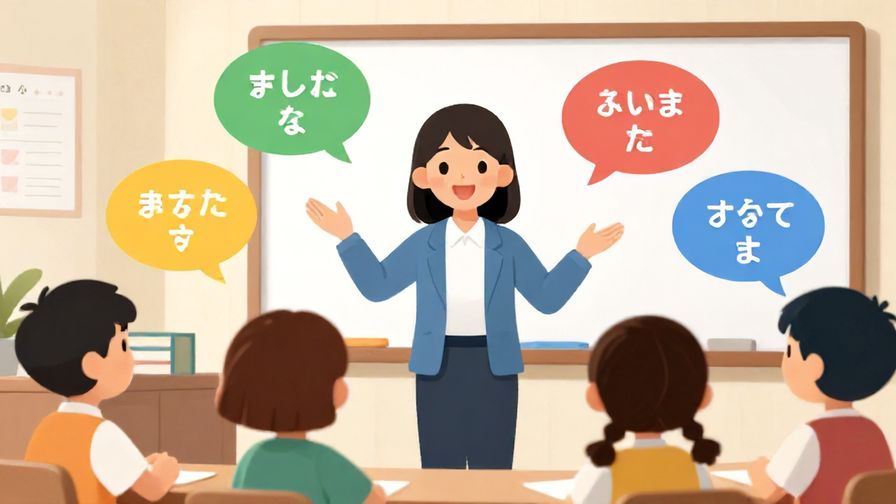
For a solid foundation, a great beginner phrasebook can guide you through common expressions and their usage.
Once you get the hang of basic praise, you’ll find it easier to mix and match phrases naturally.
Practice by noticing how native speakers cheer each other on in different situations.
Part 1: Casual Suggestions
1. よくやった (Yoku yatta) – “Well done!”

This is one of the most common casual ways to say “Well done” in Japanese.
“よく” (yoku) means “well” or “good,” and “やった” (yatta) is the past tense of “do,” so together it literally means “You did well!”
It’s friendly and energetic, perfect for congratulating friends or family.
It carries enthusiasm and genuine praise, making it a go-to phrase.
You might hear this after a good presentation or finishing a tough task.
Feel free to use it often; it’s simple and always appreciated!
2. すごい! (Sugoi!) – “Amazing!”

“すごい” (sugoi) is a versatile compliment meaning “amazing” or “awesome.”
It’s a quick and casual way to express your admiration for someone’s achievement.
It’s especially good for spontaneous praise, like when someone scores a goal or nails a tricky move.
Just be careful not to overuse it where more specific praise might be better.
Try pairing it with a smile and an encouraging nod to show your genuine delight.
“すごい” works well in everyday chats and informal settings.
3. ナイス! (Naisu!) – “Nice!”

Borrowed from English, “ナイス” (naisu) is a trendy and casual way to say “Well done.”
It’s short, catchy, and widely understood among younger generations.
Great for quick, positive feedback especially in sports or games.
Just like in English, it’s informal but friendly and effective.
Use it to cheer on teammates or friends effortlessly.
It’s a fun phrase that feels natural in casual Japanese conversations.
4. いいね! (Ii ne!) – “That’s good!”

“いいね” (ii ne) literally means “good, isn’t it?” and is often used to praise or agree.
It’s friendly and can be used to compliment achievements or ideas.
Adding “ね” (ne) softens the phrase, making it feel natural and warm.
It’s very common in everyday speech and easy to remember.
Great for showing approval during conversations or after someone shares good news.
Try it out next time you want to say “Well done” informally.
5. お疲れ! (Otsukare!) – “Good job!”

“お疲れ” (otsukare) is short for “お疲れ様” and is used to acknowledge hard work.
It’s casual and often said among colleagues or friends after completing a task.
It literally means “You must be tired,” showing empathy and praise for effort.
It’s a great phrase to use when someone finishes something challenging.
Just avoid using it with strangers or formal settings.
It’s a lovely way to say “Well done” with a caring tone.
6. いい感じ! (Ii kanji!) – “Looking good!”

“いい感じ” (ii kanji) means “good feeling” or “looking good.”
It’s casual praise that fits well when someone’s work or effort is visibly impressive.
Useful for complimenting a project, outfit, or presentation.
It’s friendly and upbeat, making it perfect for peers and friends.
You can try this phrase when you notice something done just right.
It adds a little more personality than a simple “good.”
7. バッチリ! (Bacchiri!) – “Perfect!”

“バッチリ” (bacchiri) means “perfect” or “spot on.”
It’s a casual, energetic way to praise someone’s flawless work or timing.
Great for cheering on a friend who nailed a presentation or task.
It’s informal but packs a punch of enthusiasm.
Try using it to boost someone’s confidence immediately.
It’s a fun phrase that feels very natural in everyday Japanese.
8. 最高! (Saikou!) – “The best!”

“最高” (saikou) literally means “the highest” and is used to praise something as the best.
It’s casual and enthusiastic, perfect for expressing high praise.
Commonly used when someone exceeds expectations or does something outstanding.
It’s a strong compliment that’s easy to remember.
Great for celebrations or moments of triumph.
Use it to make someone feel truly appreciated and special.
Part 2: Polite & Formal Suggestions
9. よく頑張りました (Yoku ganbarimashita) – “You worked hard.”

This polite phrase literally means “You did your best.”
“よく” (yoku) means well, and “頑張りました” (ganbarimashita) is the past polite form of “to do one’s best.”
It’s perfect for formal situations like work or school.
It shows respect and acknowledges effort sincerely.
Use this when you want to praise someone’s dedication professionally.
It’s a thoughtful and meaningful way to say “Well done.”
10. お疲れ様でした (Otsukaresama deshita) – “Thank you for your hard work.”

“お疲れ様でした” (otsukaresama deshita) is a formal way to acknowledge someone’s effort.
It’s often used at the end of a workday or after completing a project.
The phrase expresses gratitude and respect simultaneously.
It’s polite and appropriate in professional or formal contexts.
Use it when you want to sincerely appreciate someone’s hard work.
This phrase strengthens bonds and shows thoughtful recognition.
11. 素晴らしいです (Subarashii desu) – “It’s wonderful.”

“素晴らしい” (subarashii) means “wonderful” or “splendid.”
Adding “です” (desu) makes it polite and formal.
It’s excellent for praising high-quality work or achievements.
Often used in speeches or formal conversations.
It conveys admiration with elegance and respect.
Try this phrase when you want to sound polished and sincere.
12. 立派でした (Rippa deshita) – “That was splendid.”

“立派” (rippa) means “splendid” or “admirable.”
“でした” (deshita) is the polite past tense.
This phrase praises someone’s admirable effort or conduct.
Great for formal settings or to compliment character as well as achievement.
Use it when you want to highlight both effort and dignity.
It’s a respectful and warm way to say “Well done.”
13. 感心しました (Kanshin shimashita) – “I’m impressed.”

“感心しました” (kanshin shimashita) means “I was impressed.”
It’s polite and shows deep admiration.
Perfect for formal praise when quality or skill stands out.
Use this phrase to acknowledge talent or effort respectfully.
It goes beyond casual compliments with sincerity.
Ideal for bosses, teachers, or mentors to use.
14. 優秀でした (Yūshū deshita) – “You were excellent.”

“優秀” (yūshū) means “excellent” or “outstanding.”
Adding “でした” (deshita) makes it polite past tense.
This phrase is used to formally praise outstanding performance.
Suitable for work, school, or competitions.
It conveys a strong sense of accomplishment and approval.
Use it when you want to highlight someone’s excellence precisely.
15. ご苦労様でした (Gokurōsama deshita) – “Thank you for your efforts.”

“ご苦労様でした” (gokurōsama deshita) is a formal phrase expressing gratitude for hard work.
It’s polite but typically used from a superior to a subordinate.
It acknowledges effort and often ends a task or project.
Be mindful of context; it’s not used upwards in hierarchy.
Use it carefully in formal workplace settings.
It’s a respectful way to say “Well done” with thanks.
16. 見事でした (Migoto deshita) – “That was magnificent.”

“見事” (migoto) means “magnificent” or “splendid.”
“でした” (deshita) makes it polite past tense.
Use this phrase to praise an impressive achievement or performance.
It’s formal and elevates the compliment to a higher level.
Great for artistic performances, speeches, or competitions.
It sounds refined and genuinely admiring.
Part 3: Very Casual / Native-like Expressions
17. バンザイ! (Banzai!) – “Hooray!”

“バンザイ” (banzai) is a cheer of celebration meaning “Hooray!”
It’s used casually to celebrate success enthusiastically.
Perfect for high-energy moments of accomplishment.
It’s a native expression that conveys joy and approval.
Try saying it with a big smile and raised hands.
It’s a lively way to say “Well done” in casual settings.
18. やったね! (Yatta ne!) – “You did it!”
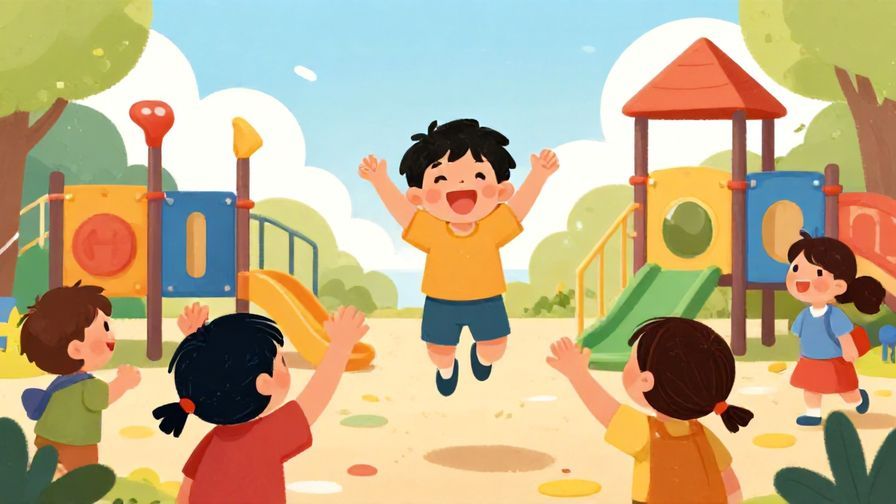
“やったね” (yatta ne) means “You did it!” with a friendly tone.
“やった” (yatta) means “did it,” and “ね” (ne) adds warmth.
It’s very casual and commonly used among friends and family.
Perfect for celebrating small victories or milestones.
It feels natural and affectionate.
Use it to share joy and encouragement instantly.
19. グッジョブ! (Gujjobu!) – “Good job!”

“グッジョブ” (gujjobu) is the Japanese pronunciation of “Good job.”
It’s casual and used mostly among younger people.
Great for quick encouragement or praise in sports or work.
It’s a borrowed phrase that feels very native now.
Use it to sound friendly and upbeat in informal contexts.
It’s easy to remember and widely understood.
20. ナイスプレー! (Naisu purē!) – “Nice play!”

“ナイスプレー” (naisu purē) means “Nice play.”
It’s perfect for sports or games to praise good moves.
Casual and energetic, it’s popular among teammates.
Use it to encourage and celebrate athletic achievements.
It sounds natural and is easy to use spontaneously.
Great for friendly competition and fun.
21. いいぞ! (Ii zo!) – “That’s great!”

“いいぞ” (ii zo) means “That’s good!” with an encouraging tone.
“いい” (ii) means good, and “ぞ” (zo) adds emphasis.
It’s very casual and often used by men or in energetic contexts.
Great for motivating friends or younger people.
Use it to show approval with a bit of punch.
It’s a native-like phrase to boost morale instantly.
22. よっしゃ! (Yossha!) – “Alright!”

“よっしゃ” (yossha) is a casual exclamation meaning “Alright!” or “Yes!”
It’s often used right after succeeding or finishing a challenge.
It expresses triumph and satisfaction naturally.
Use it to cheer yourself or others in casual, friendly settings.
It’s a very common and native-like phrase full of energy.
Great for celebrating small wins enthusiastically.
Concluding Thought
Exploring these 22 ways to say “Well done” in Japanese opens up new ways to connect and celebrate achievements.
Each phrase carries its own flavor, from casual cheers to formal respect, helping you match the mood perfectly.
So next time someone shines, you’ll have the right words ready to make their day even brighter. Keep practicing, and happy praising!