22 Japanese ways to say “You’re Beautiful”
Compliments are a universal language, and nothing brightens someone’s day quite like hearing they’re beautiful. In Japanese, expressing this sentiment can be as simple or as poetic as you want it to be.
Whether you’re learning Japanese or just want to add some cultural flair to your compliments, there are many ways to say “You’re beautiful.” Each carries its own nuance and charm, perfect for different occasions and relationships.
From casual remarks that friends share to more formal expressions suitable for special moments, the variety of phrases can help you connect deeply and sincerely.
In this list, we’ll explore 22 natural and warm ways to say “You’re beautiful” in Japanese. You’ll get pronunciation tips and explanations to help you use each phrase with confidence.
Learning these phrases not only expands your vocabulary but also gives you insight into Japanese culture and how beauty is appreciated.
Ready to make someone’s day with a heartfelt compliment? Let’s dive in and see which phrase fits your vibe best!
Getting Started: Why Different Ways Matter
Japanese is rich with expressions that vary by context and relationship. Knowing multiple ways to say “You’re beautiful” lets you tailor your words perfectly.
Some phrases are casual and playful, great for friends or loved ones, while others are more polished and respectful, ideal for formal situations or new acquaintances.
Understanding these nuances will help you avoid awkward moments and sound more natural.
If you want a handy companion while learning, check out this beginner phrasebook that covers essential expressions.
Learning Japanese phrases that suit your social context is a practical and fun way to improve your communication skills.
Let’s start with casual expressions that you can use right away with friends and loved ones.
Part 1: Casual Suggestions
1. きれいだよ (Kirei da yo) – “You’re beautiful.”

This is the simplest and most straightforward way to say “You’re beautiful” in a casual and friendly way.
“きれい (Kirei)” means “pretty” or “clean,” and “だよ (da yo)” adds a soft emphasis, making it warm and personal.
It’s perfect for friends or someone you feel comfortable with.
Using “だよ” instead of just “だ” makes it sound less blunt and more affectionate.
For example, you can say it to a friend who just got a new haircut or outfit.
Try to match your tone with a genuine smile to make it feel natural and heartfelt.
2. 美しいね (Utsukushii ne) – “You’re beautiful, aren’t you?”

“美しい (Utsukushii)” is a poetic word for “beautiful,” often used for nature or people in a more elegant sense.
Adding “ね (ne)” invites agreement or softens the statement, making it sound friendly.
This phrase is perfect for romantic or deeper compliments.
Be mindful it might sound a bit formal if used with close friends casually.
Use it when you want to express beauty in a sincere, almost admiring way.
For example, you might say this on a date or when admiring someone’s graceful presence.
3. かわいいね (Kawaii ne) – “You’re cute, aren’t you?”
“かわいい (Kawaii)” means “cute,” often used to compliment looks or personality in a youthful, affectionate way.
The “ね (ne)” ending makes it conversational and warm.
This phrase is great for casual settings with friends or someone younger.
Avoid using it in overly formal situations as it can sound too informal or playful.
It’s commonly used when someone looks adorable or charming in a lighthearted way.
Try using it to compliment a funny outfit or a cute smile.
4. ステキだよ (Suteki da yo) – “You’re wonderful/beautiful.”

“ステキ (Suteki)” means “lovely,” “wonderful,” or “beautiful” and is a versatile compliment.
The “だよ (da yo)” adds warmth and friendliness.
This is a great all-around compliment that feels positive and uplifting.
It’s casual but still respectful enough for acquaintances.
You can say this to someone who looks great or has a charming style.
It’s perfect when you want to sound supportive and genuine without being too formal.
5. 素敵だね (Suteki da ne) – “You’re wonderful, aren’t you?”

Similar to the previous phrase but with “ね (ne)” at the end, which invites agreement and softens the tone.
This makes it sound more conversational and friendly.
It’s perfect when you want to compliment someone in a casual yet warm way.
Great for expressing admiration during casual chats or meetups.
For example, you could say it when noticing a friend’s new hairstyle.
Using “ね” helps build rapport and connection in your compliment.
6. いい感じだよ (Ii kanji da yo) – “You look great.”

“いい感じ (Ii kanji)” literally means “good feeling” but is used colloquially to say someone looks good or has a nice vibe.
The “だよ (da yo)” adds warmth and certainty.
This phrase is casual and versatile, great for everyday compliments.
It’s less about physical beauty and more about overall style or aura.
You might say this after someone picks a cool outfit or does something impressive.
It’s easy to use and sounds natural among peers.
7. とてもかわいい (Totemo kawaii) – “Very cute.”

Adding “とても (Totemo)” means “very,” which intensifies the compliment.
“かわいい (Kawaii)” again means “cute,” so this phrase is a stronger way to say someone looks adorable.
This phrase is perfect when you want to emphasize cuteness more than usual.
Use it with friends, family, or someone whose charm you want to highlight.
Be mindful to keep your tone light and sincere to avoid sounding exaggerated.
It’s a great phrase for casual compliments.
8. きみは美人だね (Kimi wa bijin da ne) – “You’re a beautiful person.”

“きみ (Kimi)” means “you” in an informal but affectionate way.
“美人 (Bijin)” refers to a beautiful woman, often meaning elegant or attractive.
“だね (da ne)” softens the statement and invites agreement.
This phrase is used to compliment a woman with sincere admiration.
Perfect when you want to say “You’re truly beautiful” in a heartfelt way.
Be careful to use it with women you know well or in suitable contexts.
Part 2: Polite & Formal Suggestions
9. あなたは美しいです (Anata wa utsukushii desu) – “You are beautiful.” (formal)
“あなた (Anata)” means “you” in polite form.
“美しいです (Utsukushii desu)” is the polite way to say “beautiful.”
This phrase is suitable for formal situations or when you want to sound respectful.
It’s perfect for giving compliments in business or formal social gatherings.
Using “です (desu)” makes your sentence polite and correct.
Try this when complimenting someone you don’t know well or in official contexts.
10. お綺麗ですね (O-kirei desu ne) – “You look beautiful, don’t you?” (very polite)
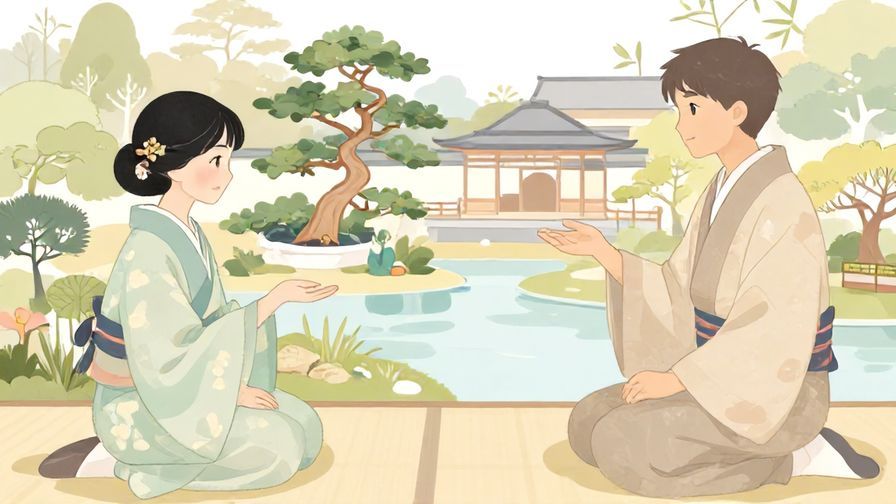
“お (O-)” is an honorific prefix that adds respect.
“綺麗 (Kirei)” means “pretty” or “clean,” and “ですね (desu ne)” makes the phrase polite and inviting.
This is a very respectful and elegant compliment.
Ideal for formal occasions or when speaking to someone you want to honor.
Use it to compliment a guest at a formal event or a colleague.
It shows both politeness and admiration.
11. 美しい方ですね (Utsukushii kata desu ne) – “You are a beautiful person.” (formal/respectful)

“方 (Kata)” is a respectful word for “person.”
This phrase is very formal and respectful, perfect for high-level social settings.
It’s a great way to compliment someone’s appearance politely.
Use it when you want to sound respectful and sincere.
Perfect for formal introductions or important meetings.
It adds a touch of elegance to your compliment.
12. 素晴らしいですね (Subarashii desu ne) – “You are wonderful.” (formal)

“素晴らしい (Subarashii)” means “wonderful” or “splendid.”
Adding “ですね (desu ne)” makes the compliment polite and soft.
This phrase is more about praising overall impression rather than just looks.
It’s formal and respectful, perfect for professional or ceremonial settings.
Use it when complimenting someone’s presence or elegance.
It’s a versatile phrase that sounds classy.
13. 魅力的ですね (Miryokuteki desu ne) – “You’re charming.” (formal)
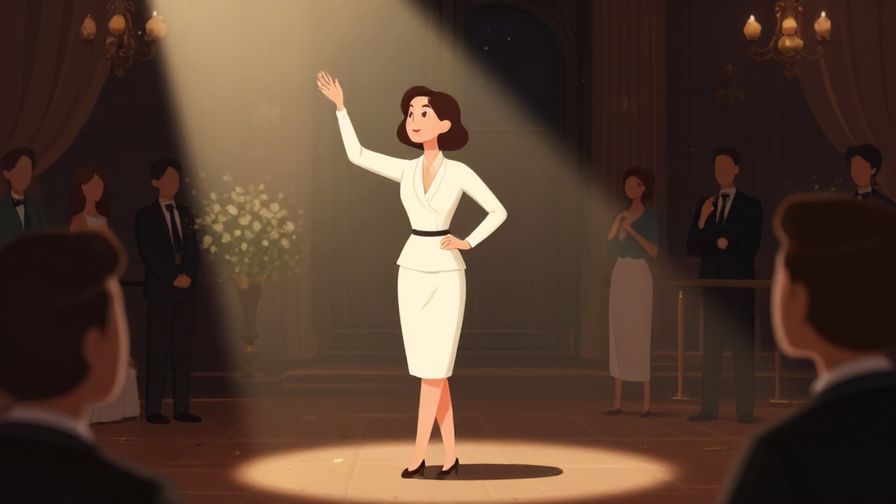
“魅力的 (Miryokuteki)” means “charming” or “attractive.”
This phrase compliments someone’s overall appeal beyond just looks.
Adding “ですね (desu ne)” keeps it polite and approachable.
Great for formal compliments with a little more depth.
Use it when you want to highlight personality and presence as well as appearance.
This phrase is elegant and thoughtful.
14. とてもお綺麗です (Totemo o-kirei desu) – “You are very beautiful.” (very polite)

Adding “とても (Totemo)” means “very,” intensifying the compliment.
“お綺麗です (O-kirei desu)” is a very polite way to say “beautiful.”
This phrase works well in formal situations when you want to sincerely emphasize beauty.
Use it with someone you respect or want to honor deeply.
It’s perfect for special occasions or official compliments.
Pronounce it gently and with respect to convey sincerity.
15. 美貌ですね (Bibō desu ne) – “You have beautiful looks.” (formal)
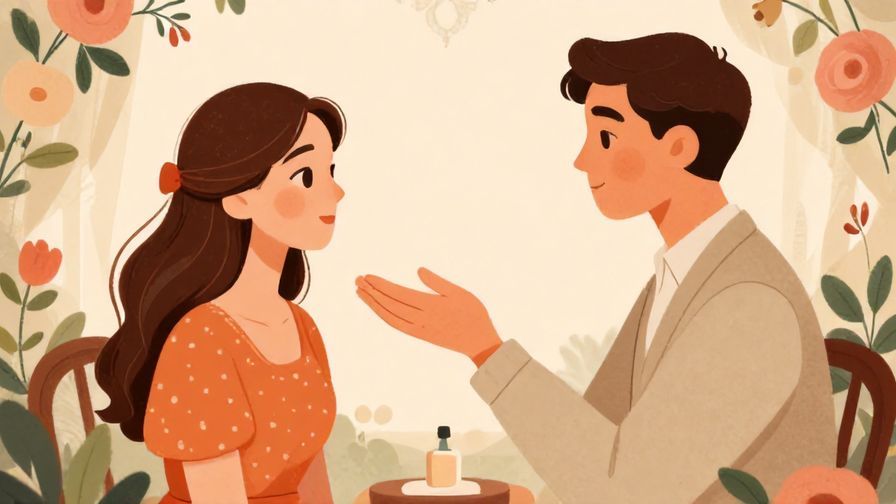
“美貌 (Bibō)” means “beautiful appearance” or “lovely looks.”
This phrase is quite formal and literary.
It’s suitable for poetic or artistic compliments.
Use it when you want to sound refined and expressive.
Great for complimenting someone’s striking appearance respectfully.
It’s less common in daily talk but very impressive.
16. 魅惑的です (Miwakuteki desu) – “You are enchanting.” (formal)

“魅惑的 (Miwakuteki)” means “enchanting” or “captivating.”
This phrase is formal and poetic, expressing deep admiration.
It’s perfect for romantic or artistic compliments.
Use it carefully, as it’s quite strong and expressive.
Great for moments when you want to convey a sense of wonder.
It’s a beautiful phrase to impress someone respectfully.
Part 3: Very Casual / Native-like Expressions
17. いいね、その顔!(Ii ne, sono kao!) – “Nice, that face!”

This phrase is very casual and playful, often used among close friends.
“いいね (Ii ne)” means “nice” or “good,” and “その顔 (sono kao)” means “that face.”
It’s a fun way to compliment someone’s look or expression.
Great for teasing or lighthearted moments.
Use it only with people you know well to avoid sounding rude.
It’s perfect for quick, casual compliments.
18. まじでかわいい (Majide kawaii) – “Seriously cute.”

“まじで (Majide)” means “seriously” or “really,” adding emphasis.
“かわいい (Kawaii)” means “cute.”
This phrase is very casual and common among young people.
It’s perfect for casual, enthusiastic compliments.
Be mindful that it’s slangy and informal.
Use it when you want to sound natural and lively.
19. めっちゃ綺麗!(Meccha kirei!) – “Super pretty!”

“めっちゃ (Meccha)” is Kansai dialect for “very” or “super,” widely used in casual speech.
“綺麗 (Kirei)” means “pretty.”
This phrase is informal and energetic.
It’s great for expressing strong admiration casually.
Use it with friends or people your age.
It adds a fun regional flavor to your compliment.
20. やばい、かわいい!(Yabai, kawaii!) – “Wow, cute!”

“やばい (Yabai)” is slang meaning “amazing” or “wow.”
Paired with “かわいい (Kawaii),” it’s a very casual way to say someone is really cute.
This phrase is popular among younger generations.
It’s energetic and spontaneous, perfect for fun moments.
Avoid using it in formal contexts.
It’s a catchy phrase that feels very natural.
21. すごく綺麗だよ (Sugoku kirei da yo) – “You’re really beautiful.”

“すごく (Sugoku)” means “really” or “very.”
It intensifies the compliment “綺麗 (Kirei).”
Adding “だよ (da yo)” keeps it casual and warm.
This phrase balances sincerity with friendliness.
Use it anytime you want to sound genuine and kind.
It works well in everyday conversations.
22. あなたの笑顔が最高だよ (Anata no egao ga saikō da yo) – “Your smile is the best.”

This phrase focuses on the beauty of someone’s smile.
“笑顔 (Egao)” means “smile,” and “最高 (Saikō)” means “the best.”
It’s a heartfelt and specific compliment.
Perfect for close friends or loved ones.
It feels warm and personal, ideal for making someone feel special.
Try this when you want to highlight their joyful charm.
Concluding Thought
Exploring these 22 ways to say “You’re beautiful” in Japanese reveals not just language but culture and emotion.
From casual to formal, each phrase offers a unique way to brighten someone’s day with kindness and admiration.
With practice, you’ll find the perfect compliment for every relationship and occasion—making your words truly meaningful.