22 Japanese ways to say “You’re Cute”
Saying “You’re cute” is one of those sweet, simple phrases that can brighten someone’s day instantly. But did you know there are so many ways to express this in Japanese?
Whether you’re chatting with friends, flirting, or just want to sprinkle some charm into your conversations, having a variety of expressions is super handy.
Japanese offers a rich palette of phrases, each with its own nuance and vibe. From casual to polite, and even playful native expressions, you’ll find just the right way to say “cute.”
Ready to add some warm, heart-melting phrases to your Japanese toolkit? Let’s dive into 22 charming ways to say “You’re cute”!
Learning these will not only improve your vocabulary but also give you a glimpse into Japanese culture and how affection is expressed.
Stick around and discover the perfect expression for every occasion and personality type.
Understanding the Basics Before You Start
First off, the word “cute” in Japanese is often translated as かわいい (kawaii) [ka-wa-ii] (kah-wah-ee), which you’ll hear everywhere, from anime to fashion.
But “You’re cute” can be said in many ways depending on formality, closeness, and intention. Sometimes it’s straightforward, other times it’s more playful or indirect.
Knowing when and how to use these expressions will make your Japanese sound natural and heartfelt.

If you’re looking for a great introduction to everyday phrases, a beginner Japanese phrasebook can be a wonderful resource.
It helps you get comfortable with pronunciation and context, so you’ll feel confident using these cute expressions in real life.
Plus, it’s a fun way to see how these phrases fit into everyday conversations.
Part 1: Casual and Friendly Ways to Say “You’re Cute”
1. かわいいね (Kawaii ne) – “You’re cute, huh?”

This is a straightforward and very common way to say “You’re cute” among friends.
“かわいい” (kawaii) means “cute,” and “ね” (ne) is a sentence-ending particle used to seek agreement or soften the statement. It’s like saying “right?” or “huh?” in English.
Adding “ね” makes the phrase friendlier and less direct, perfect for casual conversations.
You can use this when you notice something adorable about someone’s appearance or behavior.
For example, if your friend is wearing a cute outfit, you can say, “かわいいね!”
It’s a great phrase to get started with because it’s simple and natural.
2. すごくかわいい (Sugoku kawaii) – “Super cute”

Want to turn up the volume on your compliment? Try this one!
“すごく” (sugoku) means “very” or “super,” so combined with “かわいい” (kawaii), you get “super cute.”
This phrase works well for showing extra enthusiasm or admiration.
Be careful not to overuse it though—saving it for genuine moments makes it feel special.
Imagine seeing a cute pet or a friend’s new look; “すごくかわいい!” fits perfectly!
It’s fun to say and makes the compliment pop.
3. あなたってかわいいね (Anata tte kawaii ne) – “You’re really cute”

This phrase is a bit more personal and emphasizes the person you’re speaking to.
“あなた” (anata) means “you,” and “って” (tte) is a casual topic marker, focusing the sentence on “you.”
Adding “ね” again softens the statement and invites agreement.
It’s a great phrase for close friends or someone you like.
For example, after a cute action, you might say, “あなたってかわいいね。”
It shows affection and attention in a warm way.
4. ちょっとかわいい (Chotto kawaii) – “Kind of cute”

This phrase is a playful way to say someone is “a little cute” or “kind of cute.”
“ちょっと” (chotto) means “a little” or “somewhat,” which makes the compliment lighthearted and teasing.
It’s perfect when joking around with friends or flirting a bit.
Just make sure the tone is friendly, so it doesn’t come off as dismissive!
For example, if a friend does something silly but adorable, “ちょっとかわいい” fits perfectly.
It’s a fun way to keep the mood light and charming.
5. かわいすぎる (Kawaii sugiru) – “Too cute”

When something is just overwhelmingly cute, this phrase fits perfectly.
“すぎる” (sugiru) means “too much” or “excessively,” so “かわいすぎる” means “too cute.”
It’s often used in informal settings to express strong admiration.
Use it when you want to emphasize how adorable something or someone is beyond words.
For example, seeing a baby animal might make you exclaim, “かわいすぎる!”
This phrase is energetic and full of wow-factor.
6. かわいいじゃん (Kawaii jan) – “You’re cute, you know?”

This is a casual, slangy way to say “You’re cute,” often used by younger people.
“じゃん” (jan) is a contraction of “じゃない” (janai), which can mean “isn’t it?” or “you know?”
The phrase feels playful and confident, perfect for friendly banter or light flirting.
Try it with close friends or someone you’re comfortable joking with.
For example, if a friend blushes, you might say, “かわいいじゃん!”
It’s a fun, informal way to show affection.
7. ほんとにかわいいね (Honto ni kawaii ne) – “Really cute, huh?”

This phrase adds sincerity by starting with “ほんとに” (honto ni), meaning “really” or “truly.”
It’s a warm compliment that feels genuine and heartfelt.
“ね” at the end keeps it soft and conversational.
Use this when you want to express honest admiration without being too forward.
For example, after hearing a cute story or joke, you can say, “ほんとにかわいいね.”
This phrase is lovely for deepening connections.
8. かわいいよ (Kawaii yo) – “You’re cute!” (with emphasis)

Adding “よ” (yo) at the end makes your statement more assertive or enthusiastic.
It’s like saying “I’m telling you, you’re cute!”
This phrase is casual but confident, great for emphasizing your feelings.
Use it when you want to make sure your compliment is noticed.
For example, if you see a cute new haircut on a friend, “かわいいよ!” works well.
It’s a straightforward, lively way to express adoration.
Part 2: Polite & Formal Ways to Say “You’re Cute”
9. あなたはかわいいです (Anata wa kawaii desu) – “You are cute” (polite)
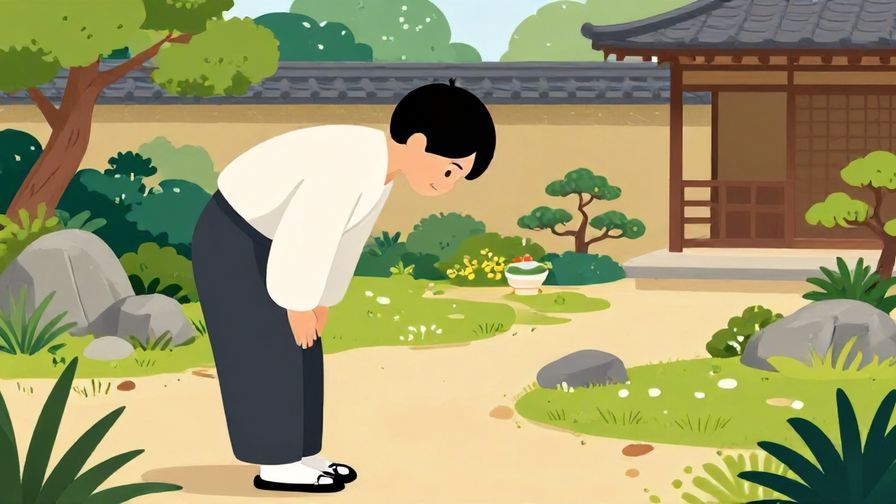
This is the polite and formal way to say “You’re cute.”
“あなたは” (anata wa) means “you are,” and “です” (desu) adds politeness.
It’s suitable for strangers, acquaintances, or when you want to be respectful.
It’s less casual and more neutral, so it fits well in formal settings.
For example, complimenting a co-worker or a classmate you don’t know well.
Use this to show kindness without being overly familiar.
10. とてもかわいいです (Totemo kawaii desu) – “Very cute” (polite)

“とても” (totemo) means “very,” so this is the polite way to say “You’re very cute.”
Adding “です” keeps it respectful and proper.
This phrase is perfect if you want to compliment someone politely but genuinely.
Use it in formal conversations or when you want to sound refined.
For instance, greeting a new friend’s family member or a client.
It’s sweet and appropriate for many situations.
11. かわいらしいですね (Kawairashii desu ne) – “You’re lovely, aren’t you?”

“かわいらしい” (kawairashii) is a more refined way to say “cute” or “lovely.”
The polite ending “ですね” (desu ne) invites a gentle agreement.
This phrase is elegant and often used in formal or semi-formal contexts.
It expresses a charming and delicate kind of cuteness.
For example, complimenting someone’s manners, style, or aura.
It’s a great phrase to elevate your compliment with grace.
12. 素敵ですね (Suteki desu ne) – “You’re wonderful” (polite, charming)

While not a direct translation of “cute,” “素敵” (suteki) means “wonderful” or “lovely.”
It’s often used politely to compliment someone’s overall charm or style.
Adding “ですね” (desu ne) makes it gentle and conversational.
This phrase is great when you want to compliment someone politely but with a broader, more elegant meaning.
For example, after meeting someone who made a great impression.
It’s a classy option when “かわいい” feels too casual.
13. 愛らしいですね (Airashii desu ne) – “You’re adorable, aren’t you?”

“愛らしい” (airashii) means “adorable” or “lovable.”
This is a polite and slightly poetic way to say someone is cute.
It’s often used for children, pets, or someone with a gentle charm.
Adding “ですね” (desu ne) softens the phrase and invites agreement.
Use this when you want to sound warm, respectful, and a bit poetic.
It’s a lovely phrase for heartfelt compliments.
14. 純粋にかわいいです (Junsui ni kawaii desu) – “Purely cute” (polite)

This phrase emphasizes “pure” cuteness with “純粋に” (junsui ni), meaning “purely.”
It’s polite and adds a layer of sincerity and innocence.
Great for conveying genuine admiration in a respectful way.
Use it when you want to highlight a natural, unpretentious kind of cuteness.
For example, complimenting a child’s smile or natural charm.
It’s a sweet and heartfelt expression.
15. とても愛しいです (Totemo itoshii desu) – “You’re very adorable” (polite)

“愛しい” (itoshii) means “adorable” or “beloved.”
Paired with “とても” (totemo) and polite “です” (desu), it’s a strong, respectful compliment.
It conveys affection with a formal tone.
Perfect for expressing deep fondness politely.
For example, in a romantic or respectful context.
It’s a beautiful phrase for meaningful compliments.
16. おしゃれでかわいいですね (Oshare de kawaii desu ne) – “You’re stylish and cute”

This phrase compliments both style and cuteness.
“おしゃれ” (oshare) means “stylish” or “fashionable,” and “で” connects it to “かわいい” (cute).
It’s polite and warm with “ですね.”
Great for complimenting someone’s overall look.
For example, commenting on a friend’s new outfit.
It’s flattering and well-rounded.
Part 3: Very Casual / Native-Like Expressions
17. かわいすぎ (Kawai sugi) – “Too cute” (slang)

This is a shortened slang version of “かわいすぎる” often used in texting or casual speech.
It’s quick, playful, and popular among young people online.
Perfect for informal chats or social media comments.
Use it when you want to express excitement in a fun way.
For example, reacting to a cute photo.
It’s trendy and full of youthful energy.
18. まじかわいい (Maji kawaii) – “Seriously cute”

“まじ” (maji) means “seriously” or “really,” adding emphasis.
Paired with “かわいい,” it’s a casual and strong compliment among friends.
Use it to highlight genuine amazement at cuteness.
Perfect for informal settings and close relationships.
For example, “まじかわいい!” after seeing a cute outfit.
It sounds natural and enthusiastic.
19. かわいすぎワロタ (Kawai sugi warota) – “Too cute, lol”

This phrase combines “too cute” with “ワロタ” (warota), a slang for “lol.”
It’s very casual and internet-savvy, used to react playfully.
Perfect for texting or social media among friends.
Use it when something is adorably funny or over-the-top cute.
It’s expressive and fun, but not for formal use.
Great for adding humor to your compliments.
20. かわいいじゃんそれ (Kawaii jan sore) – “That’s cute, you know?”

A very casual and conversational phrase combining “かわいいじゃん” with “それ” (that/it).
It points to something specific the other person did or has.
Use it for playful teasing or casual compliments.
It feels natural in everyday talk with friends.
Example: noticing a cute accessory and saying, “かわいいじゃんそれ!”
It’s informal and expressive.
21. ぴえん、かわいい (Pien, kawaii) – “Aww, so cute” (cute slang)

“ぴえん” (pien) is a cute slang word expressing mild sadness or being touched, often used online.
Pairing it with “かわいい” makes it a sweet, playful reaction to something adorable.
Popular among young people and in social media culture.
Use it to convey warm feelings mixed with a bit of cute emotion.
Example: reacting to a cute puppy video, “ぴえん、かわいい!”
It’s trendy and full of personality.
22. キュンとした (Kyun to shita) – “My heart skipped a beat” (cute feeling)

This phrase literally means “I felt a kyun,” where “kyun” is a sound effect for a heart-throbbing feeling.
It’s a way to express that something or someone made your heart flutter because of cuteness or charm.
It’s more about your reaction than a direct compliment but often implies “you’re cute.”
Use it when something melts your heart in a sweet way.
For example, after a cute gesture, you might say, “キュンとした。”
It’s poetic and emotionally expressive.
Concluding Thought
Exploring these 22 ways to say “You’re cute” in Japanese opens up a delightful world of expression—from casual and playful to polite and heartfelt.
Each phrase carries its own vibe, helping you connect more deeply and naturally with Japanese speakers.
So go ahead, try them out, and let your words bring a smile to someone’s face!