22 Japanese ways to say “Happy Birthday”
Birthdays are special no matter where you are, and saying “Happy Birthday” in another language is a heartfelt way to show you care. Japanese offers a variety of ways to express birthday wishes, each with its own nuance and charm.
Whether you’re celebrating a close friend, a colleague, or someone you admire, knowing how to say “Happy Birthday” in Japanese can make your greeting extra meaningful.
In this list, you’ll discover 22 ways to say “Happy Birthday” in Japanese, each with a little explanation to help you get it just right.
From casual and fun to polite and formal, plus some native-like expressions, this guide covers it all with warmth and simplicity.
Try a few of these phrases out loud and see how they can brighten someone’s day in a uniquely Japanese way.
Let’s dive in and make your next birthday greeting unforgettable!
Understanding Birthday Greetings in Japanese
Japanese birthday greetings often revolve around the phrase “お誕生日おめでとう” (Otanjoubi omedetou), which literally means “Congratulations on your birthday.”
There are slight variations depending on how casual or formal you want to be, and sometimes people add other words to personalize the wish.
Learning these variations can help you adapt your message to different relationships and occasions.
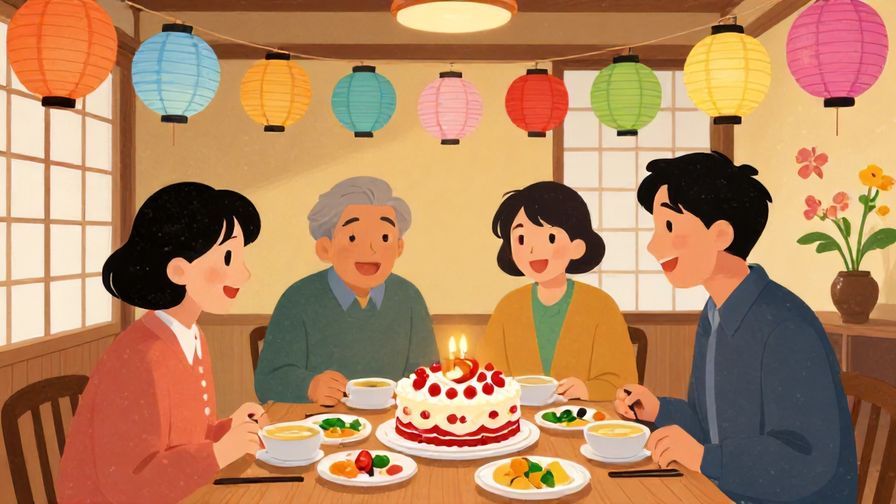
If you’re just starting out, a great beginner phrasebook can be a handy companion for mastering these greetings.
With a little practice, you’ll be confidently wishing “Happy Birthday” in Japanese in no time.
Let’s get started with some casual and friendly ways to say it!
Part 1: Casual Suggestions
1. お誕生日おめでとう (Otanjoubi omedetou) – “Happy Birthday”

This is the most common and straightforward way to say “Happy Birthday” in Japanese.
“お誕生日” (Otanjoubi) means “birthday,” and “おめでとう” (omedetou) means “congratulations.” Put together, it’s a cheerful way to celebrate someone’s special day.
It’s perfect for friends, family, and casual acquaintances.
Just say it brightly and with a smile!
For a slightly more polite version, you can add “ございます” (gozaimasu) at the end.
Try this phrase first to get comfortable with birthday greetings in Japanese.
2. お誕生日おめでとうございます (Otanjoubi omedetou gozaimasu) – Polite “Happy Birthday”
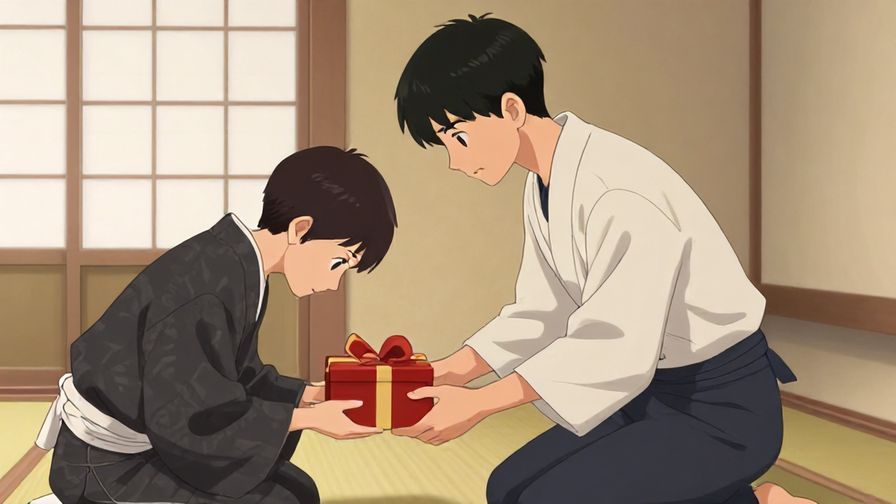
This is the polite, formal way to say “Happy Birthday,” great for colleagues, superiors, or anyone you want to show respect to.
Adding “ございます” (gozaimasu) makes it more formal and respectful.
It’s easy to remember since it’s just the casual phrase with a polite ending.
Use this in work settings or when addressing someone older.
A common mistake is to forget the polite ending in formal situations—so don’t skip “ございます.”
Example: Saying it to a teacher or boss will show you care and respect the relationship.
3. 誕生日おめでとう (Tanjoubi omedetou) – Shortened Casual Version

This is a slightly shortened form of the phrase, dropping the honorific “お” (o) before “誕生日”.
It’s common among close friends or younger people who prefer a casual vibe.
It’s quick, friendly, and easy to say.
Use it with peers or family members who prefer informal speech.
Note: Avoid this with people you don’t know well or in formal situations.
Try this version when texting or chatting casually with friends.
4. ハッピーバースデー (Happii baasudee) – “Happy Birthday” (Loanword)

This is the Japanese pronunciation of the English phrase “Happy Birthday,” borrowed directly into Japanese.
It’s fun, casual, and trendy, especially popular among younger generations.
Easy to remember because it sounds just like English!
Use it when you want to sound playful or modern.
Be mindful that it might sound too casual or informal in serious settings.
This phrase is perfect for parties and social media posts.
5. おめでとう (Omedetou) – “Congratulations”

This simple word means “congratulations” and can be used for birthdays among close friends.
It’s very casual and friendly, often used when the birthday context is clear.
Easy to say and feels warm and spontaneous.
Perfect for quick greetings or texting.
Just remember it’s not specific to birthdays, so use it when the occasion is obvious.
Pair it with a smile or a hug for extra warmth.
6. 素敵な誕生日を! (Suteki na tanjoubi wo!) – “Have a wonderful birthday!”

This phrase wishes someone a “wonderful birthday” rather than just saying “happy birthday.”
“素敵な” (suteki na) means “lovely” or “wonderful,” adding a nice flavor to your greeting.
It’s casual but heartfelt.
Great to use alongside the standard “お誕生日おめでとう.”
Helps personalize your wishes and show you care about their day.
Try this to sound a bit more poetic and thoughtful.
7. 楽しい誕生日を! (Tanoshii tanjoubi wo!) – “Have a fun birthday!”

This phrase encourages the birthday person to have a fun, enjoyable day.
“楽しい” (tanoshii) means “fun” or “enjoyable.”
It’s casual and energetic, great for friends and family.
Use it when you want to sound lively and upbeat.
It’s a nice alternative to the standard greetings.
Practice it to add some cheer to your wishes.
8. 素晴らしい一年になりますように! (Subarashii ichinen ni narimasu you ni!) – “Wishing you a wonderful year!”

This phrase wishes the person a wonderful year ahead, not just a happy birthday.
“素晴らしい” (subarashii) means “wonderful,” and “一年” (ichinen) means “one year.”
It’s a thoughtful way to add depth to your birthday greeting.
Great for someone you care about deeply.
Use it to sound warm and sincere.
Try combining it with “お誕生日おめでとう” for a fuller message.
Part 2: Polite & Formal Suggestions
9. ご生誕おめでとうございます (Goseitan omedetou gozaimasu) – “Formal Congratulations on Birth”
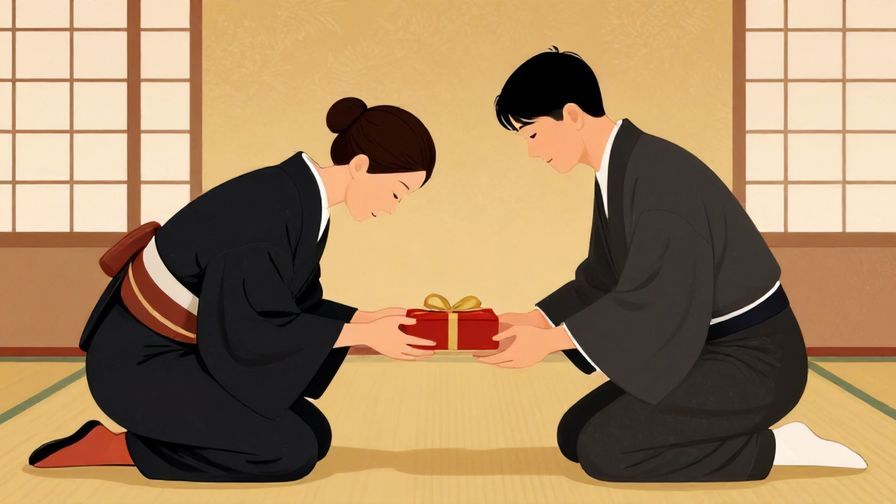
This is a very formal and respectful way to say happy birthday, often used in official speeches or written messages.
“ご生誕” (goseitan) is a formal word for “birth.”
Adding “ございます” (gozaimasu) makes it polite.
It’s best suited for official occasions or very respectful contexts.
Avoid using it casually, as it might sound stiff.
Perfect for business cards or formal letters.
10. お誕生日お祝い申し上げます (Otanjoubi oiwai moushiagemasu) – “I humbly offer birthday congratulations”
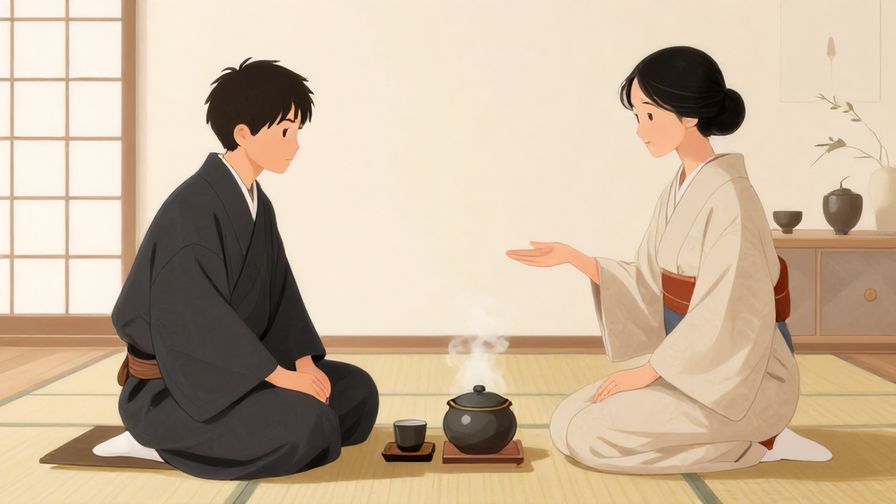
This phrase is a formal, humble way to congratulate someone on their birthday.
“お祝い申し上げます” (oiwai moushiagemasu) means “I humbly offer congratulations.”
It’s very polite and used in formal writing or speeches.
Great for addressing clients or elders.
Don’t use this casually, or it might sound overly stiff.
Practice this if you want to impress with your formal Japanese.
11. お誕生日おめでとうございます。健康と幸せを祈ります (Otanjoubi omedetou gozaimasu. Kenkou to shiawase wo inorimasu) – “Happy Birthday. Wishing you health and happiness.”
This is a polite greeting combined with a wish for health and happiness.
“健康” (kenkou) means “health” and “幸せ” (shiawase) means “happiness.”
It’s thoughtful and shows you care about their wellbeing.
Perfect for acquaintances or formal friends.
Try adding personal wishes like this to make greetings more meaningful.
This phrase is a great way to sound warm yet polite.
12. お誕生日お祝い申し上げます。これからのご多幸をお祈りします (Otanjoubi oiwai moushiagemasu. Korekara no gotakou wo oinori shimasu) – “Humbly celebrating your birthday. Wishing you much happiness ahead.”
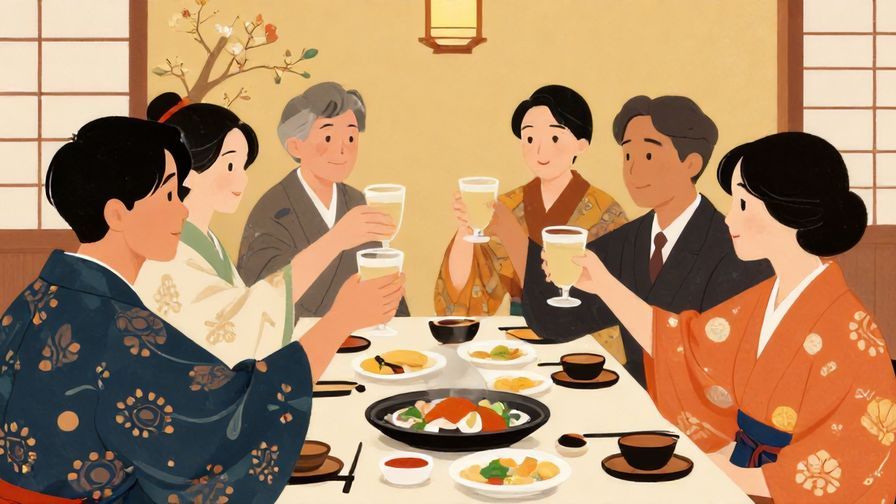
This is a very formal birthday congratulation with a wish for continued happiness.
“ご多幸” (gotakou) means “much happiness” and is very respectful.
Use this in formal letters or speeches.
It’s polite and shows deep respect.
Avoid using it in casual conversation.
Perfect for company events or official celebrations.
13. 心よりお誕生日おめでとうございます (Kokoro yori otanjoubi omedetou gozaimasu) – “Heartfelt Happy Birthday”
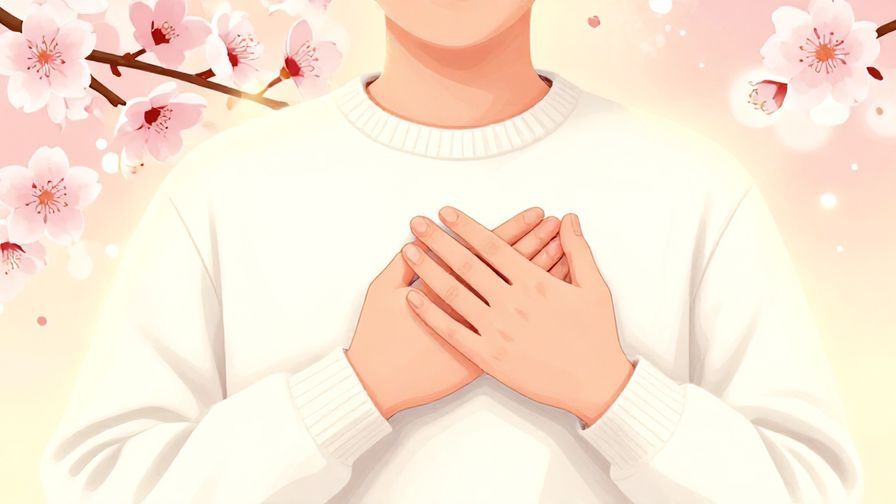
This phrase adds “心より” (kokoro yori), meaning “from the heart,” to express sincerity.
It’s polite, warm, and genuine.
Great for heartfelt cards or messages to someone you respect.
It’s a lovely way to show deep feelings.
Combine it with polite forms for best effect.
Use it to sound both formal and affectionate.
14. お誕生日おめでとうございます。素敵な一年になりますように (Otanjoubi omedetou gozaimasu. Suteki na ichinen ni narimasu you ni) – “Happy Birthday. Wishing you a wonderful year.”
This polite greeting includes a wish for a wonderful year ahead.
It combines celebration with good wishes.
Perfect for coworkers or formal friends.
Use it to add warmth to formal wishes.
It’s a nice blend of respect and friendliness.
Try practicing this for formal birthday cards.
15. お誕生日、心からお祝い申し上げます (Otanjoubi, kokoro kara oiwai moushiagemasu) – “From the heart, congratulations on your birthday.”
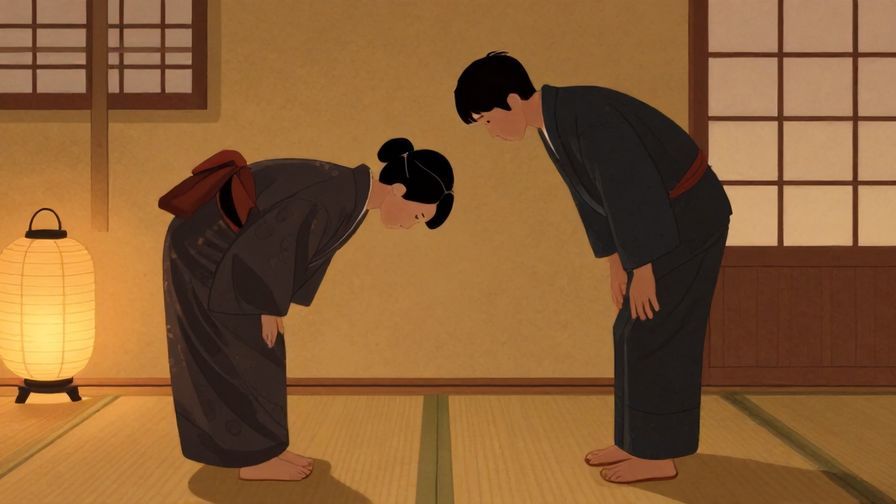
This is a humble and heartfelt formal way to offer birthday congratulations.
“心から” (kokoro kara) means “from the heart.”
It’s respectful and sincere.
Best used in letters or formal speeches.
Avoid casual use to maintain respectfulness.
Great for sending formal wishes with warmth.
16. お誕生日おめでとうございます。今後のご健康をお祈りします (Otanjoubi omedetou gozaimasu. Kongo no gokenkou wo oinori shimasu) – “Happy Birthday. Wishing you good health in the future.”

This phrase politely wishes good health for the future alongside a birthday greeting.
“ご健康” (gokenkou) is a respectful way to say “health.”
It’s appropriate for elders or formal acquaintances.
Use it to sound caring and respectful.
Perfect for cards or speeches.
Practice this to show thoughtful concern.
Part 3: Very Casual / Native-like Expressions
17. 誕生日おめ (Tanjoubi ome) – Very Casual “Happy Birthday”

This is a very casual slangy way to say “happy birthday.”
It drops the polite parts and shortens the phrase.
Used only between very close friends.
Great for text messages or social media.
Not for formal or unfamiliar settings.
Use it to sound relaxed and friendly.
18. ハピバ! (Hapiba!) – Slang for “Happy Birthday”

This is a trendy slang abbreviation of “ハッピーバースデー” (Happii baasudee).
It’s short, fun, and widely used by young people online.
Perfect for casual texts or chats.
Avoid in formal conversations.
Try this to sound hip and native-like.
Great for quick birthday shout-outs.
19. いい誕生日をね! (Ii tanjoubi wo ne!) – “Have a good birthday, okay?”

This is a casual, friendly way to wish someone a good birthday.
“いい” (ii) means “good,” and “ね” (ne) adds a soft, confirming tone.
It feels warm and conversational.
Great with friends or family.
Use it to sound natural and caring.
It’s easy to remember and say.
20. 誕生日楽しんで! (Tanjoubi tanoshinde!) – “Enjoy your birthday!”

This phrase encourages the person to have fun on their birthday.
“楽しんで” (tanoshinde) is the te-form of “楽しむ” (tanoshimu), meaning “to enjoy.”
It’s casual and energetic.
Perfect for friends or younger people.
Use it to add excitement to your wishes.
Try saying it with enthusiasm!
21. 誕生日おめでとう!最高の日にしてね (Tanjoubi omedetou! Saikou no hi ni shite ne) – “Happy Birthday! Make it the best day!”

This is a casual, enthusiastic birthday wish with a positive message.
“最高の日にしてね” (saikou no hi ni shite ne) means “make it the best day.”
It’s warm, encouraging, and native-sounding.
Use it with close friends or family.
It adds extra energy to your greeting.
Great for cards or chats.
22. これからもよろしくね!誕生日おめでとう (Korekara mo yoroshiku ne! Tanjoubi omedetou) – “Looking forward to more good times! Happy Birthday.”

This casual phrase combines a birthday wish with a phrase meaning “Let’s continue to get along well.”
“これからもよろしくね” (korekara mo yoroshiku ne) is often said between friends.
It adds warmth and a sense of ongoing friendship.
Perfect for close friends or partners.
Try this to add a personal touch to your birthday greetings.
It’s friendly, casual, and heartfelt.
Concluding Thought
Exploring these 22 Japanese ways to say “Happy Birthday” shows just how rich and nuanced this simple greeting can be.
From casual slang to formal expressions, each phrase carries its own warmth and meaning tailored to different people and occasions.
Now, you have a versatile toolkit to make your birthday wishes uniquely Japanese and truly heartfelt. Happy practicing and おめでとうございます!