22 Japanese ways to say “Don’t Worry”
Feeling anxious or overwhelmed? Don’t worry, you’re not alone.
In Japanese, there are many warm and comforting ways to say “Don’t worry.”
Whether you want to reassure a friend or soothe yourself, these expressions have you covered.
From casual chats to polite conversations, these phrases will help you sound natural and caring.
Learning these can also brighten your day and deepen your connection with Japanese culture.
Ready to explore 22 heartwarming ways to say “Don’t worry” in Japanese? Let’s dive in!
Why Learning Different Ways to Say “Don’t Worry” Matters
Japanese language offers nuanced expressions that fit many situations.
Using the right phrase can show empathy, calm nerves, or even sound playful, depending on context.
It’s a handy skill for travelers, language learners, or anyone wanting to connect authentically.

If you want a great introduction to basic comforting phrases, check out this beginner Japanese phrasebook for easy access to common expressions.
Practicing these phrases will boost your confidence in casual and formal settings.
Let’s start with some casual suggestions you can use every day.
Part 1: Casual Suggestions
1. 心配しないで (Shinpai shinaide) – “Don’t worry.”

This is the most straightforward way to say “Don’t worry.”
“心配” (shinpai) means “worry,” and “しないで” (shinaide) means “don’t do.” Together, you get a clear and kind command: “Don’t worry.”
It’s great for reassuring friends or family in everyday conversations.
Just say it with a warm tone, and it works wonders.
You might hear the shorter “心配しない” (shinpai shinai) too, which is more casual.
Don’t be shy to use this phrase as often as you want—it’s super friendly and comforting.
2. 大丈夫だよ (Daijoubu da yo) – “It’s okay.”

“大丈夫” (daijoubu) literally means “all right” or “okay.”
Add “だよ” (da yo) for a soft, friendly emphasis, making it a gentle way to say “Don’t worry, it’s all good.”
It’s casual and widely used, perfect for texting or chatting with friends.
Remember, tone matters here; say it with warmth to sound reassuring.
People often respond with “ありがとう、大丈夫” (arigatou, daijoubu) meaning “Thanks, I’m okay.”
Using this phrase shows you care and are confident the situation will be fine.
3. 気にしないで (Ki ni shinaide) – “Don’t mind it.”

“気にする” (ki ni suru) means “to mind” or “to worry about.”
Adding “しないで” (shinaide) turns it into “Don’t mind” or “Don’t worry about it.”
This phrase is casual and perfect when someone is apologizing or feeling guilty unnecessarily.
It’s a great way to say, “It’s no big deal.”
Try pairing it with a cheerful smile to lighten the mood.
It’s a handy phrase that helps keep conversations relaxed and friendly.
4. なんとかなるよ (Nantoka naru yo) – “It’ll work out somehow.”

“なんとかなる” (nantoka naru) means “it’ll somehow be okay.”
The phrase is optimistic and casual, perfect for reminding yourself or others that things will sort out.
Adding “よ” (yo) makes it more encouraging and friendly.
Use this when you want to offer hope without sounding too formal.
It’s a culturally common way to express faith in the future.
Use it to lighten tension and inspire calm confidence.
5. 気楽にして (Kiraku ni shite) – “Take it easy.”

“気楽” (kiraku) means “easygoing” or “comfortable.”
“して” (shite) is the “do” command form, so together it means “Make yourself comfortable” or “Relax.”
This phrase is casual and perfect for telling someone to chill out.
It’s a warm, friendly way to say “Don’t worry, just be yourself.”
Try saying it when a friend seems tense or stressed.
It’s a gentle nudge toward calm and peace.
6. まあいいよ (Maa ii yo) – “It’s fine.”

“まあ” (maa) is like “well” or “so,” and “いい” (ii) means “good” or “okay.”
“よ” (yo) adds friendly emphasis.
Together, it’s a casual way to say “It’s fine” or “Don’t worry about it.”
It’s useful for forgiving minor mistakes or dismissing concerns lightly.
Though casual, it’s warm and reassuring when said with a smile.
It helps keep conversations easy and relaxed.
7. 心配ないよ (Shinpai nai yo) – “No worries.”

“心配” (shinpai) means “worry,” and “ない” (nai) means “there is none.”
Adding “よ” (yo) softens the statement to feel friendly and reassuring.
This phrase is a confident way to say “There’s nothing to worry about.”
Perfect when you want to sound positive and supportive.
It’s like telling someone “Relax, I’ve got this.”
Say it when you want to clear the air and boost confidence.
8. 気にしなくていいよ (Ki ni shinakute ii yo) – “You don’t have to worry about it.”

This is a slightly longer, softer way to say “Don’t worry.”
“気にしなくて” (ki ni shinakute) means “without worrying,” and “いいよ” (ii yo) means “it’s okay.”
It’s polite yet casual, great for comforting someone politely without pressure.
Use it when you want to show understanding and kindness.
It’s especially good in conversations where the other person feels responsible.
This phrase reassures gently and respectfully.
Part 2: Polite & Formal Suggestions
9. ご心配なく (Goshinpai naku) – “Please don’t worry.”
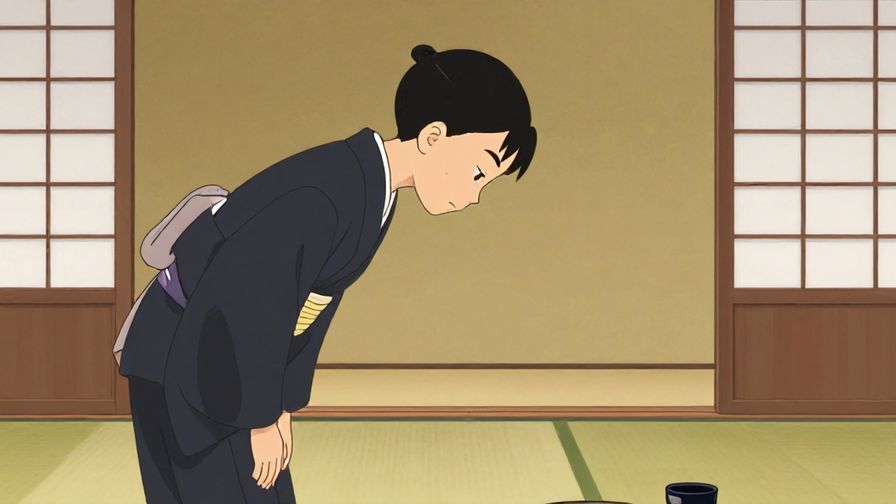
“ご” (go) is an honorific prefix, “心配” (shinpai) is “worry,” and “なく” (naku) means “without.”
This phrase is very polite and often used in formal or business contexts.
It’s a respectful way to tell someone not to worry.
Use it in emails, speeches, or formal conversations.
It sounds professional and courteous without being cold.
Perfect for reassuring clients or elders politely.
10. ご安心ください (Go anshin kudasai) – “Please rest assured.”

“ご” (go) is honorific, “安心” (anshin) means “peace of mind,” and “ください” (kudasai) means “please.”
It’s a polished and comforting phrase used in formal situations.
Perfect for customer service or reassuring someone you respect.
It implies “Please don’t worry; everything is handled.”
Use it when you want to sound both professional and warm.
A great phrase to keep in your polite conversation toolkit.
11. 問題ありません (Mondai arimasen) – “There’s no problem.”

“問題” (mondai) means “problem,” and “ありません” (arimasen) means “there isn’t.”
This phrase is formal and straightforward to assure someone all is fine.
It’s useful in work settings or when you want to sound professional.
It’s polite but less emotional, so best for practical reassurance.
Good for emails, meetings, or official conversations.
Use it to confidently affirm that worries are unnecessary.
12. ご安心をお約束します (Go anshin o oyakusoku shimasu) – “I promise you peace of mind.”

This phrase is a formal promise to reassure someone deeply.
“ご安心” (go anshin) means “peace of mind,” “お約束します” (oyakusoku shimasu) means “I promise.”
It’s a strong and polite way to say “Don’t worry, I guarantee it.”
Perfect for serious situations where trust is important.
Use it to build confidence and reduce anxiety formally.
It shows commitment to easing someone’s worries.
13. ご心配いただかなくて結構です (Goshinpai itadakunakute kekkou desu) – “You don’t need to worry.”
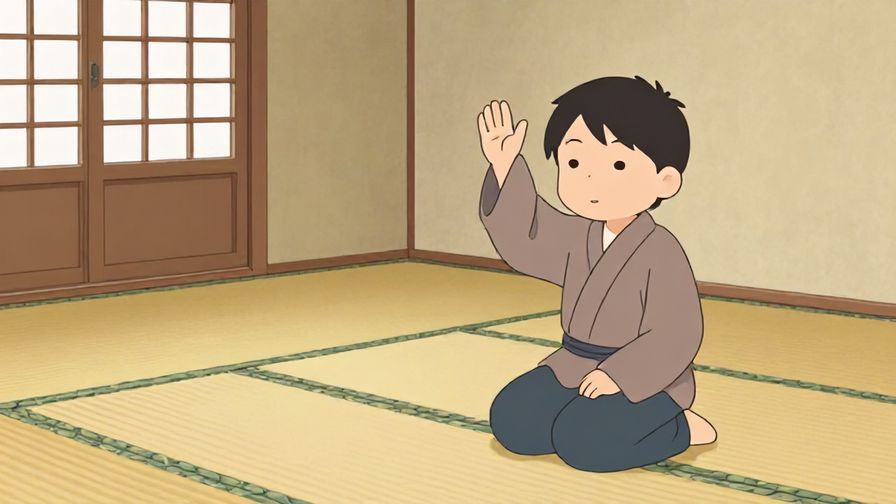
This is a very formal and respectful way to tell someone not to worry.
“ご心配” (goshinpai) is “worry” with honorific, “いただかなくて” (itadakunakute) means “without receiving,” and “結構です” (kekkou desu) means “that’s fine.”
It’s often used in written communication or very polite speech.
Use it when you want to be extremely courteous and clear.
Best for addressing clients, elders, or in official announcements.
It’s a polished phrase to keep handy when you want to impress with politeness.
14. どうぞご安心ください (Douzo go anshin kudasai) – “Please rest assured.”

“どうぞ” (douzo) means “please,” making this phrase very polite and inviting.
It’s a gentle and respectful way to tell someone not to worry.
Common in customer service and formal conversations.
It invites the listener to relax fully and trust the situation.
Say this when you want to sound both warm and professional.
This phrase is a wonderful addition to formal reassuring language.
15. ご安心してお待ちください (Go anshin shite omachi kudasai) – “Please wait with peace of mind.”

This polite phrase combines “ご安心して” (go anshin shite) – “rest assured” – with “お待ちください” (omachi kudasai) – “please wait.”
It’s perfect for situations where someone must wait but you want to reassure them.
Common in customer service or medical settings.
It helps reduce stress while waiting for important news or service.
Use it to show care and professionalism at the same time.
It’s a phrase that balances patience and comfort.
16. 心配ご無用です (Shinpai go muyou desu) – “No need to worry.”

“心配” (shinpai) means “worry,” “ご無用” (go muyou) means “unnecessary,” and “です” (desu) makes it polite.
This formal phrase means there’s absolutely no need to worry.
It’s often used in announcements or formal writing.
It sounds confident and decisive, ensuring clarity.
Great for official reassurance or serious situations.
A strong phrase that clearly puts concerns to rest.
Part 3: Very Casual / Native-like Expressions
17. 大丈夫だって! (Daijoubu datte!) – “I said it’s okay!”

This phrase adds “って” (tte) for emphasis, like “I’m telling you it’s okay!”
It’s very casual and often used among close friends or family.
It’s a fun, lively way to reassure someone who’s doubting.
Use it to sound more natural and expressive.
Be careful with tone—it’s playful, so best with people you know well.
This phrase shows warmth and a bit of humor.
18. まぁね (Maa ne) – “Well, yeah.” (Don’t worry about it.)

“まぁね” (maa ne) is short and casual, often meaning “Well, that’s how it is.”
It implies “Don’t worry too much” or “It’s not a big deal.”
Used often in everyday chats among friends.
It’s a laid-back way to brush off worries.
Great for sounding like a native speaker in informal settings.
Try it when you want to sound cool and easygoing.
19. 気にすんなよ (Ki ni sunna yo) – “Don’t worry about it.”

“気にするな” (ki ni suru na) means “Don’t worry,” and “すんな” (sunna) is a more casual contraction.
Adding “よ” (yo) makes it friendly and assertive.
This is very casual and often used by men or close friends.
It’s a straightforward way to say “Forget it” or “No worries.”
Great for informal situations but avoid in polite contexts.
Use it to sound relaxed and confident with people you know well.
20. なんとかなるさ (Nantoka naru sa) – “It’ll work out, you know.”

This phrase is a casual variant of “なんとかなるよ.”
Adding “さ” (sa) makes it sound more masculine and confident.
It’s a common way to express hope and ease among friends.
Use it when you want to sound natural and reassuring.
It’s perfect for informal chats and showing optimism.
Try it to add a native touch to your casual Japanese.
21. 気にすんなって! (Ki ni sunna tte!) – “I said, don’t worry!”

This is a more emphatic, casual version of “気にすんなよ.”
“って” (tte) adds a sense of “I’m telling you” or “Listen.”
Very informal and friendly, often used in playful teasing.
Great among close friends to lighten the mood.
Use it to sound lively and natural in casual conversations.
It’s like saying “Seriously, don’t worry!” with a smile.
22. 心配すんな (Shinpai sunna) – “Don’t worry.” (Very casual)

This is a very casual, masculine way to say “Don’t worry.”
“すんな” (sunna) is a contraction of “するな” (don’t do), paired with “心配” (shinpai) for “worry.”
It’s best used with close friends or younger people.
Not suitable for formal or polite contexts.
It’s short, confident, and to the point.
Use it to sound relaxed and very native-like in casual speech.
Concluding Thought
Exploring these 22 ways to say “Don’t worry” in Japanese shows just how rich and expressive the language is.
From gentle reassurances to confident declarations, each phrase carries warmth and cultural nuance.
Keep practicing, and you’ll soon find the perfect phrase for every comforting moment in your Japanese conversations.