22 Japanese ways to say “I’m Nervous”
Feeling nervous is something we all go through, no matter where we come from. Japanese has so many ways to express that fluttery feeling in your chest.
Whether it’s a big test, a first date, or just speaking in front of others, knowing how to say “I’m nervous” can help you connect and express yourself better.
This list will guide you through 22 different Japanese phrases, from casual and fun to polite and formal, plus some native-like expressions you’ll love.
Each phrase comes with a pronunciation guide and a quick explanation, so you can pick the right one for any situation.
Plus, you’ll get little tips on how to remember them and use them naturally, making your Japanese more real and relatable.
Ready? Let’s dive into the many ways to say “I’m nervous” in Japanese!
Understanding Nervousness in Japanese
Nervousness can be expressed in many different ways in Japanese, depending on the context and the level of formality.
The language offers a rich palette of words and phrases that capture everything from mild butterflies to full-on anxiety.
Learning these phrases will not only boost your vocabulary but also help you feel more comfortable in social situations.

Sometimes, using a great Japanese language learning book can give you a perfect starting point for a cohesive understanding.
Familiarity with these expressions helps you recognize nervousness in conversations too.
Once you know the words, you can practice using them in everyday Japanese!
Part 1: Casual Suggestions
1. 緊張してる (Kinchou shiteru) – “I’m nervous.”
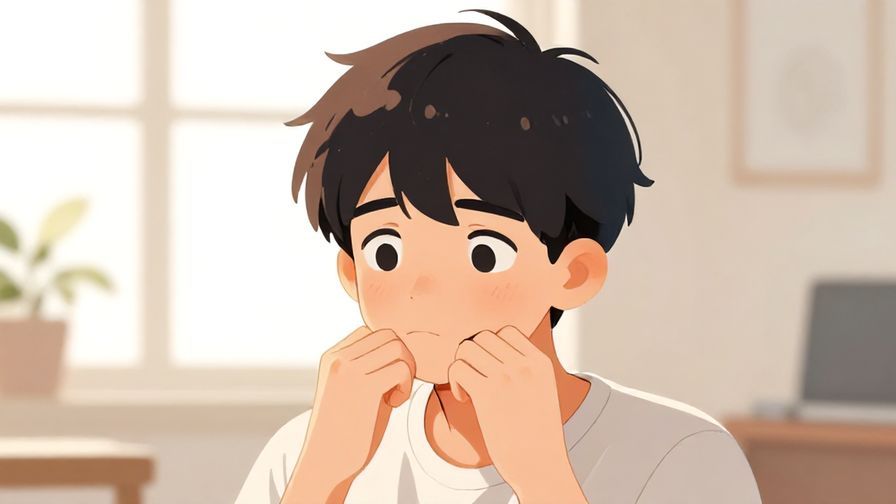
This is the most straightforward way to say “I’m nervous” in casual Japanese.
緊張 (Kinchou, kin-choh) means “nervousness” or “tension,” and してる (shiteru) is the casual form of “doing.” So it literally means “I am doing nervousness.”
It’s commonly used among friends or in relaxed settings.
Just say it when you want to admit to feeling nervous simply and clearly.
You can also say 緊張しています (Kinchou shiteimasu) for a bit more polite tone.
Practice it by paying attention to when you feel nervous and saying it out loud to get comfortable.
2. ドキドキする (Dokidoki suru) – “My heart is pounding.”

ドキドキ (Dokidoki, doh-kee-doh-kee) is an onomatopoeia for the sound of a pounding heart.
It’s a cute and vivid way to say you’re nervous or excited.
Adding する (suru, “to do”) makes it a verb phrase meaning “my heart is pounding.”
Use it when your nervousness is mixed with excitement, like a first date or a fun event.
Be careful not to confuse it with pure excitement; context matters!
Try saying it when your heart races to remember this phrase easily.
3. 緊張してきた (Kinchou shite kita) – “I’m starting to get nervous.”
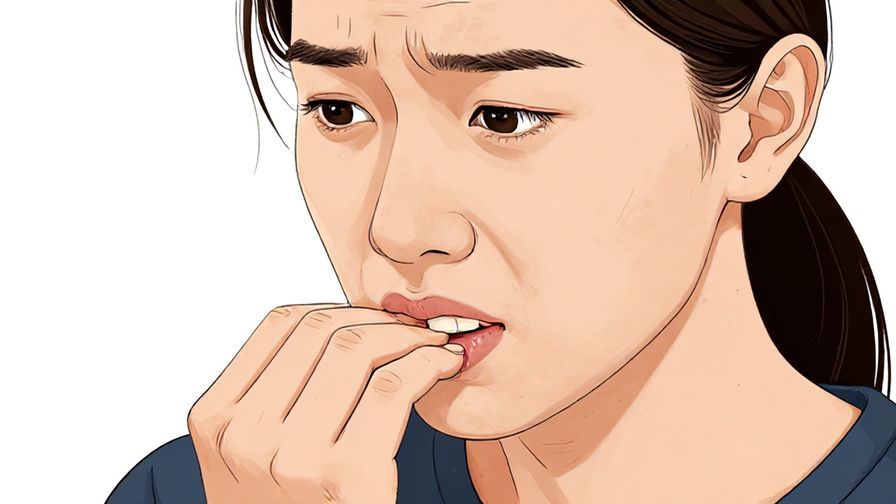
This phrase shows the process of becoming nervous.
きた (kita, “came”) here means “starting” or “coming on,” so 緊張してきた means “nervousness has come.”
It’s handy when you feel the nerves creeping in, but you’re not fully overwhelmed yet.
It’s casual and perfect for conversations with friends or coworkers.
You could also say 緊張してきました (kinchou shite kimashita) for a polite version.
Use this when you want to describe how your feelings are changing.
4. ちょっと不安 (Chotto fuan) – “A little uneasy/nervous.”
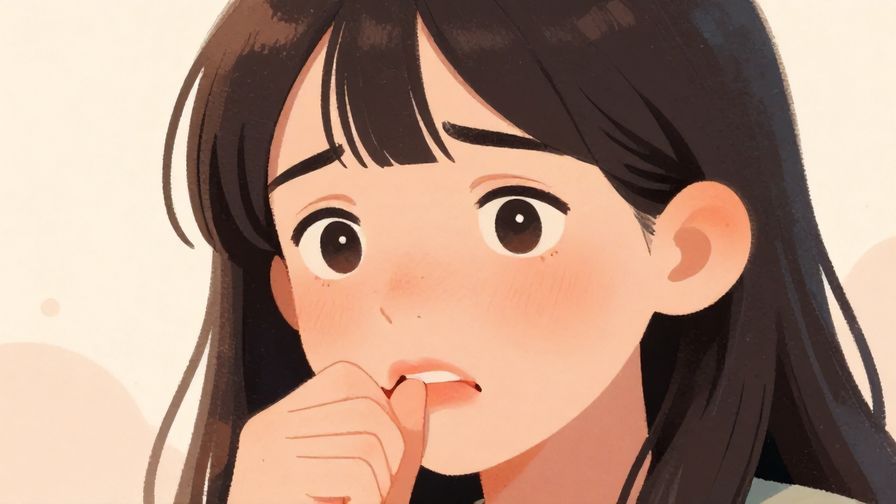
不安 (Fuan, foo-ahn) means “anxiety” or “unease,” and ちょっと (chotto) means “a little.”
This phrase expresses mild nervousness or worry.
It’s great if you want to sound gentle and less intense.
Perfect for sharing your feelings without sounding too dramatic.
Be mindful that it leans more toward uneasiness than excitement.
Practice using this when you feel a bit worried about something small.
5. 緊張MAX (Kinchou MAX) – “Nervous to the max.”
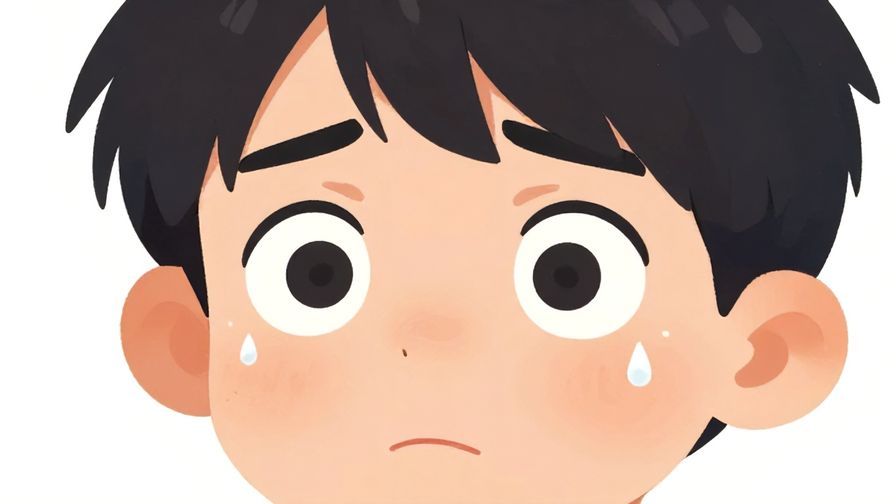
This playful phrase mixes Japanese with English for an expressive, casual effect.
MAX means maximum, so 緊張MAX means “super nervous.”
It’s perfect for texting or casual chats where you want to emphasize your nerves dramatically.
Use it among friends who understand playful slang.
Don’t use it in formal situations!
Try saying it to your friends when you want to confess extreme nervousness with humor.
6. ドキドキしてる (Dokidoki shiteru) – “My heart is pounding (casual).”
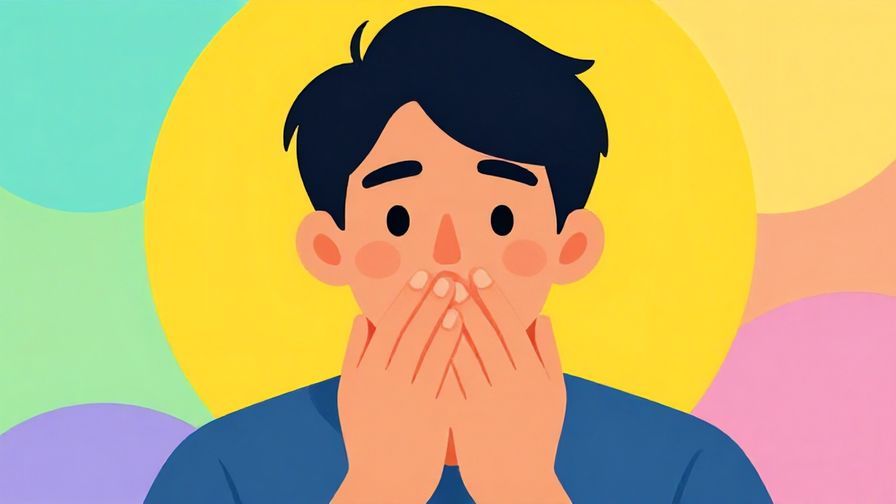
This is a casual way to say your heart is pounding, similar to ドキドキする but more conversational.
It’s great for everyday conversations about nervous feelings.
You can use it with friends or family.
It’s easy to remember because it’s just the onomatopoeia plus the casual verb ending.
Be sure to use the right tone to match your nervous energy.
Practice by imagining your heart beating fast and saying it aloud.
7. 緊張しちゃう (Kinchou shichau) – “I can’t help but get nervous.”
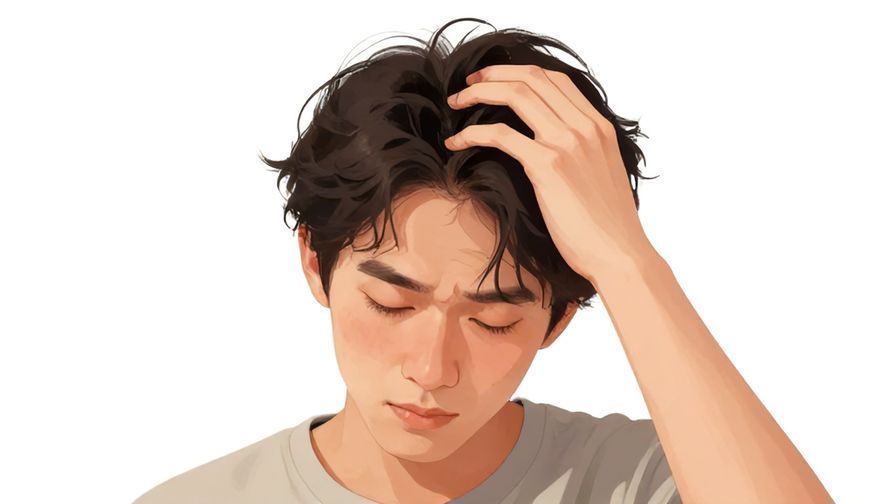
This phrase adds ちゃう (chau), a casual ending that means “can’t help but.”
It expresses that you naturally get nervous and can’t control it.
Perfect for casual chats when you want to admit your nerves honestly.
It’s a bit cute and relatable.
Don’t use in formal settings.
Try practicing this one when you feel your anxiety sneaking up.
8. 緊張が走る (Kinchou ga hashiru) – “Nervousness runs through me.”
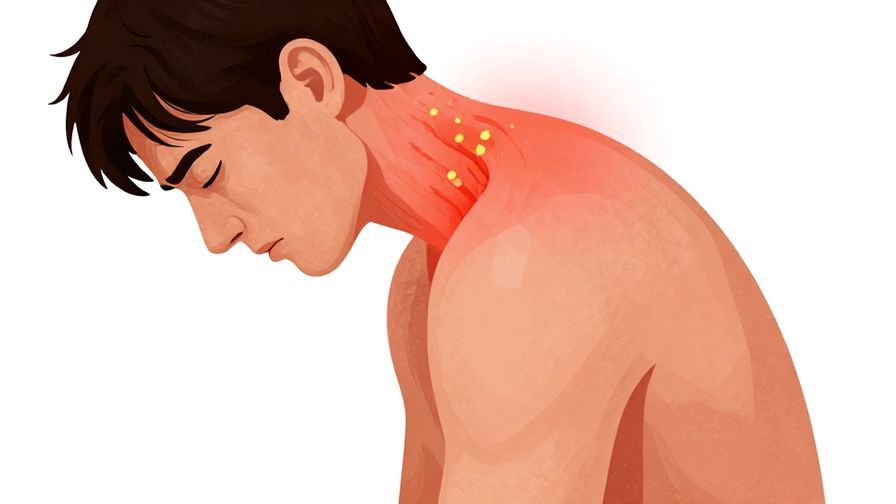
Here, 緊張 (kinchou) is the subject and 走る (hashiru, “to run”) is the verb.
This phrase paints a vivid picture of nervousness rushing through your body.
It’s more poetic and less common in daily speech, but great for writing or expressive moments.
You can use it when describing a sudden spike of nerves.
It’s perfect for storytelling or when you want to sound a little dramatic.
Try using it in writing or creative conversations.
Part 2: Polite & Formal Suggestions
9. 緊張しています (Kinchou shiteimasu) – “I am nervous.” (polite)

This is the polite version of 緊張してる, suitable for formal occasions.
Using しています (shiteimasu) instead of してる makes it polite and respectful.
Use this in work, school, or with people you don’t know well.
It’s simple and widely accepted.
You might hear this in interviews or presentations.
Practice by switching casual phrases to polite forms for more confidence.
10. 少し緊張しています (Sukoshi kinchou shiteimasu) – “I’m a little nervous.”

少し (Sukoshi, “a little”) softens the phrase to show mild nervousness politely.
It’s perfect for modesty in formal situations.
You can use this when you want to sound humble about your feelings.
It’s especially useful in interviews or speeches.
Combine it with polite forms to sound respectful.
Practice by adding 少し to your existing nervous phrases.
11. 緊張気味です (Kinchou gimi desu) – “I’m somewhat nervous.”
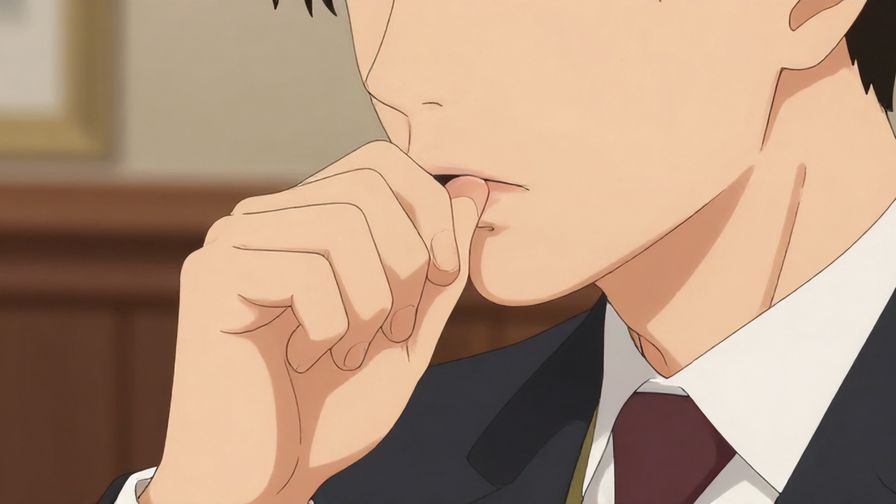
気味 (Gimi, pronounced “gee-mee”) means “a bit” or “tending to.”
So this phrase means you’re feeling a little nervous, in a polite way.
It’s less direct and softer than saying full-on nervous.
Great for formal emails or polite conversations.
Useful when you want to admit nerves without sounding too worried.
Try using this when giving honest but measured responses.
12. 少し緊張していますが、頑張ります (Sukoshi kinchou shiteimasu ga, ganbarimasu) – “I’m a little nervous, but I’ll do my best.”

This phrase shows a positive spin on nervousness by adding 頑張ります (ganbarimasu), “I’ll do my best.”
It’s polite and inspiring for situations like speeches, exams, or interviews.
Use it to show you’re aware of your nerves but ready to push through.
This phrase is encouraging and respectful.
Great for formal or semi-formal talks.
Practice by pairing nervous phrases with a hopeful follow-up.
13. 緊張しております (Kinchou shite orimasu) – “I am nervous.” (very formal)

This is a very formal and humble way to say “I’m nervous.”
おります (orimasu) is a humble form of “to be,” used in very polite or business Japanese.
Use this in formal speeches, business meetings, or letters.
It shows respect and seriousness about your feelings.
Not commonly used in casual conversation.
Try this if you want to sound very professional and polite.
14. 緊張して申し訳ありません (Kinchou shite moushiwake arimasen) – “I’m nervous, I apologize.”
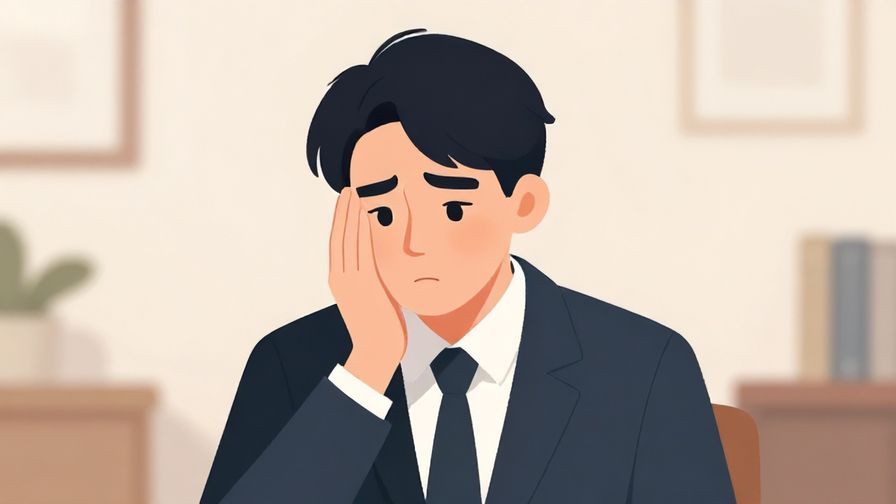
This phrase is useful when your nervousness might affect others, so you apologize.
申し訳ありません (moushiwake arimasen) is a formal apology meaning “I’m sorry.”
Use this in professional or formal situations where you want to be very polite.
It shows humility and awareness of your impact.
Not for casual use.
Try this in business or formal emails to express nervousness politely.
15. 緊張のあまり (Kinchou no amari) – “Due to extreme nervousness.”
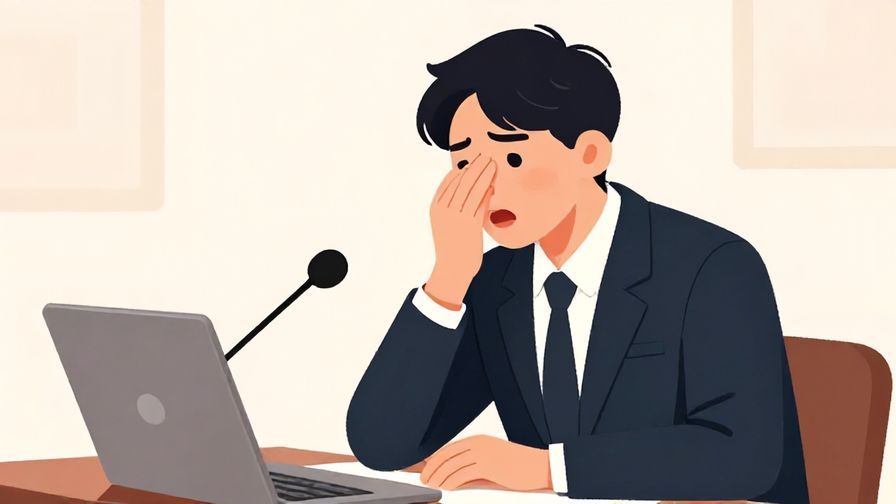
This phrase expresses nervousness so strong it causes a problem.
あまり (amari) means “too much” or “excess.”
Use it when explaining mistakes or slip-ups caused by nerves.
Common in formal apologies or explanations.
Good for showing responsibility in professional settings.
Practice using it to describe nervous mistakes politely.
16. 緊張していることをお許しください (Kinchou shite iru koto o oyurushi kudasai) – “Please forgive my nervousness.”
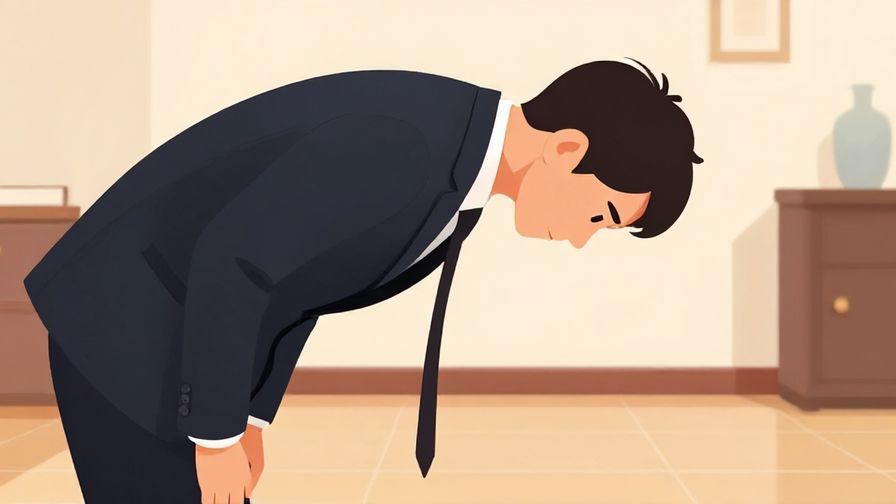
This is a very polite request for forgiveness due to nervousness.
お許しください (oyurushi kudasai) means “please forgive.”
Use it in formal apologies or presentations where nerves might have shown.
It’s humble and respectful.
Not for casual conversation.
Use it to show sincere remorse and politeness.
Part 3: Very Casual / Native-like Expressions
17. 手汗かいてる (Tease kaite ru) – “My hands are sweaty.”
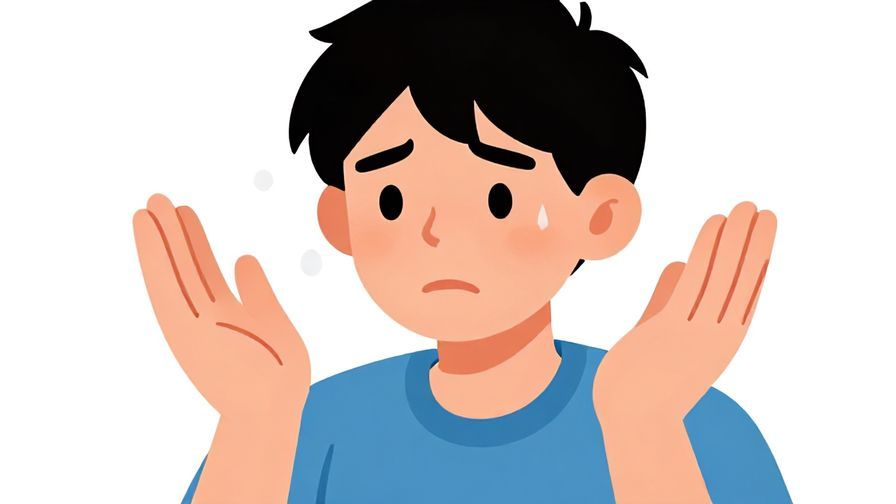
手汗 (Tease, teh-ah-sah) means “hand sweat.”
When you say 手汗かいてる, you’re saying your hands are sweating because of nerves.
This is a very casual, real-life way to express nervousness.
Native speakers often use this among friends.
It creates a vivid image of your physical nervousness.
Try using this phrase when chatting casually about feeling nervous.
18. ドキドキが止まらない (Dokidoki ga tomaranai) – “My heart won’t stop pounding.”
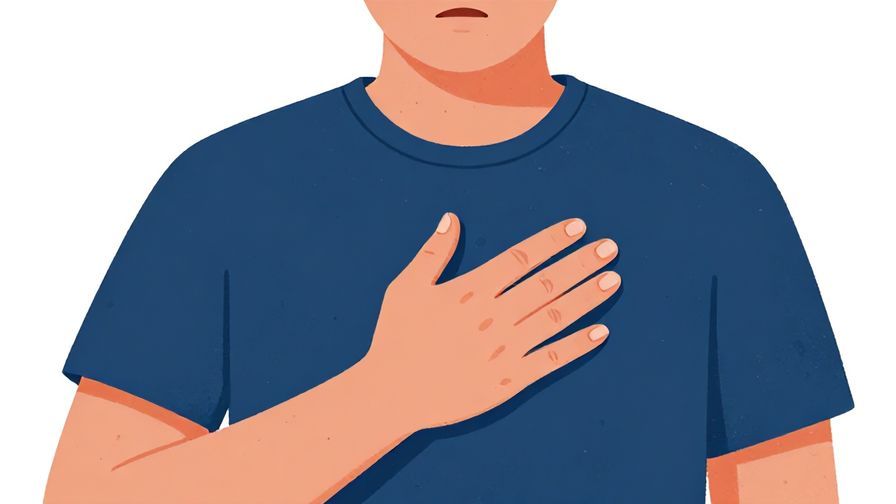
This phrase takes ドキドキ and adds が止まらない (ga tomaranai), meaning “won’t stop.”
It expresses strong, ongoing nervous excitement.
Perfect for romantic or thrilling moments.
Use it casually with close friends or partners.
It’s a bit dramatic, but very expressive.
Practice by imagining an unstoppable heartbeat and saying this aloud.
19. 緊張で汗だく (Kinchou de asedaku) – “Sweating buckets from nerves.”
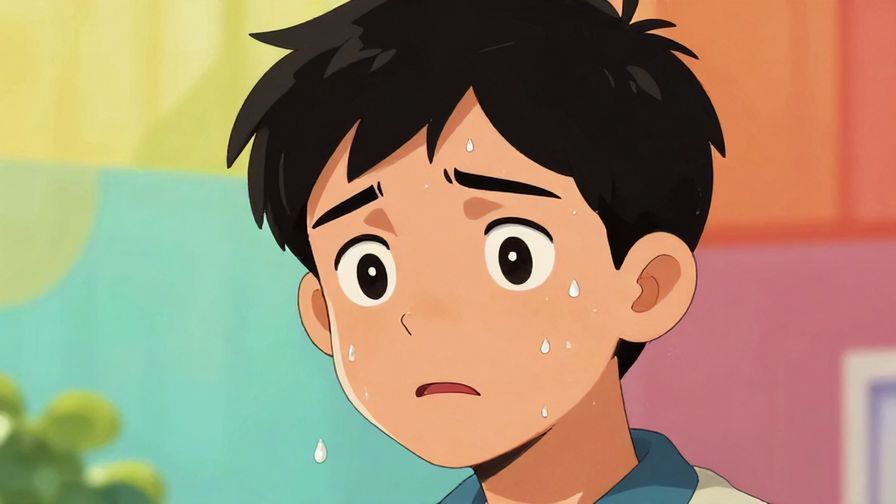
汗だく (Asedaku, ah-seh-dah-koo) means “soaked in sweat.”
Combined with 緊張, it paints a picture of intense nervousness causing heavy sweating.
This is very casual and vivid.
Use it humorously or to exaggerate your nerves.
Great among friends or social media posts.
Try using it when you want to share your sweaty nervous moments.
20. ビビってる (Bibitteru) – “I’m freaking out.”
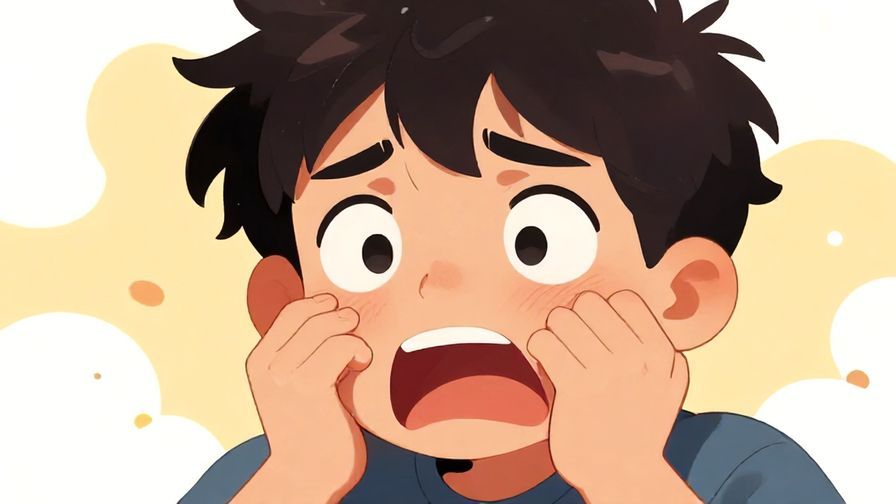
ビビる (Bibiru) is a slang verb meaning “to be scared” or “to freak out.”
ビビってる is the casual present continuous form meaning “I’m freaking out.”
It’s very informal and native-like, often used by younger people.
Use it to admit you’re nervous or scared in a fun way.
Not appropriate for formal settings.
Try using it in casual conversations to sound more natural.
21. 腹が痛い (Hara ga itai) – “My stomach hurts (from nerves).”
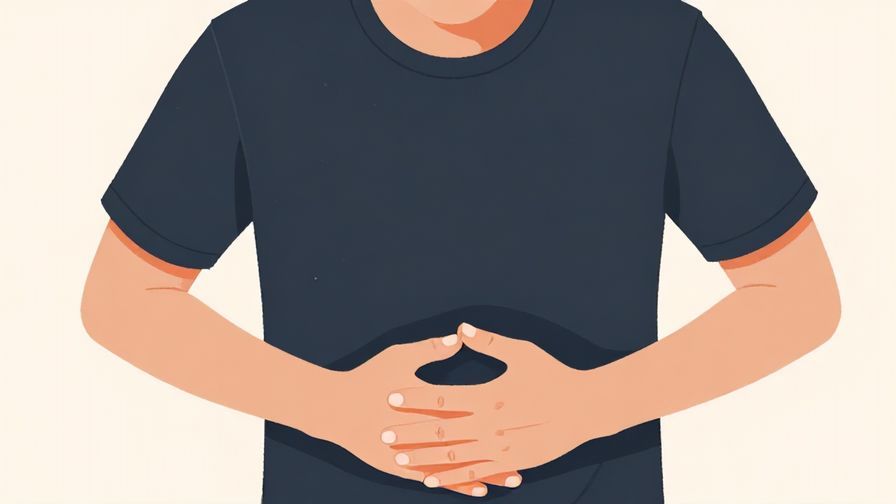
腹 (Hara) means “stomach,” and 痛い (itai) means “hurts.”
It’s a common way to say your stomach hurts due to nervousness or stress.
Very informal and natural sounding.
Use it when your nerves cause physical discomfort.
Great for casual, relatable conversation.
Try this phrase when nerves hit your tummy!
22. めっちゃ緊張してる (Meccha kinchou shiteru) – “I’m super nervous.”
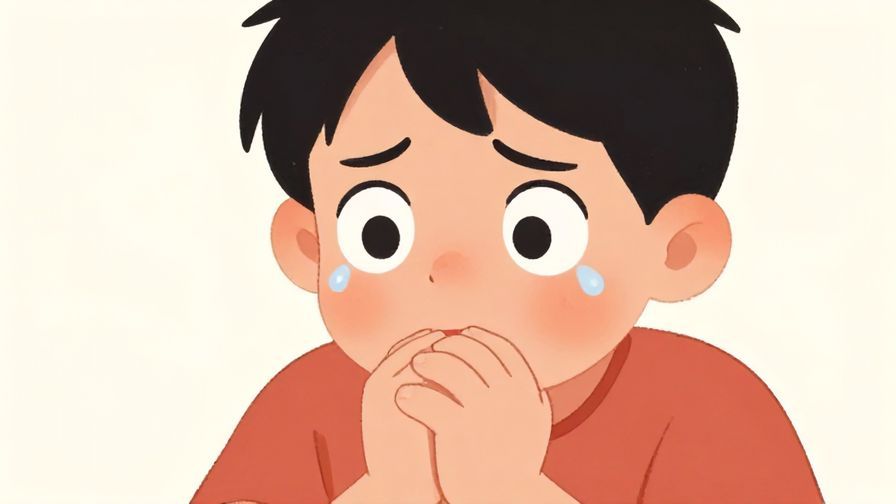
めっちゃ (Meccha) is Kansai dialect for “very” or “super.”
Combined with 緊張してる, it means “I’m super nervous.”
It’s casual and very expressive.
Use it among friends or in informal settings.
Great for adding emphasis and showing strong feelings.
Practice by swapping めっちゃ with other intensifiers to build your flair.
Concluding Thought
Expressing nervousness in Japanese is as colorful and varied as the feeling itself. From simple statements to poetic or playful phrases, there’s something for every mood and moment.
Using these expressions will not only help you communicate your feelings but also connect more deeply with Japanese speakers in authentic ways.
So next time your heart races or your palms sweat, try one of these phrases and embrace your nerves with confidence!