22 Japanese ways to say “I’m Busy
We all get those days where the to-do list just never ends, right? Saying “I’m busy” in Japanese can be a lifesaver when you want to politely (or casually) let someone know you’ve got a lot on your plate.
Whether you’re learning Japanese or just want to sound more natural, there are plenty of ways to express “I’m busy” that fit different moods and situations.
This listicle will walk you through 22 warm, relatable, and practical ways to say “I’m busy” in Japanese, with pronunciation tips included so you can say them with confidence.
From casual phrases perfect for friends to polite expressions for work or formal settings, we’ve got you covered.
Plus, learning these will help you sound more like a native speaker and handle your busy moments with ease.
Ready to dive in? Let’s explore these handy phrases and see how you can use them in everyday life!
Understanding the Basics of Saying “I’m Busy” in Japanese
Before jumping into the list, it’s good to know the core words behind “busy” in Japanese.
The most common word for “busy” is 忙しい (いそがしい, isogashii) which literally means “busy” or “occupied.”
But as you’ll see, there are many ways to say you’re busy depending on formality, context, and nuance.

If you want a solid foundation, picking up a beginner Japanese phrasebook can really help you start practicing these phrases in context.
It’s amazing how much easier it gets once you have a few go-to phrases to fall back on.
And don’t worry—these phrases aren’t just for beginners. Even advanced learners use casual and polite variations depending on the situation.
Part 1: Casual Suggestions
1. 行けたら行く (Iketara iku) – “I’ll come if I can.”

This is a soft way of saying you might be busy but will try to make it.
行けたら (いけたら, iketara) means “if I can go,” and 行く (いく, iku) means “I’ll go.” It’s often used when you’re unsure about your schedule.
It lets people down gently without sounding like a flat rejection.
Using this phrase shows you care but just can’t promise.
It’s similar to saying “maybe” or “I’ll see” in English, so it’s great for casual chats.
Try this one when you want to keep your options open but hint you might be busy.
2. 今ちょっと忙しい (Ima chotto isogashii) – “I’m a little busy right now.”

This phrase is direct but polite and casual.
今 (いま, ima) means “now,” ちょっと (chotto) means “a little,” and 忙しい (いそがしい, isogashii) is “busy.”
It’s a perfect phrase to use when you don’t want to sound too harsh but need to set a boundary.
Adding ちょっと softens the statement, making it less abrupt.
It’s common to hear this in everyday conversations, especially among friends or coworkers.
Using this helps you sound natural and relatable.
3. バタバタしてる (Batabata shiteru) – “I’m swamped (busy running around).”

バタバタ (batabata) is an onomatopoeia for bustling or being hectic.
してる (shiteru) is a casual form of “doing.” Together, it means you’re busy running around or in a rush.
This phrase is very casual and great for informal situations.
It captures that frantic energy you feel when juggling many things.
It’s often used when you want to express being overwhelmed but not stressed out.
Try it with friends or coworkers when explaining why you can’t hang out.
4. 手が離せない (Te ga hanasenai) – “I can’t leave (what I’m doing).”

This phrase literally means “my hands can’t be free,” indicating you’re tied up with work or tasks.
手 (て, te) means “hand,” 離せない (はなせない, hanasenai) means “cannot release.”
It’s a natural way to say you’re busy and can’t step away right now.
It’s polite enough for casual and semi-formal situations.
It also implies you’re focused and committed to what you’re doing.
Use this when someone asks for your attention but you’re genuinely occupied.
5. 忙しくて無理 (Isogashikute muri) – “I’m too busy, it’s impossible.”

忙しくて (いそがしくて, isogashikute) means “because I’m busy,” and 無理 (むり, muri) means “impossible” or “no way.”
This phrase is a blunt but honest way to say you just can’t do something because of your workload.
It’s casual but can feel strong, so use it carefully to avoid sounding rude.
Great for close friends or family when you want to be clear about your limits.
It’s a phrase that shows you recognize your boundaries.
Try balancing honesty with warmth when using this one.
6. ちょっと手がいっぱい (Chotto te ga ippai) – “My hands are a bit full.”

手がいっぱい (てがいっぱい, te ga ippai) means your hands are full, or you’re quite busy.
Adding ちょっと (chotto) softens the phrase to “a bit busy.”
It’s casual and light, good for friendly conversations.
This phrase communicates busyness without sounding overwhelmed.
It’s also a gentle way to decline or delay requests.
Use it when you want to show you’re busy but still approachable.
7. 予定が詰まってる (Yotei ga tsumatteru) – “My schedule is packed.”

予定 (よてい, yotei) means “schedule,” and 詰まってる (つまってる, tsumatteru) means “packed” or “full.”
This phrase is great when you want to explain why you can’t add more to your day.
It’s casual but can be used in polite contexts with slight adjustment.
It gives a clear image of a busy calendar.
Try this when explaining to friends or coworkers that you’re booked solid.
It’s practical and easy to remember.
8. バタバタしてて無理 (Batabata shitete muri) – “I’m swamped, it’s impossible.”

Combining バタバタ (batabata) with 無理 (muri) makes it a stronger statement about busyness.
This phrase is very casual and expresses being overwhelmed.
It’s best used with close friends or family who understand your situation.
It clearly communicates you can’t take on anything else right now.
Use it when you want to be honest but informal.
Just be mindful not to overuse it to avoid sounding negative.
Part 2: Polite & Formal Suggestions
9. 忙しくしております (Isogashiku shite orimasu) – “I am busy (polite).”

This is a polite, humble way to say you’re busy.
忙しく (いそがしく, isogashiku) is the adverb form of busy, and しております (shite orimasu) is a humble form of “doing.”
It’s perfect for business emails or conversations with superiors.
Using humble language here shows respect and professionalism.
This phrase keeps things polite and clear without being too casual.
Try using it during work or formal occasions.
10. ただいま多忙でございます (Tadaima tabou de gozaimasu) – “Currently, I am very busy (very formal).”

多忙 (たぼう, tabou) means a high level of busyness or being swamped.
ございます (gozaimasu) adds very polite formality.
ただいま (tadaima) means “right now.”
This phrase is excellent for formal emails or phone calls when you want to politely express your busy schedule.
It’s respectful and clear, perfect for business contexts.
Use this when you want to sound very professional.
11. 申し訳ありませんが、今少し忙しいです (Moushiwake arimasen ga, ima sukoshi isogashii desu) – “I’m sorry, but I’m a little busy right now.”

This phrase combines an apology with stating you’re busy.
申し訳ありません (もうしわけありません, moushiwake arimasen) means “I’m sorry” or “excuse me.”
It’s very polite and shows consideration for the other person’s feelings.
Great for situations where you need to decline requests politely.
Use it in emails, meetings, or calls to soften your busyness.
This approach helps maintain good relationships even when you’re tight on time.
12. 只今、手が離せません (Tadaima, te ga hanasemasen) – “Right now, I can’t leave what I’m doing.”

Similar to the casual 手が離せない, this is a more formal way to say you’re busy.
只今 (ただいま, tadaima) means “right now,” and hand form is negative polite.
This phrase is useful for polite refusals or explaining your current busyness.
It’s respectful and clear without sounding too distant.
Use this when you want to express busyness at work politely.
It’s a common phrase for customer service or office environments.
13. 仕事が立て込んでいます (Shigoto ga tatekonde imasu) – “Work is piling up.”

立て込んでいます (たてこんでいます, tatekonde imasu) means “piling up” or “crowded.”
This phrase politely expresses that your work is overwhelming.
It’s great for formal conversations with colleagues or supervisors.
You’re showing you’re busy but handling things professionally.
It’s also useful in status updates or reports.
Try incorporating this to sound more fluent in business Japanese.
14. 多忙につき失礼いたします (Tabou ni tsuki shitsurei itashimasu) – “I’m busy, so please excuse me.”

This phrase is very formal and humble.
失礼いたします (しつれいいたします, shitsurei itashimasu) is a polite “excuse me.”
It’s perfect for politely ending conversations or emails due to busyness.
Use it to show respect while acknowledging your busy state.
It’s common in business and customer service settings.
This phrase leaves a good impression when you must step away.
15. 忙しいため、お返事が遅れます (Isogashii tame, ohenji ga okuremasu) – “Because I’m busy, my reply will be delayed.”

This phrase explains politely why you might not respond quickly.
ため (tame) means “because of,” and お返事 (おへんじ, ohenji) means “reply.”
It’s useful in emails or messages when you want to manage expectations.
Adding this shows you’re responsible and considerate.
Use it when juggling many tasks and communicating with clients or coworkers.
This keeps your professionalism intact even during busy times.
16. 今は少し手が離せません (Ima wa sukoshi te ga hanasemasen) – “Right now, I can’t step away.”

This is a polite and somewhat formal way to say you’re busy.
少し (すこし, sukoshi) means “a little,” so it softens the refusal.
It’s handy when you want to be respectful but still clear.
Common in workplace settings or when dealing with clients.
It conveys dedication to your current task.
Use it to maintain professionalism while setting boundaries.
Part 3: Very Casual / Native-like Expressions
17. 忙しいんだよね (Isogashii n da yo ne) – “I’m busy, you know.”

This is a casual, conversational way to say you’re busy.
んだよね (n da yo ne) adds a friendly explanatory tone.
It’s perfect for chatting with close friends or peers.
This phrase sounds natural and native-like.
Use it to express mild busyness casually.
It invites empathy without sounding too serious.
18. めっちゃ忙しい (Meccha isogashii) – “Super busy!”

めっちゃ (meccha) is Kansai dialect for “very” or “super.”
It’s very casual and energetic.
Perfect for informal conversations or texting.
This phrase clearly shows you’re overwhelmed but keeps it light.
Use it with friends or younger people.
It’s a fun way to vent about your busy schedule.
19. てんてこまい (Tentekomai) – “Running around like crazy.”
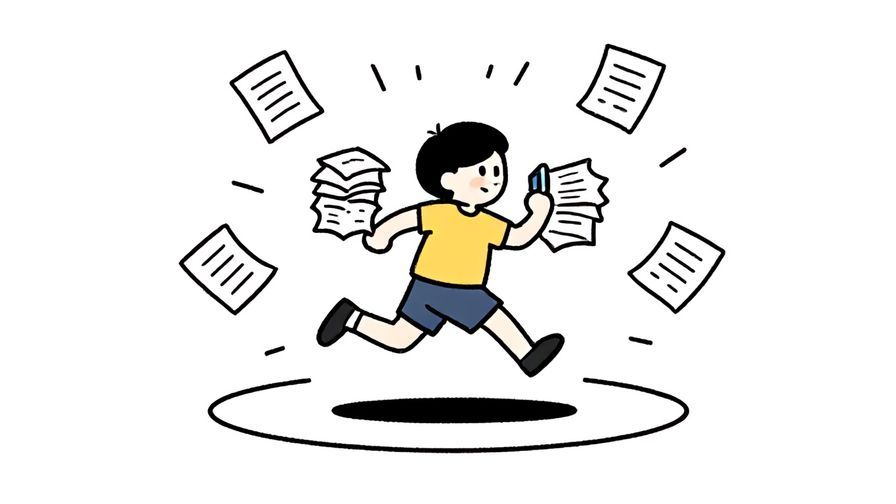
てんてこまい is a fun, informal idiom meaning you’re super busy and running around.
It’s very native and casual.
Use it when you want to express hectic busyness playfully.
Great for storytelling or casual chats.
It’s a vivid image of being busy without stress.
Try it with friends for a native feel.
20. 忙しすぎてヤバい (Isogashisugite yabai) – “Too busy, it’s crazy.”

すぎて (sugite) means “too much,” and ヤバい (yabai) slang for “crazy” or “intense.”
This is very casual and expressive.
It conveys a strong feeling of busyness with humor.
Perfect for close friends or informal social media.
Use it to vent while keeping it lighthearted.
It’s a phrase that captures modern youth speech.
21. 仕事が山積み (Shigoto ga yamazumi) – “Work is piling up like a mountain.”
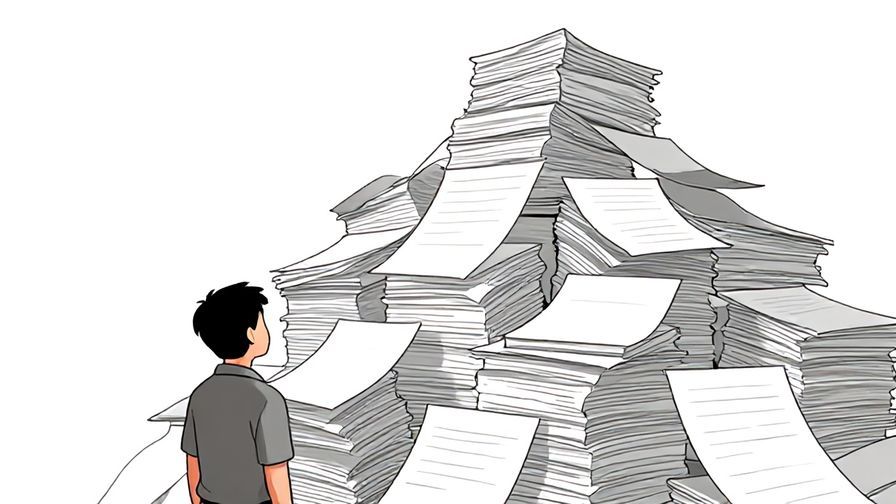
山積み (やまづみ, yamazumi) means “piled up like a mountain.”
This idiomatic phrase vividly shows you’re buried in work.
It’s casual but effective for expressing busyness.
Use it when you want to emphasize the volume of tasks.
It’s a memorable phrase for learners and natives alike.
Great for casual work chats or venting.
22. 忙しくてパンクしそう (Isogashikute panku shisou) – “I’m so busy I feel like I’m gonna burst.”

パンクしそう (panku shisou) means “about to burst” or “explode.”
This phrase is casual and very expressive.
It’s perfect when you feel overwhelmed but want to add humor.
Use it in chats or social media to share how busy you are.
It’s a fun way to show you’re maxed out but still keeping your cool.
Try this phrase to sound very natural and native-like.
Concluding Thought
Learning different ways to say “I’m busy” in Japanese opens up a new level of natural communication.
Whether you want to be polite at work or casual with friends, these phrases help you express yourself warmly and clearly.
So next time life gets hectic, you’ll have the perfect Japanese phrase ready to go—making your busy days just a bit smoother.