24 Japanese ways to say “I’m Happy”
Feeling happy is universal, but expressing it can be so much fun when you explore new languages! Japanese offers a wealth of ways to say “I’m happy,” each with its own subtle flavor.
Whether you’re chatting with friends, writing a diary, or just want to brighten your day, these phrases will add warmth and personality to your words.
From casual smiles to formal joy, Japanese has you covered with expressions that suit every mood and moment.
Learning these can deepen your appreciation for the culture and help you connect more naturally with native speakers.
Plus, it’s a joyful way to enhance your vocabulary and sound more like a local.
Ready to spread some happiness in Japanese? Let’s dive into 24 delightful ways to say “I’m happy.”
Expressing Happiness in Japanese: The Basics
Japanese has various words and phrases to express happiness, each fitting different situations and tones.
Understanding these nuances will help you respond naturally and warmly in conversation.
From simple “I’m glad” to exuberant “I’m over the moon,” there’s a perfect phrase for every happy feeling.

Sometimes, using a great beginner phrasebook can give you a perfect starting point for a cohesive understanding.
With a little practice, these phrases will flow naturally in your conversations.
Start simple, then add layers of meaning as you grow comfortable.
Part 1: Casual Suggestions
1. 嬉しい (Ureshii) – “I’m happy”

The most straightforward way to say “I’m happy” is 嬉しい (ureshii).
Use this when you feel glad or pleased about something. It’s casual and widely understood.
It literally means “happy” or “glad,” so it’s a great go-to phrase.
Just say, “うれしい!” when something nice happens.
It’s often used in daily conversations, like when you receive good news.
Start using “ureshii” whenever you want to share a simple, genuine joy!
2. 幸せ (Shiawase) – “Happiness” or “Happy”
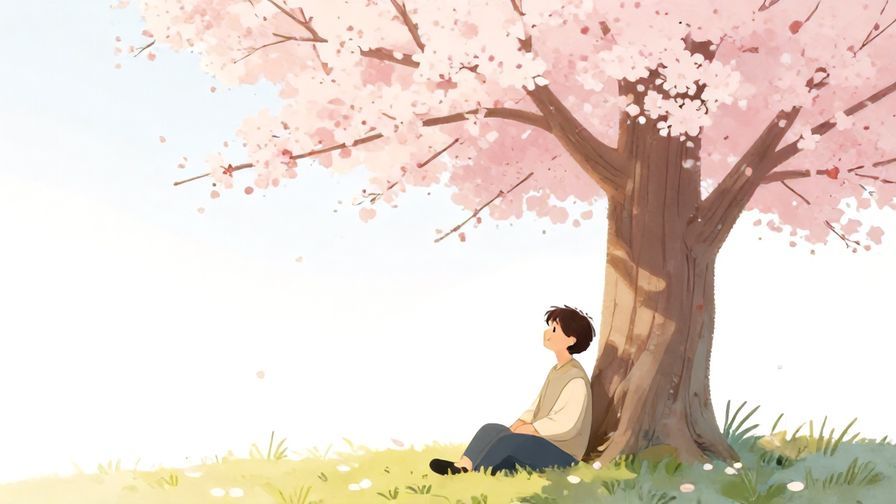
幸せ (shiawase) can mean “happiness” or describe a feeling of being happy.
It’s a bit more profound than just “ureshii” and often used for lasting happiness.
Try it when talking about life happiness or a deep sense of contentment.
It’s common in phrases like 「幸せだなあ」 (shiawase da naa) meaning “I’m really happy.”
Don’t confuse it with temporary happiness; shiawase is more heartfelt.
Use it to express a joyful feeling that warms your heart over time.
3. 嬉しくてたまらない (Ureshikute tamaranai) – “I’m unbearably happy”

This phrase amps up “ureshii” to express extreme happiness.
It means you’re so happy you can’t contain it — “unbearably happy.”
Great to use when something amazing or unexpected happens.
Use it sparingly to show genuine excitement, like hearing big news.
It’s a natural way to sound more expressive and emotional.
Try it next time you want to share your overflowing joy!
4. 最高!(Saikou!) – “The best!” / “I’m thrilled!”

最高 (saikou) literally means “the best” and is often used to express happiness.
It’s casual and popular among young people to show excitement or joy.
Say it when something goes perfectly or you’re thrilled about a situation.
It’s a fun, punchy way to share your happiness.
Be careful not to overuse it in formal settings, as it’s pretty casual.
Use “saikou!” to hype up your happy moments with friends.
5. ニコニコ (Niko niko) – “Smiling happily” (onomatopoeia)
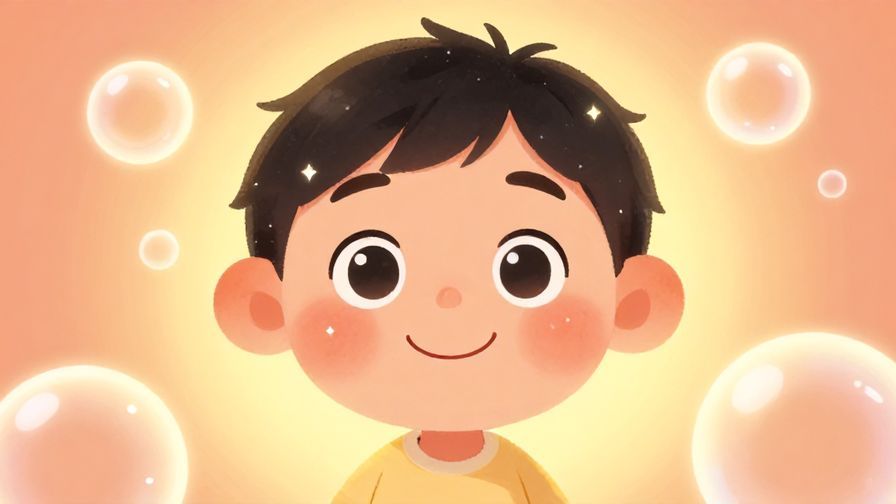
ニコニコ (niko niko) describes the sound or feeling of smiling happily.
It’s an onomatopoeia for a bright, cheerful smile.
Use it to describe yourself or someone else when they are happily smiling.
It’s often used in casual speech and writing for cute expressions.
Try saying, “ニコニコしてる,” meaning “I’m smiling happily.”
Perfect for lighthearted, joyful moments with friends or family.
6. いい気分 (Ii kibun) – “Good mood” / “Feeling good”
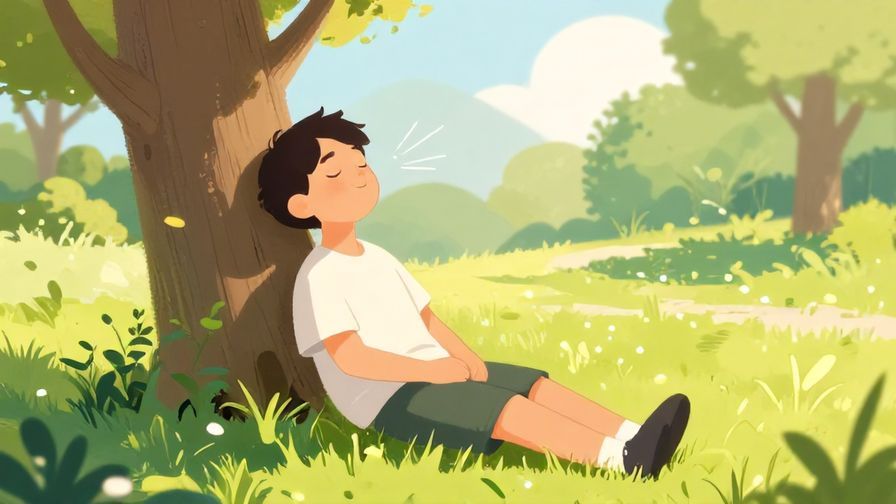
いい気分 (ii kibun) means “good mood” or “feeling good.”
It’s a casual way to say you’re happy or content with how you feel.
Useful when your happiness is tied to feeling relaxed and positive.
You can say, “今日はいい気分だ,” meaning “I’m in a good mood today.”
A simple phrase to express happiness without going over the top.
Great to use when chatting about day-to-day feelings.
7. ウキウキ (Uki uki) – “Excited and happy” (onomatopoeia)

ウキウキ (uki uki) is another fun onomatopoeia describing excitement and happiness.
It conveys a bubbly, joyful feeling, like you’re looking forward to something.
Use it when you’re happily excited about an upcoming event or surprise.
Say, “ウキウキしてる,” to show your cheerful anticipation.
Great for casual chats about things that make you happy.
It’s a perfect phrase to express lighthearted joy.
8. ルンルン (Run run) – “In high spirits” / “Cheerful” (onomatopoeia)

ルンルン (run run) describes being in a cheerful, lively mood.
It’s used when you’re happily energetic and carefree.
Perfect for moments when you feel light and joyful inside.
Try saying, “ルンルン気分,” meaning “feeling cheerful.”
It’s informal and great for casual conversations.
Use this to show your happy, spirited side!
Part 2: Polite & Formal Suggestions
9. 嬉しく思います (Ureshiku omoimasu) – “I feel happy” (polite)

This polite phrase literally means “I feel happy.”
It’s perfect for formal situations like work or respectful conversations.
It shows gratitude and happiness in an elegant way.
Use it when you want to express happiness respectfully.
A polite alternative to casual “ureshii.”
Great for emails or speeches where formality is key.
10. とても嬉しいです (Totemo ureshii desu) – “I’m very happy” (polite)
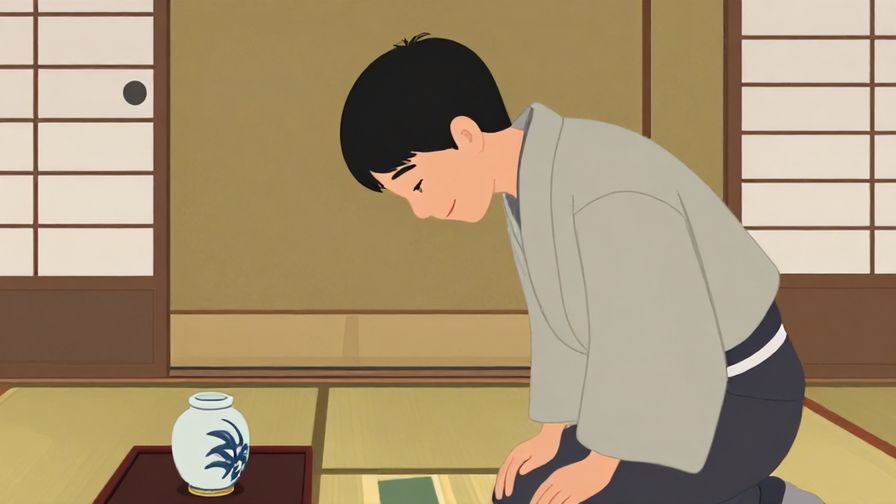
Add とても (totemo) to “ureshii” to politely say “I’m very happy.”
This phrase is polite and conveys strong positive feelings.
Ideal for formal thanks or expressing joy in business settings.
Say it to show sincere happiness with respect.
It’s a simple way to be both polite and expressive.
Use it whenever you want your happiness to sound heartfelt.
11. 幸せに感じます (Shiawase ni kanjimasu) – “I feel happy” (polite)

This phrase means “I feel happiness” in a polite tone.
It’s useful when expressing deep contentment respectfully.
Perfect for thanking someone or reflecting on joyful moments.
It sounds thoughtful and genuine.
Use it in formal conversations or writing.
It adds emotional depth to your polite expressions.
12. 嬉しい限りです (Ureshii kagiri desu) – “I’m delighted” (formal)

This formal phrase means “I’m delighted” or “I couldn’t be happier.”
It’s often used in speeches or formal thank-you notes.
Use it to express sincere, formal happiness.
It’s a graceful way to uplift your message.
Perfect for professional or ceremonial occasions.
It adds a polished finish to your happy expressions.
13. 大変光栄です (Taihen kouei desu) – “I’m greatly honored”
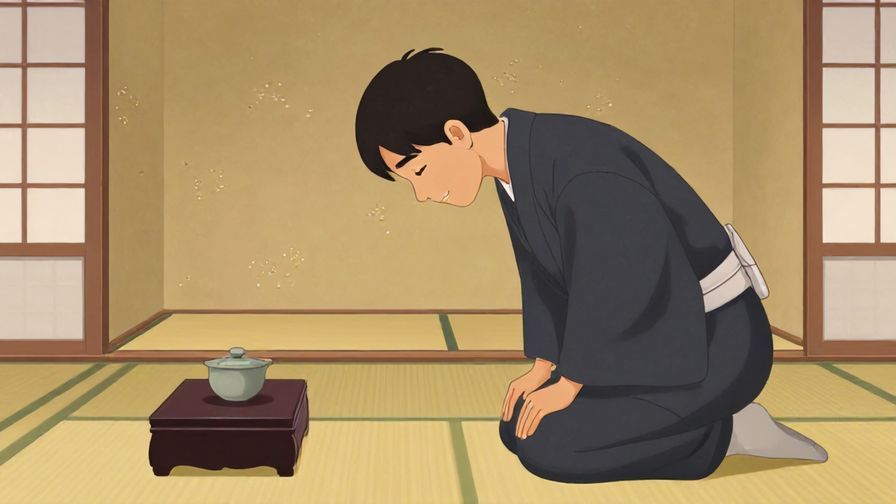
Literally meaning “I’m greatly honored,” this phrase expresses happiness linked to respect and gratitude.
Common in formal contexts like awards, ceremonies, or business.
It’s a dignified way to say you’re happy and honored.
Use it when your happiness is tied to recognition or respect.
It’s polite and humble, perfect in professional settings.
Try it to sound gracious and sincere.
14. 心から嬉しく思います (Kokoro kara ureshiku omoimasu) – “I’m sincerely happy”

This phrase means “I’m happy from the bottom of my heart” politely.
It expresses deep, heartfelt happiness in formal speech.
Great for thank-you messages or emotional moments.
Use it to show genuine appreciation and joy.
It’s sincere and touching, perfect for respectful conversations.
It adds warmth and authenticity to your words.
15. 幸福を感じます (Koufuku o kanjimasu) – “I feel happiness” (formal)
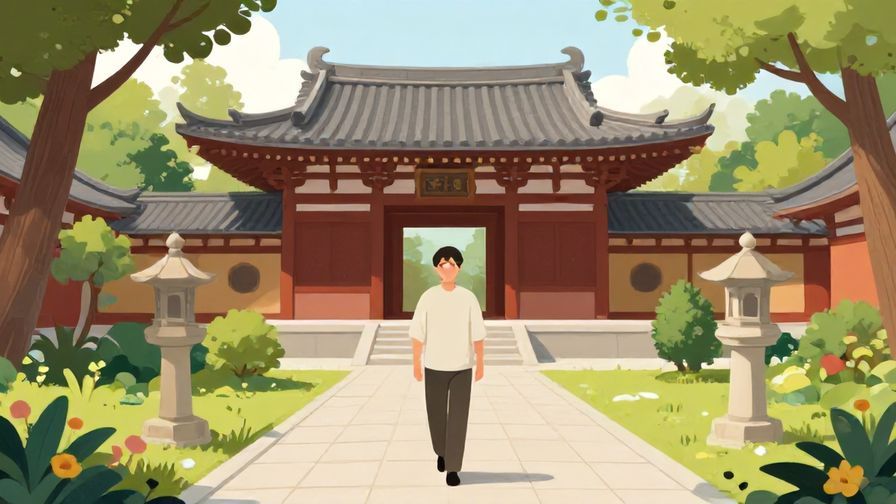
幸福 (koufuku) means “happiness” in a formal sense.
Use this phrase to politely say “I feel happiness.”
It’s suitable for writing or formal speech.
It sounds elegant and refined.
Great for expressing joy in a polished way.
Use it to add sophistication to your happy expressions.
16. 喜びを感じております (Yorokobi o kanjite orimasu) – “I am feeling joy” (formal)

This is a very polite and humble way to say “I’m feeling joy.”
It’s often used in formal letters or speeches.
Use it to express happiness respectfully and sincerely.
It shows humility and gratitude simultaneously.
Perfect for professional or ceremonial use.
It adds a refined touch to your expressions of happiness.
Part 3: Very Casual / Native-like Expressions
17. めっちゃ嬉しい (Meccha ureshii) – “Super happy” (very casual)

めっちゃ (meccha) is Kansai dialect meaning “very” or “super.”
Pairing it with うれしい makes a lively, casual “super happy.”
It’s common among younger people and in informal settings.
Use it to sound friendly and natural among peers.
It adds energy and enthusiasm to your happy expression.
Try it with friends for a relatable vibe!
18. うれしすぎる (Ureshisugiru) – “Too happy” (casual)

すぎる (sugiru) means “too much,” so this means “too happy.”
It expresses overwhelming happiness casually.
Great for texting or chatting when you’re overjoyed.
Use it to add a fun, dramatic flair to your joy.
It’s a youthful phrase to express extreme happiness.
Perfect for sharing exciting news with friends.
19. ハッピー (Happii) – “Happy” (loanword)

The English word “happy” is often used in Japanese as ハッピー (happii).
It’s casual, cute, and often seen in pop culture.
Use it in informal chats or trendy contexts.
It feels light and fun, especially among young people.
Try it to sound modern and playful.
It’s an easy word to remember and use!
20. いい感じ!(Ii kanji!) – “Feeling good!” / “I’m happy!”

いい感じ (ii kanji) literally means “good feeling.”
It’s a casual way to say you feel happy or positive.
Use it in everyday conversations to share your mood.
It’s versatile and easy to remember.
Perfect for casual, upbeat moments.
It’s a friendly phrase to brighten the mood!
21. ほっこりする (Hokkori suru) – “Feeling warm and happy”

ほっこり (hokkori) describes a warm, heart-melting happiness.
It’s used when something or someone makes you feel cozy and happy.
Great for expressing comfort-based happiness.
Use it when you want to share a tender, happy feeling.
It’s a uniquely Japanese emotional word.
Try it when describing heartwarming moments.
22. うきうきしてる (Ukiuki shiteru) – “I’m excited/happy”

うきうき is the verb form of the onomatopoeia for excited happiness.
It’s casual and lively, perfect for everyday use.
Say “うきうきしてる” to express your happy excitement.
It’s playful and easy to use in conversations.
Great for sharing your joyful anticipation.
It adds a cute touch to your happy vibes.
23. いい気分だよ (Ii kibun da yo) – “I feel good” (casual)

This is a casual, friendly way to say you’re feeling good and happy.
“だよ” adds a warm, conversational tone.
Use it with friends or family to share your mood.
It’s simple and natural sounding.
Perfect for casual chats about feelings.
Try it to sound approachable and happy!
24. 幸せいっぱい (Shiawase ippai) – “Full of happiness”
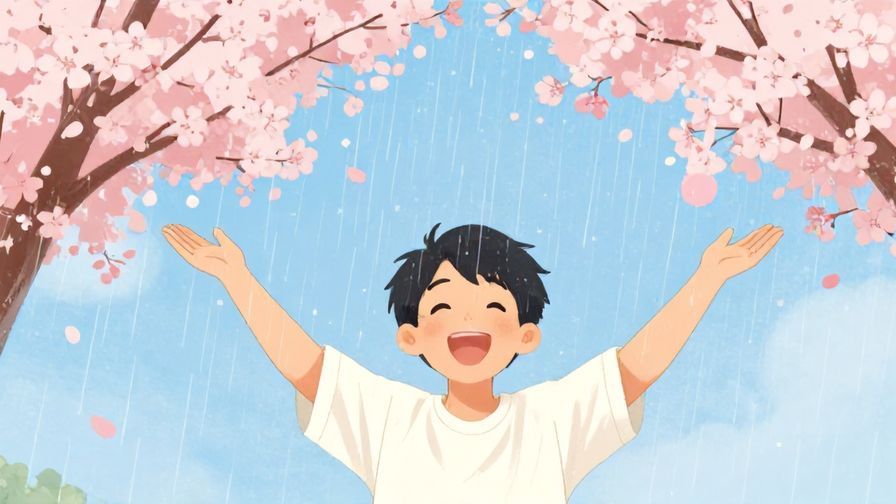
いっぱい (ippai) means “full” or “lots of.”
Use 幸せいっぱい to say you’re filled with happiness.
It’s casual yet vivid and expressive.
Perfect for sharing moments of overflowing joy.
Try it when you want to paint a picture of your happy heart.
It’s a warm phrase that feels very natural.
Concluding Thought
Exploring these 24 ways to say “I’m happy” in Japanese shows just how rich and expressive the language is.
From simple smiles to formal gratitude, each phrase helps you connect more deeply with the culture and people.
Keep practicing, and soon you’ll be spreading happiness naturally in Japanese conversations every day!