24 Japanese ways to say “That’s Amazing!”
When something blows your mind or leaves you speechless, we usually say “That’s amazing!” in English. But what about Japanese?
The Japanese language offers a treasure trove of ways to express amazement — from polite compliments to casual exclamations that native speakers use daily.
Whether you’re learning Japanese or just love the language, mastering these phrases will add color and authenticity to your conversations.
In this article, we’ll explore 24 warm, informal, and relatable ways to say “That’s amazing!” in Japanese, complete with pronunciation guides and practical tips.
You’ll also find links to resources that can help you practice and learn these expressions naturally.
Get ready to impress your Japanese friends and express awe in style!
Understanding Nuance in Japanese Expressions
Japanese amazement phrases vary depending on the situation, relationship, and level of formality.
Some expressions work best with friends, while others shine in polite or professional settings. Context matters!
By exploring a variety of expressions, you’ll be ready to respond naturally no matter the scenario.
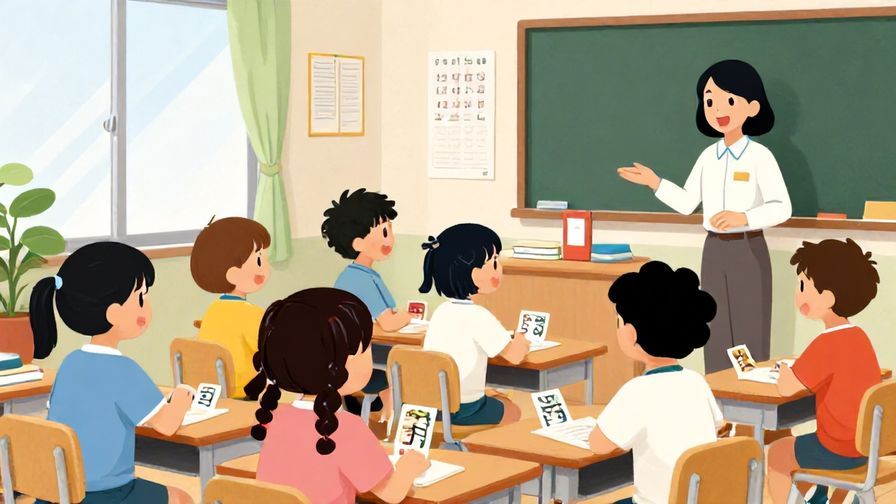
Sometimes, using a great beginner phrasebook can give you a perfect starting point for a cohesive understanding.
Mixing formal and casual phrases in your practice will help you adapt quickly in real conversations.
Don’t worry about making mistakes — every effort counts in language learning!
Part 1: Casual Suggestions
1. すごい! (Sugoi!) – “Amazing!”

This is the classic, go-to word for “amazing” in casual Japanese.
“すごい” literally means “great” or “terrific,” and it’s used everywhere—from seeing a cool trick to tasting delicious food.
It’s short, easy to remember, and super versatile.
Just say “Sugoi!” with enthusiasm, and you’re good to go.
You’ll often hear it paired with “ね” (ne) for added friendliness: “すごいね!” (Sugoi ne!)
Use it often to build confidence in your Japanese reactions!
2. やばい! (Yabai!) – “That’s crazy/amazing!”

“やばい” is a very common slang expression that can mean “amazing,” “terrible,” or “crazy,” depending on context.
Young people especially use “yabai” to express excitement or surprise in a casual setting.
It’s a fun word to use but be mindful of your tone to avoid confusion.
Try it with friends when something impresses or surprises you.
It’s also a great way to show you’re “in the know” with modern Japanese slang.
Just don’t use it in formal situations!
3. すご〜い! (Sugoii!) – “So amazing!”

Adding a long vowel sound to “すごい” makes it sound more expressive and enthusiastic.
“すご〜い” (Sugoii!) is perfect when you want to emphasize how amazing something is.
It’s easy to say and really conveys excitement.
Try stretching it out in casual chats or when reacting to great news.
It’s like saying “Wowww!” in English.
Feel free to combine it with facial expressions for extra effect!
4. まじで? (Maji de?) – “Seriously?” / “For real?”
Though it literally means “Seriously?” this phrase is often used to express amazement or disbelief.
“まじで?” (Maji de?) is casual and shows you’re impressed or shocked by what you just heard or saw.
It’s great for conversations with friends or classmates.
Use it when you want to confirm something amazing and show your genuine surprise.
It’s a quick and natural way to react.
Combine it with a smile or raised eyebrows for full effect.
5. すごいね! (Sugoi ne!) – “That’s amazing, isn’t it?”

This phrase combines “すごい” (amazing) with “ね” which adds a soft, friendly tone.
It’s perfect when you want to share your amazement with someone else and invite agreement.
“ね” is like saying “right?” or “isn’t it?” in English.
It makes your compliment feel warm and conversational.
You can use this in casual or slightly polite settings.
Try it to sound friendly and natural!
6. めっちゃすごい! (Meccha sugoi!) – “Super amazing!”

“めっちゃ” (meccha) is Kansai dialect slang meaning “very” or “super.”
Pairing it with “すごい” intensifies the meaning to “really amazing.”
It’s casual and energetic, perfect for enthusiastic friends.
Using regional dialect expressions like this adds flavor to your speech.
It’s a great phrase to learn if you want to sound more native-like and fun.
Experiment with it in informal conversations to boost your vibe!
7. ほんまに? (Honmani?) – “Really?” (Kansai dialect)
“ほんまに?” is the Kansai dialect version of “本当に?” (Hontoni?), meaning “Really?” or “Truly?”
It’s often used to express genuine surprise or amazement.
Using dialect phrases like this can make your speech more lively and local.
Great for casual conversations, especially if you want to sound more friendly.
It’s a good alternative to “まじで?” for variety.
Try repeating it when you hear amazing news or see something impressive!
8. びっくりした! (Bikkuri shita!) – “I’m surprised!”

Literally “I was surprised,” this phrase is used to express astonishment or amazement.
It’s casual and often said immediately after witnessing something unexpected and impressive.
“びっくり” (bikkuri) means surprise, and “した” is the past tense of “do.”
Use it when you want to show genuine shock or amazement.
It’s a natural expression to keep in your conversational toolkit.
Perfect for reacting to funny or amazing stories!
Part 2: Polite & Formal Suggestions
9. 素晴らしい! (Subarashii!) – “Wonderful!” / “Splendid!”

“素晴らしい” (Subarashii) is a polite and elegant word meaning “wonderful” or “splendid.”
It’s perfect for formal situations like praising work or achievements.
The word breaks down as “素” (su) meaning “elementary” or “basic,” and “晴らしい” (barashii) meaning “clear” or “bright.”
Say it with a calm, sincere tone to sound respectful.
It’s a great compliment in professional or academic settings.
Use this to impress your colleagues or teachers!
10. 感動しました (Kandou shimashita) – “I was deeply moved.”
“感動しました” means “I was deeply moved” or “I’m impressed.”
It’s polite and often used when something touches your heart or impresses you deeply.
“感動” (kandou) means “emotion” or “being moved,” and “しました” is the polite past tense.
It’s great for formal reactions to art, speeches, or performances.
Use this phrase to express genuine admiration with elegance.
It’s a meaningful way to say “That’s amazing” in a respectful tone.
11. 素敵ですね (Suteki desu ne) – “That’s lovely, isn’t it?”

“素敵” (suteki) means “lovely” or “wonderful.”
Adding “ですね” at the end softens the phrase and invites agreement.
It’s polite and perfect for both casual and formal compliments.
Use this phrase to praise someone’s effort, appearance, or an object.
It’s a nice way to say “That’s amazing” without sounding too strong.
Excellent for making a positive impression politely.
12. 驚きました (Odorokimashita) – “I was surprised.”

This is the polite form of “I was surprised.”
“驚く” (odoroku) means “to be surprised,” and “ました” is polite past tense.
It’s useful in formal conversations when expressing amazement or astonishment.
It shows respect while sharing your reaction.
Use it in meetings, presentations, or polite chats.
It’s a neat way to say “That’s amazing” professionally.
13. 素晴らしかったです (Subarashikatta desu) – “It was wonderful.”

This is the polite past form of “素晴らしい,” meaning “It was wonderful.”
Use this to praise an event, performance, or achievement politely.
It’s a respectful and warm way to show you were impressed.
Perfect for business or formal social gatherings.
It sounds sincere and graceful.
Great for building good relationships in professional settings.
14. さすがですね (Sasuga desu ne) – “As expected (of you)!”

“さすが” means “as expected” and is used to praise someone’s skill or achievement.
Adding “ですね” makes it polite and friendly.
It’s a great way to say “That’s amazing” with a personal touch.
Use it when someone does something impressive that matches their reputation.
It shows admiration and respect simultaneously.
Try it when complimenting coworkers or friends!
15. 立派ですね (Rippa desu ne) – “That’s admirable.”

“立派” (rippa) means “admirable,” “fine,” or “splendid.”
It’s a polite way to recognize achievement or quality.
“ですね” adds warmth and invites agreement.
Use it for formal compliments that emphasize respect.
It’s perfect for recognizing effort or success.
Use it to encourage and motivate politely.
16. 本当に感心しました (Hontou ni kanshin shimashita) – “I’m truly impressed.”

This phrase expresses deep admiration politely.
“感心する” means “to be impressed,” and “本当に” means “truly.”
It’s ideal for formal or heartfelt compliments.
Use it when you want to emphasize your respect and amazement.
It’s a thoughtful and sincere expression.
Great for speeches or thank-you messages.
Part 3: Very Casual / Native-like Expressions
17. ちょーすごい! (Chou sugoi!) – “Super amazing!”

“ちょー” (chou) is casual slang for “super” or “really.”
Pairing it with “すごい” makes the phrase very casual and energetic.
It’s popular among teenagers and young adults.
Use it with friends to sound natural and lively.
Perfect for texting or informal chats.
It’s a fun way to show excitement like a native speaker!
18. やばすぎ! (Yabasugi!) – “Too amazing!”

“すぎ” (sugi) means “too much” or “excessively.”
When combined with “やばい,” it means “too amazing” or “crazy good.”
It’s very casual and expressive.
Use it with close friends to emphasize strong amazement.
It’s a trendy phrase that’s fun to say aloud.
Perfect for sharing hype or excitement!
19. マジでやばい! (Maji de yabai!) – “Seriously amazing!”

This phrase combines “まじで” (seriously) with “やばい” (amazing/crazy).
It’s very informal and shows strong enthusiasm.
Use it in casual conversations to hype something up.
Great for reacting to impressive performances or events.
It sounds very natural and spontaneous.
Perfect for lively social interactions!
20. すごすぎ! (Sugosugi!) – “Too amazing!”

Similar to “やばすぎ,” this phrase uses “すぎ” to exaggerate “すごい.”
It means “too amazing” or “unbelievably good.”
It’s casual and playful.
Use it to emphasize how impressed you are.
Great for informal chats or social media.
It’s easy to remember and fun to say!
21. さいこう! (Saikou!) – “The best!” / “Awesome!”

“さいこう” means “the best” and is a popular casual way to express amazement.
It’s enthusiastic and positive.
Use it when you want to say something is awesome or top-notch.
It’s versatile and used often in everyday speech.
Perfect for praising friends or fun experiences.
Try it out for instant energy!
22. まじやばい! (Maji yabai!) – “Seriously crazy (amazing)!”

This phrase is a variation of “マジでやばい” with a slightly shorter form.
It’s very casual and conveys strong amazement or shock.
Use it with close friends or peers.
It’s trendy and shows you’re up to date with slang.
Great for reacting to unexpected cool things.
Practice it for natural conversational flow!
23. ほんとにすごい! (Hontoni sugoi!) – “Really amazing!”
“ほんとに” means “really” or “truly.”
Adding it before “すごい” makes your praise sound more heartfelt.
It’s casual but sincere.
Use it to emphasize genuine admiration.
Great for personal conversations and compliments.
It sounds natural and honest.
24. 最高だね! (Saikou da ne!) – “That’s the best, isn’t it?”

This is a friendly phrase combining “最高” (saikou) with “だね” for a conversational touch.
It’s casual and upbeat.
Use it to celebrate amazing moments together.
It invites agreement and connection.
Perfect for positive, casual chats.
Use it to share your excitement with friends!
Concluding Thought
Learning these 24 ways to say “That’s amazing!” in Japanese opens up a world of expressive possibilities.
From polite compliments to energetic slang, each phrase fits different moods and settings.
Keep practicing, and soon you’ll be reacting naturally and warmly in any Japanese conversation!