24 Japanese ways to ask “Do You Want to Hang Out?
Want to ask someone in Japanese if they want to hang out but not sure how to say it naturally? You’re in the right place!
Whether you’re making new friends, inviting coworkers, or just chatting casually, knowing different ways to say “Do you want to hang out?” can make your conversations smoother and more fun.
Japanese has a variety of expressions that fit different moods and situations, from casual to polite, and even slangy.
This list of 24 ways will help you pick the perfect phrase for any vibe or relationship.
Plus, by mixing these in your daily chats, you’ll sound more natural and confident.
Ready to dive in and expand your Japanese invitation game? Let’s get started!
First Section Subheading
Getting comfortable with casual invitations is the best way to start.
These expressions help you sound friendly and approachable without being too formal. They’re perfect for peers or friends.
Building your confidence here makes later, more nuanced phrases easier to learn.

Sometimes, having a handy beginner phrasebook nearby can help you remember these casual expressions better.
Try practicing these phrases aloud with a partner or even to yourself.
It’s an easy habit that makes your Japanese sound more natural in no time.
Part 1: Casual Suggestions
1. 行けたら行く (Iketara iku) – “I’ll come if I can.”

This phrase is like a soft yes with a little wiggle room. “Iketara” means “if I can go,” and “iku” means “I’ll go.”
It’s casual and common, perfect when you’re interested but not 100% sure about your schedule.
Using it shows you want to hang out but keeps things flexible and relaxed.
It’s great for friends or acquaintances you’re still getting close to.
There’s also a similar phrase: 行けるかも (Ikeru kamo), meaning “I might be able to go.”
Try using this when you want to keep the door open without making a firm commitment right away.
2. 遊ばない? (Asobanai?) – “Wanna hang out?”

This is a super casual and friendly way to ask if someone wants to hang out. “Asobu” means “to play” or “hang out,” and “nai?” turns it into a casual question.
It’s easy to say and perfect for inviting close friends or classmates.
Just remember it’s informal, so avoid using it with people you don’t know well or in formal settings.
For example, you might say, “週末遊ばない?” (Shūmatsu asobanai?) meaning “Wanna hang out this weekend?”
It’s a phrase you’ll hear a lot in casual conversations, so practicing it will help you sound like a local.
Keep it light and fun to invite good vibes!
3. 一緒に行かない? (Issho ni ikanai?) – “Want to go together?”

This phrase is a nice way to suggest doing something together without being too pushy. “Issho ni” means “together,” and “ikanai?” means “won’t you go?”
It’s casual but polite enough for friends or coworkers you’re comfortable with.
It works well when inviting someone to a specific event or place, like a movie or café.
It implies companionship and shared plans, which makes it warm and inviting.
Try saying, “今度一緒に行かない?” (Kondo issho ni ikanai?), meaning “Want to go together next time?”
A great phrase to sound thoughtful and inclusive when inviting someone.
4. 今暇? (Ima hima?) – “Are you free now?”

Short and sweet, this phrase asks if someone is free at the moment. “Ima” means “now,” and “hima” means “free” or “available.”
It’s casual and common among friends who want to hang out spontaneously.
It’s perfect for last-minute plans or checking if someone has time right now.
Be mindful: it’s best used with people you’re close to since it’s very direct.
A typical response might be “うん、暇だよ” (Un, hima da yo) meaning “Yeah, I’m free.”
Use this phrase when you want an instant yes or no without fuss.
5. 今度遊ぼうよ! (Kondo asobou yo!) – “Let’s hang out sometime!”

This is a friendly and casual invitation to hang out in the near future. “Kondo” means “next time” or “soon,” and “asobou” is the volitional form of “asobu” (to hang out), meaning “let’s hang out.”
Adding “yo” makes it sound enthusiastic and inviting.
It’s a very natural way to suggest plans without setting a fixed date.
It works for acquaintances or friends and keeps the mood light.
Try saying this when you want to express eagerness to meet without pressure.
It’s a great phrase to keep connections warm and casual.
6. ちょっと遊ばない? (Chotto asobanai?) – “Wanna hang out for a bit?”

This phrase adds “chotto,” meaning “a little” or “for a bit,” making it a softer, more casual invite.
It’s perfect for quick meet-ups or spontaneous hangouts.
It feels easygoing and low-commitment, so it’s great for busy friends.
It’s casual, so use it with peers or close friends.
For example, “今ちょっと遊ばない?” (Ima chotto asobanai?) means “Wanna hang out for a bit now?”
Use it when you want a relaxed, pressure-free invitation.
7. 飲みに行かない? (Nomini ikanai?) – “Wanna go for a drink?”

This phrase is super common among adults. “Nomu” means “to drink,” and “nomi ni iku” means “go drinking.”
It’s casual and great for inviting coworkers or friends out for drinks after work.
It’s a natural way to suggest socializing beyond just hanging out.
Remember, it’s casual but polite enough for a variety of social groups.
Try “金曜日に飲みに行かない?” (Kinyōbi ni nomi ni ikanai?) — “Wanna go for a drink on Friday?”
This phrase is a go-to for fun evenings and bonding moments.
8. どこか行かない? (Dokoka ikanai?) – “Wanna go somewhere?”

A casual invitation to go out without specifying where. “Dokoka” means “somewhere,” and “ikanai?” asks “won’t you go?”
It’s open-ended and great when you want to keep plans flexible.
It invites spontaneity and shared decision-making.
Use this with friends or close acquaintances.
For example, “週末どこか行かない?” (Shūmatsu dokoka ikanai?) means “Wanna go somewhere this weekend?”
The ambiguity makes it fun and easy to say anytime.
Part 2: Polite & Formal Suggestions
9. 一緒にお出かけしませんか? (Issho ni odekake shimasen ka?) – “Would you like to go out together?”

This is a polite and formal way to invite someone to go out. “Odekake” means “going out,” and “shimasen ka?” is the polite way to ask “won’t you do?”
It’s perfect for coworkers or new acquaintances you want to invite respectfully.
It shows consideration and formality without being stiff.
You might say, “今度一緒にお出かけしませんか?” (Kondo issho ni odekake shimasen ka?), meaning “Would you like to go out together next time?”
This phrase builds a courteous tone that’s appreciated in professional settings.
It’s a great step up from casual invites when you want to sound thoughtful.
10. お時間ありますか? (Ojikan arimasu ka?) – “Do you have time?”

This phrase is a polite way to ask if someone has free time, with “ojikan” meaning “time” and “arimasu ka?” meaning “do you have?”
It works well as a lead-in to an invitation in a respectful way.
It’s commonly used in formal or semi-formal conversations.
For example, “今週お時間ありますか?” (Konshū ojikan arimasu ka?) means “Do you have time this week?”
It’s a considerate approach that shows respect for the other person’s schedule.
Use this to open the door to more formal hangout plans.
11. よかったら一緒にどうですか? (Yokattara issho ni dō desu ka?) – “If you’re okay with it, want to do something together?”

This phrase is polite and gentle. “Yokattara” means “if it’s good,” “issho ni” means “together,” and “dō desu ka?” means “how about?”
It’s a soft way to invite someone without pressure.
Great for people you want to invite with care and politeness.
Example: “よかったら一緒に映画に行きませんか?” (Yokattara issho ni eiga ni ikimasen ka?) — “If you’re okay with it, want to go to a movie together?”
This phrase is perfect when you want to be thoughtful and polite.
It gently nudges the other person toward saying yes.
12. ご都合はいかがですか? (Gotsugō wa ikaga desu ka?) – “How is your schedule?”

This formal phrase asks about someone’s convenience or availability. “Gotsugō” means “schedule” or “convenience,” and “ikaga desu ka?” means “how is it?”
It’s ideal for business contexts or respectful invitations.
You might say, “来週のご都合はいかがですか?” (Raishū no gotsugō wa ikaga desu ka?) — “How is your schedule next week?”
It shows high respect and politeness.
Perfect for invitations where formality is important.
Use it to politely check availability before suggesting plans.
13. よろしければ、ご一緒しませんか? (Yoroshikereba, goissho shimasen ka?) – “If it’s alright, would you like to join me?”

This phrase is very polite and humble. “Yoroshikereba” means “if it’s alright,” “goissho” is a humble way to say “together,” and “shimasen ka?” is the polite invitation form.
It’s excellent for formal invitations or when speaking to someone you respect.
Example: “よろしければ、ご一緒しませんか?” (Yoroshikereba, goissho shimasen ka?) means “If it’s alright, would you like to join me?”
This phrase conveys respect and consideration.
Use it to invite thoughtfully in delicate social situations.
It’s a phrase that shows good manners and care.
14. もしよろしければ、食事でもいかがですか? (Moshi yoroshikereba, shokuji demo ikaga desu ka?) – “If you don’t mind, how about a meal?”

This phrase politely suggests going out for a meal. “Moshi” means “if,” “yoroshikereba” means “if it’s alright,” “shokuji demo” means “even a meal,” and “ikaga desu ka?” means “how about?”
It’s a gentle, formal way to invite someone to eat together.
Perfect for business acquaintances or new friends.
Example: “もしよろしければ、今度食事でもいかがですか?” (Moshi yoroshikereba, kondo shokuji demo ikaga desu ka?) — “If you don’t mind, how about a meal sometime?”
It sounds respectful and considerate.
This phrase works well for polite invitations to deepen relationships.
15. お時間をいただけますか? (Ojikan o itadakemasu ka?) – “May I have some of your time?”
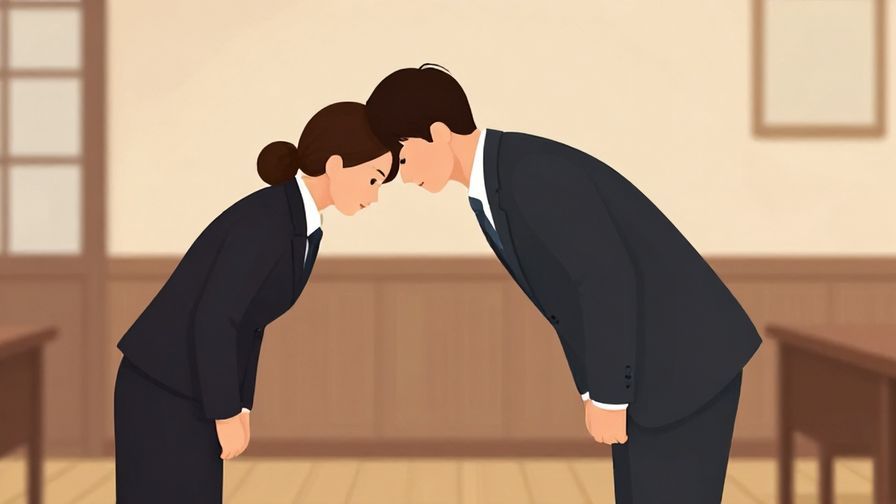
This is a humble and formal way to ask for someone’s time. “Ojikan” means “time,” “itadakemasu ka?” means “may I receive?”
It’s often used before proposing plans or meetings.
It shows respect and appreciation for the person’s schedule.
Example: “少しお時間をいただけますか?” (Sukoshi ojikan o itadakemasu ka?) means “May I have a little of your time?”
Use it when you want to invite politely and respectfully.
This phrase is perfect in professional or formal social settings.
16. ご一緒にお茶でもいかがでしょうか? (Goissho ni ocha demo ikaga deshō ka?) – “Would you like to have tea together?”
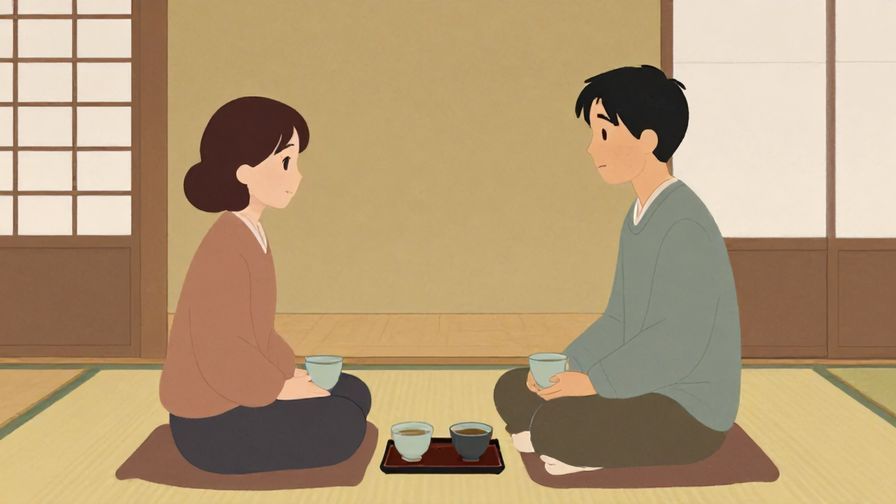
This polite phrase invites someone to have tea together. “Goissho ni” means “together,” “ocha” is “tea,” and “ikaga deshō ka?” is a formal “how about?”
It’s a gentle, culturally respectful invitation.
Perfect for formal or semi-formal settings.
Example: “今度ご一緒にお茶でもいかがでしょうか?” (Kondo goissho ni ocha demo ikaga deshō ka?) — “Would you like to have tea together sometime?”
It’s a warm and refined way to suggest hanging out.
Use it to create a calm, pleasant invitation mood.
Part 3: Very Casual / Native-like Expressions
17. 今、遊べる? (Ima, asoberu?) – “Can you hang out now?”

This is a super casual and direct way to ask if someone can hang out right now. “Ima” means “now,” and “asoberu” is the potential form of “asobu” (to hang out), meaning “can hang out.”
It’s common among close friends or younger people.
Using it shows you’re ready and eager to hang out immediately.
Beware: it might sound too forward if you’re not close.
Example: “今遊べる?” (Ima asoberu?) is just “Can you hang out now?”
Great for spontaneous plans with good friends.
18. 飯行こうぜ! (Meshi ikō ze!) – “Let’s grab food!”

This is a very casual, masculine, and native-sounding phrase. “Meshi” means “food” (slang), “ikō” is “let’s go,” and “ze” adds a rough but friendly emphasis.
It’s perfect for close friends or guys hanging out.
It’s very informal and shouldn’t be used in polite or mixed company.
Example: “今夜飯行こうぜ!” (Kon’ya meshi ikō ze!) means “Let’s grab food tonight!”
Use it to sound like a native speaker in casual male groups.
It’s energetic and direct.
19. ヤバい、遊ぼう! (Yabai, asobō!) – “Oh man, let’s hang out!”

“Yabai” is a slang word meaning “awesome” or “oh no” depending on context, here it’s excitement. “Asobō” is “let’s hang out” in volitional form.
This is a very casual, slangy way to invite friends spontaneously.
It’s perfect for younger people and close friends.
Example: “今日ヤバい、遊ぼう!” (Kyō yabai, asobō!) means “Today’s awesome, let’s hang out!”
It’s fun and full of energy but not for formal use.
Use it when you want to sound like you’re in the know with native youth culture.
20. 今、暇してる? (Ima, hima shiteru?) – “Are you free now?”
This is a casual way to ask if someone is free right now. “Hima shiteru” means “doing nothing” or “free.”
It’s common among peers and friends for spontaneous plans.
Example: “今暇してる?” (Ima hima shiteru?) means “Are you free now?”
It’s easy to use and sounds very natural.
Try it to make quick invites without fuss.
Great for texting or casual face-to-face chats.
21. ちょっと付き合ってよ (Chotto tsukiatte yo) – “Hang out with me for a bit.”

“Tsukiau” means “to accompany” or “go along with,” and “chotto” means “a little.” This phrase is casual and a bit playful.
It’s like saying “hang out with me for a short time.”
Use this with close friends or people you’re comfortable joking with.
Example: “ちょっと付き合ってよ、話したいことあるんだ。” (Chotto tsukiatte yo, hanashitai koto arunda.) means “Hang out with me for a bit, I want to talk.”
It’s personal and friendly.
Great for casual invites that feel warm and genuine.
22. 何してる?遊ぼうよ! (Nani shiteru? Asobou yo!) – “What are you doing? Let’s hang out!”
This casual phrase first asks “What are you doing?” then invites to hang out. It’s friendly and direct.
It’s perfect for texting close friends to spark spontaneous plans.
Example: “今何してる?遊ぼうよ!” (Ima nani shiteru? Asobou yo!) means “What are you doing now? Let’s hang out!”
It feels natural and conversational.
Use it to start a casual chat and invite in one go.
It’s a great icebreaker for quick plans.
23. ちょっと顔出さない? (Chotto kao dasanai?) – “Wanna drop by for a bit?”
This phrase means “drop by” or “show your face for a bit.” “Kao dasu” literally means “show your face.”
It’s casual and friendly, perfect for inviting someone over or to a casual gathering.
Example: “今からちょっと顔出さない?” (Imakara chotto kao dasanai?) means “Wanna drop by now for a bit?”
It’s an informal invite that feels welcoming.
Great for close friends or neighbors.
Use it to sound natural and warm in casual invites.
24. 飽きたから、遊びに行こうぜ! (Akita kara, asobi ni ikou ze!) – “I’m bored, let’s go hang out!”

This phrase is very casual and expressive. “Akita” means “bored,” and “asobi ni ikou” means “let’s go hang out,” with “ze” adding a casual emphasis.
It’s great for lively, spontaneous invitations among close friends.
Example: “今日飽きたから、遊びに行こうぜ!” (Kyō akita kara, asobi ni ikou ze!) means “I’m bored today, let’s go hang out!”
It’s energetic and playful.
Use it when you want to sound native and casual.
Perfect for friends who love spontaneous fun.
Concluding Thought
Exploring these 24 Japanese ways to ask “Do you want to hang out?” opens up a spectrum of expressions — from casual and playful to polite and formal.
With these phrases, you can connect naturally with different people and situations, building friendships and making plans effortlessly.
Keep practicing these, and you’ll find yourself inviting and hanging out like a true native in no time. Ganbatte!