24 Japanese ways to ask “What Time Is It?
Ever found yourself in Japan or chatting with a Japanese friend and suddenly needed to ask, “What time is it?”
Simple, right? But did you know there are many different ways to ask this in Japanese, depending on context, formality, or just your vibe?
Whether you want to sound casual, polite, or just natural like a local, knowing various expressions helps you connect better and feel more confident.
In this list, we’ll explore 24 authentic and approachable ways to ask the time in Japanese, complete with pronunciation guides and tips.
Learning these phrases is not just about knowing the words but about understanding the culture and making your conversations flow smoothly.
Ready to expand your Japanese skills while having fun? Let’s dive in!
Getting Started with Time Questions in Japanese
Before jumping into the list, let’s quickly cover the basics.
In Japanese, “time” is 時間 (じかん, jikan), and “what time” is 何時 (なんじ, nanji). The word for “is” or “to be” is usually です (desu) in polite speech.
So, the classic “What time is it?” is 何時ですか? (なんじですか?, nanji desu ka?).
Picking up a Japanese learning book can really help you grasp these fundamentals and build from there.
Once you get the hang of the basics, it’s much easier to explore more casual or unique ways to ask the time.
Let’s get started with some casual suggestions!
Part 1: Casual Suggestions
1. 何時? (Nanji?) – “What time?”

This is the shortest, most casual way to ask “What time?”
Just say 何時? (Nanji?), which literally means “What time?” It’s perfect among friends or in informal settings.
It’s quick, direct, and easy to remember for beginners.
Use it when you’re confident with the person and the situation is relaxed.
A related phrase is 今何時? (いまなんじ?, Ima nanji?), meaning “What time is it now?” which adds a little extra clarity.
Keep it simple and friendly, and you’ll get the time without fuss!
2. 今何時? (Ima nanji?) – “What time is it now?”

This is a slightly more complete casual phrase than just “Nanji?”
今 (いま, ima) means “now,” so 今何時? (Ima nanji?) literally asks “Now, what time?”
It’s very common and natural in everyday conversation.
Make sure to pronounce 何時 as “nanji,” not “nanjii,” to sound natural.
Example: If you’re meeting a friend and want to confirm the current time, this is your go-to.
It’s casual but polite enough for most daily situations.
3. 時計何時? (Tokei nanji?) – “What time on the clock?”
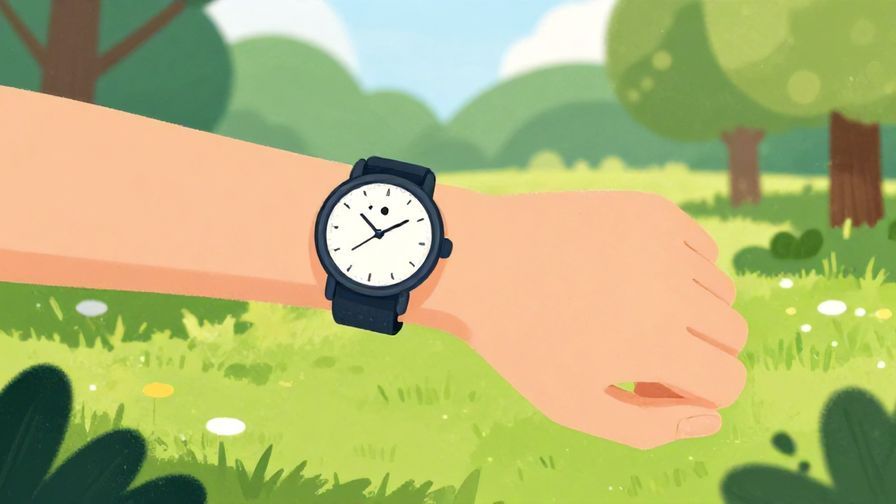
Literally “Clock what time?” this phrase is casual and a bit playful.
時計 (とけい, tokei) means “clock” or “watch.” Adding it makes your question a bit more specific.
Good for when you’re pointing at a watch or clock and want the time announced.
It’s informal, so save it for friends or family.
It’s a fun twist to practice and shows you’re getting comfortable with Japanese word order.
Similar phrase: 時計見せて? (とけいみせて?, Tokei misete?) meaning “Show me your watch?”
4. 何時だっけ? (Nanji dakke?) – “What time was it again?”

This phrase is great when you forgot or want to confirm the time someone just told you.
だっけ (dakke) adds a nuance of “was it?” or “again?” making it casual and conversational.
It’s very common among friends and family.
Pronounce 何時 as “nanji,” and say it with a questioning tone.
It helps keep conversations natural and shows you’re engaged but slightly forgetful.
Pair it with 今何時? to master casual time questions.
5. 何時になった? (Nanji ni natta?) – “What time has it become?”

This is a casual, slightly playful way to ask what time it is now.
になった (ni natta) means “has become,” so you’re literally asking “What time has it become?”
It’s common when time has passed and you want an update.
It’s informal but polite enough for casual acquaintances.
Try using it with friends when you’re waiting for something and want to check the time.
It’s a great phrase to sound more natural and less textbook.
6. 今、時計は? (Ima, tokei wa?) – “Now, how about the clock?”

Another casual way to check the time, focusing on the clock itself.
今 (ima) means “now,” 時計 (tokei) is “clock,” and は (wa) is the topic marker.
It’s like saying “How about the time on the clock now?”
Great for informal chats when you want to point attention to a clock.
It’s a little more playful and can be used with a smile to keep things light.
Try this to sound a bit more expressive and native-like.
7. 何時か教えて? (Nanji ka oshiete?) – “Can you tell me what time it is?”

This phrase is polite but still casual enough for friends.
教えて (おしえて, oshiete) means “tell me” or “teach me,” and か (ka) turns the phrase into a question.
It’s great when you want someone to actively give you the time.
Pronounce it clearly and soften your tone for friendliness.
This phrase is also a great way to practice using か as a question marker.
Using this helps you sound polite without being overly formal.
8. 今って何時? (Imatte nanji?) – “So, what time is it now?”

Adding って (tte) adds a conversational emphasis, like “so” or “by the way.”
今って何時? is casual and sounds very natural in everyday speech.
Use it when you want to gently bring up the question or clarify.
It’s a great phrase to sound more like a native speaker.
Keep it light and informal, perfect among peers.
Practice saying it with a curious tone for best effect.
Part 2: Polite & Formal Suggestions
9. 何時ですか? (Nanji desu ka?) – “What time is it?”

This is the standard polite way to ask the time in Japanese.
Adding ですか (desu ka) turns the phrase polite and question-like.
Use it with strangers, adults, or in formal situations.
It’s straightforward and always appropriate.
Practice the rising intonation at the end to sound like a question.
This phrase is essential for respectful conversation and everyday use.
10. 今、何時でしょうか? (Ima, nanji deshou ka?) – “What time would it be now?”

A very polite and formal way to ask the time.
でしょうか (deshou ka) adds a tone of respect and softness.
Perfect for business settings or when addressing someone of higher status.
It sounds gentle and considerate.
Use this when you want to be especially courteous.
It’s a great phrase to master for formal encounters.
11. 恐れ入りますが、今何時でしょうか? (Osoreirimasu ga, ima nanji deshou ka?) – “Excuse me, but what time is it now?”

A very formal and polite phrase often used to show extra respect.
恐れ入りますが (おそれいりますが, osoreirimasu ga) means “excuse me” or “I’m sorry to bother you.”
It’s perfect for situations like service counters or when asking elders.
Use it when you want to be very courteous.
Though a bit long, it’s very respectful and appreciated.
Great for formal events or customer service scenarios.
12. お時間を教えていただけますか? (Ojikan o oshiete itadakemasu ka?) – “Could you please tell me the time?”

This phrase is very polite and humble.
お時間 (おじかん, ojikan) is a respectful way to say “time.”
いただけますか (itadakemasu ka) means “could you please?”
Use it when you want to sound very polite and respectful.
It’s common in formal business or service contexts.
Practice this phrase if you want to impress with your politeness!
13. 何時頃でしょうか? (Nanji goro deshou ka?) – “About what time is it?”

Using 頃 (ごろ, goro) means “around” or “about.”
This phrase asks for an approximate time politely.
Good for when you don’t need the exact minute but a general idea.
It softens the question and sounds considerate.
Ideal for appointments or informal schedules.
Try using it when you want to sound both polite and flexible.
14. 失礼ですが、今何時でいらっしゃいますか? (Shitsurei desu ga, ima nanji de irasshaimasu ka?) – “Excuse me, but may I ask what time it is now?”
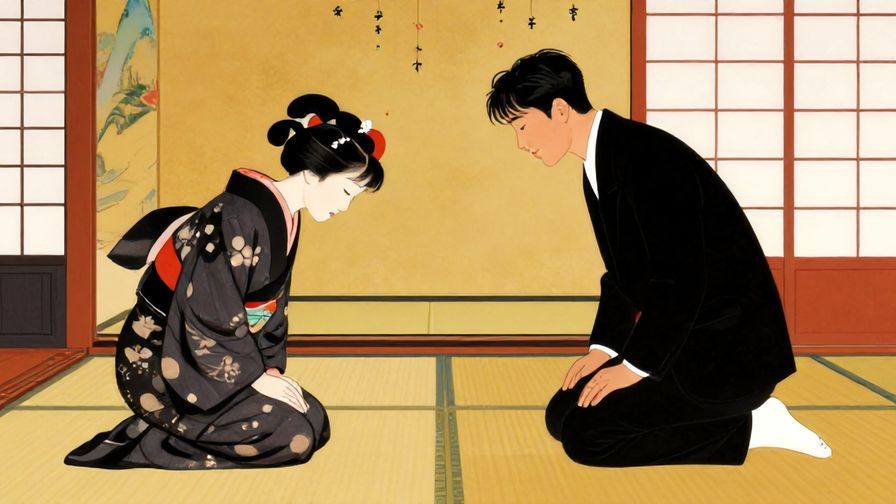
This is a highly formal and respectful way to ask the time.
失礼ですが (しつれいですが, shitsurei desu ga) means “excuse me.”
でいらっしゃいますか (de irasshaimasu ka) is a very polite way to say “is.”
Perfect for formal events, ceremonies, or addressing VIPs.
It’s a bit complex but great for advanced learners.
Use it sparingly but confidently when formality is key.
15. お時間はいかがでしょうか? (Ojikan wa ikaga deshou ka?) – “How is the time?”

This is a polite and somewhat indirect way to ask for the time.
いかがでしょうか (ikaga deshou ka) means “how is it?”
It’s formal and sounds very respectful.
Good for when you want to be gentle and professional.
Try it in business or formal social settings.
It’s a phrase that shows your Japanese sophistication.
16. 何時からでしょうか? (Nanji kara deshou ka?) – “From what time would it be?”

This phrase asks about the starting time politely.
から (kara) means “from,” so you’re asking “From what time?”
Useful when confirming schedules or appointments.
It’s polite enough for work or social events.
Practice this to sound confident in formal conversations.
It’s a precise but respectful question to know the start time.
Part 3: Very Casual / Native-like Expressions
17. 今、何時や? (Ima nanji ya?) – Kansai Dialect Casual “What time is it now?”

This is a casual Kansai dialect version of “Ima nanji?”
や (ya) replaces だ (da) or です (desu) for a more relaxed tone.
It’s common in Osaka and surrounding areas.
Use it among friends in Kansai to sound natural and local.
Great way to show you know regional Japanese.
Try it out if you’re hanging out in western Japan!
18. 何時なん? (Nanji nan?) – Casual and Friendly “What time is it?”

なん (nan) here is a casual ending similar to “is” or “what’s.”
It’s a natural way to ask among close friends.
It feels light and easygoing.
Use it to sound more native and relaxed.
Great for informal daily life conversations.
It’s a nice alternative to just “Nanji?”
19. 何時やねん? (Nanji yanen?) – Kansai Dialect Emphatic “What time is it?”

やねん (yanen) is a Kansai dialect emphatic ending.
This phrase is often used to express surprise or disbelief.
It’s very casual, sometimes humorous.
Use it with close friends or to add personality.
Perfect if you want to sound like a Kansai local.
Fun and expressive, it adds flavor to your Japanese.
20. 何時よ? (Nanji yo?) – Casual with Emphasis “What time is it?”

よ (yo) adds emphasis and assertiveness to the question.
This phrase is casual but can sound a bit demanding or playful.
Use it with friends or in informal settings.
It’s great for showing you’re eager to know the time.
Be mindful of tone to avoid sounding rude.
Perfect for lively conversations.
21. 今、なんぼ? (Ima nanbo?) – Kansai Dialect Slang “What time is it now?”

なんぼ (nanbo) is a Kansai slang for “how much” or “what time.”
This is very casual and regional.
It’s used by younger people in Kansai.
Great if you want to sound hip and local.
Not common outside Kansai, so use with care.
Fun phrase to add regional flair to your Japanese.
22. 何時になっとる? (Nanji ni nattoru?) – Casual “What time has it become?”

This is a casual, somewhat rustic way to ask the time.
なっとる (nattoru) is a casual contraction of なっている (natteiru), “has become.”
Used mainly in casual speech among friends.
It sounds very relaxed and natural.
Great for informal daily use.
Try it to add character to your conversations.
23. 何時よか? (Nanji yoka?) – Kyushu Dialect Casual “What time is it?”

よか (yoka) is used in Kyushu dialect to soften questions.
This phrase is casual and friendly.
Use it when talking to locals from southern Japan.
It’s a great way to show regional knowledge.
Sounds warmer and softer than standard Japanese.
Perfect for relaxed, friendly chats.
24. 何時やっけ? (Nanji yakke?) – Kansai Dialect “What time was it again?”

やっけ (yakke) is a Kansai dialect ending used when trying to recall something.
This phrase is like “What time was it again?” in a casual, regional tone.
It’s informal and common among friends in Kansai.
Great for sounding natural in that area.
Practice this to improve your dialect skills.
It’s a fun way to show you’re getting comfortable with Japanese variations.
Concluding Thought
Exploring these 24 ways to ask “What time is it?” in Japanese shows just how rich and varied the language is.
From polite business inquiries to playful dialect expressions, you now have tools to fit any situation.
Keep practicing, stay curious, and soon you’ll feel right at home asking for the time wherever you go in Japan!