24 Japanese ways to say “Yesterday”
Learning to say “yesterday” in Japanese might seem simple, but there’s a whole world of expressions waiting to be explored.
From casual chats to formal conversations, Japanese has many ways to talk about the past day.
Each expression carries its own nuance and charm, making your language skills richer and more natural.
Whether you’re a beginner or brushing up on your Japanese, this list will make you feel confident and connected to the culture.
Plus, knowing these variations can help you understand movies, books, and conversations better.
Ready to expand your vocabulary and sound more like a native? Let’s dive into 24 warm and relatable ways to say “yesterday” in Japanese!
Why So Many Ways to Say “Yesterday”?
Japanese is a language full of subtlety and context, which means even simple words can have multiple expressions.
Depending on how casual or formal you want to be, or what kind of conversation you’re in, different phrases shine.
We’ll start with the most common and casual ways, then move into polite and native-like expressions.
Using a great Japanese language book can give you a perfect starting point for remembering these phrases.
Each expression will help you sound more natural and connect deeper with Japanese speakers.
Let’s start with casual ways to say “yesterday” you can use with friends and family.
Part 1: Casual Suggestions
1. 昨日 (きのう, Kinō) – “Yesterday”
“Kinō” is the most common and straightforward way to say “yesterday.”
It’s perfect for everyday conversation and easy to remember because it’s used everywhere.
Try repeating “Kinō” aloud to get comfortable with the pronunciation.
It’s the go-to word when telling stories or sharing news from the day before.
Related words like “きょう” (kyō) mean “today,” which pairs nicely with “Kinō.”
Get this one down first—it’s your foundation for all other expressions!
2. 昨晩 (さくばん, Sakuban) – “Last night”
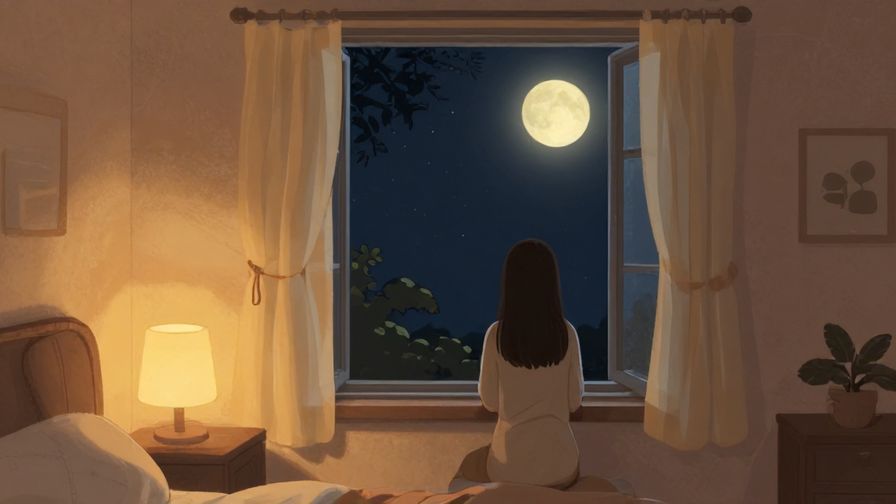
“Sakuban” means “last night,” a specific kind of “yesterday.”
Use it when you want to highlight something that happened during the nighttime yesterday.
Easily remember it by breaking down “saku” (yesterday) and “ban” (evening/night).
Don’t confuse it with “昨夜” (さくや, Sakuya), which is very similar but a bit more formal.
Example: 昨晩、映画を見た (Sakuban, eiga o mita) – “Last night, I watched a movie.”
Perfect for casual storytelling about your evening activities.
3. 昨日中に (きのうじゅうに, Kinō jū ni) – “By yesterday”
This phrase means “by the end of yesterday” or “during yesterday.”
It’s useful when talking about deadlines or something completed within the day before.
To remember, focus on “中” (jū) meaning “within” or “throughout.”
It’s a handy phrase for work or school-related conversations.
Example: 昨日中に宿題を終えた (Kinō jū ni shukudai o oeta) – “I finished my homework by yesterday.”
Use this to sound a bit more precise about timing.
4. 一昨日 (おととい, Ototoi) – “The day before yesterday”
Though not exactly “yesterday,” “Ototoi” means “the day before yesterday.”
It’s worth knowing because it often appears in conversations about recent past days.
Break it down as “一” (one) + “昨日” (yesterday) to remember it.
Example: 一昨日は雨だった (Ototoi wa ame datta) – “The day before yesterday, it rained.”
Knowing this helps you better understand timelines in conversations.
When in doubt, practice saying both “Kinō” and “Ototoi” to cover recent days!
5. 昨日さ (きのうさ, Kinō sa) – “Yesterday, you know” (casual emphasis)

Adding “さ” gives a casual, friendly emphasis to “Kinō.”
It’s like saying “Yesterday, you know,” adding a conversational tone.
Use this with friends for a more natural, relaxed vibe.
Example: 昨日さ、すごく楽しかったよ (Kinō sa, sugoku tanoshikatta yo) – “Yesterday, you know, it was super fun.”
It softens the phrase and makes it feel more like spoken Japanese.
Perfect for casual storytelling with close friends.
6. 昨日だった (きのうだった, Kinō datta) – “It was yesterday”

Use this when confirming or clarifying that something happened yesterday.
“Datta” is the past tense of “desu,” so it means “was.”
This is a straightforward way to state facts about yesterday.
Example: パーティーは昨日だった (Pātī wa kinō datta) – “The party was yesterday.”
This is a simple sentence structure great for beginners.
Practice using it to get comfortable with past tense in Japanese.
7. 昨日まで (きのうまで, Kinō made) – “Up until yesterday”

“Kinō made” means “until yesterday,” expressing an endpoint.
Great for talking about something that stopped or changed after yesterday.
Remember “まで” (made) means “until.”
Example: 昨日まで忙しかった (Kinō made isogashikatta) – “I was busy until yesterday.”
Use this to describe changes or deadlines.
It’s a useful phrase for both casual and semi-formal conversations.
8. 昨日から (きのうから, Kinō kara) – “Since yesterday”
“Kinō kara” means “since yesterday,” a phrase about starting points.
“から” (kara) means “from” or “since.”
It’s perfect for explaining how long something has lasted.
Example: 昨日から風邪を引いている (Kinō kara kaze o hiite iru) – “I’ve had a cold since yesterday.”
Use it to talk about ongoing states or conditions.
This phrase adds depth to your time expressions.
Part 2: Polite & Formal Suggestions
9. 一昨日 (せんじつ, Senjitsu) – Formal for “the day before yesterday”

“Senjitsu” is a polite way to say “the day before yesterday.”
It’s often used in formal writing or business contexts.
Knowing this helps you shift tones smoothly.
Example: 一昨日の会議は重要でした (Senjitsu no kaigi wa jūyō deshita) – “The meeting the day before yesterday was important.”
It’s a good phrase to add to your formal vocabulary.
Practice this when you want to sound respectful and clear.
10. 昨日付け (きのうづけ, Kinō-zuke) – “Dated yesterday” (official)
“Kinō-zuke” means “dated yesterday,” a formal term used in paperwork.
It’s common in business letters or official documents.
Remember “付け” (zuke) means “dated” or “marked.”
Example: 昨日付けの報告書を提出しました (Kinō-zuke no hōkokusho o teishutsu shimashita) – “I submitted the report dated yesterday.”
Use this phrase when dealing with formal dates or deadlines.
It’s a useful term for professional communication.
11. 昨日および (きのうおよび, Kinō oyobi) – “Yesterday and” (formal connector)

“Kinō oyobi” means “yesterday and” used to connect dates formally.
“および” (oyobi) means “and” in official contexts.
This phrase is common in legal or business documents.
Example: 昨日および本日の会議について (Kinō oyobi honjitsu no kaigi ni tsuite) – “Regarding yesterday’s and today’s meetings.”
Understanding this helps with reading formal Japanese texts.
It’s a great phrase for advanced learners.
12. 前日 (ぜんじつ, Zenjitsu) – “The previous day”

“Zenjitsu” means “the previous day,” a formal way to say “yesterday.”
Often used in news reports or official announcements.
It’s less casual but very useful to know.
Example: 前日のイベントは成功しました (Zenjitsu no ibento wa seikō shimashita) – “The previous day’s event was a success.”
Good to use when explaining timelines in a formal setting.
Try to include this in your vocabulary for news or academic Japanese.
13. 昨日付 (さくじつづけ, Sakujitsu-zuke) – Another formal “dated yesterday”
“Sakujitsu-zuke” is similar to “Kinō-zuke,” meaning “dated yesterday.”
It’s a more formal or literary term often seen in official papers.
Example: 昨日付の契約書を確認しました (Sakujitsu-zuke no keiyakusho o kakunin shimashita) – “I confirmed the contract dated yesterday.”
Use this for formal writing or business contexts.
It’s helpful to recognize this when reading contracts or reports.
Good practice for professional Japanese learners.
14. 昨日以前 (きのういぜん, Kinō izen) – “Before yesterday”
“Kinō izen” means “before yesterday,” a formal way to reference earlier days.
“以前” (izen) means “before” or “prior to.”
Example: 昨日以前に注文しました (Kinō izen ni chūmon shimashita) – “I ordered before yesterday.”
Use this to specify time frames more precisely.
It’s great for formal or written communication.
Try it when discussing deadlines or past events clearly.
15. 昨日以降 (きのういこう, Kinō ikō) – “From yesterday onward”

“Kinō ikō” means “from yesterday onward,” useful in formal contexts.
“以降” (ikō) means “after” or “from.”
Example: 昨日以降、状況が変わった (Kinō ikō, jōkyō ga kawatta) – “The situation changed from yesterday onward.”
Use it when discussing changes or progress starting yesterday.
It fits well in reports or formal conversations.
Practice this for a more professional tone.
16. 昨日になって (きのうになって, Kinō ni natte) – “When it became yesterday”
“Kinō ni natte” means “when it became yesterday,” often used to describe transitions.
It’s a bit more descriptive and formal.
Example: 昨日になって急に寒くなった (Kinō ni natte kyū ni samuku natta) – “It suddenly became cold when it turned to yesterday.”
Great for storytelling or detailed explanations.
It adds nuance to your descriptions of time.
Use this phrase to sound more natural in formal narratives.
Part 3: Very Casual / Native-like Expressions
17. 昨日さ~ (きのうさ~, Kinō sa~) – Casual “yesterday” with soft emphasis

This is a very casual and friendly way of saying “yesterday.”
Adding “さ~” softens the tone and makes the conversation feel light and natural.
Use it with close friends or in informal chats.
Example: 昨日さ~、めっちゃ楽しかったよ (Kinō sa~, meccha tanoshikatta yo) – “Yesterday was super fun, you know.”
It’s a great phrase to sound like a native speaker.
Try listening for it in casual Japanese dramas or conversations.
18. 昨日っちゅうか (きのうっちゅうか, Kinō cchū ka) – Slangy “or rather yesterday”

This slangy phrase is used when correcting or clarifying that something happened “yesterday.”
It’s very informal and common among younger people.
“っちゅうか” is a casual version of “というか” (to iu ka), meaning “or rather.”
Example: 昨日っちゅうか、ほんのさっきまでいたよ (Kinō cchū ka, hon no sakki made ita yo) – “Or rather, I was just there until a little while ago yesterday.”
Use it to sound playful and natural in casual speech.
Perfect for informal chats or social media.
19. 昨日なんだけど (きのうなんだけど, Kinō nan da kedo) – “About yesterday…”
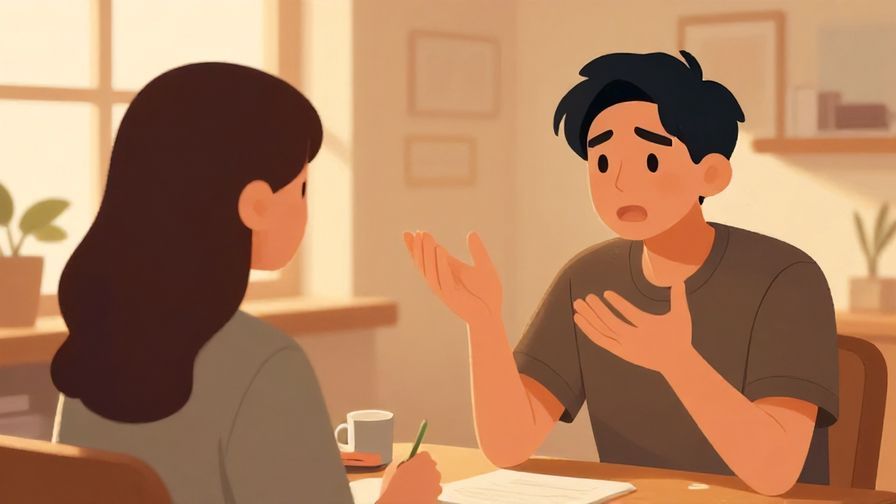
This phrase is a casual way to start a story or ask about something that happened yesterday.
It’s like saying “So, about yesterday…” and is very common in spoken Japanese.
“なんだけど” softens the statement, making it polite but casual.
Example: 昨日なんだけど、会議が急にキャンセルされた (Kinō nan da kedo, kaigi ga kyū ni kyanseru sareta) – “About yesterday, the meeting was suddenly canceled.”
Great for storytelling or bringing up past events naturally.
Use it to engage listeners before sharing details.
20. 昨日だったんだよね (きのうだったんだよね, Kinō dattan da yo ne) – “It was yesterday, you know”
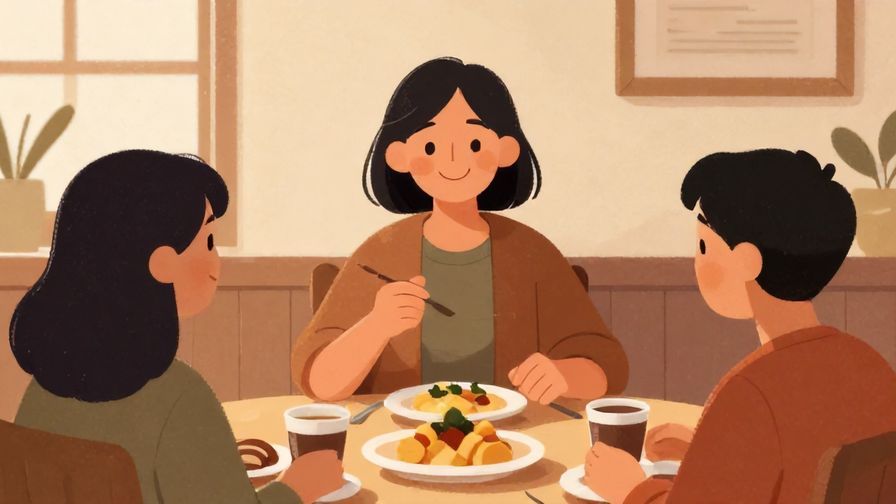
This casual phrase confirms something happened yesterday with a friendly tone.
Adding “んだよね” gives it an explanatory and engaging feel.
Example: 昨日だったんだよね、あのイベント (Kinō dattan da yo ne, ano ibento) – “That event was yesterday, you know.”
Use it to keep conversations flowing and sound natural.
It’s a helpful phrase to practice with native speakers.
Try to mimic the intonation to get the full effect.
21. 昨日さあ (きのうさあ, Kinō saa) – “Yesterday, well…” (casual intro)
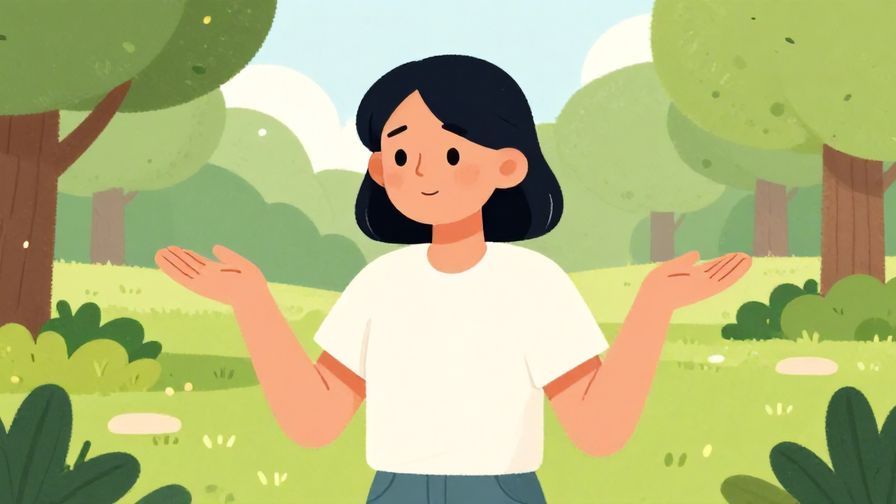
“Kinō saa” is a casual way to start a sentence about yesterday with a bit of hesitation or thinking.
It’s used to soften statements or make them more relatable.
Example: 昨日さあ、忘れちゃったんだよね (Kinō saa, wasurechatta n da yo ne) – “Well, yesterday, I totally forgot.”
Perfect for casual storytelling among friends.
It adds personality and warmth to your speech.
Try using it to sound more approachable.
22. 昨日ってば (きのうってば, Kinō tte ba) – “Hey, yesterday…” (informal emphasis)

Adding “ってば” makes the phrase playful and slightly demanding attention.
It’s used to emphasize or remind someone about yesterday in a fun way.
Example: 昨日ってば、遅刻したよね? (Kinō tte ba, chikoku shita yo ne?) – “Hey, you were late yesterday, right?”
Use it when joking or playfully calling someone out.
It’s very casual and common in friendly banter.
This phrase can make your Japanese feel more lively and familiar.
23. 昨日やった (きのうやった, Kinō yatta) – “Did it yesterday” (very casual)

“Yatta” is the past tense of “yaru” (to do), so this phrase means “did it yesterday.”
It’s very casual and often used among friends.
Example: 宿題は昨日やったよ (Shukudai wa kinō yatta yo) – “I did my homework yesterday.”
Great for informal chats to sound natural.
Practice it to get comfortable with casual past tense.
It’s simple but effective for everyday speech.
24. 昨日からさ (きのうからさ, Kinō kara sa) – “Since yesterday, you know” (casual)

This adds a casual, conversational “you know” to “since yesterday.”
“Sa” is a soft filler that makes the sentence sound relaxed and friendly.
Example: 昨日からさ、ずっと頭痛がするんだ (Kinō kara sa, zutto zutsū ga surun da) – “Since yesterday, you know, I’ve had a headache.”
Use it to make your speech sound more native-like and natural.
It’s great for casual storytelling or explaining ongoing issues.
Try adding “sa” when chatting with friends to sound cooler.
Concluding Thought
Exploring these 24 expressions shows just how rich and versatile Japanese can be when talking about time.
Each phrase has its own flavor, making your conversations more natural and connected to culture.
Keep practicing, and soon you’ll find yourself using these variations effortlessly, impressing your friends and deepening your understanding!