24 Japanese ways to say “Tomorrow”
Tomorrow is a word full of promise, anticipation, and new beginnings. In Japanese, there are many ways to express this simple yet hopeful concept.
Whether you’re chatting with friends, writing a formal email, or just daydreaming about the future, Japanese offers a rich variety of expressions for “tomorrow.”
Exploring these phrases is a fun way to deepen your language skills and understand cultural nuances.
From casual chats to polite conversations, knowing different ways to say “tomorrow” can make your Japanese feel more natural and expressive.
Plus, it’s a neat way to impress friends or show off your growing vocabulary!
Let’s dive into the 24 Japanese ways to say “tomorrow” with some easy explanations and pronunciation guides.
Basic & Common Expressions
These are the everyday ways most Japanese speakers use to say “tomorrow.”
Starting with these will give you a solid foundation, as they’re used in casual and formal settings alike.
Master them first to feel confident in your daily conversations.

Having a handy Japanese dictionary nearby can help you explore these phrases further.
These words will open doors to understanding time expressions in Japanese.
Practice them with friends or through apps for quick recall.
Part 1: Casual Suggestions
1. 明日 (あした, Ashita) – “Tomorrow”

Ashita is the most common and straightforward word for “tomorrow” in Japanese.
It’s casual and used widely in daily conversations among friends and family. Just remember it’s simple and direct.
Using Ashita is a great first step to sounding natural in Japanese.
It can be used in almost any situation when talking about the next day.
For example, “Ashita, eiga ni ikimasu” means “I’m going to the movies tomorrow.”
Keep this word in your core vocabulary, and you’ll be ready for many conversations!
2. 明日 (あす, Asu) – “Tomorrow” (slightly formal)

Asu is another way to say “tomorrow,” often used in newspapers, formal speech, or business settings.
It’s a bit more polite and less casual than Ashita, so it’s great for professional conversations.
Try practicing Asu in formal emails or polite chats to sound respectful.
Just note it’s less common in casual talk among friends.
For example, “Asu wa shiken ga arimasu” means “There is a test tomorrow.”
Switching between Ashita and Asu depending on context will make you sound more natural.
3. 明日 (みょうにち, Myounichi) – “Tomorrow” (very formal)

Myounichi is a formal, almost literary word for “tomorrow.”
You’ll hear it in news broadcasts, official announcements, or formal speeches.
It’s less common in everyday conversation but important for formal writing.
For example, “Myounichi no kaigi wa jikan doori desu” means “Tomorrow’s meeting will be on time.”
Learning this word helps you understand and participate in formal Japanese contexts.
Try to notice it in newspapers or formal invitations to get used to it.
4. 明後日 (あさって, Asatte) – “Day after tomorrow”

Asatte means “the day after tomorrow,” a useful addition for talking just a bit further ahead.
It’s casual and common in daily conversations.
It helps you expand your time vocabulary beyond just tomorrow.
For example, “Asatte wa yasumi desu” means “The day after tomorrow is a holiday.”
Try to pair this with Ashita to talk about near-future plans naturally.
It’s a neat way to sound more fluent and precise in Japanese.
5. すぐ明日 (すぐあした, Sugu ashita) – “Immediately tomorrow” or “First thing tomorrow”

Sugu ashita literally means “right tomorrow” or “immediately tomorrow.”
Use it to emphasize something happening first thing the next day.
It’s casual and adds a little urgency or excitement to your statement.
For example, “Sugu ashita kaimono ni ikimasu” means “I’m going shopping first thing tomorrow.”
Perfect for when you want to sound lively and natural in conversation.
It’s a small twist that shows you understand nuances in timing.
6. 明日中に (あしたじゅうに, Ashita juu ni) – “By tomorrow”

Ashita juu ni means “by tomorrow” or “within tomorrow.”
It’s useful for deadlines or promises involving the next day.
Great for casual or semi-formal contexts when discussing timing.
For example, “Ashita juu ni shukudai o owatte kudasai” means “Please finish your homework by tomorrow.”
Practice this to sound clear when setting expectations.
It’s a handy phrase for work, school, or daily life.
7. 明日も (あしたも, Ashita mo) – “Tomorrow too”

Ashita mo means “tomorrow too” or “also tomorrow.”
It’s perfect for expressing continuation or repetition of plans.
Casual and friendly, you can use it easily in conversation.
For example, “Ashita mo issho ni asobou” means “Let’s hang out tomorrow too.”
Try this phrase to sound more natural and connected.
It’s a simple way to add warmth to your talk about future plans.
8. 明日から (あしたから, Ashita kara) – “Starting tomorrow”

Ashita kara means “starting tomorrow” and is great for announcing changes or new activities.
Use it to show the beginning of something on the next day.
It’s casual but clear, perfect for everyday use.
For example, “Ashita kara benkyou wo hajimemasu” means “I’ll start studying tomorrow.”
Learning this phrase helps you talk about plans and commitments naturally.
It’s a practical addition for conversations about schedules.
Part 2: Polite & Formal Suggestions
9. 翌日 (よくじつ, Yokujitsu) – “The following day” (formal)

Yokujitsu is a polite way to say “the following day” or “next day.”
It’s often used in business or formal writing.
Perfect for emails, reports, or official documents.
For example, “Yokujitsu ni kaigi ga arimasu” means “There is a meeting the following day.”
Knowing this phrase helps you understand formal Japanese contexts better.
Practice it to sound professional and respectful.
10. 翌朝 (よくあさ, Yokuasa) – “The next morning” (formal)

Yokuasa literally means “the next morning” and is a polite expression.
It’s common in formal writing or polite conversations.
Use it to specify morning plans politely.
For example, “Yokuasa ni shuppatsu shimasu” means “I will depart the next morning.”
Great for travel plans or polite schedules.
It’s a refined way to talk about tomorrow’s morning.
11. 明日付けで (あすづけで, Asuzuke de) – “Dated tomorrow” (formal)

Asuzuke de means “dated tomorrow,” used in official documents or letters.
It’s a formal phrase indicating the date something is recorded or sent.
Helpful for legal, business, or formal correspondence.
For example, “Asuzuke de shorui o okurimasu” means “I will send the documents dated tomorrow.”
Understanding this phrase is useful for formal Japanese reading and writing.
It adds precision when discussing official dates.
12. 明日付 (あすづけ, Asuzuke) – “Tomorrow’s date” (formal)

Asuzuke is a shortened version of the previous phrase.
It’s used to refer to “tomorrow’s date” in a formal context.
Common in paperwork, announcements, or formal instructions.
For example, “Asuzuke no shorui ni sain shite kudasai” means “Please sign the documents dated tomorrow.”
Learning this phrase helps with understanding formal Japanese materials.
It’s great for anyone working in or reading official documents.
13. 翌々日 (よくよくじつ, Yokuyokujitsu) – “Two days later” (very formal)
Yokuyokujitsu means “two days later,” used in very formal or literary contexts.
It’s less common in casual talk but appears in legal or official documents.
It helps express time precisely beyond just “tomorrow.”
For example, “Yokuyokujitsu made ni kotaete kudasai” means “Please respond by two days later.”
Understanding this can improve your reading of formal Japanese texts.
Try spotting it in newspapers or official announcements.
14. 翌日以降 (よくじついこう, Yokujitsu ikou) – “From the next day onward”

Yokujitsu ikou means “from the following day onward,” a formal way to describe ongoing time.
Useful in business or legal contexts when defining effective dates.
For example, “Yokujitsu ikou kara jisshi shimasu” means “It will be implemented from the next day onward.”
It’s a handy phrase to express continuity starting tomorrow.
Recognizing this helps comprehension in formal Japanese documents.
Practice it to sound precise and professional.
15. 翌日発送 (よくじつはっそう, Yokujitsu hassou) – “Shipping the next day”

Yokujitsu hassou means “shipping the next day,” often seen in business or online shopping contexts.
It is formal but also practical for everyday situations involving deliveries.
For example, “Yokujitsu hassou no meru” means “Mail will be shipped the next day.”
Great to know if you’re dealing with Japanese logistics or shopping.
It’s a useful phrase bridging formal and casual worlds.
Try spotting this phrase when shopping online or in shipping notices.
16. 明日お伺いします (あしたおうかがいします, Ashita oukagai shimasu) – “I will visit tomorrow” (very polite)
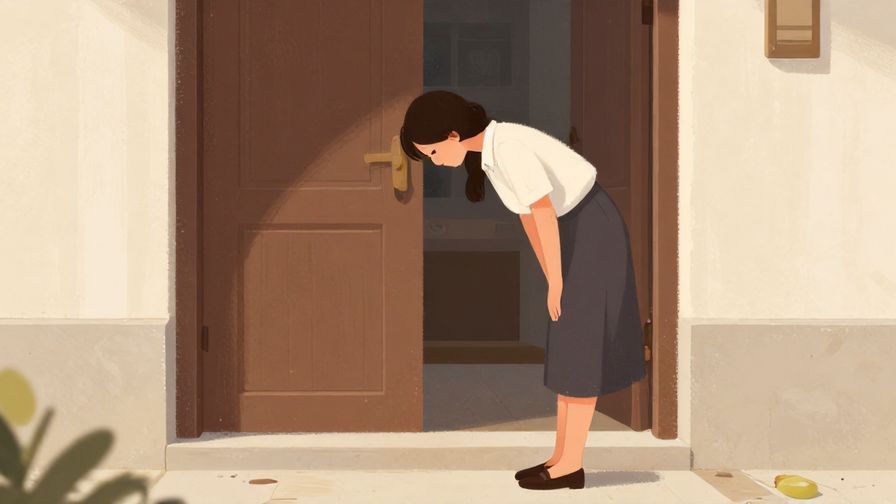
Ashita oukagai shimasu is a very polite way to say “I will visit tomorrow.”
It’s perfect in business or respectful social contexts.
Use it when visiting clients or elders to show proper manners.
For example, “Ashita oukagai shimasu. Yoroshiku onegaishimasu” means “I will visit tomorrow. Please take care of me.”
Learning polite phrases like this will elevate your Japanese communication skills.
It shows respect and professionalism with just a few words.
Part 3: Very Casual / Native-like Expressions
17. 明日さ (あしたさ, Ashita sa) – “You know, tomorrow” (casual, emphatic)

Ashita sa adds a casual, emphatic tone to “tomorrow.”
It’s often used in relaxed conversation to draw attention or add emphasis.
Try it to sound more like a native speaker among friends.
For example, “Ashita sa, minna de party ni iku yo” means “You know, everyone’s going to the party tomorrow.”
Perfect for informal storytelling or making plans.
Use it sparingly to keep the casual vibe natural.
18. 明日っつーか (あしたっつーか, Ashita ttsuuka) – “Tomorrow, or rather…” (very casual)

Ashita ttsuuka is a slangy way to say “tomorrow, or rather…”
It’s used when correcting or clarifying what you mean.
Common in very casual talk, especially among young people.
For example, “Ashita ttsuuka asatte ikimasu” means “Tomorrow, or rather the day after tomorrow, I’m going.”
Great for sounding relaxed and natural in informal contexts.
Be careful to use it only with close friends or peers.
19. 明日な (あしたな, Ashita na) – “Tomorrow, huh?” (casual, reflective)

Ashita na adds a reflective or slightly rhetorical tone to “tomorrow.”
It’s casual and often used when thinking aloud or confirming plans.
For example, “Ashita na, eiga ni ikou ka” means “Tomorrow, huh, shall we go to the movies?”
Using this can make your Japanese sound more conversational and natural.
It’s a neat way to express contemplation or suggestion.
Try it in casual chats to practice nuance.
20. 明日っちゅうか (あしたっちゅうか, Ashita cchuu ka) – “Tomorrow, or rather…” (very casual)

Ashita cchuu ka is a very casual phrase used to correct or specify a time.
It’s slangy and common among younger speakers.
For example, “Ashita cchuu ka, mainichi no you ni asobi ni iku” means “Tomorrow, or rather, I’m going to hang out like every day.”
It’s a fun way to sound relaxed and native-like.
Use it with friends for casual, friendly conversations.
Be mindful to avoid this in formal situations.
21. 明日っぽい (あしたっぽい, Ashita ppoi) – “Tomorrow-ish” (casual, approximate)

Ashita ppoi means “tomorrow-ish,” used to describe something around tomorrow.
It adds a casual, approximate feel to your statement.
For example, “Ashita ppoi hi ni kite ne” means “Come around tomorrow-ish.”
Great for casual invites without being too precise.
It shows your flexibility with time in casual talk.
Use it when you want to sound friendly and spontaneous.
22. 明日じゃん (あしたじゃん, Ashita jan) – “It’s tomorrow!” (casual, surprised)

Ashita jan expresses surprise or realization that something is happening tomorrow.
Casual and energetic, it’s perfect among friends.
For example, “Ashita jan! Soudesune!” means “It’s tomorrow! That’s right!”
Use it to show excitement or sudden awareness.
It adds a lively touch to conversations.
Try this to sound spontaneous and fun.
23. 明日で (あしたで, Ashita de) – “As of tomorrow” (casual/formal)

Ashita de means “as of tomorrow,” indicating a change starting then.
It’s versatile enough for casual and some polite contexts.
For example, “Ashita de shigoto o yamemasu” means “I will quit work as of tomorrow.”
Great for talking about deadlines or starting points.
It’s a handy phrase to express clear timing.
Practice it to sound confident and precise.
24. 明日か明後日 (あしたかあさって, Ashita ka asatte) – “Tomorrow or the day after tomorrow”
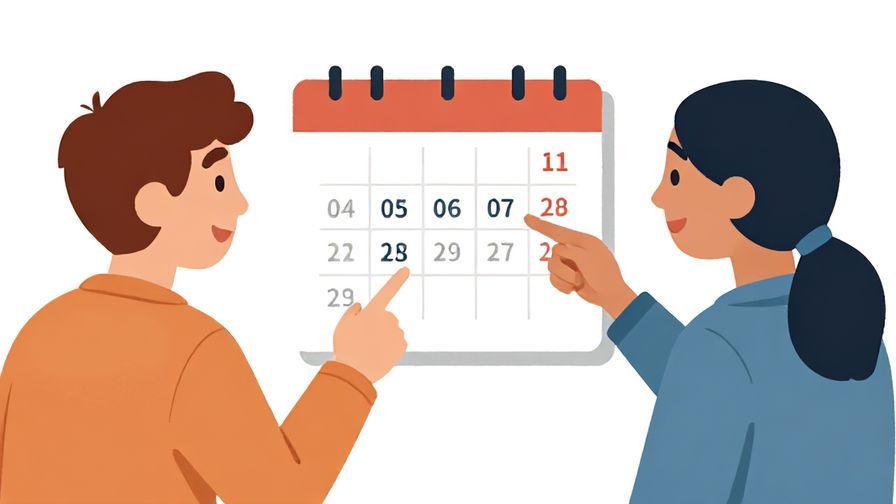
Ashita ka asatte means “tomorrow or the day after tomorrow,” useful when you’re unsure exactly when.
It’s casual and practical in everyday conversations.
For example, “Ashita ka asatte aimashou” means “Let’s meet tomorrow or the day after tomorrow.”
It helps you sound natural when planning flexibly.
Use it to avoid sounding too rigid about time.
It’s a great phrase to keep handy for casual scheduling.
Concluding Thought
Exploring these 24 ways to say “tomorrow” in Japanese shows just how rich and nuanced the language can be.
From casual chats to formal meetings, having the right word or phrase helps you connect more naturally with others.
Keep practicing, and soon you’ll find your Japanese sounding more fluent, warm, and expressive every day!