24 Japanese ways to say “Later”
Sometimes, we just want to say “later” in Japanese in a casual, polite, or even playful way. Whether you’re scheduling plans or just saying goodbye, there’s a perfect phrase for every situation.
Japanese offers a rich variety of expressions to convey “later,” each with its own nuance and flavor. It’s like having a little toolbox for every social moment.
From casual chats with friends to formal meetings, these 24 ways will help you sound natural and warm, no matter the context.
Learning these phrases isn’t just about words—it’s about connecting with others in a way that feels genuine and thoughtful.
Keep these handy, and your Japanese will feel more fluid, friendly, and fun. Plus, you’ll impress native speakers with your range!
Ready to explore? Let’s dive into the many ways to say “later” in Japanese, with easy pronunciation guides and real-life tips.
Getting Started: Why Knowing Multiple Ways Matters
Japanese is full of subtlety, especially when it comes to time and politeness. Knowing different ways to say “later” helps you navigate conversations smoothly.
Sometimes, a simple “mata ne” (see you later) fits, but other times, a more formal or nuanced phrase is better. The right phrase shows you understand the social context.
Mastering these phrases can make your Japanese feel more natural and less textbook-like.

Sometimes, using a great beginner phrasebook can give you a perfect starting point for a cohesive understanding.
With practice, you’ll pick up the rhythm and tone that fits each phrase perfectly.
Ready to start? Let’s explore the first set focused on casual and easy-to-use expressions.
Part 1: Casual Suggestions
1. 行けたら行く (Iketara iku) – “I’ll come if I can.”
This phrase is perfect when you want to keep plans flexible.
“行けたら” (iketara) means “if I can go,” and “行く” (iku) means “I’ll go.” Together, it’s a polite way to say, “I’ll come later if I’m able.”
It’s great for casual invites when you’re unsure of your schedule.
Using this phrase shows you’re interested but not committing fully just yet.
It’s similar to saying “maybe later” in English but with a softer tone.
Try it next time you want to leave plans open without sounding rude.
2. またね (Mata ne) – “See you later.”

This is a super common, friendly way to say “later” among friends.
“また” (mata) means “again” and “ね” (ne) adds a soft, confirming tone, like “right?” or “okay?”
It feels warm and casual, perfect for everyday goodbyes.
Be careful not to use it in formal situations, where it might sound too informal.
Example: After hanging out, say “またね” as you part ways.
It’s like a gentle promise to meet again soon.
3. 後でね (Ato de ne) – “Later, okay?”
This phrase is casual but slightly more specific, meaning “later on.”
“後で” (ato de) means “after” or “later,” and “ね” (ne) softens it with a friendly tone.
Great for texting or quick conversations when you’ll talk again soon.
It’s less open-ended than “またね” and implies a specific follow-up.
You can use it after making plans or ending a call.
It’s a versatile phrase to keep in your daily chat toolbox.
4. またあとで (Mata ato de) – “See you again later.”
This combines “また” (again) with “あとで” (later), making it a friendly “see you again later.”
It’s casual but a bit more deliberate than just “またね.”
Use it when you expect to reconnect later the same day or soon.
It’s great for friends, coworkers, or classmates.
A nice phrase to sound warm and natural without being too formal.
It can be paired with a wave or smile to leave a positive impression.
5. 後で話そう (Ato de hanasou) – “Let’s talk later.”

This phrase is great when you want to postpone a conversation politely.
“後で” (ato de) means “later,” and “話そう” (hanasou) is the volitional form of “talk,” meaning “let’s talk.”
It’s friendly but also action-oriented, suggesting a future chat.
Perfect for work or study situations when timing doesn’t match.
Try it to sound considerate without shutting down discussion.
It shows you value the conversation but just need a better time.
6. また今度 (Mata kondo) – “Next time.”
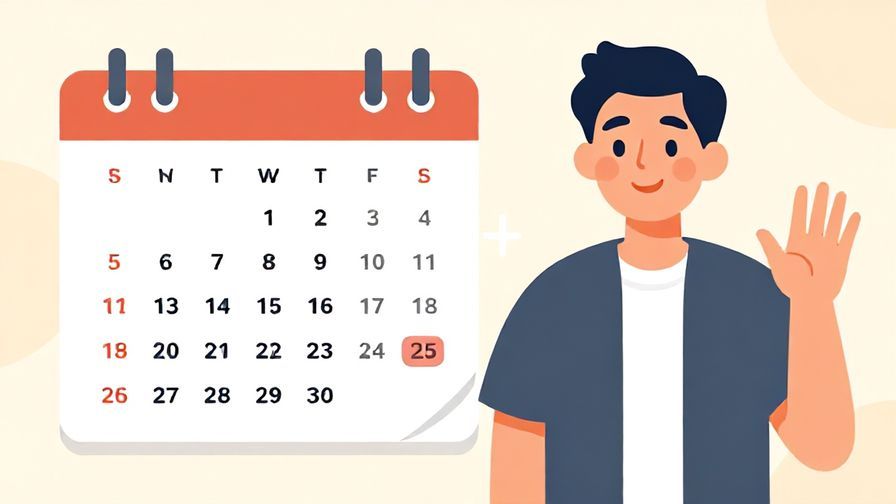
This phrase means “next time” or “some other time.”
“また” (again) and “今度” (kondo) means “this time” or “next time” depending on context.
It’s often used when you want to postpone plans without specifying exactly when.
It’s polite but casual, suitable for friends or colleagues.
Good for gently declining while leaving the door open.
Using it helps keep relationships positive and flexible.
7. また後でね (Mata ato de ne) – “See you later, okay?”
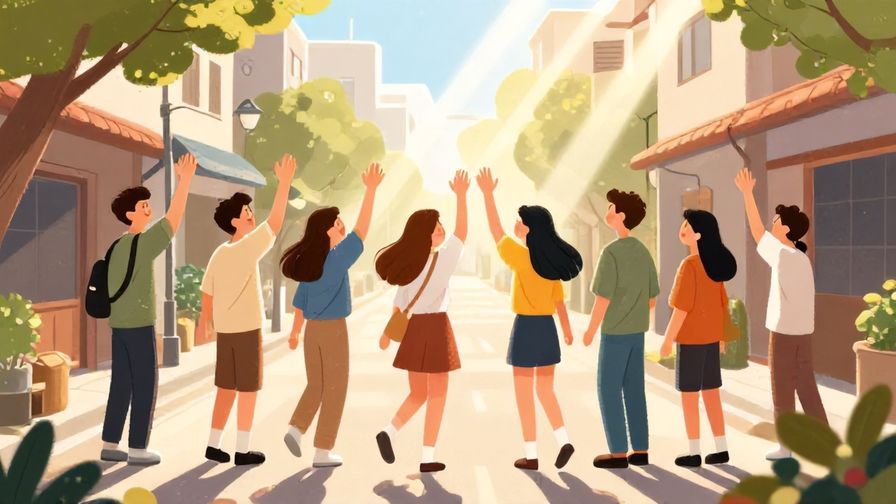
This is a warm, friendly way to say “see you later” with a soft “ne” at the end.
It combines “また” (again), “後で” (later), and “ね” (friendly particle) for a comforting tone.
Use it with friends or family when leaving temporarily.
It’s more casual and affectionate than just “またね.”
Perfect for daily goodbyes that feel personal and reassuring.
Try it to sound approachable and kind in everyday chats.
8. じゃあね (Jaa ne) – “Well then, see you.”

“じゃあね” is like saying “well then, see you later” in a casual way.
“じゃあ” (jaa) means “well then” or “so,” and “ね” (ne) adds friendliness.
It’s very common among young people and friends.
Avoid using it in formal or professional settings.
It’s a quick, cheerful goodbye that feels natural and easy.
Perfect for ending casual conversations smoothly.
Part 2: Polite & Formal Suggestions
9. また後ほど (Mata nochihodo) – “Later on.”

This is a polite way to say “later” in a formal context.
“後ほど” (nochihodo) means “later on,” and “また” (again) adds “see you again.”
It’s often used in business emails or phone calls.
It sounds respectful and professional.
Use it when scheduling meetings or following up politely.
This phrase helps you maintain good etiquette in formal settings.
10. 後ほど失礼いたします (Nochihodo shitsurei itashimasu) – “I will excuse myself later.”

This is a very polite way to say you’ll leave or do something later.
“失礼いたします” (shitsurei itashimasu) is a humble form of “excuse me.”
Perfect for formal meetings or calls.
It shows respect and consideration for others’ time.
Use it to gracefully exit or postpone actions.
It’s a phrase that reflects excellent manners in Japanese culture.
11. また後ほどご連絡いたします (Mata nochihodo go-renraku itashimasu) – “I will contact you later.”

This is a polite phrase for promising to get in touch later.
“ご連絡いたします” (go-renraku itashimasu) means “I will contact you” humbly.
Use it in emails or calls to assure follow-up.
It sounds professional and reliable.
Great for work or formal communication.
It leaves a positive impression of responsibility.
12. 後ほどまたお会いしましょう (Nochihodo mata o-ai shimashou) – “Let’s meet again later.”

This is a polite invitation to meet again later.
“お会いしましょう” (o-ai shimashou) is a respectful way to say “let’s meet.”
It’s perfect for scheduling follow-ups in business or formal settings.
Use it to sound courteous and professional.
It shows enthusiasm for continuing the relationship.
A great phrase to build rapport respectfully.
13. 後ほど確認いたします (Nochihodo kakunin itashimasu) – “I will check later.”

Use this phrase when you want to politely say you’ll check on something later.
“確認いたします” (kakunin itashimasu) is the humble form of “I will confirm/check.”
Great for business or customer service contexts.
It shows you’re taking responsibility seriously.
It’s a respectful way to postpone an action.
Perfect for maintaining professionalism in communication.
14. 後ほどお返事いたします (Nochihodo o-henji itashimasu) – “I will reply later.”

This is a polite way to promise a reply later.
“お返事いたします” (o-henji itashimasu) means “I will respond” humbly.
Use it in formal emails or messages.
It sounds courteous and professional.
It helps manage expectations respectfully.
A key phrase for business or serious communication.
15. 後ほど改めてご連絡いたします (Nochihodo aratamete go-renraku itashimasu) – “I will contact you again later.”

This phrase is a formal way to say you’ll follow up later.
“改めて” (aratamete) means “again” or “properly.”
Use it when you want to emphasize careful follow-up.
It’s respectful and professional.
Shows your intent to provide thorough communication.
Perfect for maintaining trust in formal contexts.
16. ではまた後ほど (Dewa mata nochihodo) – “Well then, see you later.”
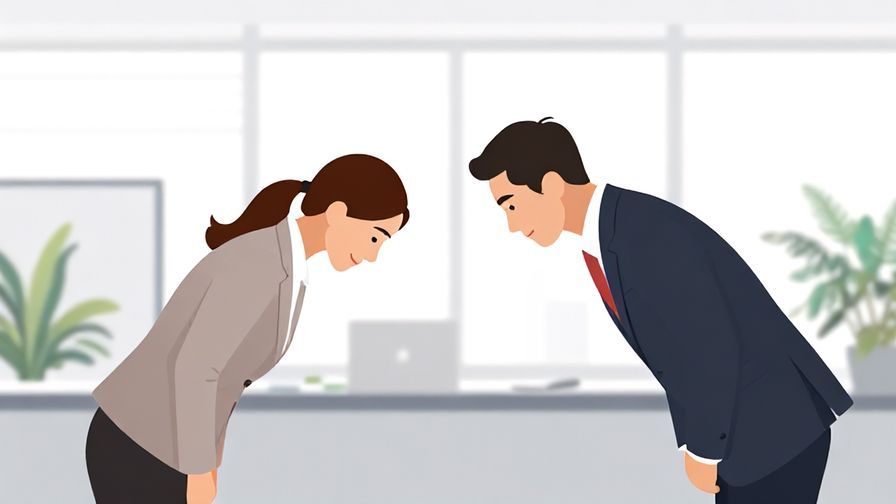
This is a polite closing phrase often used in formal conversations.
“では” (dewa) means “well then,” “また” (again), and “後ほど” (later on).
It’s a smooth way to end meetings or calls respectfully.
Use it to sound courteous without being too stiff.
A nice balance between formality and friendliness.
Great for professional yet warm farewells.
Part 3: Very Casual / Native-like Expressions
17. じゃあ、また (Jaa, mata) – “Well, see you later.”

This is a super casual, native-like way to say “see you later.”
“じゃあ” (jaa) means “well then,” and “また” (again) is a friendly “see you.”
Often used among close friends or family.
It’s relaxed and natural, perfect for everyday life.
Try it to sound like a local in casual chats.
It’s easy to remember and widely used.
18. あとでね (Ato de ne) – “Later, okay?”

This is a very casual, friendly way to say “later.”
“あとで” (ato de) means “later,” and “ね” (ne) adds a soft confirmation.
Used often in texting and informal speech.
It feels warm and non-committal.
Great for quick goodbyes or promises to chat again.
Use it to sound approachable and easy-going.
19. また今度ね (Mata kondo ne) – “Next time, okay?”

This is a playful and casual way to say “next time.”
“また今度” (mata kondo) means “again next time,” with “ね” softening the tone.
It’s often used when plans don’t work out immediately.
It keeps things light-hearted and friendly.
Perfect for casual conversations with peers.
It’s a phrase that keeps connections open.
20. じゃ、またね (Ja, mata ne) – “Well, see you later.”

This is a common, casual phrase combining “well then” and “see you later.”
It’s friendly and sounds natural among younger people.
Use it to end conversations on a positive note.
It’s informal but polite enough for most social settings.
Great for daily life and casual farewells.
Easy to say and remember for beginners.
21. またな (Mata na) – “Later!” (masculine)

“またな” is a very casual, masculine way to say “later.”
It’s often used among male friends or in informal groups.
“な” adds a rough but friendly tone.
Use it when you want to sound laid-back and cool.
Avoid in formal or mixed company to keep it appropriate.
A fun phrase that shows casual familiarity.
22. また今度よろしく (Mata kondo yoroshiku) – “Looking forward to next time.”

This phrase means “please treat me well next time” or “looking forward to next time.”
It’s casual but expresses positive anticipation.
“よろしく” (yoroshiku) is a versatile word for goodwill.
Use it after cancelling plans or ending a meeting.
Keeps the vibe friendly and hopeful.
Perfect for building lasting friendships.
23. じゃあまたね (Jaa mata ne) – “Well then, see you later.”

This is a friendly, casual goodbye phrase.
It’s similar to “じゃあね” but adds “また” for “again.”
Very common in spoken Japanese among friends.
It’s light and easygoing, perfect for quick farewells.
Use it to sound natural and warm.
Great for beginners wanting a safe casual phrase.
24. 後でまたね (Ato de mata ne) – “Later again, okay?”

This phrase combines “later” and “again” with a friendly particle.
It’s casual and implies you’ll meet or talk again soon.
“ね” (ne) softens the phrase and invites agreement.
Great for informal chats or texting friends.
It sounds warm and anticipatory.
Perfect for keeping connections lively and friendly.
Concluding Thought
Exploring all these ways to say “later” in Japanese shows how rich and nuanced everyday conversations can be.
Each phrase carries its own feeling and level of politeness, helping you connect in a way that suits your mood and relationship.
Keep practicing, and soon you’ll find yourself naturally choosing the perfect “later” for every occasion. Ganbatte!