24 Japanese ways to say “Now”
“Now” is one of those simple words that packs a punch in so many languages. In Japanese, there’s a delightful variety of ways to say it, each with its own nuance and charm.
Whether you’re chatting casually with friends or speaking politely in a formal setting, knowing different ways to say “now” can add flair and precision to your Japanese.
Plus, it’s a fun way to dive deeper into the language’s rich cultural and contextual layers.
Today, let’s explore 24 warm, informal, and relatable Japanese expressions for “now.” You’ll see how versatile this tiny word can be!
Learning these will make your conversations sound more natural and help you catch subtle differences in meaning.
Ready to say “now” in Japanese like a pro? Let’s jump right in!
Understanding “Now” in Japanese: The Basics
The most straightforward way to say “now” in Japanese is 今 (いま, ima) – pronounced “ee-ma.”
It’s used in everyday situations to talk about the present moment. But Japanese has many expressions that add style, politeness, immediacy, or casual vibes to this simple concept.
By learning these variations, you can choose the best word depending on your mood, setting, or the feeling you want to convey.
If you want to deepen your understanding, a Japanese language learning book can be a great companion for mastering nuances like these.
Once you get comfortable with these, you’ll find yourself sounding more natural and confident.
Let’s break it down into casual, polite, and native-like expressions!
Part 1: Casual Suggestions
1. 今 (いま, ima) – “Now”

This is your go-to word for “now” in everyday conversations.
It’s simple, direct, and fits almost any casual context. Just say 今 (ima) to indicate the present moment.
Using it often helps you sound natural in daily Japanese chats.
It’s straightforward and easy to remember, making it perfect for beginners.
You’ll hear it all the time in phrases like 今、何してる? (Ima, nani shiteru?) meaning “What are you doing now?”
Once you get this down, you’re off to a strong start!
2. 今すぐ (いますぐ, ima sugu) – “Right Now”

This phrase adds urgency to “now.”
It means “right now” or “immediately,” perfect for moments when you want to emphasize speed or promptness.
It’s great for telling someone to act fast or when you want something done instantly.
Just remember that it’s stronger than the simple 今 (ima) and should be used when immediacy matters.
Example: 今すぐ来て! (Ima sugu kite!) – “Come right now!”
Use it to express urgency without sounding rude.
3. 今度 (こんど, kondo) – “This Time/Next Time (soon)”

今度 (kondo) literally means “this time” or “next time,” often implying the near future rather than the exact present.
It’s casual and used when talking about an upcoming event or a soon-to-happen moment.
Though it’s not exactly “now,” it’s useful for expressing something happening shortly.
Example: 今度遊ぼうね (Kondo asobou ne) – “Let’s hang out soon.”
It’s a friendly way to talk about plans without specifying an exact time.
Great for casual invites or future intentions.
4. ただ今 (ただいま, tadaima) – “Just Now / Right Now (polite)”

ただ今 (tadaima) is a polite and warm way to say “just now” or “right now.”
It’s famously used when returning home to say “I’m back!” but also fits formal or business contexts to indicate the present moment.
It adds a touch of respect and immediacy without urgency.
Example: ただ今戻りました (Tadaima modorimashita) – “I have just returned.”
Perfect for polite conversations or formal announcements.
Use it to sound respectful and timely.
5. 今すぐに (いますぐに, ima sugu ni) – “Immediately Now”

This is a slightly more formal or emphatic version of 今すぐ (ima sugu).
Adding に (ni) makes it sound a bit more specific or intentional.
It’s perfect when you want to stress the importance of immediate action politely.
Example: 今すぐに対応してください (Ima sugu ni taiou shite kudasai) – “Please respond immediately.”
Great for business emails or urgent requests with respectfulness.
Practicing this will help you sound clear and polite under pressure.
6. 今から (いまから, ima kara) – “From Now”

今から (ima kara) means “from now” or “starting now.”
Use it when you want to indicate the beginning of something at this moment.
It’s a handy phrase for plans or actions beginning immediately.
Example: 今から始めましょう (Ima kara hajimemashou) – “Let’s start now.”
It’s casual but polite enough for most situations.
Try using it to signal fresh beginnings in conversations.
7. 今晩 (こんばん, konban) – “Tonight / This Evening”

While not exactly “now,” 今晩 (konban) refers to “this evening” or “tonight.”
It’s useful for talking about the current day’s later part.
Use it when your “now” shifts toward the evening time frame.
Example: 今晩会いましょう (Konban aimashou) – “Let’s meet tonight.”
It’s a casual way to set plans within the same day.
Perfect for social conversations about today’s evening.
8. 今や (いまや, imaya) – “Now (dramatic or emphatic)”

今や (imaya) is a more literary or dramatic way to say “now,” often used in storytelling or formal speeches.
It emphasizes a change or a critical moment happening at this time.
Not common in casual talk but great to recognize in media or literature.
Example: 今や彼は有名人だ (Imaya kare wa yuumeijin da) – “Now, he is a celebrity.”
Use it to sound poetic or formal.
Great for expanding your vocabulary beyond everyday speech.
Part 2: Polite & Formal Suggestions
9. 現在 (げんざい, genzai) – “Currently / Now (formal)”

現在 (genzai) is a formal, more academic or business-like word for “now” or “currently.”
It’s used in reports, presentations, or formal writing to indicate the present time.
It sounds polished and official.
Example: 現在の状況は良好です (Genzai no joukyou wa ryoukou desu) – “The current situation is good.”
Using this will make you sound professional and precise.
Perfect for work or study settings.
10. ただ今 (ただいま, tadaima) – “Right Now (formal/ polite)”

Just like in casual use, ただ今 (tadaima) can also be polite and formal.
It’s common in businesses to politely announce the current moment or status.
Example: ただ今席を外しております (Tadaima seki wo hazushite orimasu) – “I am away from my desk right now.”
It’s respectful and clear.
Use it in customer service or professional environments.
It adds a warm, polite tone to your speech.
11. 即座に (そくざに, sokuza ni) – “Immediately / Instantly”

即座に (sokuza ni) is a formal way of saying “immediately” or “instantly.”
It’s often used in written communication or official announcements.
Example: 即座に対応いたします (Sokuza ni taiou itashimasu) – “We will respond immediately.”
It shows readiness and professionalism.
Great for business emails or formal conversations.
Learning this will enhance your formal vocabulary.
12. 直ちに (ただちに, tadachini) – “Immediately / Without Delay”

直ちに (tadachini) is another formal expression for “immediately,” often used in official or emergency contexts.
It conveys urgency and importance with politeness.
Example: 直ちに避難してください (Tadachini hinan shite kudasai) – “Please evacuate immediately.”
Use it to sound serious and clear.
It’s great to know for understanding announcements or news.
Practice using it in formal scenarios.
13. 只今 (ただいま, tadaima) – “At This Moment”

只今 (tadaima) is a variant spelling of ただ今 but often used in formal writing.
It means “at this very moment” or “currently.”
Example: 只今、受付中です (Tadaima, uketsuke chuu desu) – “We are open for reception now.”
It’s polite and professional.
Great for business signs or announcements.
Knowing this helps you read formal Japanese with ease.
14. 今現在 (いまげんざい, ima genzai) – “Right Now / At Present”

今現在 (ima genzai) combines casual 今 (ima) with formal 現在 (genzai) for emphasis.
It means “right now” or “at present,” often seen in news or reports.
Example: 今現在の状況を報告します (Ima genzai no joukyou wo houkoku shimasu) – “I will report the current situation.”
It’s a bit formal but still approachable.
Use it when you want to be precise and clear.
It’s a versatile phrase for many settings.
15. 目下 (もっか, mokka) – “At the Moment / Currently”

目下 (mokka) is a formal expression meaning “currently” or “at the moment.”
It’s common in business and official documents.
Example: 目下、調査中です (Mokka, chousa chuu desu) – “Currently under investigation.”
It’s less common in casual talk but important in professional contexts.
Learning it improves your comprehension of formal Japanese.
Use it when speaking or writing formally.
16. 只今のところ (ただいまのところ, tadaima no tokoro) – “As of Now”

只今のところ (tadaima no tokoro) means “as of now” or “at this point in time.”
It’s polite and used when giving status updates or reports.
Example: 只今のところ問題はありません (Tadaima no tokoro mondai wa arimasen) – “There are no problems as of now.”
It softens the statement with a sense of current observation.
Great for professional or customer-facing conversations.
Try adding it to your formal speech for nuance.
Part 3: Very Casual / Native-like Expressions
17. 今んとこ (いまんとこ, imantoko) – “For Now / At This Point”

今んとこ (imantoko) is a super casual, slangy way to say “for now” or “at this point.”
It’s a contraction of 今のところ (ima no tokoro).
Use it with close friends or in informal chats.
Example: 今んとこ大丈夫だよ (Imantoko daijoubu dayo) – “I’m okay for now.”
It sounds very natural and native-like.
Perfect for relaxed conversations.
18. 今さら (いまさら, imasara) – “Now (too late to change)”
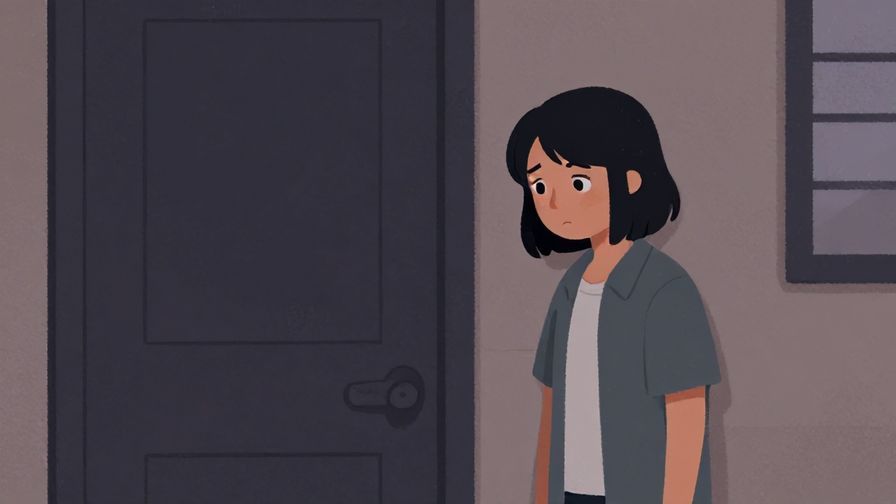
今さら (imasara) means “now” but with a nuance of “too late” or “after the fact.”
It’s often used when something should have been done earlier.
Example: 今さら謝っても遅いよ (Imasara ayamatte mo osoi yo) – “It’s too late to apologize now.”
It’s casual but carries a strong emotional tone.
Use it carefully to express regret or frustration.
Great for storytelling or emotional speech.
19. 今度こそ (こんどこそ, kondo koso) – “This Time For Sure (Now)”

今度こそ (kondo koso) means “this time for sure,” emphasizing determination at this moment.
It’s casual but very expressive.
Example: 今度こそ成功するよ (Kondo koso seikou suru yo) – “I will succeed this time for sure.”
It adds passion and resolve to “now.”
Perfect for motivating yourself or others.
Try it to sound confident and native-like.
20. 今やっと (いまやっと, imayatto) – “Just Now / Finally Now”

今やっと (imayatto) means “just now” or “finally now,” expressing relief or accomplishment.
It’s casual and conversational.
Example: 今やっと終わった (Ima yatto owatta) – “I just finished now.”
It’s great for sharing small victories or updates.
Use it to sound natural and expressive.
A fun phrase to add emotion to your speech.
21. 今しがた (いましがた, imashigata) – “Just a Moment Ago”

今しがた (imashigata) means “just a moment ago” or “just now.”
It’s a bit old-fashioned but still used in conversation.
Example: 今しがた電話がありました (Imashigata denwa ga arimashita) – “There was a call just now.”
It adds a poetic touch to “now.”
Use it to sound a bit nostalgic or refined.
Great for storytelling or casual chat.
22. いまいま (imama) – “Right Now (playful/slang)”

いまいま (imama) is a playful, slangy way to say “right now,” often used by kids or in cute contexts.
It’s not standard but fun to know.
Example: いまいま遊ぼう! (Imama asobou!) – “Let’s play right now!”
Use it in lighthearted or informal settings.
A fun way to connect with younger speakers.
Great for casual, friendly talk.
23. 今ぱっと (いまぱっと, ima patto) – “Right Now (suddenly/quickly)”

今ぱっと (ima patto) means “right now” with a nuance of suddenness or quickness.
It’s casual and expressive.
Example: 今ぱっと思いついた (Ima patto omoitsuita) – “I just thought of it right now.”
Use it to convey spontaneity.
Perfect for lively conversations or storytelling.
Add some sparkle to your “now”!
24. 今すぐさま (いますぐさま, ima sugu sama) – “Immediately / At Once (strong emphasis)”

今すぐさま (ima sugu sama) is a very emphatic way to say “immediately” or “at once.”
It’s stronger than 今すぐ and used for urgent commands or requests.
Example: 今すぐさま来てください! (Ima sugu sama kite kudasai!) – “Please come immediately!”
Use it carefully to express urgency without sounding rude.
Great for dramatic or urgent situations.
It adds intensity and clarity to your speech.
Concluding Thought
Exploring all these ways to say “now” in Japanese shows just how rich and expressive the language can be.
From casual chats to formal reports, each phrase adds a special flavor to the simple concept of the present moment.
So next time you want to say “now,” try mixing it up with these expressions and watch your Japanese conversations come alive with warmth and nuance!