24 Japanese ways to say “It’s Snowing”
Snowflakes falling softly is one of those magical sights that everyone loves. In Japanese, there are many warm, poetic, and everyday ways to say “It’s snowing.”
Whether you’re chatting with friends or writing a cozy note, having a variety of expressions can make your language richer and more colorful. Plus, it’s a fun way to feel closer to Japanese culture and nature.
From casual phrases to elegant expressions, each way has its own vibe, so you can pick the right one for any mood or situation.
Learning these phrases also gives you neat insights into how Japanese people view snow—not just as weather, but as part of daily life and beauty.
And if you’re planning a winter trip or just want to impress your language buddies, these phrases will definitely come in handy!
Ready to explore 24 unique ways to say “It’s snowing” in Japanese? Let’s dive in!
Basic and Common Phrases
Starting with the basics is always a good idea. These phrases are straightforward and perfect for everyday use.
They’ll get you comfortable with the vocabulary related to snow and the verb forms used to describe weather.
Master these, and you’ll sound natural when mentioning snow in casual conversation.

Sometimes, pairing these phrases with a good Japanese language guide helps you see how the words fit together.
Keep practicing these with friends or apps to build your confidence.
The more you use them, the easier it becomes to hear and say snow-related expressions naturally.
Part 1: Casual Suggestions
1. 雪が降っている (Yuki ga futte iru) – “It’s snowing.”
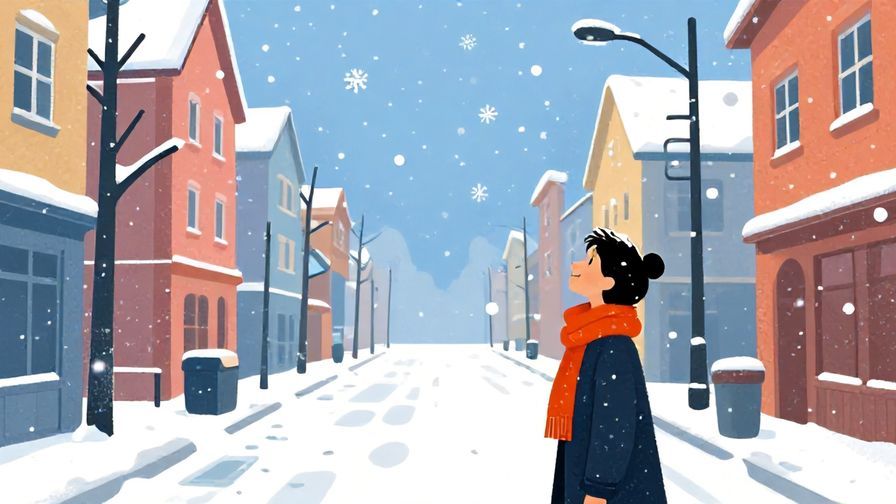
This is the most straightforward way to say “It’s snowing.”
“雪” (Yuki) means “snow,” “が” (ga) is the subject marker, and “降っている” (futte iru) is the continuous form of the verb “to fall.”
Use this when you want to clearly state that snow is falling right now.
It’s perfect for casual conversations with friends or describing the weather.
A related phrase is “雪が降る” (Yuki ga furu), which is the dictionary form meaning “snow falls.”
Once you’re comfortable with this phrase, you’ll find it pops up often in weather forecasts and dialogues.
2. 雪が降り始めた (Yuki ga furi hajimeta) – “It started snowing.”
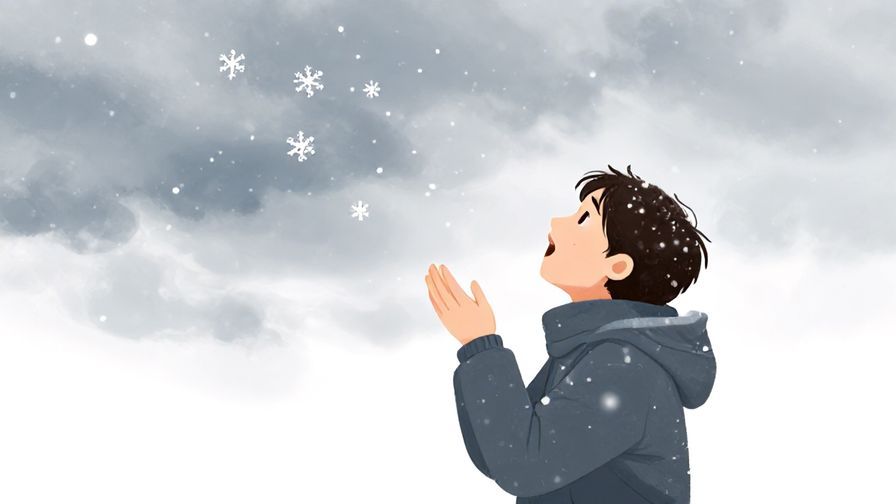
Here, you highlight the moment when snow begins to fall.
“降り” (furi) comes from the verb “to fall,” and “始めた” (hajimeta) means “started.”
It’s a great phrase for sharing that special first snow feeling.
People often use this when the season’s first snow hits, making it a bit more expressive.
You might hear this on the news or in casual chats during early winter.
Try using this phrase when you see the first flakes of the season—it’s a lovely way to capture that moment.
3. ちらちら雪が降っている (Chirachira yuki ga futte iru) – “Snow is fluttering.”
This phrase adds a poetic touch by describing light, fluttering snow.
“ちらちら” (chirachira) is an onomatopoeia that mimics the sight of gentle snowflakes falling slowly.
Use this when snow is delicate and soft, not heavy or stormy.
This expression makes your description more vivid and sensory.
It’s common in storytelling or when sharing peaceful winter scenes.
Feel free to sprinkle this phrase into your conversations to sound more natural and expressive.
4. もう雪が降ってるよ (Mou yuki ga futteru yo) – “It’s already snowing.”

This is a casual, friendly way to say it’s already snowing.
“もう” (mou) means “already,” making it feel like you’re sharing news with a friend.
The “よ” (yo) at the end adds emphasis, like “just so you know.”
It’s often used in everyday conversations or texts.
Try this phrase when you want to sound natural and informal about the snowy weather.
It gives your speech a nice conversational tone that’s easygoing and warm.
5. 雪がパラパラ降ってる (Yuki ga parapara futteru) – “Snow is falling sparsely.”
“パラパラ” (parapara) is another onomatopoeia that describes snow falling lightly and scattered.
This phrase is great for describing snow that’s just beginning or very light.
It’s less intense than “ちらちら” and feels even more subtle.
Use it when you want to indicate a gentle snowfall without much accumulation.
People often say this when checking the weather or commenting on a quiet day.
Adding onomatopoeia like this helps you sound more native and playful.
6. 雪がざあざあ降っている (Yuki ga zaazaa futte iru) – “It’s snowing heavily.”
This phrase uses “ざあざあ” (zaazaa) to describe heavy, continuous snowfall.
It’s perfect for dramatic weather or when snow is really coming down hard.
Use it to warn someone or describe a blizzard-like situation.
It’s more vivid and intense compared to lighter snow expressions.
Be careful not to confuse it with rain or other weather types where “ざあざあ” is used similarly.
When you want to paint a bold picture of winter, this phrase is your go-to.
7. 外は雪が降ってるね (Soto wa yuki ga futteru ne) – “It’s snowing outside, huh?”

This is a casual phrase to remark on the snow outdoors.
“外は” (soto wa) means “outside,” and “ね” (ne) adds a soft tag seeking agreement.
Great for starting a conversation or sharing a moment with someone.
It sounds natural and friendly in everyday chats.
You might use it when stepping outside or noticing the weather while inside.
This phrase helps you connect over the weather in a casual, easy way.
8. 雪が降りそうだよ (Yuki ga furisou da yo) – “It looks like it’s going to snow.”
“降りそう” (furisou) means “looks like it will fall,” so this phrase predicts snow.
You can use it when you sense snow is about to start but it hasn’t yet.
Adding “だよ” (da yo) softens the tone and makes it conversational.
This phrase is handy for weather talk and sharing expectations.
It’s also great for practicing the “-sou” grammar pattern that indicates likelihood.
Use this phrase to sound like you’re anticipating snowy weather like a local.
Part 2: Polite & Formal Suggestions
9. 雪が降っています (Yuki ga futte imasu) – “It is snowing.” (polite)

This is the polite form of “It’s snowing,” perfect for formal or respectful conversations.
“降っています” (futte imasu) is the polite continuous form of “to fall.”
Use this in work settings, with strangers, or in polite company.
It’s the safe, respectful way to talk about weather in Japan.
It’s also common in news reports and official announcements.
Once you master this, you can comfortably talk about weather in nearly any social context.
10. 現在、雪が降っております (Genzai, yuki ga futte orimasu) – “Currently, it is snowing.”

This is a formal and humble way to say “It’s snowing now.”
“降っております” (futte orimasu) is an even more polite form than “降っています.”
“現在” (genzai) means “currently,” adding a time context.
Commonly used in broadcasts or formal announcements.
It sounds professional and respectful, ideal for official contexts.
Try this if you want to impress with your polite Japanese skills.
11. 雪が降り始めております (Yuki ga furi hajimete orimasu) – “It has started snowing.” (formal)

A formal way to announce the start of snowfall.
“降り始めております” (furi hajimete orimasu) is the polite, humble form of “started to fall.”
This phrase suits business emails, polite conversation, or announcements.
It shows respect and attention to detail in your speech.
Use it when you want to sound polished and thoughtful.
It’s a great phrase for formal winter greetings or weather updates.
12. 本日は雪が降っております (Honjitsu wa yuki ga futte orimasu) – “Today it is snowing.”
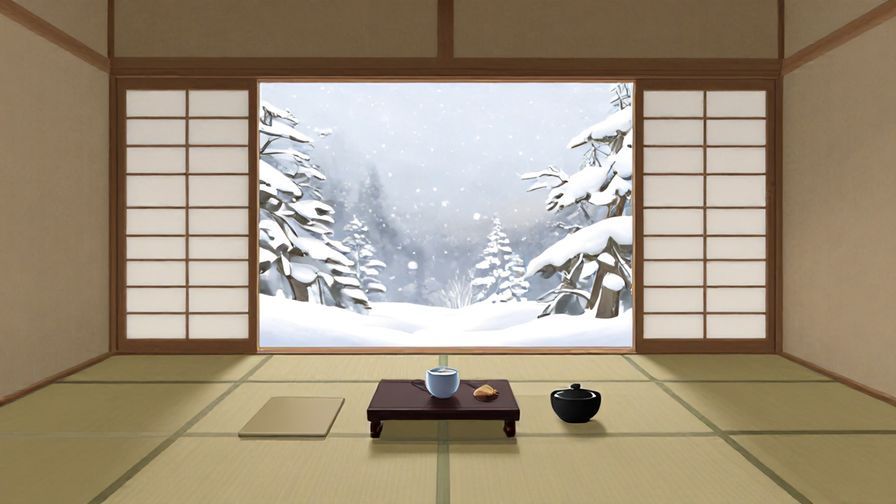
“本日” (honjitsu) means “today,” adding a formal date context.
This phrase is polite and often used in announcements or formal writing.
The humble “降っております” adds respectfulness.
Perfect for business or formal winter occasions.
It’s a lovely way to share the weather elegantly.
Try this when writing formal messages or greeting cards.
13. 雪が激しく降っております (Yuki ga hageshiku futte orimasu) – “It’s snowing intensely.”
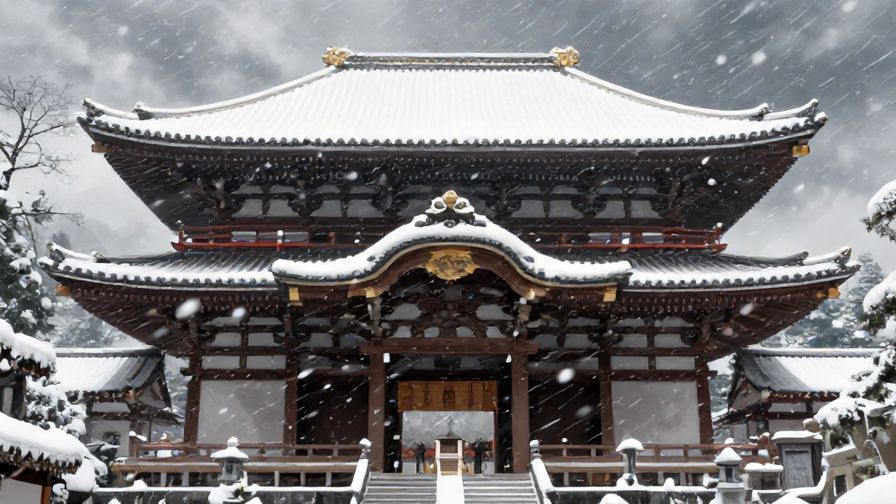
“激しく” (hageshiku) means “intensely” or “violently.”
This phrase politely describes a heavy snowstorm.
Use it to convey serious weather conditions respectfully.
It’s often heard in weather warnings or news reports.
Good for formal alerts or when discussing winter safety.
Using this will show your grasp of nuanced, formal weather expressions.
14. 雪が穏やかに降っております (Yuki ga odayaka ni futte orimasu) – “Snow is falling gently.”
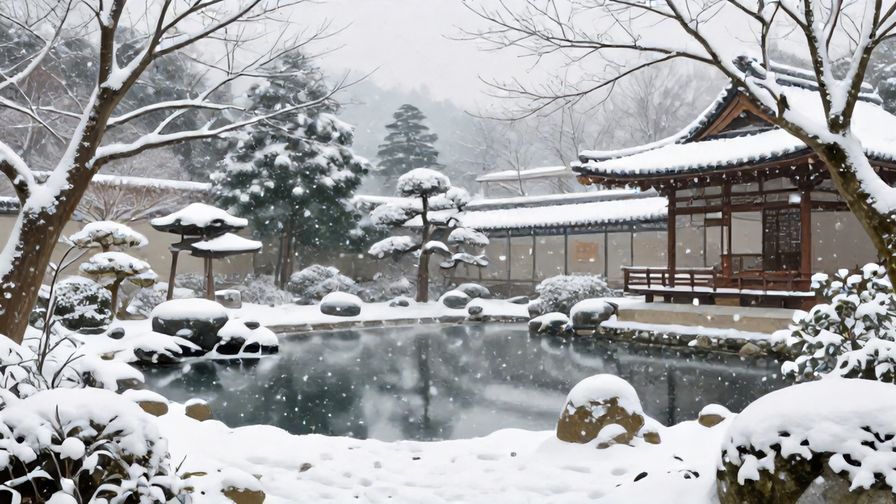
“穏やかに” (odayaka ni) means “gently” or “peacefully.”
This phrase is a formal way to say the snow is falling softly.
It’s perfect for polite conversations or descriptive writing.
Use it for sharing peaceful winter scenes with respect and warmth.
It adds elegance and a calm feeling to your speech.
Try it in formal poetry readings or seasonal greetings.
15. 雪が降る見込みです (Yuki ga furu mikomi desu) – “It is expected to snow.”
“見込み” (mikomi) means “expectation” or “forecast.”
This phrase politely states that snow is forecasted.
It’s common in weather reports and formal announcements.
Use it when talking about future snow in a respectful way.
It’s a handy phrase for discussing plans around snow.
Adding this to your vocabulary improves your formal conversation skills.
16. 雪がちらついています (Yuki ga chiratsuite imasu) – “Snow is fluttering lightly.”
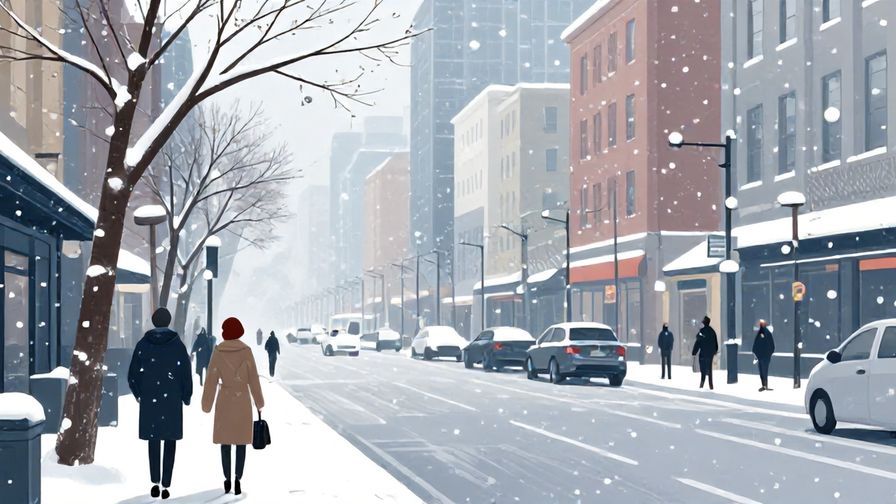
The polite continuous form of “ちらつく,” meaning light fluttering snow.
Use this phrase to describe gentle snowfall in formal or polite situations.
It’s useful when you want to sound refined but still casual.
Common in weather forecasts or polite conversations.
It adds subtlety to your descriptions of snow.
Practice this phrase to smoothly switch between casual and formal speech.
Part 3: Very Casual / Native-like Expressions
17. 雪降ってる~ (Yuki futteru~) – “It’s snowing~” (very casual)

This is a very casual, clipped way to say it’s snowing.
Dropping particles like “が” and shortening verbs is common among friends.
It sounds relaxed and natural, perfect for texting or chatting with close friends.
Use this if you want to sound like a native speaker in informal settings.
Just be mindful not to use it in formal situations.
It’s a fun phrase to practice for sounding fluent and natural.
18. 雪やばい! (Yuki yabai!) – “Wow, the snow is crazy!”

“やばい” (yabai) is a slang word meaning “amazing,” “crazy,” or “intense.”
This phrase shows excitement or surprise about snow.
It’s super casual and expresses strong feelings.
Use it with friends when the snow is remarkable or unexpected.
It’s a great phrase to sound lively and in-the-moment.
Just be aware that it’s slang and not polite.
19. 雪、降ってんじゃん (Yuki, futten jan) – “Hey, it’s snowing!” (informal)

This phrase uses a casual ending “じゃん” (jan) which adds a friendly, confirming tone.
It’s like saying “Look, it’s snowing, isn’t it?”
Perfect for informal chats or playful remarks.
It sounds spontaneous and easygoing.
Use this with friends or younger people for a natural vibe.
It’s a fun way to join casual conversations about weather.
20. 雪、降ってるぜ! (Yuki, futteru ze!) – “It’s snowing, man!”

“ぜ” (ze) adds a masculine, assertive feel.
This phrase is very casual and energetic.
It’s great for guys wanting to sound cool and lively.
Use it when you want to emphasize the fact that snow is falling.
Be careful not to use it in polite or mixed company.
It’s perfect for friendly, animated conversations.
21. 雪降ってんなぁ (Yuki futten naa) – “It’s snowing, huh.” (laid-back)

“なあ” (naa) adds a soft, reflective tone.
This phrase sounds laid-back and thoughtful.
Use it when you’re casually observing the snow with friends or alone.
It’s great for expressing a quiet appreciation of winter.
It’s also a natural phrase you’ll hear among natives in relaxed moments.
Try this to sound more like a native speaker in chill settings.
22. 雪降りやがった (Yuki furi yagatta) – “The snow finally fell!” (rough tone)
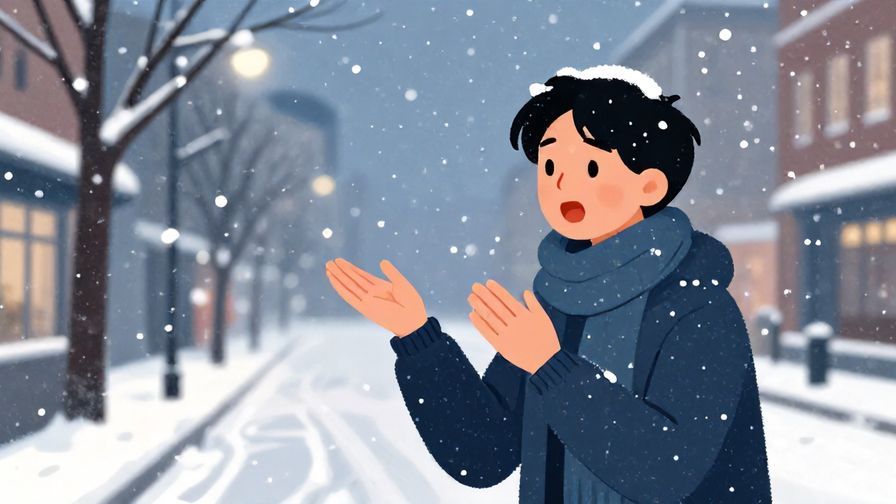
“やがった” (yagatta) adds a rough or cheeky tone, often used in male speech.
This phrase shows a mix of surprise and a bit of humor or frustration.
It’s very casual and not polite.
Use it with close friends when you want to sound edgy or playful.
It’s a phrase that reflects strong personality or emotion.
Great for sounding authentic in informal, male-dominated conversations.
23. 雪まじかよ (Yuki majika yo) – “Seriously, snow?” (surprised)
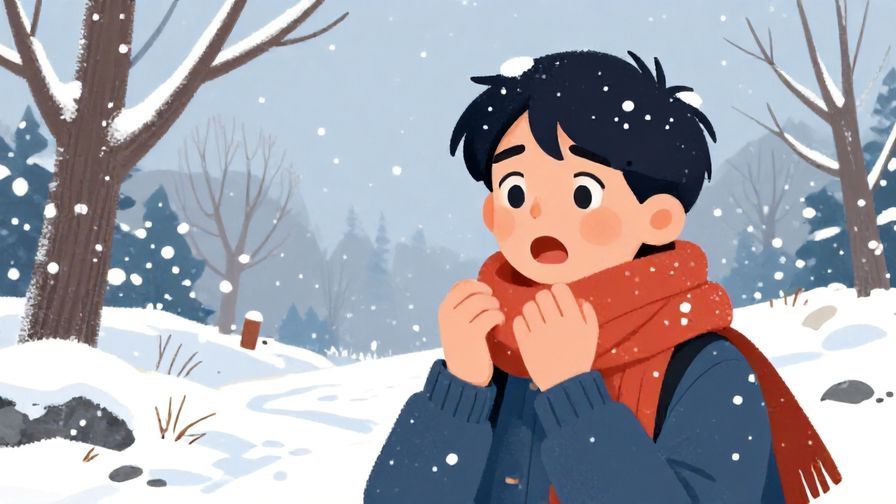
“まじかよ” (majika yo) is a slang phrase expressing disbelief or surprise.
This phrase sounds very casual and spontaneous.
Use it when the snow is unexpected or unwelcome.
It’s a common reaction phrase among young people.
It’s a quick way to sound natural in informal settings.
Try it when chatting with friends about sudden weather changes.
24. 雪さん降ってますね (Yuki-san futtemasu ne) – “Mr. Snow is falling, huh?” (cute, personifying)

Adding “さん” (san) is a cute way to personify snow.
This phrase is playful and friendly, great for lighthearted conversations.
It shows affection and a whimsical view of the weather.
Use it to add charm and personality to your speech.
It’s a fun phrase that’s sure to bring smiles.
Perfect for chatting with kids or close friends with a playful mood.
Concluding Thought
Exploring these 24 ways to say “It’s snowing” in Japanese reveals just how rich and nuanced the language can be.
From polite announcements to playful slang, each phrase offers a unique way to connect with the season and culture.
So next time you see snow falling, try one of these expressions and enjoy speaking Japanese with warmth and style!