24 Japanese ways to say “It’s Raining”
When it starts to drizzle or pour, sometimes a simple “It’s raining” just doesn’t cut it. In Japanese, there are many ways to express the weather, each carrying its own nuance and vibe.
Whether you want to sound casual, poetic, or super polite, there’s a phrase just for that rainy moment. Let’s dive into 24 Japanese ways to say “It’s raining” that will brighten your language skills like a rainbow after a storm.
These expressions will help you connect with locals, understand songs or shows better, and even impress your friends with your cultural flair.
Learning these phrases is like carrying a little umbrella of language knowledge — ready for any weather! Plus, it’s fun to see how the Japanese language captures the mood, size, and feel of rain in so many ways.
So grab your metaphorical raincoat, and let’s explore these rainy gems together.
By the end, you’ll be showered with confidence in your Japanese rainy day vocabulary!
Getting Ready to Speak Rain
Before we jump into the phrases, it helps to get familiar with some basic weather words. For instance, “雨” (あめ, ame) means rain.
Pairing “雨” with different verbs or descriptive words changes the tone and meaning, letting you say things like “It’s drizzling” or “It’s pouring.”
Keep in mind, context matters. The formality and setting will guide which phrase to use.

If you want a smooth start, a beginner phrasebook can be a perfect companion to practice and expand your weather talk.
Once you master these basics, you’ll find it easier to pick up on subtle differences in everyday conversations.
Plus, recognizing these phrases in movies or anime makes watching much more enjoyable.
Part 1: Casual Suggestions
1. 雨が降ってる (Ame ga futteru) – “It’s raining.”
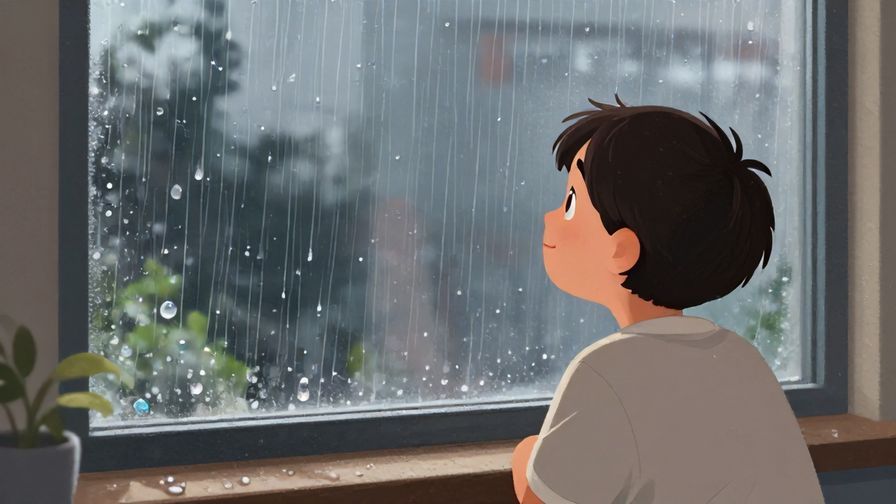
This is the most straightforward way to say “It’s raining” in casual speech.
“雨” (あめ, ame) means “rain,” “が” (ga) is the subject particle, and “降ってる” (ふってる, futteru) is the casual, contracted form of “降っている” (ふっている, futteiru), meaning “is falling.”
Great for daily chats or quick updates about the weather.
It’s simple but gets the point across perfectly.
You might also hear the more formal “降っています” (ふっています, futteimasu) in polite settings.
Try using this when texting a friend or commenting on the weather outside!
2. 雨が降っているよ (Ame ga futte iru yo) – “It’s raining, you know.”

This phrase adds “よ” (yo) at the end, which gives it a friendly, slightly emphatic tone.
It’s perfect when you want to inform someone or emphasize the rain casually.
Use this when you want to share info with a warm touch.
Just don’t overuse “よ” or it can sound a bit pushy.
Example: “雨が降っているよ、傘持ってきて!” (It’s raining, bring your umbrella!)
It’s a nice way to sound natural and caring in conversation.
3. 雨がパラパラ降ってる (Ame ga parapara futteru) – “It’s drizzling.”
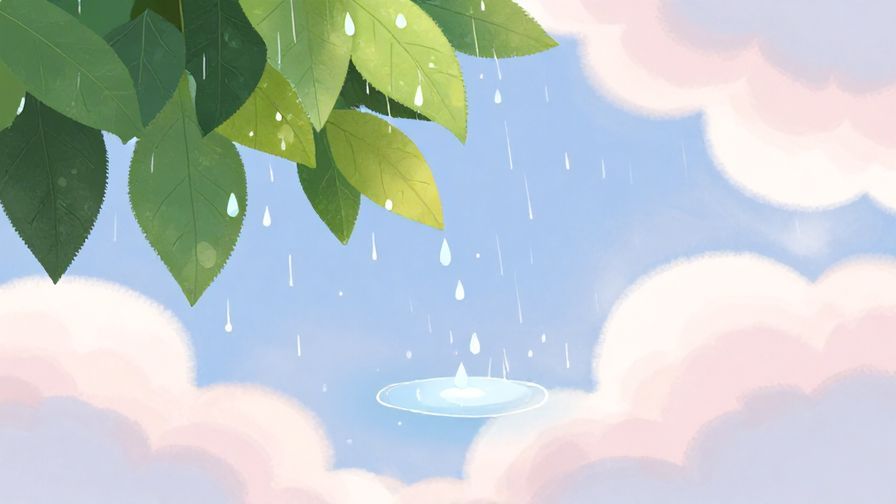
“パラパラ” (parapara) is an onomatopoeia describing light, scattered raindrops or drizzle.
This phrase is great when the rain is light and gentle, not heavy.
Adding such sound-words makes your speech vivid and expressive.
You can use it when the rain is just starting or about to stop.
Try saying: “外は雨がパラパラ降ってる” (It’s drizzling outside).
It’s a handy phrase to describe milder rain with nuance.
4. 雨がザーザー降ってる (Ame ga zāzā futteru) – “It’s pouring.”
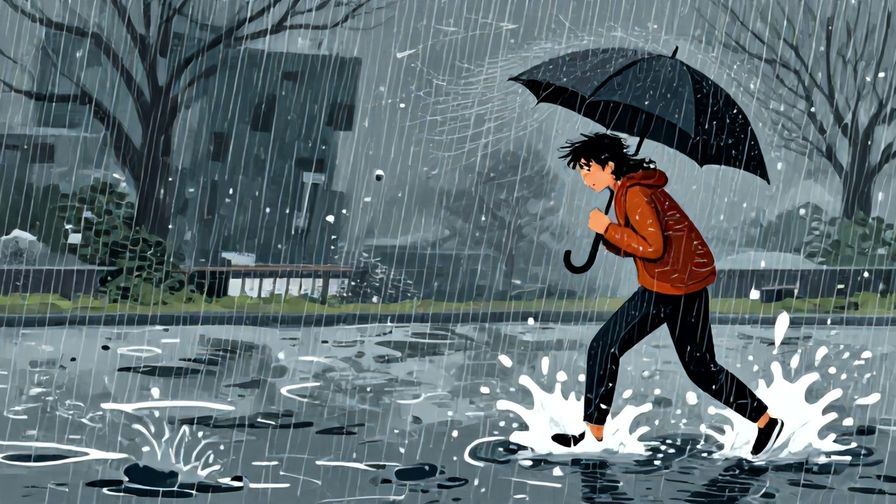
“ザーザー” (zāzā) is an onomatopoeia for heavy, loud rain.
This phrase perfectly captures the intensity of a downpour.
Use it when you want to warn someone about strong rain.
It’s a vivid way to describe a stormy moment.
Example: “今日は雨がザーザー降ってるよ” (It’s pouring rain today).
Using this adds emotion and immediacy to your weather talk.
5. 雨がしとしと降ってる (Ame ga shitoshito futteru) – “It’s drizzling softly.”

“しとしと” (shitoshito) describes a soft, gentle, continuous rain.
This phrase is perfect for peaceful rainy days.
It’s often used in poetry or to set a calm mood.
Try it when you want to describe light rain that feels soothing.
Example: “雨がしとしと降ってるね” (It’s softly drizzling, isn’t it?).
This phrase adds a cozy, reflective tone to your conversation.
6. 雨が降りそう (Ame ga furisō) – “Looks like it’s going to rain.”

“降りそう” (ふりそう, furisō) means “seems like it will rain.”
It’s useful when the sky looks cloudy and you want to predict rain.
Perfect for casual weather talk or planning your day.
Example: “雲が多いね、雨が降りそう。” (There are a lot of clouds; looks like it’s going to rain.)
This phrase helps you sound aware of changing weather conditions.
Great for everyday chatting about the forecast.
7. 雨がポツポツ降ってる (Ame ga potsu potsu futteru) – “It’s starting to rain.”

“ポツポツ” (potsu potsu) expresses raindrops starting to fall intermittently.
It’s great for describing the very first signs of rain.
Use this when you want to warn friends the rain is just beginning.
Example: “雨がポツポツ降ってきたよ。” (It’s starting to rain now.)
This phrase is vivid and practical for real-time weather updates.
Try it out next time you notice the rain coming.
8. 雨がやんだ (Ame ga yanda) – “The rain stopped.”

“やんだ” (yanda) is the past tense of “やむ” (stop) for rain.
Use this to happily announce that the rain has stopped.
It’s a handy phrase for casual conversations after a shower.
Example: “雨がやんだから散歩しよう。” (Since the rain stopped, let’s go for a walk.)
This phrase adds positive closure to rainy moments.
Perfect for light and hopeful weather talk.
Part 2: Polite & Formal Suggestions
9. 雨が降っています (Ame ga futte imasu) – “It’s raining.” (polite)

This is the polite form of “雨が降っている.”
“降っています” (ふっています, futte imasu) is the -masu form, used in formal or respectful contexts.
Ideal for work, strangers, or anyone you don’t know well.
Example: “今、雨が降っています。” (It is raining now.)
Using polite forms shows respect and is essential in many social situations.
It’s a good phrase to practice for formal conversations or presentations.
10. 雨が降り始めました (Ame ga furi hajimemashita) – “The rain has started.” (formal)

“降り始めました” (ふりはじめました, furi hajimemashita) means “has started to rain.”
This phrase is formal and useful in news reports or polite speech.
Use it to announce the beginning of rain professionally.
Example: “午後から雨が降り始めました。” (It started raining in the afternoon.)
It helps you sound precise and polite.
Great for formal updates or weather forecasting.
11. 雨が激しく降っています (Ame ga hageshiku futte imasu) – “It’s raining heavily.”

“激しく” (はげしく, hageshiku) means “intensely” or “heavily.”
This phrase politely describes a heavy rainstorm.
Perfect for warnings or formal weather reports.
Example: “現在、雨が激しく降っていますので注意してください。” (Currently, it is raining heavily, so please be careful.)
It’s a useful phrase for safety announcements.
Practice this if you want to sound informative and serious.
12. 雨が続いています (Ame ga tsuzuite imasu) – “The rain is continuing.”
“続いています” (つづいています, tsuzuite imasu) means “is continuing.”
This polite phrase describes ongoing rain.
Useful in conversations about weather trends or forecasts.
Example: “ここ数日、雨が続いています。” (It has been raining continuously for several days.)
It’s a good phrase to discuss long-lasting weather events respectfully.
Try it in daily chat or formal reports.
13. 雨がやみました (Ame ga yamimashita) – “The rain stopped.” (polite)

The polite past form of “やむ” (to stop) is “やみました.”
Use this to politely say the rain has stopped.
Example: “雨がやみましたので出かけましょう。” (The rain has stopped, so let’s go out.)
This phrase is perfect for polite conversations.
It adds a courteous tone to your weather-related talk.
Great for workplace or new acquaintances.
14. 雨が降り続いています (Ame ga furi tsuzuite imasu) – “Rain is still falling.” (formal)

Combining “降り” (furi, falling) and “続いています” (tsuzuite imasu), this phrase means “rain is continuing.”
It’s formal and perfect for precise weather descriptions.
Example: “今日も一日中、雨が降り続いています。” (It has been raining all day today.)
This phrase is useful for weather updates or reports.
It sounds very polished and clear.
Practice this for formal contexts or written reports.
15. 雨が降るかもしれません (Ame ga furu kamoshiremasen) – “It might rain.”

“かもしれません” (kamoshiremasen) means “might” or “maybe.”
This polite phrase is perfect for uncertain weather predictions.
Example: “午後から雨が降るかもしれません。” (It might rain in the afternoon.)
It’s a polite and cautious way to talk about possible rain.
Great for conversations or forecasts when unsure.
Using this shows nuance and respect for uncertainty.
16. 雨が降るでしょう (Ame ga furu deshō) – “It will probably rain.”

“でしょう” (deshō) means “probably” or “I think so.”
This polite phrase expresses a confident guess about rain.
Example: “明日は雨が降るでしょう。” (It will probably rain tomorrow.)
It’s common in weather forecasts and polite predictions.
Use this phrase to sound knowledgeable yet polite.
Perfect for formal conversations or media.
Part 3: Very Casual / Native-like Expressions
17. 雨降ってるね (Ame futteru ne) – “It’s raining, huh?”

This casual phrase drops the particle “が” and adds “ね” for a friendly tone.
It’s informal, often used among close friends.
Example: “雨降ってるね、出かける?” (It’s raining, huh? Are you going out?)
It feels natural and conversational.
Use it when you want to sound relaxed and native-like.
Great for everyday chats and texts.
18. 雨だね (Ame da ne) – “It’s rain, huh?”

“だ” (da) is the casual copula, making this phrase very informal.
It’s a short, natural way to mention the rain casually.
Example: “雨だね、今日は家にいる?” (It’s raining, huh? Are you staying home today?)
Perfect for close friends or family.
It’s a quick, native-sounding phrase.
Excellent for casual conversations.
19. ざあざあ降ってる (Zāzā futteru) – “It’s pouring.” (casual)

“ざあざあ” (zāzā) is a casual onomatopoeia for heavy rain.
Use this when talking informally about a downpour.
Example: “外はざあざあ降ってるよ!” (It’s pouring outside!)
It’s expressive and common in daily talk.
Great for emphasizing the rain’s heaviness playfully.
Try it with friends or in casual storytelling.
20. しとしと降ってる (Shitoshito futteru) – “It’s drizzling softly.” (casual)
This is the casual version of the polite “しとしと降っている.”
It’s perfect for describing gentle rain in everyday talk.
Example: “今日はしとしと降ってるね。” (It’s drizzling softly today.)
It feels cozy and native-like.
Use it to create a calm, soothing atmosphere.
Great for chatting about mild weather.
21. ポツポツ降ってきた (Potsu potsu futte kita) – “It started to rain a little.”
“降ってきた” (futte kita) means “started falling.”
“ポツポツ” again describes scattered raindrops.
Use this casual phrase to remark the rain’s arrival.
Example: “外、ポツポツ降ってきたよ。” (It’s starting to rain a little outside.)
It’s great for spontaneous weather comments.
Sounds natural and friendly.
22. 雨やんだよ (Ame yanda yo) – “The rain stopped, you know.” (casual)

This casual phrase uses “やんだ” for “stopped” and “よ” for emphasis.
It’s a friendly way to announce stopping rain.
Example: “雨やんだよ、散歩に行こう。” (The rain stopped, let’s go for a walk.)
Use it with friends or family.
It sounds cheerful and spontaneous.
Perfect for casual invitations or updates.
23. 雨降りそうだね (Ame furisō da ne) – “Looks like it’s going to rain, huh?” (casual)
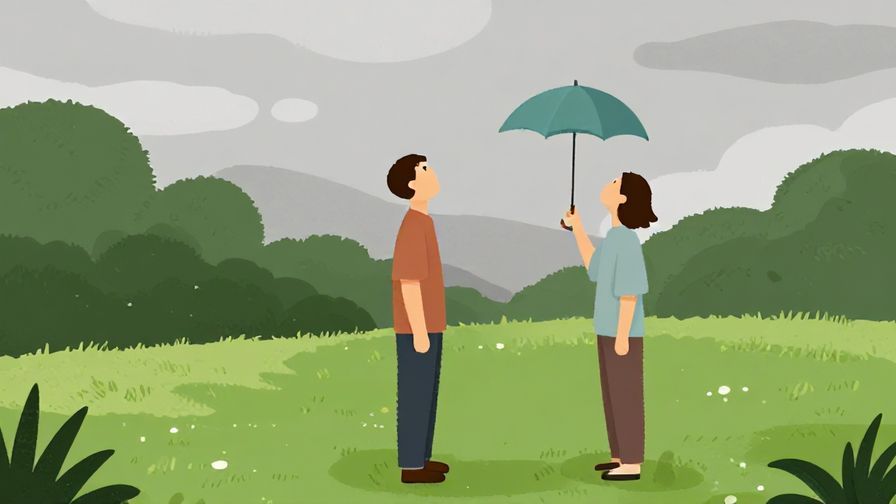
This is the casual form of the prediction phrase with “だね” for a soft ending.
It’s perfect for informal weather observations.
Example: “空が暗い、雨降りそうだね。” (The sky is dark, looks like it’s going to rain, huh?)
Use it for casual talks or outdoor plans.
It sounds friendly and natural.
Great for chatting about the weather with pals.
24. 雨がやむといいね (Ame ga yamu to ii ne) – “Hope the rain stops.”

This phrase expresses a wish or hope using “といいね.”
It’s casual and heartfelt, great for friendly conversations.
Example: “雨がやむといいね、外で遊びたい。” (I hope the rain stops; I want to play outside.)
Use it to show empathy or share feelings about the weather.
It adds warmth and kindness to your talk.
Perfect for connecting with others on rainy days.
Concluding Thought
Exploring these 24 ways to say “It’s raining” in Japanese shows how rich and expressive the language can be, even about something as everyday as rain.
From casual chats to polite announcements, each phrase carries a different nuance, helping you sound more natural and connected in conversations.
Keep practicing these expressions, and you’ll find yourself more confident and fluent, rain or shine. Happy learning, and may your Japanese skills always brighten up, like the sun after the rain!