24 Japanese ways to say “I’m Lost”
Ever found yourself wandering the streets of Japan with no clue where you are? It happens to the best of us!
Whether you’re a traveler, a student, or just curious, knowing how to say “I’m lost” in Japanese can be a total lifesaver.
Japanese offers a variety of ways to express this feeling, from casual to formal, and even some native-like expressions.
Learning these phrases not only helps in practical situations but also deepens your cultural connection.
Plus, it’s a fun way to expand your language skills with realistic, everyday expressions.
Ready to explore 24 Japanese ways to say “I’m lost”? Let’s dive in!
Getting Started: Why So Many Ways?
Japanese is a language rich with nuance and context.
Depending on where you are, who you’re speaking to, and how formal the situation is, the way you say “I’m lost” can change quite a bit.
It’s helpful to know a few options so you can adapt smoothly.

Sometimes, using a great beginner phrasebook can give you a perfect starting point for a cohesive understanding.
Start simple and build your confidence with phrases that fit your style.
With these tips, you’ll be ready to ask for directions like a pro in no time.
Part 1: Casual Suggestions
1. 道に迷った (Michi ni mayotta) – “I’m lost.”

This is perhaps the most straightforward way to say “I’m lost” in Japanese.
“道 (michi)” means “road” or “path,” and “迷った (mayotta)” is the past tense of “to get lost.” Put together, it literally means “got lost on the road.”
It’s casual enough for everyday use but still polite to strangers.
Using this phrase helps you clearly communicate your situation without extra fuss.
A nice alternative is “迷子です (maigo desu),” which means “I’m a lost child” but is used by adults too when lost.
Keep this phrase in your toolkit for a practical, no-nonsense expression.
2. どこにいるかわからない (Doko ni iru ka wakaranai) – “I don’t know where I am.”

This phrase is a bit longer but very clear and conversational.
“どこ (doko)” means “where,” “いる (iru)” means “to be (for people/animals),” and “わからない (wakaranai)” means “don’t understand” or “don’t know.”
It’s great for when you want to express honest confusion without sounding too formal.
Be mindful to use the question intonation if asking someone for help.
Try saying it with a gentle tone to soften the impact and sound more natural.
It’s a great phrase to practice for real-life situations where you might feel a bit off track.
3. 道がわかりません (Michi ga wakarimasen) – “I don’t know the way.”

This phrase is polite and commonly used when asking for directions.
“道 (michi)” means “road,” “が (ga)” is the subject marker, and “わかりません (wakarimasen)” means “don’t understand” or “don’t know” in polite form.
It’s a safe choice when talking to strangers or in shops.
It shows respect while clearly stating you don’t know the route.
Practice this phrase to sound polite and approachable in public settings.
It’s also a nice phrase to pair with “教えてください (oshiete kudasai)” meaning “please teach/tell me.”
4. 迷子になりました (Maigo ni narimashita) – “I became lost.”

“迷子 (maigo)” means “lost child,” and “になりました (ni narimashita)” means “became.”
This phrase has a gentle, polite tone and implies that you did not intend to get lost.
It’s perfect for formal or semi-formal contexts.
Use it if you want to express a bit more politeness than just “迷った (mayotta).”
Remember, the word “迷子” might sound cute or humble, so it softens the expression.
Great for asking for help in stores, stations, or with locals you don’t know well.
5. 方向音痴です (Hōkō onchi desu) – “I have no sense of direction.”

This phrase is a humorous and relatable way to admit you’re directionally challenged.
“方向音痴 (hōkō onchi)” literally means “direction deaf” or “bad sense of direction,” and “です (desu)” makes it polite.
It’s a casual, light-hearted way to explain why you’re lost.
Use it among friends or to lighten up a slightly embarrassing situation.
It can also help start a friendly conversation with locals who might sympathize.
Try saying this phrase with a smile to make it feel natural and genuine.
6. 道に迷っています (Michi ni mayo tte imasu) – “I am currently lost.”

This phrase uses the present continuous tense to express that you’re lost right now.
“道 (michi)” is “road,” “に (ni)” is a particle indicating location, “迷っています (mayo tte imasu)” means “am lost.”
It’s useful when you want to emphasize your current confusion or need for help immediately.
Its polite form makes it great for asking strangers for directions.
Pair it with “助けてください (tasukete kudasai)” meaning “please help me” for extra clarity.
Practice this phrase to sound polite yet urgent when needed.
7. どこに行けばいいかわからない (Doko ni ikeba ii ka wakaranai) – “I don’t know where I should go.”
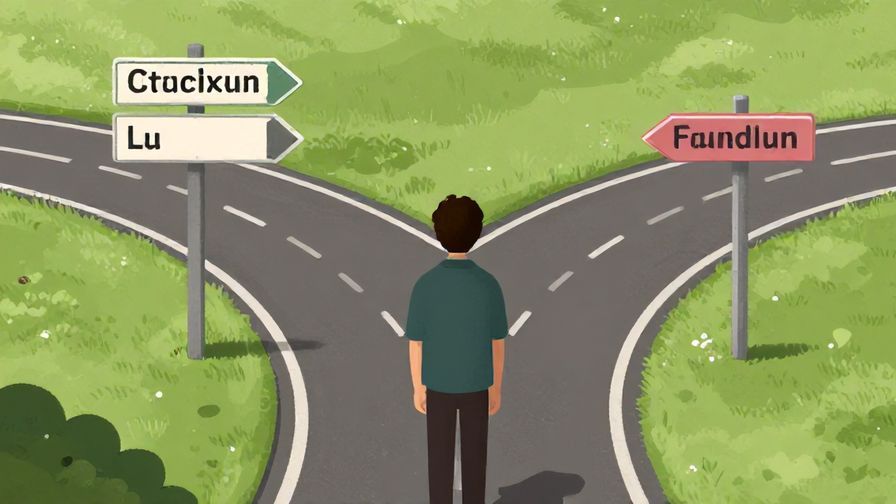
Here, you’re telling someone you’re unsure about the right direction to take.
“どこ (doko)” means “where,” “に (ni)” is a particle, “行けばいい (ikeba ii)” means “should go,” and “わからない (wakaranai)” means “don’t know.”
This phrase is conversational and quite descriptive.
It’s great for asking advice rather than just stating you’re lost.
Try to use this phrase when you want suggestions on the best route.
It’s useful if you’ve reached a decision point but feel unsure.
8. 位置がわかりません (Ichi ga wakarimasen) – “I don’t know my location.”

“位置 (ichi)” means “position” or “location,” so this phrase is a bit more technical.
It’s polite and helpful in situations where you want to emphasize you don’t know your exact place.
Use it when talking with locals or officials who might use maps or GPS to assist you.
This phrase can also be used in emergency contexts.
Try pairing it with “教えてください (oshiete kudasai)” to politely ask for help with your location.
It’s a slightly more formal way to express the feeling of being lost.
Part 2: Polite & Formal Suggestions
9. 道に迷いました。助けていただけますか? (Michi ni mayoimashita. Tasukete itadakemasu ka?) – “I got lost. Could you please help me?”

This is a very polite and formal way to express you’re lost and politely ask for help.
“迷いました (mayoimashita)” is the polite past tense of “to get lost,” and “助けていただけますか? (tasukete itadakemasu ka?)” is a humble way to ask for help.
Using this shows respect and seriousness, perfect for official settings or strangers.
It’s a phrase that opens doors for kindness and assistance.
Try to use a soft tone and a bow to enhance politeness.
This phrase works well in places like train stations or hotels where formal speech is expected.
10. 道を教えていただけますか? (Michi o oshiete itadakemasu ka?) – “Could you tell me the way?”

This phrase is a polite request specifically asking for directions.
“道 (michi)” means “road,” “教えて (oshiete)” means “tell” or “teach,” and “いただけますか? (itadakemasu ka?)” makes it a humble request.
It’s perfect for formal or semi-formal interactions.
Make sure to use this phrase with a gentle tone and maybe a small bow.
It’s often used in customer service or with older people.
Pair it with a smile to make your request warm and approachable.
11. 申し訳ありませんが、道に迷ってしまいました (Mōshiwake arimasen ga, michi ni mayotte shimaimashita) – “I’m terribly sorry, but I got lost.”
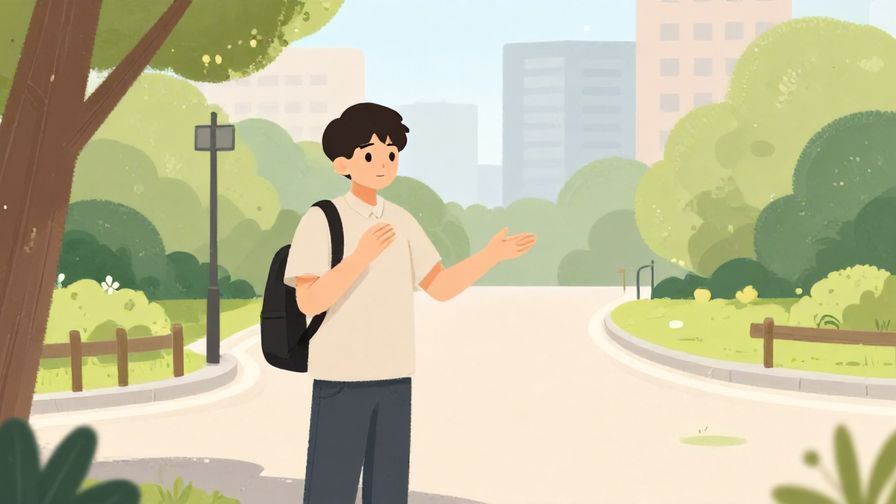
This phrase combines an apology with the fact that you’re lost, showing humility.
“申し訳ありません (mōshiwake arimasen)” is a formal apology, and “道に迷ってしまいました (michi ni mayotte shimaimashita)” means “I ended up getting lost.”
It’s very polite and perfect for delicate or official situations.
Use this phrase if you feel you might be inconveniencing someone by asking for help.
It reflects good manners and respect.
Practicing this phrase can help you navigate formal encounters with grace.
12. すみません、道に迷いました。助けていただけますか? (Sumimasen, michi ni mayoimashita. Tasukete itadakemasu ka?) – “Excuse me, I got lost. Could you please help me?”

This phrase opens with “すみません (sumimasen),” a polite “excuse me” or “sorry,” making it very courteous.
It’s a gentle, respectful way to admit you’re lost and ask for help.
Use this when you want to be extra polite in public spaces.
It’s a phrase that can soften any situation and invite assistance.
Perfect for tourists who want to show respect while asking for directions.
Make sure to use a calm tone to sound sincere and humble.
13. 迷子になってしまいました。どうすればいいですか? (Maigo ni natte shimaimashita. Dō sureba ii desu ka?) – “I became lost. What should I do?”

This phrase tells someone you got lost and asks for advice on what to do next.
It’s polite and shows you’re actively seeking a solution.
“どうすればいいですか? (dō sureba ii desu ka?)” means “What should I do?”
Great for situations where you want guidance beyond just directions.
Using this phrase can help you get more detailed assistance.
It’s handy when you’re unsure how to proceed after realizing you’re lost.
14. 現在地がわかりません。教えていただけますか? (Genzai chi ga wakarimasen. Oshiete itadakemasu ka?) – “I don’t know my current location. Could you please tell me?”

This phrase is a polite way to ask for your exact location.
“現在地 (genzai chi)” means “current location,” so it’s very specific.
Use it when GPS or maps aren’t helping and you need human assistance.
It’s formal and respectful, suitable for official places.
Adding “教えていただけますか? (oshiete itadakemasu ka?)” softens the request.
This phrase shows you’re polite and genuinely seeking help.
15. 申し訳ありません、道案内をお願いできますか? (Mōshiwake arimasen, michi an’nai o onegai dekimasu ka?) – “I’m sorry, could you please guide me?”
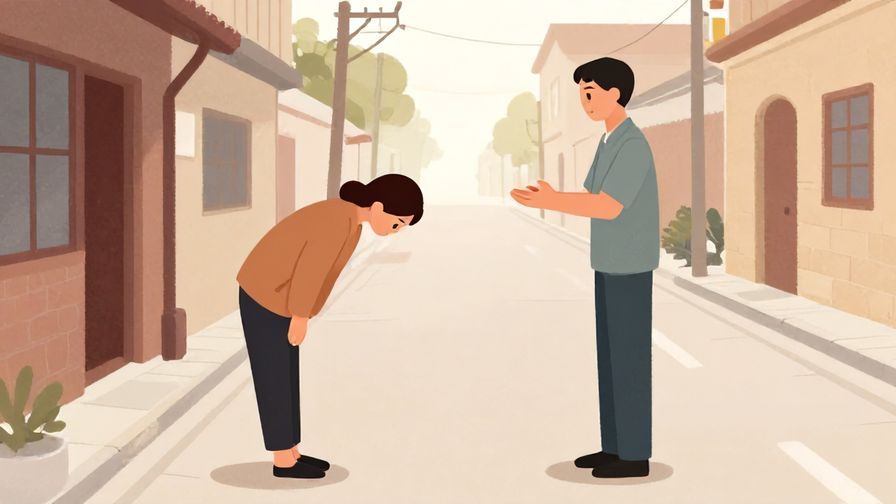
This is a very formal and humble way to ask for directions.
“道案内 (michi an’nai)” means “guidance” or “directions,” and “お願いできますか? (onegai dekimasu ka?)” means “could you please?”
Use it in business settings or with people you want to show high respect to.
It’s a phrase that combines apology and request gracefully.
Try practicing it for formal encounters like hotels or official buildings.
It reflects well on your manners and effort to communicate properly.
16. すみません、助けていただけますか?道に迷いました。 (Sumimasen, tasukete itadakemasu ka? Michi ni mayoimashita.) – “Excuse me, could you please help me? I got lost.”

This phrase combines a polite request for help with the admission of being lost.
It’s respectful and straightforward, suitable for many situations.
“すみません (sumimasen)” opens politely, followed by the humble request “助けていただけますか? (tasukete itadakemasu ka?).”
Great for asking multiple people or in busy places.
Use a gentle voice to sound sincere and approachable.
This phrase balances humility and directness well.
Part 3: Very Casual / Native-like Expressions
17. 迷った〜 (Mayotta~) – “Lost~” (casual, trailing)

This is a very casual, almost slangy way to say you got lost.
Just the past tense verb “迷った (mayotta),” often said with a trailing sound to show mild frustration or humor.
Perfect among friends or peers to express the feeling simply.
It’s not polite but very natural in informal speech.
Use this when you want to keep things light and relatable.
Great for practicing casual conversation or social media posts.
18. どこだっけ? (Doko dakke?) – “Where is it again?”

This phrase literally asks “Where was it again?” and is commonly used when you forgot a location.
It’s very casual and native-like, great in friendly settings.
Use it when you’re trying to recall directions or places but feel a bit lost.
It’s useful for sounding natural among locals or friends.
Try it when chatting or joking about being lost.
It’s a phrase that shows casual uncertainty without being formal or serious.
19. どこ行くんだっけ? (Doko ikun dakke?) – “Where am I supposed to go again?”

This phrase casually asks where you’re supposed to head, implying you’re lost or confused.
It’s very conversational and native-like.
Great for friends or informal situations.
Use it when talking about plans or directions you can’t quite remember.
It’s a fun way to express being lost without sounding too serious.
Practice this phrase for natural sounding Japanese in casual talks.
20. 道分かんない (Michi wakannai) – “Don’t know the way.”

This is a very casual, contracted form of “道がわからない.”
It’s used mostly by young people and sounds more relaxed.
Great for casual conversation but avoid in formal settings.
Use it with friends when admitting you’re lost without fuss.
This phrase helps you sound like a native speaker in informal contexts.
Try to practice the casual tone for authenticity.
21. 迷子になっちゃった (Maigo ni nacchatta) – “I ended up getting lost.”

This is a very casual and cute way to say you got lost.
“なっちゃった (nacchatta)” is a contraction of “なってしまった,” which adds a sense of “ended up.”
It’s perfect for chatting with friends or family.
Use this phrase to add a playful, lighthearted tone to being lost.
Great for informal storytelling or social media.
It’s a phrase that shows you’re okay with the situation, just a bit lost.
22. 迷ったかも (Mayotta kamo) – “Maybe I’m lost.”

This phrase adds uncertainty with “かも (kamo),” meaning “maybe.”
It’s casual and slightly unsure, like you’re guessing you might be lost.
Use it to sound natural when you’re not totally sure.
It’s a gentle way to express confusion without strong certainty.
Great for casual conversations or unsure moments.
Try using “かも” to soften your statements in Japanese naturally.
23. どこにいるのかわかんない (Doko ni iru no ka wakannai) – “I don’t know where I am.” (very casual)

This is a casual, native-like contraction of “どこにいるかわからない.”
Adding “の (no)” for emphasis and “わかんない (wakannai)” is casual for “don’t know.”
It’s great for informal speech and sounds very natural.
Use it among friends or in relaxed situations.
It’s a versatile phrase for expressing location confusion.
Practice this for sounding fluent and casual.
24. 道がぜんぜんわかんない! (Michi ga zenzen wakannai!) – “I don’t understand the way at all!” (very casual, emphatic)

This phrase is very emphatic and casual, often used to vent frustration.
“ぜんぜん (zenzen)” means “completely” or “at all,” and “わかんない (wakannai)” is the casual “don’t know.”
Use it when you really feel lost and want to express that strongly.
It’s great for venting to friends or in casual chats.
Be cautious not to use it formally, as it’s quite informal and expressive.
It’s a phrase that captures the feeling of being totally lost in a fun, relatable way.
Concluding Thought
Feeling lost is something we all experience, and expressing it in another language can be empowering.
These 24 phrases give you a full spectrum from casual to formal, so you can pick what fits your moment perfectly.
Remember, being lost is just a step on the journey, and with these expressions, you’re never truly alone. Keep exploring!