24 Japanese ways to say “Please Call an Ambulance”
Emergencies happen when we least expect them. Knowing how to ask for help quickly in Japanese can make all the difference.
Whether you’re traveling, living in Japan, or just curious, it’s handy to have several ways to say “Please call an ambulance” in your language toolkit.
Japanese has different levels of politeness and context, so this list will cover from casual to formal and even some native-like expressions.
Each phrase comes with pronunciation tips and explanations to boost your confidence when you need to act fast.
Plus, learning these phrases can deepen your understanding of Japanese culture and communication style.
Ready to learn 24 practical and easy-to-remember ways to say “Please call an ambulance”? Let’s dive in!
Getting Started: Why Variety Matters
Different situations call for different expressions, especially in urgent moments.
Sometimes you need to be direct and clear, other times polite and calm, depending on who you’re talking to and the setting.
Knowing multiple ways helps you adapt and be understood better.

Sometimes, using a great beginner phrasebook can give you a perfect starting point for a cohesive understanding.
Practice saying these phrases aloud to get comfortable with the flow and tone.
Remember, clarity and calmness can help save lives in emergencies.
Part 1: Casual Suggestions
1. 救急車を呼んでください (Kyūkyūsha o yonde kudasai) – “Please call an ambulance.”
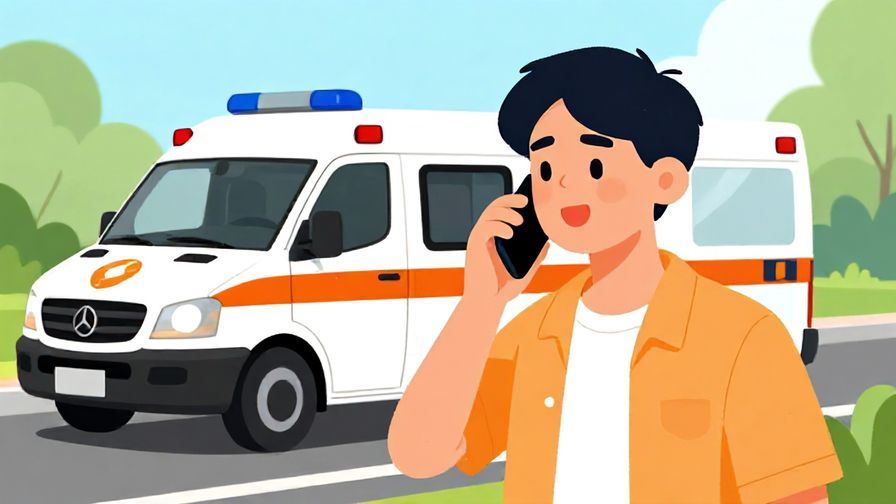
This is the most standard and polite way to ask someone to call an ambulance.
“救急車” (Kyūkyūsha) means “ambulance,” “呼んで” (yonde) is the imperative form of “to call,” and “ください” (kudasai) adds politeness meaning “please.”
Perfect for most situations where you want to be clear but still polite.
It’s straightforward and universally understood.
If you want to be even more polite, you can add “お願いします” (onegaishimasu) at the end.
Practice this phrase to ensure you’re ready if ever the need arises.
2. 救急車を呼んで! (Kyūkyūsha o yonde!) – “Call an ambulance!” (more urgent)

This is a more urgent, direct command without politeness.
Great to use when time is critical, and you need immediate help.
Dropping “ください” makes the phrase sharper and more pressing.
Use this with people you know or in chaotic situations.
Remember, urgency is conveyed by tone and context here.
Be mindful that this can sound abrupt if used casually.
3. 救急車をお願いします (Kyūkyūsha o onegaishimasu) – “Ambulance, please.”
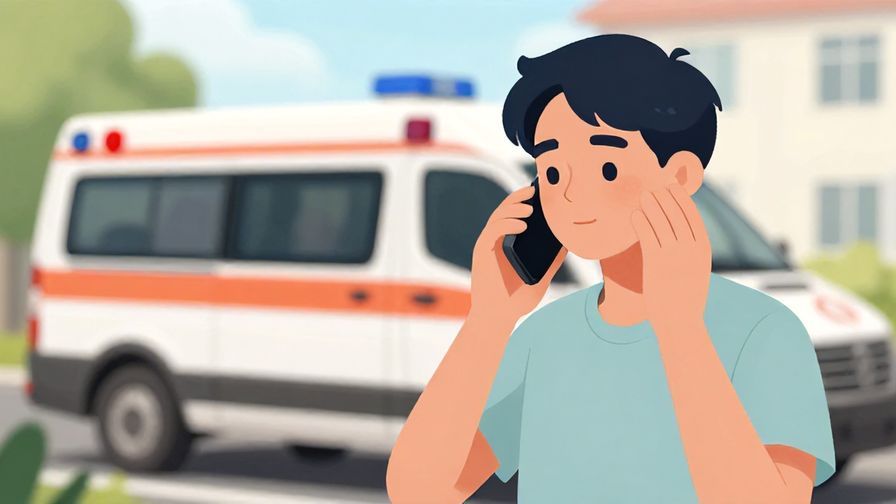
This phrase is polite and softer than the first one.
“お願いします” (onegaishimasu) means “please,” and it’s often used for requests.
It’s a good choice when speaking to a stranger or a professional like a receptionist.
Less direct but still clear and effective.
Pair it with “救急車” (ambulance) to specify what you need.
This phrase fits well in less frantic situations.
4. 救急車を呼んでくれ (Kyūkyūsha o yonde kure) – “Call an ambulance!” (casual)

This is a casual way to ask a close friend or family member.
“くれ” (kure) is a casual command form meaning “do for me.”
It’s less formal and suitable when urgency is understood among close people.
Be careful not to use it with strangers as it can sound rough.
Good for quick calls in familiar company.
Practice tone to avoid sounding too harsh.
5. 救急車を呼んでいただけますか? (Kyūkyūsha o yonde itadakemasu ka?) – “Could you please call an ambulance?” (very polite)

This is a very polite and formal request.
“いただけますか?” (itadakemasu ka?) is a humble way to ask “could you?”
Perfect for formal situations or when speaking with authority figures.
Shows respect and seriousness without sounding demanding.
It may take a little practice to say smoothly.
Use this when you want to sound extra polite and respectful.
6. 救急車をすぐに呼んでください (Kyūkyūsha o sugu ni yonde kudasai) – “Please call an ambulance immediately.”
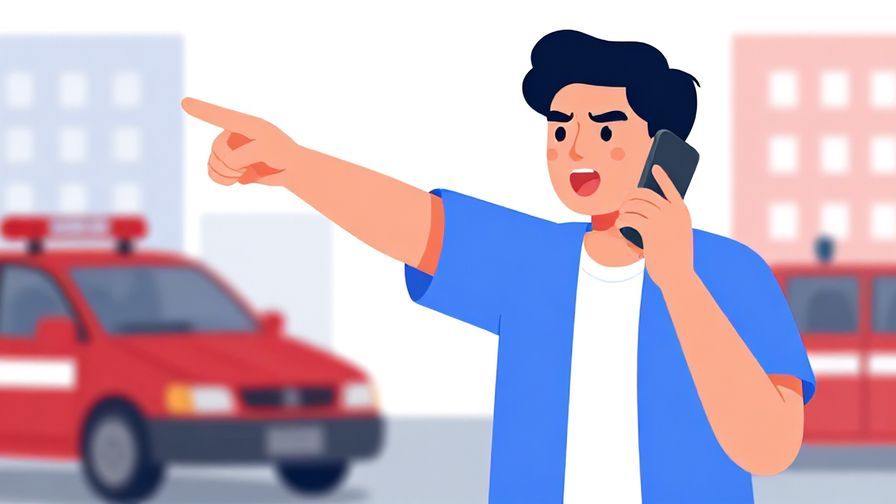
This phrase adds “すぐに” (sugu ni) meaning “immediately” to increase urgency.
It’s polite but stresses that speed is crucial.
Useful when urgency must be clear but you want to remain polite.
Great for calling a bystander or staff during emergencies.
Helps avoid delay in response time.
Practice emphasizing “すぐに” for impact.
7. 救急車を呼んでくれませんか? (Kyūkyūsha o yonde kuremasen ka?) – “Would you mind calling an ambulance?” (polite casual)

This phrase is polite but still casual.
“くれませんか?” (kuremasen ka?) is a polite negative question form used for requests.
Good when you want to be gentle but serious.
Less urgent sounding, more like a calm ask.
Useful if you’re in control but want help fast.
It shows respect and softens the request.
8. 誰か救急車を呼んで! (Dareka kyūkyūsha o yonde!) – “Someone call an ambulance!”

This phrase calls out to anyone nearby for help.
“誰か” (dareka) means “someone.”
It’s an effective way to quickly alert strangers.
Short and to the point.
Good in public places when you need immediate attention.
Keep your voice clear and loud for impact.
Part 2: Polite & Formal Suggestions
9. 救急車をすぐに呼んでいただけますでしょうか? (Kyūkyūsha o sugu ni yonde itadakemasu deshou ka?) – “Would you be so kind as to call an ambulance immediately?”

This is a very formal and respectful request.
“いただけますでしょうか?” (itadakemasu deshou ka?) adds an extra level of politeness.
Use in hospitals, offices, or with strangers to show utmost respect.
It’s ideal for formal calls or reports.
The phrase is longer but conveys seriousness and politeness.
Practice slowly to maintain clarity.
10. 救急車の手配をお願いします (Kyūkyūsha no tehai o onegaishimasu) – “Please arrange for an ambulance.”

This phrase is often used in formal contexts like hospitals or workplaces.
“手配” (tehai) means “arrangement” or “coordination.”
It sounds professional and polite.
Useful when you ask staff or an authority to take action.
It’s less direct but appropriate for official situations.
Try pairing this with a calm tone for best effect.
11. 救急車を呼ぶことができますか? (Kyūkyūsha o yobu koto ga dekimasu ka?) – “Can you call an ambulance?”
This phrase asks if someone is able to call an ambulance.
“ことができますか?” (koto ga dekimasu ka?) means “can you?” or “are you able to?”
It’s polite and checks capability before making a request.
Use when unsure if the person can help.
It’s a gentle way to involve others without pressure.
Helpful when calmness is important.
12. すぐに救急車を呼んでいただけますか? (Sugu ni kyūkyūsha o yonde itadakemasu ka?) – “Could you please call an ambulance immediately?”

This is a polite and urgent request combining immediacy and respect.
“すぐに” (sugu ni) means “immediately,” and “いただけますか?” (itadakemasu ka?) softens the ask.
Suitable for professional or public emergency calls.
Balances urgency with politeness perfectly.
Practice clear pronunciation to avoid confusion.
Great for situations where you want to stay respectful but firm.
13. 救急車の手配を速やかにお願いいたします (Kyūkyūsha no tehai o sumiyaka ni onegai itashimasu) – “Please promptly arrange an ambulance.”

This phrase is very formal and uses “速やかに” (sumiyaka ni) meaning “promptly.”
“お願いいたします” (onegai itashimasu) is a humble, respectful way to say “please.”
Perfect for official and serious emergency contexts.
Shows both urgency and great respect.
Use when dealing with staff or officials.
Practice to maintain polite tone under pressure.
14. 救急車を呼ぶ必要があります (Kyūkyūsha o yobu hitsuyō ga arimasu) – “There is a need to call an ambulance.”

This is a calm, factual way to state that an ambulance must be called.
“必要があります” (hitsuyō ga arimasu) means “there is a need.”
Use this to communicate necessity without commanding.
Good in professional or medical settings.
It sets the tone for action without urgency.
Useful when explaining the situation clearly.
15. 救急車の呼び出しをお願いいたします (Kyūkyūsha no yobidashi o onegai itashimasu) – “I humbly request you to summon an ambulance.”

This is a very polite and humble expression.
“呼び出し” (yobidashi) translates to “summoning” or “calling.”
Great for official or medical personnel requests.
Shows respect and urgency simultaneously.
Perfect when you want to show deference.
Practice to keep the tone sincere and formal.
16. すぐに救急車を手配してください (Sugu ni kyūkyūsha o tehai shite kudasai) – “Please arrange an ambulance immediately.”
This is a polite but firm request for quick ambulance arrangement.
“手配してください” (tehai shite kudasai) means “please arrange.”
Adding “すぐに” (immediately) stresses urgency.
Useful in both formal and semi-formal situations.
Clear and direct, but polite.
Practice to ensure a calm yet urgent delivery.
Part 3: Very Casual / Native-like Expressions
17. 救急車呼んで! (Kyūkyūsha yonde!) – “Call an ambulance!” (very casual)

This is a very casual and quick command often used among friends.
Dropping particles makes the phrase fast and urgent.
Good for situations requiring immediate action among peers.
Not suitable for strangers or formal contexts.
Practice with friends to get natural tone.
Use only when you know your audience well.
18. すぐ救急車呼んで! (Sugu kyūkyūsha yonde!) – “Call an ambulance right now!”

This adds “すぐ” (right now) for emphasis on urgency.
It’s sharp, casual, and very direct.
Useful when seconds count and you’re among close people.
Conveys strong urgency without formality.
Use with a serious tone.
Great for native-like spontaneous calls.
19. 救急車呼んでくれよ! (Kyūkyūsha yonde kure yo!) – “Hey, call an ambulance!” (casual, emphatic)

This phrase adds “よ” (yo) for a strong, emphatic tone.
Very casual and used among close friends or family.
“くれよ” (kure yo) adds urgency and expectation.
Not for strangers or formal use.
Good for expressing urgency naturally.
Practice intonation to avoid sounding rude.
20. ちょっと救急車呼んで! (Chotto kyūkyūsha yonde!) – “Hey, please call an ambulance!” (casual, slightly softer)

“ちょっと” (chotto) means “a little” or “hey,” softening the command.
This makes the urgent request a bit gentler.
Used commonly in casual speech.
Good for quick requests without sounding harsh.
Works well with friends or acquaintances.
Practice tone to balance urgency and politeness.
21. 救急車、呼んでくれない? (Kyūkyūsha, yonde kurenai?) – “Won’t you call an ambulance?” (casual, asking)
This is a casual, friendly way to ask.
“くれない?” (kurenai?) is a casual request meaning “won’t you do this for me?”
Gentle and less urgent, but still a request.
Good for situations where you want to keep calm but ask for help.
Use with people you trust.
Practice casual intonation to sound natural.
22. 救急車お願い! (Kyūkyūsha onegai!) – “Ambulance, please!” (very casual)
This is a very casual, quick plea.
“お願い” (onegai) means “please” but is casual without “します.”
Used when you want to be brief and direct.
Good among friends or when time is short.
Not for formal or stranger interactions.
Practice to keep tone urgent but friendly.
23. 救急車、早く呼んで! (Kyūkyūsha, hayaku yonde!) – “Call an ambulance quickly!”
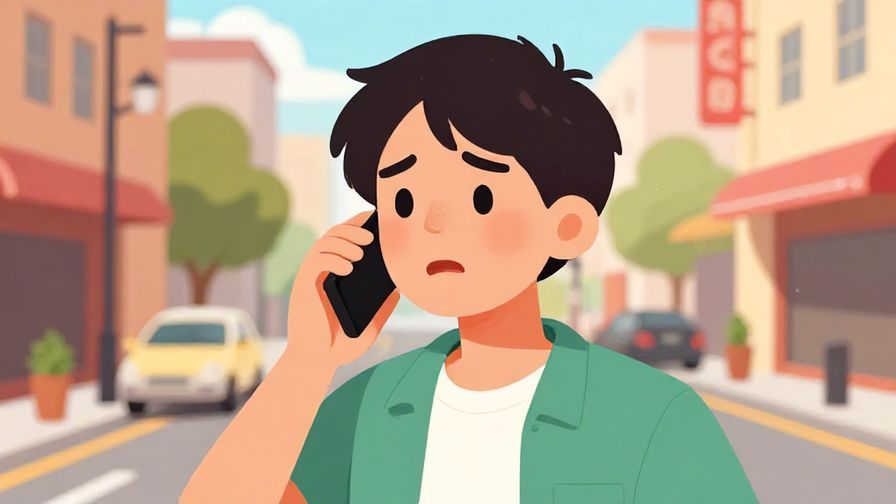
“早く” (hayaku) means “quickly” or “fast.”
This phrase stresses speed in a casual way.
Great for urgent situations among friends or bystanders.
Short and effective to convey urgency.
Use clear voice to communicate seriousness.
Practice emphasizing “早く” for effect.
24. 救急車、すぐ呼んで! (Kyūkyūsha, sugu yonde!) – “Call an ambulance right away!”
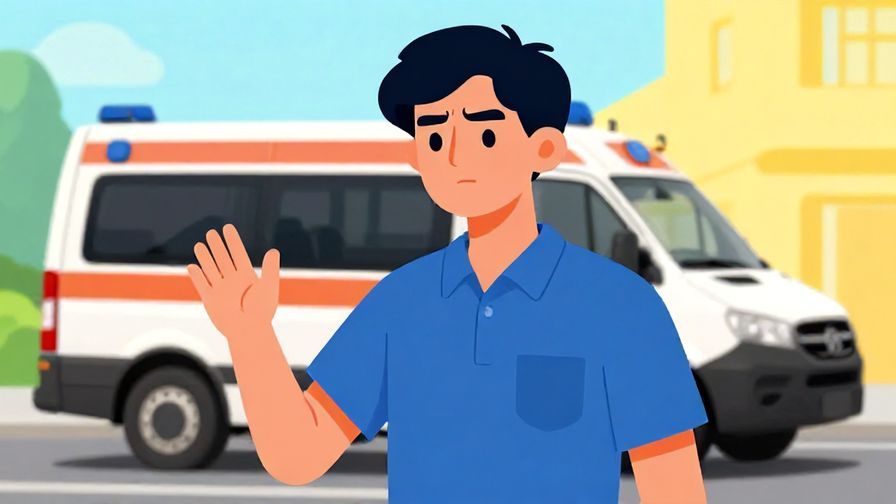
“すぐ” (sugu) means “right away” or “immediately.”
This is a quick, urgent call to action in casual speech.
Perfect for fast-paced emergencies.
Direct, short, and easy to remember.
Use with friends or strangers if tone is clear.
Practice to deliver with urgency but calmness.
Concluding Thought
Learning these 24 ways to say “Please call an ambulance” in Japanese equips you with flexible tools for any emergency.
From polite formal requests to urgent casual commands, you’ll be ready to adapt to the situation and audience.
Remember, the best phrase is one said with clarity and calm—practice these often, and you’ll be prepared when it matters most.