24 Japanese ways to say “Help!”
Ever found yourself in a pinch and needed to shout “Help!” in Japanese? Whether you’re traveling, learning the language, or just curious, knowing different ways to call for help is super useful.
Japanese has a variety of expressions that range from urgent cries to polite requests. Some are casual, some formal, and others sound totally natural and native-like.
In this article, you’ll discover 24 authentic Japanese phrases to express “Help!” or ask for assistance, complete with pronunciation guides and easy explanations.
By the end, you’ll feel way more confident calling out for help in different situations—emergencies, polite contexts, or casual chats.
Plus, you’ll get a peek into the cultural nuances behind these phrases, which makes learning them even more fun and meaningful.
So, let’s dive in and explore these handy Japanese expressions that could really come in clutch someday!
Getting Started with Japanese Help Phrases
Jumping into a new language can feel overwhelming, but starting with practical phrases is the best way to build confidence.
When it comes to “help,” Japanese offers a spectrum—from loud emergency calls to polite requests you’d use in everyday life.
Understanding when and how to use these will make your Japanese feel more natural and respectful.
Sometimes, using a great beginner phrasebook can give you a perfect starting point for a cohesive understanding.
These expressions are simple to learn and easy to remember, making them perfect for everyday use.
Even if you just master a few, you’ll be ready to handle lots of situations with confidence.
Part 1: Casual Suggestions
1. 助けて!(Tasukete!) – “Help!”

This is the classic and most straightforward way to say “Help!” in Japanese.
Just shout “Tasukete!” (ta-su-ke-te) when you’re in trouble or need immediate assistance. It literally means “Help me!”
It’s commonly used in emergencies or when you want to catch someone’s attention fast.
Short and urgent, it works perfectly for shouting out loud.
If you want to be even more urgent, you can add “Kudasai” (please) for politeness, but usually, in emergencies, just “Tasukete!” is enough.
Practice this one first—it’s a lifesaver phrase you’ll be glad to have memorized.
2. 手伝って!(Tetsudatte!) – “Help me!” (with a focus on assistance)

“Tetsudatte!” (te-tsu-dat-te) is used when you want help with a task, like carrying something or finishing a project.
It’s less urgent than “Tasukete!” but still a direct request for help.
This phrase is super useful in daily life, whether at work or with friends.
It literally means “Help (me) do (something).”
Adding “Kudasai” makes it polite: “Tetsudatte kudasai.”
Try using this when you need a hand—it’s friendly and clear.
3. 助けてくれ!(Tasukete kure!) – “Help me!” (rough, masculine)

This phrase is similar to “Tasukete!” but adds “kure,” which is a rough way of saying “give me.”
Used mostly by men, it sounds strong and urgent but less polite.
It’s good for dramatic or intense situations where you want to sound forceful.
Not suitable in formal situations or with strangers.
Use with caution and only if you want to sound tough but direct.
It’s a good phrase to recognize in movies or anime!
4. 来て!(Kite!) – “Come!” (as a call for help)

“Kite!” (ki-te) means “Come!” but can be used to call someone over urgently when you need help.
It’s short and informal, perfect for friends or people nearby.
It implies “Come here and help me.”
Not a direct “help” word, but very natural for quick calls.
Combine with “Tasukete!” for extra clarity: “Tasukete! Kite!”
Great for situations where you want immediate support from someone close.
5. 大変!(Taihen!) – “Oh no!” or “Help!” (expressing trouble)
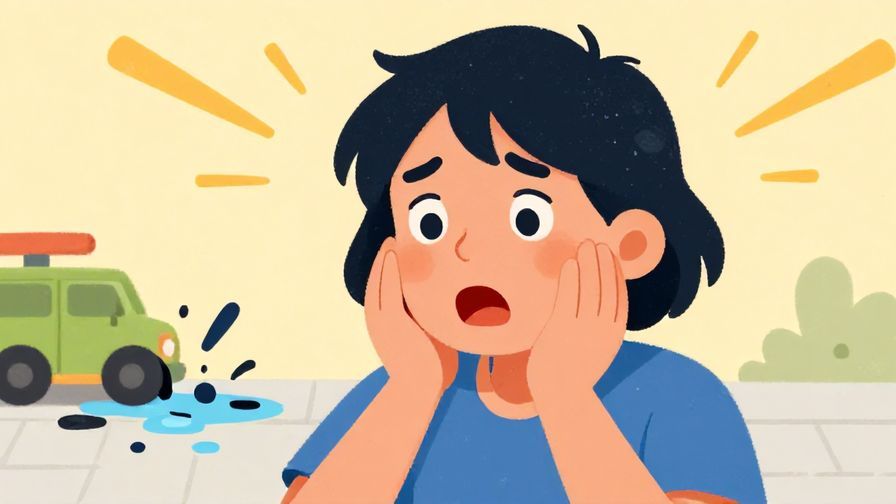
“Taihen!” (tai-hen) literally means “terrible” or “very difficult,” but is often shouted when something bad happens.
It’s like a cry of “Help!” or “This is bad!” in informal contexts.
Good for calling attention to a sudden problem.
Used more for expressing shock or stress than asking for direct help.
Pair with “Tasukete!” if you want to be explicit.
Fun to know as it pops up a lot in Japanese dramas and daily speech.
6. 助けてください!(Tasukete kudasai!) – “Please help me!” (polite)

This is the polite version of “Tasukete!” adding “kudasai” (please).
Ideal for asking strangers or in more formal situations.
It sounds respectful and serious.
Use this when you want to be polite but clear about needing help.
Perfect for tourists or learners who want to sound courteous.
Great phrase to memorize for emergencies or asking for assistance politely.
7. 助けて!お願いします!(Tasukete! Onegaishimasu!) – “Help! Please!”

Adding “Onegaishimasu” (oh-neh-gai-shee-mas) adds a very polite “please” to “Tasukete!”
This phrase is polite, urgent, and respectful all at once.
It’s perfect for emergencies where you want to appeal seriously but politely.
“Onegaishimasu” is a versatile polite request phrase.
Using it shows good manners, even in tough moments.
Practice this to sound both polite and earnest.
8. 手伝ってください!(Tetsudatte kudasai!) – “Please help me!” (with assistance)

This is the polite version of “Tetsudatte!”
Great for asking politely in stores, workplaces, or public places.
It’s a respectful, clear way to request help with tasks.
Using “kudasai” softens the request and shows good etiquette.
Perfect for learners aiming to be polite and effective.
Try this phrase when you want a helping hand without sounding pushy.
Part 2: Polite & Formal Suggestions
9. お助けください!(Otasuke kudasai!) – “Please help me!” (very polite)

Adding “O” before “tasuke” makes it honorific and more polite.
“Otasuke kudasai” (oh-ta-su-ke ku-da-sa-i) is very formal and respectful.
Used in serious or professional situations to ask for help.
It conveys humility and respect to the listener.
Perfect if you want to sound very polite and official.
Great to know for formal calls or customer service contexts.
10. ご助力ください!(Gojoryoku kudasai!) – “Please assist!” (formal)

“Gojoryoku” means “assistance” or “support,” with “go” as an honorific prefix.
“Gojoryoku kudasai” is a formal, polite way to ask for help or cooperation.
It’s often used in business or official requests.
Not common in casual speech but useful to recognize.
Shows respect and professionalism.
Good phrase for advanced learners interested in formal Japanese.
11. 何とかしてください!(Nantoka shite kudasai!) – “Please do something!”

This phrase literally means “Please do something about it!”
Used when you want urgent help or action from someone.
It’s polite because of “kudasai” but expresses urgency and a plea.
Good for asking for problem-solving help in formal or semi-formal settings.
Can be used in customer service or official complaints politely.
Try it when you need someone to take action quickly.
12. お手伝い願えますか?(O-tetsudai negaemasu ka?) – “Could you please help me?”

This is a very polite and formal way to ask for help.
“O-tetsudai” is the honorific for “help,” and “negaemasu ka” means “could you please.”
Perfect for situations where utmost politeness is required.
Good for customer service or when asking someone you don’t know.
Sounds very respectful and gentle.
Practice this to impress with your politeness!
13. ご支援いただけますか?(Go-shien itadakemasu ka?) – “Could you provide support?”

This phrase is extremely formal and respectful.
“Go-shien” means “support” with honorific “go.”
“Itadakemasu ka” is a humble way of asking “could you.”
Usually used in business, charity, or official contexts.
Not for casual conversations but great for formal written or spoken requests.
Excellent phrase to know for professional settings.
14. お力添えいただけますか?(O-chikara zoe itadakemasu ka?) – “Could you lend me your help?”
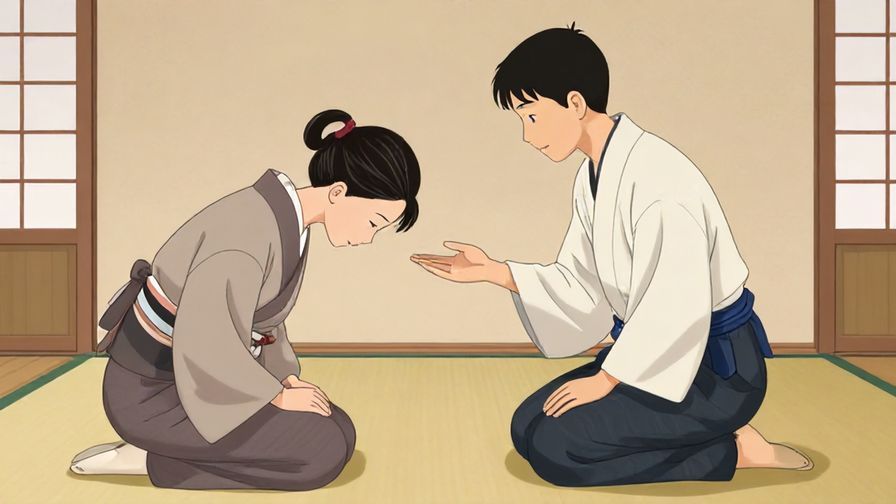
This is another very polite and humble request for help.
“O-chikara zoe” means “your help or power,” with honorific.
“Itadakemasu ka” adds the polite “could you.”
Used in formal or written communication.
It’s respectful and shows deep gratitude in advance.
Great phrase for letters or serious requests.
15. ご協力お願いいたします。(Go-kyōryoku onegai itashimasu.) – “I humbly request your cooperation.”

This phrase requests cooperation or help formally and humbly.
“Go-kyōryoku” means “cooperation” with honorific “go.”
“Onegai itashimasu” is a very polite way to say “please.”
Often used in business emails, announcements, or formal speeches.
Shows professionalism and respect.
Useful for learners aiming to master formal Japanese etiquette.
16. お願い申し上げます。(Onegai mōshiagemasu.) – “I sincerely request (your help).”
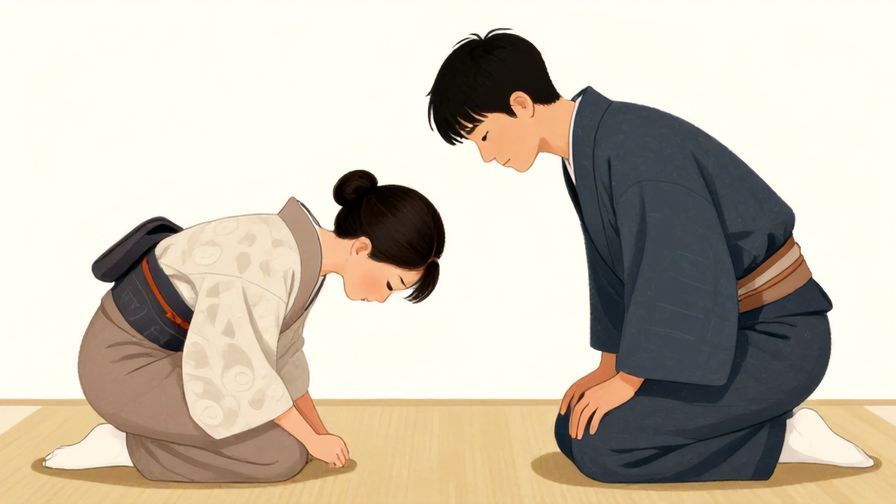
One of the most formal and respectful ways to request something.
“Onegai” means “please,” and “mōshiagemasu” is a humble form of “say.”
Used in official letters, speeches, or very polite conversation.
Conveys deep respect and seriousness.
Great for advanced learners or formal occasions.
Memorizing this will help you sound polished and courteous.
Part 3: Very Casual / Native-like Expressions
17. たすけてよ!(Tasukete yo!) – “Help me!” (casual, with emphasis)

Adding “yo” adds emphasis and a casual tone.
Used among close friends or family when asking for help urgently.
Sounds natural and friendly but with a bit of force.
Good for casual, everyday emergencies or jokes.
Try this with friends to sound more native-like.
Be careful not to use it in formal situations.
18. 助けてくれよ!(Tasukete kure yo!) – “Help me, come on!” (casual, masculine)

Combines the rough “kure” with the casual “yo.”
Used mostly by men to sound assertive and informal.
Great for movies or casual speech among guys.
Not polite but very natural sounding.
Good to recognize in pop culture or informal chats.
Practice to get the intonation right and sound authentic.
19. 手伝ってよ!(Tetsudatte yo!) – “Help me out!” (casual)

Casual and friendly way to ask someone to help you.
Adding “yo” makes it sound lighthearted but still a request.
Perfect among friends or family.
Easy to say and sounds very natural.
Use this to sound approachable and native-like.
Great for everyday situations where you need a hand.
20. ちょっと助けて!(Chotto tasukete!) – “Help me a little!”

“Chotto” means “a little” and softens the request.
Used when you need small or quick help.
Sounds casual and polite in a friendly way.
Good for asking favors without sounding too demanding.
Try this when you just need a quick hand.
It’s a very common and useful phrase.
21. やばい、助けて!(Yabai, tasukete!) – “Oh no, help!” (colloquial)

“Yabai” is a popular slang meaning “oh no” or “this is bad.”
Paired with “tasukete,” it makes a casual, emotional cry for help.
Very common among young people.
Sounds natural and spontaneous.
Good to know for understanding casual conversations and media.
Use it carefully as it’s informal and slangy.
22. マジで助けて!(Maji de tasukete!) – “Seriously, help me!” (casual)

“Maji de” means “seriously” or “for real.”
Adding it before “tasukete” intensifies the urgency casually.
Shows you really need help, but in a conversational tone.
Popular among friends or social media.
Great phrase to sound current and native.
Perfect for informal chats or social situations.
23. 助けてくれない?(Tasukete kurenai?) – “Won’t you help me?” (casual request)

A casual, soft way to ask for help.
“Kurenai” adds a questioning tone, like “won’t you.”
Less direct and more polite among friends.
Great for softening your request.
Use this when you want to sound friendly and considerate.
Very natural in everyday conversation.
24. 手助けして!(Tedasuke shite!) – “Give me a hand!” (casual)

“Tedasuke” means “helping hand” or “assistance.”
“Shite” means “do,” so together it’s “Do help!” or “Help me out!”
Casual and friendly phrase.
Great for asking help in daily life without sounding too serious.
Use it with friends or colleagues.
It’s a warm, natural expression.
Concluding Thought
Learning how to say “Help!” in Japanese in different ways not only prepares you for emergencies but also helps you connect better with the culture and people.
From urgent cries to polite requests, each phrase fits a moment and shows your respect for the situation and listener.
Keep practicing these expressions, and you’ll find yourself more confident and ready to communicate with warmth, clarity, and authenticity whenever you need a helping hand.