24 Japanese ways to say “I Feel Dizzy”
Feeling dizzy can be such a weird, unsettling sensation, right? Luckily, Japanese has tons of ways to express it, depending on how you feel and who you’re talking to.
Whether you’re chatting casually with friends or explaining how you feel to a doctor, there’s a phrase for every situation. It’s like having your own little toolbox of expressions.
In this listicle, we’ll explore 24 different Japanese ways to say “I feel dizzy.” Some are super casual, others polite, and a few are native-like expressions you’ll hear in everyday life.
Learning these can help you sound natural and confident, whether you’re traveling, studying, or just want to understand Japanese better.
Plus, knowing the nuances behind these phrases will give you a deeper connection to the language and culture.
Ready to spin your way through these expressions? Let’s get started!
Understanding Dizzy Expressions in Japanese
Dizziness in Japanese can be described with various words depending on the type and intensity of the feeling.
Some phrases focus on the physical sensation, others on the feeling of faintness or vertigo. It’s important to pick the right one to express exactly how you feel.
These expressions also vary in politeness and formality, so you can use them in any setting.

If you’re just getting started, a great phrasebook for beginners can be a great help to see how these expressions fit in conversations.
Remember, the more you practice, the easier it is to recognize and use these phrases naturally.
Let’s dive into the casual expressions first — these are what you’d likely say among friends or family.
Part 1: Casual Suggestions
1. めまいがする (Memai ga suru) – “I feel dizzy.”

This is the most straightforward way to say “I feel dizzy.”
めまい (memai) means “dizziness” or “vertigo,” and がする (ga suru) means “to feel” or “to have.” Put together, it literally means “dizziness is happening.”
It’s simple and used in everyday conversation when you feel lightheaded or dizzy.
Perfect for casual chats with friends or explaining how you feel without sounding too technical.
A related phrase is くらくらする (kurakura suru), which also means “to feel dizzy” but with a stronger sense of spinning.
Try saying this one next time your head feels funny—it’s a natural go-to phrase.
2. くらくらする (Kuraraku suru) – “I’m feeling woozy/spinning.”

くらくら (kurakura) is an onomatopoeic word that vividly describes the sensation of spinning or wooziness.
Adding する (suru) makes it a verb phrase meaning “to feel dizzy.”
This phrase is great when you want to emphasize that your head is actually spinning, not just lightheaded.
It’s casual and commonly used, especially when you feel faint or about to lose balance.
Be careful not to confuse it with めまいがする (memai ga suru), which is more general dizziness.
Use this when you want to sound more expressive about your dizziness.
3. 頭がふらふらする (Atama ga furafura suru) – “My head is unsteady.”
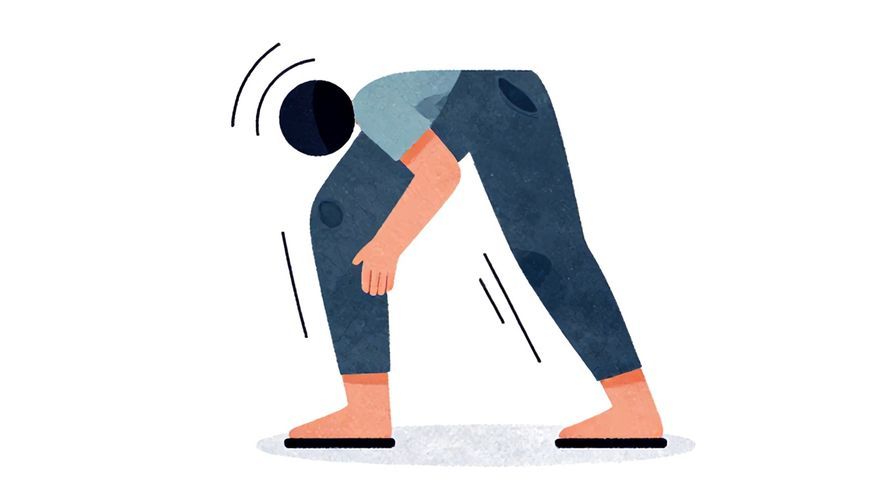
ふらふら (furafura) describes feeling unsteady or swaying, often physically.
頭が (atama ga) means “head,” so this phrase literally says “my head is swaying.”
It’s casual and perfect for describing feeling a bit off-balance or woozy.
Good for mild dizziness that makes you feel shaky but not necessarily spinning.
Pair it with めまい (memai) to describe different types of dizzy feelings.
Use this one to describe that wobbly sensation your head sometimes gets.
4. 気持ちが悪い (Kimochi ga warui) – “I feel sick/queasy.”

Though it literally means “feeling bad,” this phrase is often used when dizziness comes with nausea.
気持ち (kimochi) means “feeling” and 悪い (warui) means “bad.”
It’s a casual, common way to say you’re feeling off, which can include dizziness.
If your dizziness includes nausea, this phrase covers both.
Be aware it can also mean general sickness, so context is key.
Great phrase to use if your dizziness affects your stomach.
5. 目が回る (Me ga mawaru) – “My eyes are spinning.”

This idiomatic expression literally means “my eyes are spinning,” a colorful way to say you feel dizzy.
目 (me) means “eyes” and 回る (mawaru) means “to turn” or “spin.”
It’s casual and often used when dizziness is strong or sudden.
Great for expressing a dizzy spell or vertigo feeling in a natural, conversational way.
It’s an easy phrase to remember because of the vivid mental image.
Use this when your dizziness is intense and visual disturbance is part of it.
6. 頭がクラクラする (Atama ga kurakura suru) – “My head feels light/spinning.”

クラクラ (kurakura) is similar to くらくら but specifically emphasizes a lightheaded, dizzy feeling.
頭が (atama ga) means “head,” so it’s “my head feels dizzy/light.”
It’s casual and often used when you feel faint or like you might pass out.
Good phrase to use when dizziness isn’t severe spinning but more a woozy lightheadedness.
Perfect for describing faint feelings after standing too quickly or being tired.
Use this phrase to sound natural and descriptive about your lightheadedness.
7. 立ちくらみがする (Tachigurami ga suru) – “I feel dizzy when standing up.”

立ちくらみ (tachigurami) refers to dizziness or faintness specifically when standing up quickly.
がする (ga suru) means “to feel,” so this phrase means “I experience standing dizziness.”
It’s casual but descriptive, perfect for explaining dizziness caused by posture changes.
Useful when you want to pinpoint the cause or context of your dizziness.
Try this if you want to be more specific about your symptoms with friends or family.
It’s a handy phrase for everyday conversations about health.
8. 頭がボーッとする (Atama ga boo tto suru) – “My head feels fuzzy.”

ボーッと (boo tto) expresses a fuzzy, unclear feeling, often mental but can imply light dizziness.
頭が (atama ga) means “head,” so this phrase means “my head feels fuzzy or foggy.”
It’s casual and common when you feel spaced out or lightheaded without strong spinning.
Great for describing a general woozy or cloudy-headed feeling.
Try this phrase if your dizziness feels more like mental fog than physical spinning.
It’s relatable and natural sounding in casual chats.
Part 2: Polite & Formal Suggestions
9. めまいがします (Memai ga shimasu) – “I feel dizzy.” (polite)

This is the polite version of めまいがする (memai ga suru), often used in formal or professional contexts.
Adding します (shimasu) makes it polite and respectful.
Perfect for talking to doctors, teachers, or strangers politely.
It’s a safe go-to phrase to sound courteous while expressing dizziness.
You can also add ちょっと (chotto) before to soften it: ちょっとめまいがします (I feel a little dizzy).
Using polite speech helps you navigate formal situations smoothly.
10. くらくらします (Kuraraku shimasu) – “I’m feeling woozy.” (polite)

The polite version of くらくらする (kurakura suru), this phrase is great for polite conversations.
くらくら (kurakura) remains the same, but adding します (shimasu) makes it respectful.
Good for workplace or medical situations when you want to sound professional.
It shows you’re aware of politeness without losing the meaning.
You might also hear ちょっとくらくらします (I feel a bit woozy) to sound gentle.
Use this to keep conversations considerate and clear.
11. 頭がふらふらします (Atama ga furafura shimasu) – “My head feels unsteady.” (polite)

ふらふら (furafura) is kept for “unsteady,” and します (shimasu) makes it polite.
This phrase is ideal for formal talks when you need to describe your dizziness carefully.
It’s respectful but still descriptive enough for doctors or colleagues.
Useful for health check-ins or polite conversations about symptoms.
Try combining it with ちょっと (chotto) for “a little unsteady.”
Politeness helps you communicate clearly and respectfully.
12. 気分が悪いです (Kibun ga warui desu) – “I feel unwell.” (polite)

気分 (kibun) means “feeling,” and 悪いです (warui desu) makes it polite for “bad.”
This phrase politely conveys general sickness or dizziness with nausea.
It’s versatile and polite, good for doctors or formal conversations.
It’s less specific but covers a broad range of feeling unwell, including dizziness.
Adding 少し (sukoshi) before means “a little”: 少し気分が悪いです.
Use this when you want to keep it general and polite.
13. 目が回っています (Me ga mawatte imasu) – “My eyes are spinning.” (polite)

目が回る (me ga mawaru) becomes 目が回っています (me ga mawatte imasu) for polite continuous form.
This phrase politely emphasizes ongoing dizziness or spinning vision.
Great for formal descriptions of vertigo or dizziness that’s happening right now.
It sounds considerate and specific, suitable for medical or work settings.
Try it when you want to sound precise and polite.
It’s a step up in formality from the casual version.
14. 頭がクラクラしています (Atama ga kurakura shite imasu) – “My head is feeling lightheaded.” (polite)

Polite form of 頭がクラクラする (atama ga kurakura suru), this phrase is perfect for formal situations.
It communicates lightheaded dizziness respectfully and clearly.
Useful when talking to health professionals or in business contexts.
Adding ちょっと (chotto) makes it “a little lightheaded.”
Use this phrase to sound both clear and polite about your symptoms.
It’s easy to add to your polite conversation toolkit.
15. 立ちくらみがします (Tachigurami ga shimasu) – “I feel dizzy when standing up.” (polite)

Polite version of 立ちくらみがする (tachigurami ga suru), this phrase is respectful and clear.
It’s great when explaining specific dizziness to doctors or coworkers.
Perfect for formal situations where you want to be precise and polite about symptoms.
It’s a useful phrase for health-related conversations.
Try saying this when describing dizziness caused by sudden standing.
It’s polite but still natural and easy to understand.
16. 頭がボーッとしています (Atama ga boo tto shite imasu) – “My head feels fuzzy.” (polite)

The polite form of 頭がボーッとする (atama ga boo tto suru), expressing a fuzzy or cloudy head feeling.
It’s perfect for formal or professional settings where you want to sound clear but gentle.
Use this when your dizziness feels more like mental fog than spinning.
Adding ちょっと (chotto) makes it “a little fuzzy-headed.”
This phrase is polite and descriptive for subtle symptoms.
It rounds out your polite expressions nicely.
Part 3: Very Casual / Native-like Expressions
17. くらっときた (Kuratto kita) – “I just got dizzy.”

This very casual phrase means “I just got dizzy,” with くらっと (kuratto) representing a sudden dizzy feeling.
きた (kita) is the past tense of 来る (kuru), meaning “to come.”
It’s a native-like way to say dizziness hit you suddenly.
Perfect for casual conversations with friends.
It feels spontaneous and natural, like reporting a sudden sensation.
Use this to sound like a local when describing quick dizziness.
18. 目がチカチカする (Me ga chikachika suru) – “My eyes are flickering.”

チカチカ (chikachika) is an onomatopoeia for flickering or flashing, often used to describe eye symptoms related to dizziness.
目が (me ga) means “eyes,” so you’re describing flickering or flashing vision.
This phrase is casual and very visual, commonly used by native speakers.
Good for describing dizziness that affects your eyesight.
It adds a vivid detail to your description of dizziness.
Try this phrase to sound more natural and descriptive.
19. フラッとした (Furatto shita) – “I felt dizzy/faint.”

フラッと (furatto) is a casual expression for a brief dizzy or faint feeling.
した (shita) is past tense, so it means “I felt dizzy/faint.”
This phrase is native-like and often used in casual chats.
It’s great for describing a momentary dizzy spell.
Use this to sound natural and conversational.
A quick, simple phrase to remember and use often.
20. くらっとする (Kuratto suru) – “I’m feeling dizzy.”
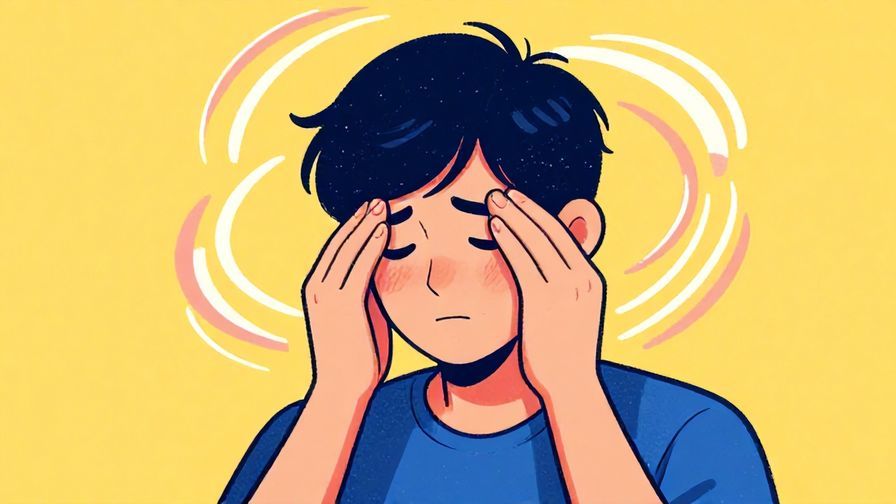
くらっと (kuratto) is an onomatopoeic word for a sudden dizzy or faint feeling.
する (suru) means “to do” or “to feel” in this context.
It’s a casual, native-like way to say you’re feeling dizzy.
Perfect for informal conversations.
It’s short, expressive, and very commonly used in spoken Japanese.
Great phrase to add to your casual vocabulary.
21. ふわっとした感じ (Fuwatto shita kanji) – “A light, floating dizzy feeling.”

ふわっと (fuwatto) means “lightly” or “softly,” and 感じ (kanji) means “feeling.”
Put together, this describes a light, floating, dizzy sensation.
It’s casual and poetic, often used by native speakers to describe mild dizziness.
Good for describing a delicate sensation rather than strong dizziness.
Use this phrase to sound gentle and expressive about how you feel.
It’s a beautiful way to express subtle dizziness.
22. ちょっとフラフラしてる (Chotto furafura shiteru) – “I’m a little unsteady.”
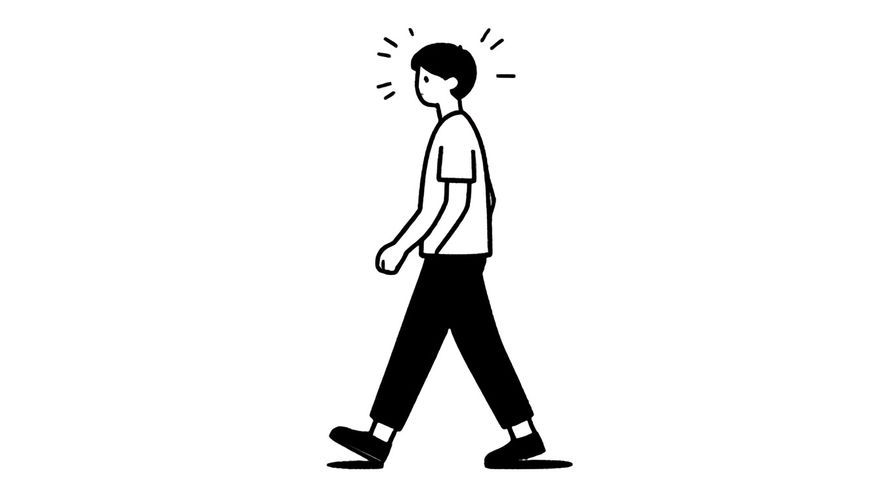
ちょっと (chotto) means “a little,” and フラフラしてる (furafura shiteru) means “being unsteady.”
This phrase is very casual and often used among friends.
It’s great for mild dizziness or slight balance issues.
Perfect for everyday conversations when you feel a bit off.
Adding ちょっと softens the feeling, making it less severe.
A friendly, relatable way to explain your condition.
23. 目がグルグルする (Me ga guruguru suru) – “My eyes are spinning around.”
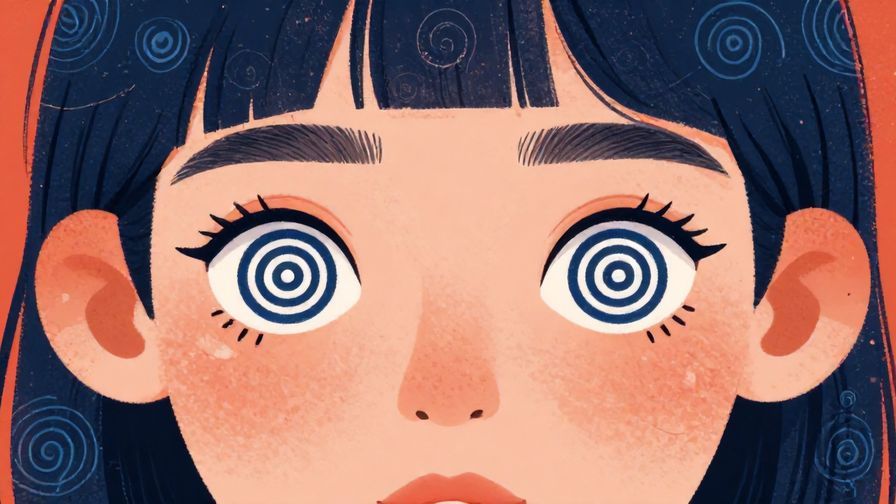
グルグル (guruguru) is an onomatopoeia for spinning or twirling, often used to describe dizziness or nausea.
目が (me ga) means “eyes,” so this phrase means “my eyes are spinning.”
Very casual and expressive, this is a native-like way to talk about vertigo.
It paints a vivid mental picture.
Use this phrase to sound natural and colorful in conversation.
It’s perfect for informal chats with close friends.
24. 頭がボーッとしてる (Atama ga boo tto shiteru) – “My head feels fuzzy.” (casual)

Similar to the polite version but casual, this phrase means “my head feels fuzzy or spacey.”
ボーッとしてる (boo tto shiteru) conveys a feeling of mental fog or light dizziness.
It’s commonly used among friends and family.
Great for describing subtle dizziness or spacing out.
Use this phrase to sound relaxed and natural.
It’s a very relatable expression for everyday dizziness.
Concluding Thought
Exploring these 24 expressions shows just how rich and nuanced Japanese is when it comes to describing dizziness.
From casual chats to polite conversations, you now have a wide range of phrases to express exactly how you feel.
Keep practicing these, and soon you’ll be able to share your dizzy moments naturally and confidently, no matter the situation!