24 Japanese ways to say “The Air Conditioner Isn’t Working”
We all know that sinking feeling when the air conditioner stops working just as the summer heat hits hard.
Whether you’re at home, at work, or visiting a friend, knowing how to say “The air conditioner isn’t working” in Japanese can be really handy.
It’s not only practical but also a great way to sound more natural and polite in daily conversations.
This listicle will take you through 24 Japanese phrases that express this idea, from casual to polite, and even some native-like expressions.
With clear pronunciation guides and easy explanations, you’ll be ready to explain your AC troubles like a pro.
Ready to cool down your Japanese skills? Let’s dive in!
Getting Started: Why So Many Ways?
Japanese is a language rich in nuance and politeness levels.
When talking about something not working, like an air conditioner, the way you say it can change depending on who you’re talking to and the situation.
Understanding these variations helps you communicate clearly and appropriately in any setting.
If you want a handy resource for learning these phrases, try looking into a beginner Japanese phrasebook to build your confidence quickly.
Remember, practice makes perfect, and these phrases are easy to start using right away.
Let’s begin with some casual phrases you can use with friends or family.
Part 1: Casual Suggestions
1. エアコンが壊れた (Eakon ga kowareta) – “The air conditioner broke.”
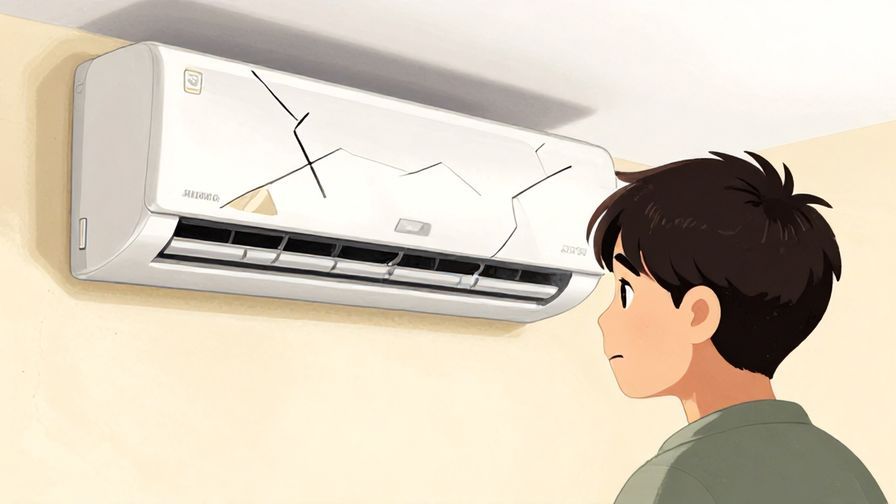
This is a very straightforward way to say the AC is out of order.
“エアコン” (Eakon, eh-ah-kon) means “air conditioner,” and “壊れた” (kowareta, koh-wah-reh-tah) means “broke” or “broken.”
It’s perfect for casual chats with friends or family.
Just saying it like this instantly tells someone there’s a problem.
You can also say “壊れている” (kowarete iru) for “is broken,” adding a bit more present continuous feeling.
Feel free to use this phrase anytime you want to keep it simple and natural.
2. エアコンが動かない (Eakon ga ugokanai) – “The air conditioner isn’t working.”
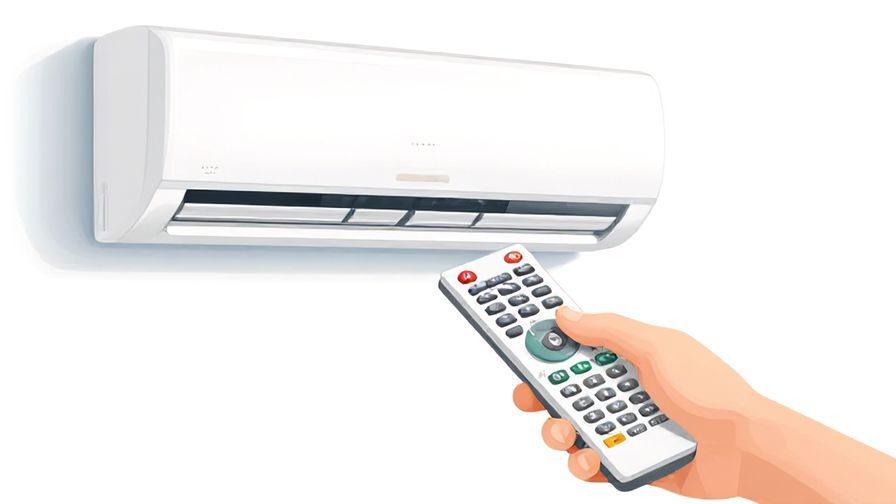
This phrase is very common when the AC just won’t start or run.
“動かない” (ugokanai, oo-goh-kah-nah-ee) means “doesn’t move” or “doesn’t work.”
It’s a bit more specific than “壊れた” and emphasizes the lack of function.
Great for casual conversations or texting your roommate.
Just remember “エアコンが” (eakon ga) marks the air conditioner as the subject.
Using this phrase helps you sound natural without sounding too formal.
3. エアコンが効かない (Eakon ga kikanai) – “The air conditioner isn’t effective.”
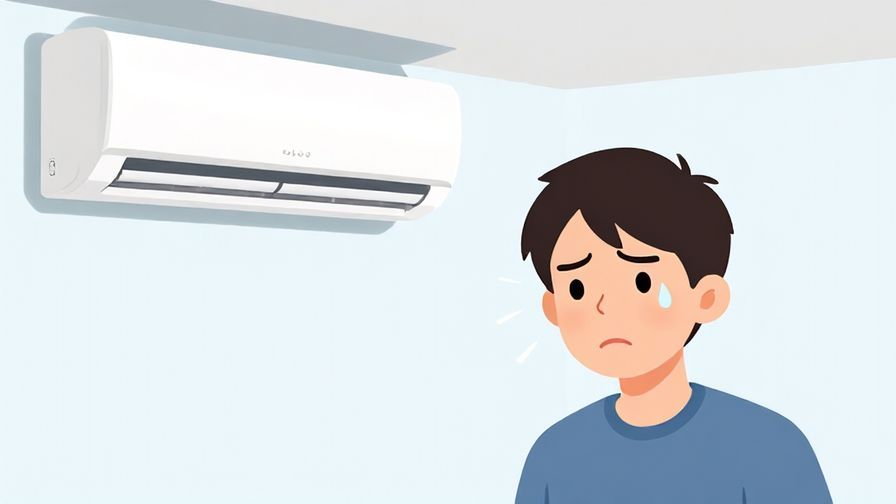
When the AC runs but doesn’t cool properly, this is a great phrase.
“効かない” (kikanai, kee-kah-nah-ee) means “not effective” or “not working well.”
It’s a subtle difference, perfect when it’s on but not doing its job.
Use this when you want to describe the problem more precisely.
You might also hear “冷えない” (hienai, hee-eh-nah-ee) meaning “not cooling.”
This phrase adds some nuance that’s useful in everyday talk.
4. エアコンがつかない (Eakon ga tsukanai) – “The air conditioner won’t turn on.”
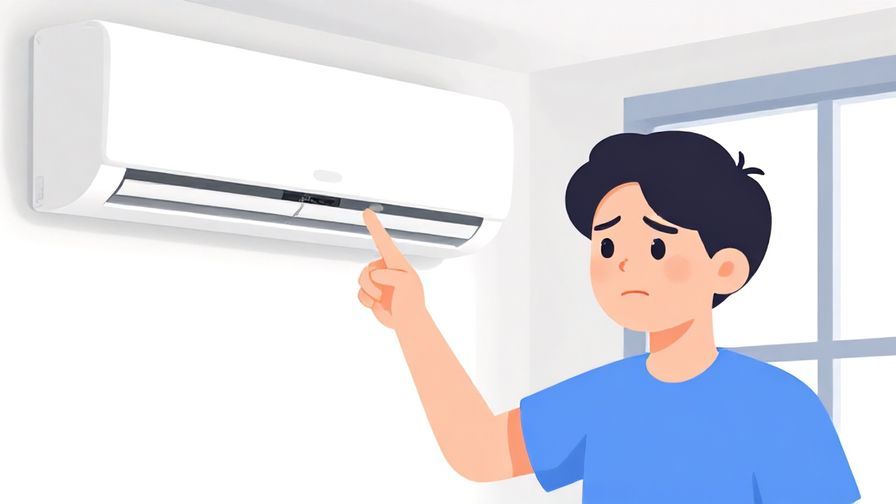
This is perfect when the AC won’t power on at all.
“つかない” (tsukanai, tsoo-kah-nah-ee) means “won’t turn on” or “doesn’t light up.”
It’s a very natural phrase for casual speech.
Great to use when you want to explain the problem quickly.
It focuses on the “power on” aspect specifically.
Using this makes your Japanese sound very native and conversational.
5. エアコンが止まった (Eakon ga tomatta) – “The air conditioner stopped.”
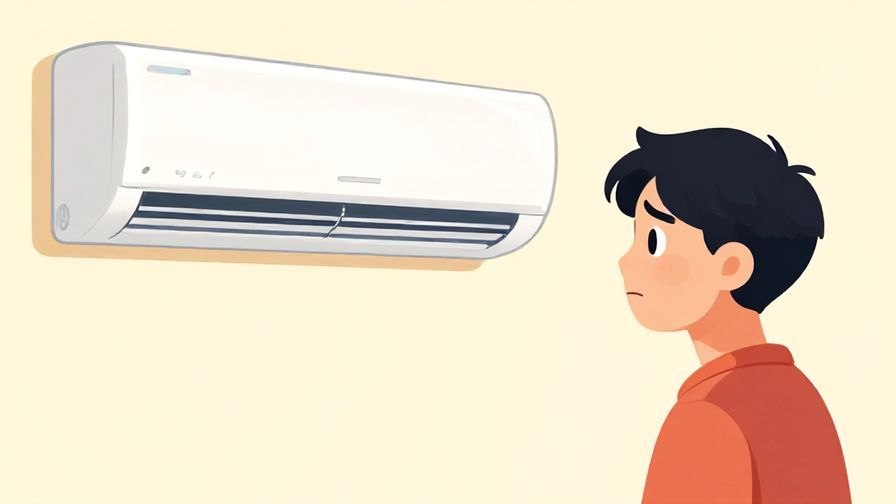
Use this when the AC was running but suddenly stopped working.
“止まった” (tomatta, toh-mah-ttah) means “stopped.”
It’s casual and easy to say.
This phrase conveys the suddenness of the issue.
It’s great for describing what just happened.
Try this one when you want to sound like you’re explaining a recent problem.
6. エアコンが調子悪い (Eakon ga choushi warui) – “The air conditioner is acting up.”
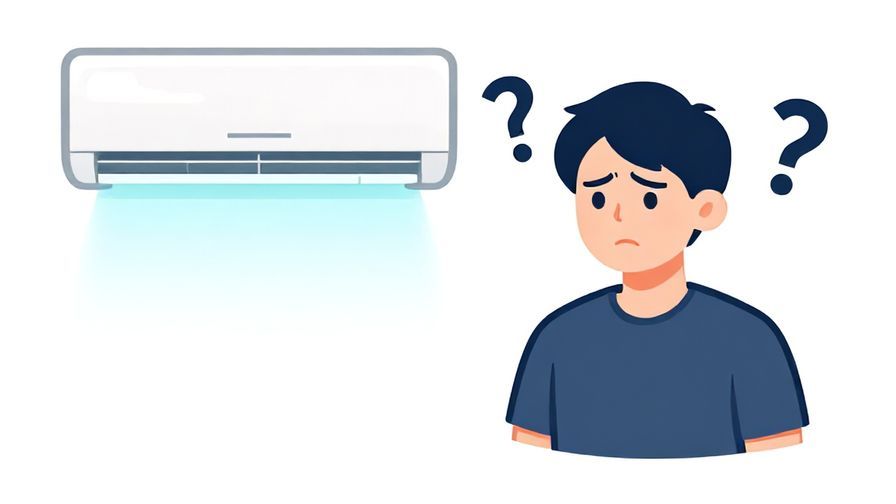
This is a very natural way to say the AC isn’t working well.
“調子悪い” (choushi warui, choh-shee wah-roo-ee) literally means “condition is bad.”
It’s like saying “It’s acting up” or “Not feeling well.”
Perfect for casual chats about malfunctioning appliances.
It’s softer than saying “broken.”
Use it to sound friendly and relatable.
7. エアコンが変だ (Eakon ga hen da) – “The air conditioner is weird.”
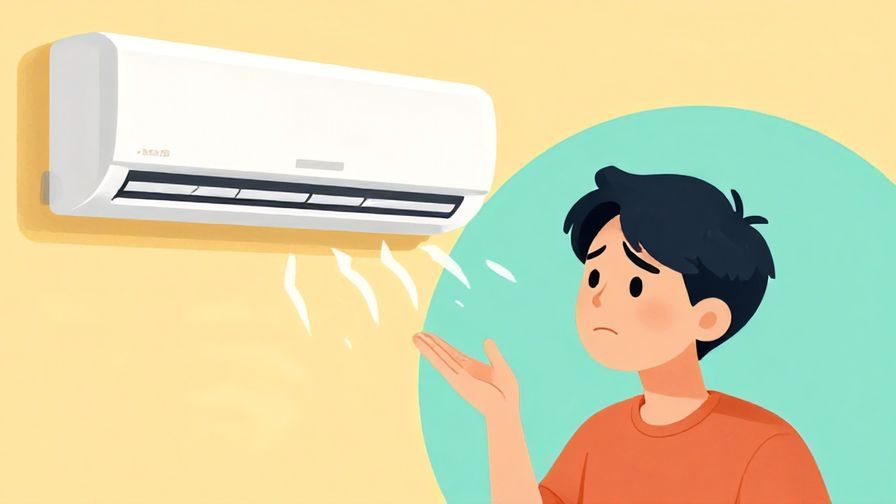
This phrase is casual and a bit playful.
“変だ” (hen da, hen dah) means “strange” or “weird.”
Use it when the AC is doing something unusual but not fully broken.
It’s a great way to express confusion or mild annoyance.
It’s often used among friends or family.
Try it to sound very natural and native-like.
8. エアコンがうるさい (Eakon ga urusai) – “The air conditioner is noisy.”
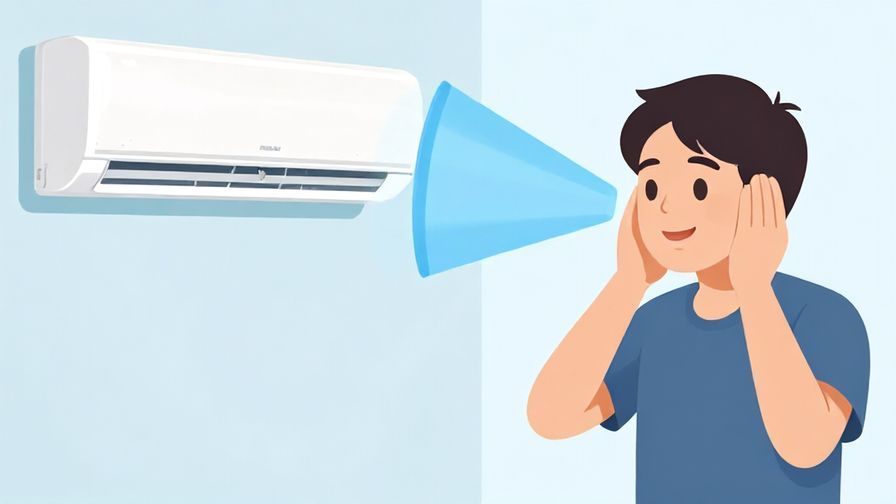
Sometimes the problem isn’t that it’s broken, but that it’s too loud.
“うるさい” (urusai, oo-roo-sah-ee) means “noisy” or “annoying.”
It’s a useful phrase to describe an annoying AC sound.
Great for casual complaints or small talk.
You can pair it with other phrases for more detail.
It’s a common expression that will make your Japanese sound natural.
Part 2: Polite & Formal Suggestions
9. エアコンが故障しています (Eakon ga koshou shite imasu) – “The air conditioner is broken.”
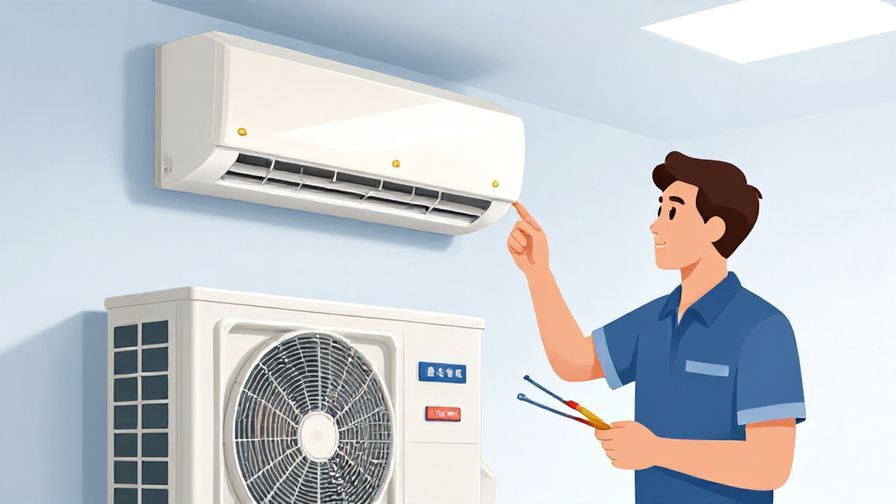
This is a polite and formal way to say the AC is broken.
“故障しています” (koshou shite imasu, koh-shoh shee-teh ee-mahss) means “is out of order” or “broken.”
Great for talking to landlords, repair people, or colleagues.
It sounds respectful and clear.
Make sure to use the polite “います” ending to keep it formal.
This phrase is perfect for professional or official settings.
10. エアコンが作動しません (Eakon ga sadou shimasen) – “The air conditioner is not operating.”
Use this phrase to politely say the AC isn’t working.
“作動しません” (sadou shimasen, sah-doh shee-mah-sen) means “does not operate.”
It sounds technical and polite.
Ideal for business or formal conversations.
Be careful not to confuse this with more casual phrases.
This one shows you’re serious and respectful.
11. エアコンの調子が悪いです (Eakon no choushi ga warui desu) – “The air conditioner isn’t working well.”
This is a polite way to describe the AC’s bad condition.
“調子が悪いです” (choushi ga warui desu, choh-shee gah wah-roo-ee dess) means “the condition is bad.”
It’s a softer and more polite way to complain.
Great for customer service or formal requests.
Adding “です” at the end keeps it polite.
It’s effective and respectful.
12. エアコンが動いていません (Eakon ga ugoite imasen) – “The air conditioner is not running.”
This phrase politely says the AC isn’t moving or functioning.
“動いていません” (ugoite imasen, oo-goh-ee-teh ee-mah-sen) means “is not running.”
It’s suitable for polite conversations or complaints.
Make sure to use the negative polite form “ません.”
This sounds respectful and clear.
It’s a great phrase to use in formal situations.
13. エアコンが故障しております (Eakon ga koshou shite orimasu) – “The air conditioner is broken” (very polite)
This is a very polite and humble way to say the AC is broken.
“故障しております” (koshou shite orimasu, koh-shoh shee-teh oh-ree-mahss) uses keigo, respectful Japanese.
Perfect for official announcements or emails.
It shows extra respect and professionalism.
Use it when addressing superiors or clients.
This phrase elevates your Japanese formality level.
14. エアコンの調子が悪くなっています (Eakon no choushi ga waruku natte imasu) – “The air conditioner’s condition has gotten worse.”
This phrase politely explains a worsening problem.
“悪くなっています” (waruku natte imasu, wah-roo-koo naht-teh ee-mahss) means “has become bad.”
It’s useful for updates or progress reports.
Keep the polite “ます” form for respect.
You can combine this with other polite phrases.
It’s perfect for showing concern in formal settings.
15. エアコンの調子が良くありません (Eakon no choushi ga yoku arimasen) – “The air conditioner is not working well.”
This is a formal and polite way to say the AC isn’t working well.
“良くありません” (yoku arimasen, yoh-koo ah-ree-mah-sen) means “not good” or “not well.”
It’s softer than saying “broken.”
This phrase is respectful and clear.
Use it in customer service or official reports.
It helps you sound professional and polite.
16. エアコンの調子がイマイチです (Eakon no choushi ga imaichi desu) – “The air conditioner isn’t quite right.”
This phrase is polite and a bit casual, meaning “not quite right.”
“イマイチ” (imaichi, ee-mah-ee-chee) is a useful expression meaning “not up to par.”
It’s gentle and less harsh than “broken.”
Great for polite but informal conversations.
It’s often used to soften complaints.
Use it to express nuance politely.
Part 3: Very Casual / Native-like Expressions
17. エアコン、死んだ (Eakon, shinda) – “The air conditioner’s dead.”
This is a super casual, slangy way to say the AC is completely dead.
“死んだ” (shinda, sheen-dah) literally means “died.”
Only use this with close friends or young people.
It’s very informal and expressive.
Great for venting frustration in a funny way.
Use it if you want to sound very native and relaxed.
18. エアコンやばい (Eakon yabai) – “The air conditioner is terrible.”
“やばい” (yabai, yah-bah-ee) is a popular slang word meaning “bad” or “terrible.”
Saying “エアコンやばい” conveys the AC is a big problem.
It’s casual and widely used by young people.
Perfect for expressing urgency or annoyance.
Keep this for informal conversations.
It’s a fun phrase to sound like a local.
19. エアコンがウンともスンとも言わない (Eakon ga untomo sun tomo iwanai) – “The air conditioner doesn’t say a word.”
This is a very native, idiomatic way to say the AC shows no signs of life.
“ウンともスンとも言わない” (untomo sun tomo iwanai, oon-toh-moh soon-toh-moh ee-wah-nai) means “doesn’t say anything.”
It’s used to express complete silence or no response.
Very casual and expressive.
Great for storytelling or venting frustrations.
It’s a cool phrase to impress native speakers.
20. エアコンがピンチ (Eakon ga pinchi) – “The air conditioner is in trouble.”
“ピンチ” (pinchi, pin-chee) means “in a pinch” or “in trouble.”
Use this to say the AC is having serious issues.
It’s casual and commonly used in conversation.
Good for emphasizing urgency in a fun way.
Often used among friends or coworkers.
It’s a lively phrase to show concern.
21. エアコンがご機嫌斜め (Eakon ga gokigen naname) – “The air conditioner is cranky.”
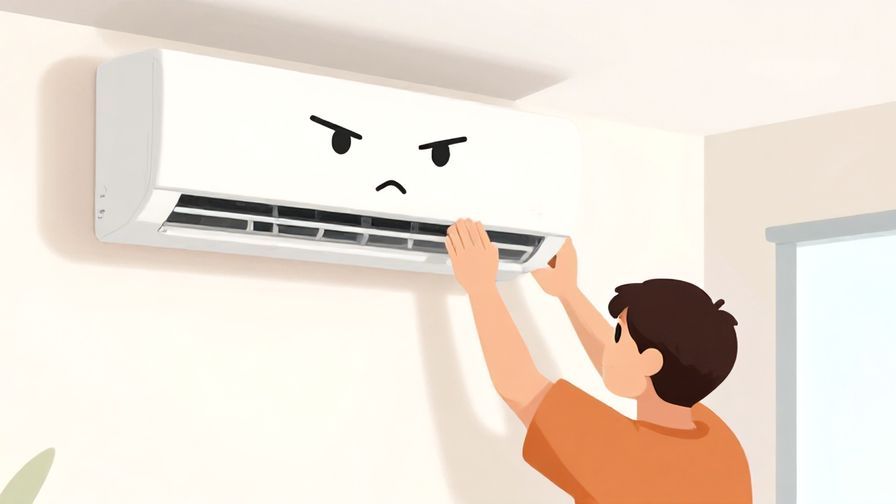
This is a cute, playful way to say the AC isn’t working right.
“ご機嫌斜め” (gokigen naname, goh-kee-gen nah-nah-meh) means “in a bad mood” or “cranky.”
It’s a common idiom for machines acting up.
Use it with friends or family for humor.
This phrase personifies the AC.
It adds charm and lightheartedness to your complaint.
22. エアコンがぶっ壊れた (Eakon ga bukkowareta) – “The air conditioner is totally broken.”
“ぶっ壊れた” (bukkowareta, book-koh-wah-reh-tah) is a slangy, very strong way to say broken.
It means “totally smashed” or “completely broken.”
Use it when you want to emphasize the serious damage.
Very casual and dramatic.
Perfect for venting frustration among close friends.
It’s an expressive way to show your feelings.
23. エアコンが全然ダメ (Eakon ga zenzen dame) – “The air conditioner is totally no good.”
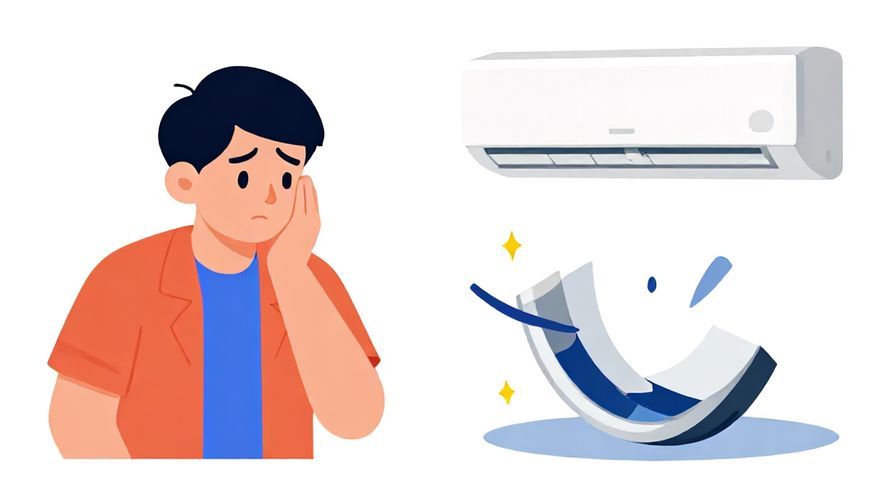
“全然ダメ” (zenzen dame, zen-zen dah-meh) means “completely no good.”
This phrase is casual and clear.
Great for expressing total failure of the AC.
It’s often used in everyday speech.
Use it to sound natural and straightforward.
It’s a simple way to say something’s seriously wrong.
24. エアコンがアウト (Eakon ga auto) – “The air conditioner is out.”
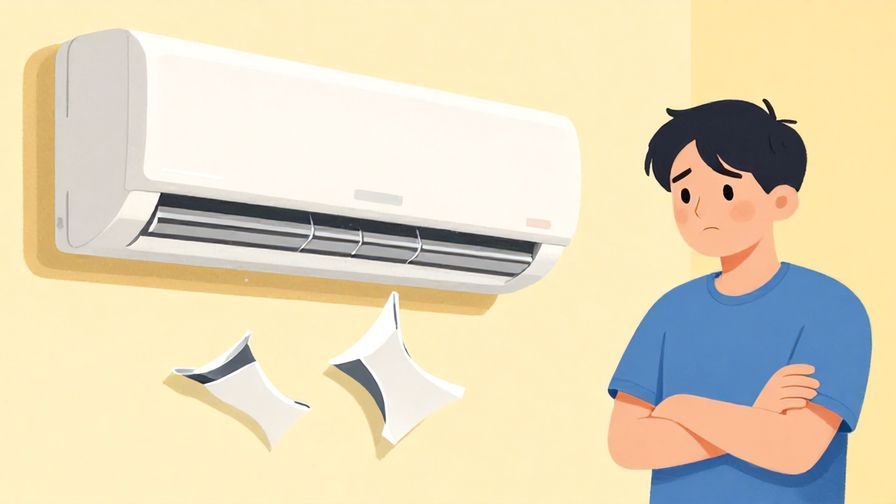
“アウト” (auto, ow-toh) is a borrowed English word meaning “out” or “not working.”
It’s very casual and trendy.
Perfect for quick, informal speech.
Use it with friends or young people.
It adds a cool, modern vibe to your complaint.
Try it out to sound hip and contemporary.
Concluding Thought
Wow, that was a lot of ways to say “The air conditioner isn’t working” in Japanese!
From casual chats to formal reports and fun slang, now you have the perfect phrase for any situation.
Keep practicing these expressions, and soon you’ll be able to handle any AC emergency with confidence and a natural flair. Stay cool!