24 Japanese ways to say “I’d Like to Check Out”
Want to say “I’d like to check out” in Japanese but not sure how? You’re in the right place!
Learning multiple ways to express this simple phrase can make your Japanese sound more natural and versatile. Plus, it’s fun to explore different shades of meaning.
Whether you’re browsing a store, visiting a hotel, or checking out a new place, these phrases will come in handy.
We’ll go through casual, polite, and native-like expressions that you can use in everyday conversation or in more formal situations.
Exploring these expressions deepens your understanding and helps you connect better with Japanese speakers.
Ready to expand your phrasebook? Let’s dive into 24 Japanese ways to say “I’d like to check out” with easy pronunciation guides and explanations!
Common Phrases to Start With
Here are some straightforward ways to say you want to check something out in Japanese.
These phrases are perfect for everyday use and easy to remember. They’ll help you sound polite but casual enough for most situations.
Keep these handy as your go-to expressions when you want to check out a product, place, or service.

If you want a quick refresher, a great beginner phrasebook can be a helpful tool to keep these phrases fresh in your memory.
Practice these often, and you’ll gain confidence fast.
Ready? Here come the first eight casual suggestions!
Part 1: Casual Suggestions
1. チェックしたいです (Chekku shitai desu) – “I want to check (it) out.”

This is a direct and polite way to say you want to check something out.
“チェック” (Chekku) means “check,” “したい” (shitai) means “want to do,” and “です” (desu) adds politeness.
It’s simple and clear, great for beginners and everyday conversations.
Use it in shops or when you want to check details carefully.
It’s related to the verb “する” (suru) meaning “to do,” which is very versatile in Japanese.
Keep this phrase ready for any situation where you want to express interest politely.
2. 見てみたいです (Mite mitai desu) – “I’d like to have a look.”

“見る” (miru) means “to see,” and “みたい” (mitai) means “would like to try.”
This phrase conveys a gentle desire to look or check something out. It’s polite and friendly.
Great for when you want to browse without pressure.
“見てみたいです” implies you want to give it a quick look before deciding.
It’s a softer way to express interest compared to “チェックしたいです.”
Perfect for window shopping or casual inquiries.
3. 試してみたいです (Tameshite mitai desu) – “I’d like to try (it) out.”

“試す” (tamesu) means “to try,” and combined with “みたい” (mitai), it expresses wanting to try something.
This phrase is perfect if you want to check out an item by testing or trying it yourself.
Using “みたい” keeps it polite and approachable.
Great for clothes, gadgets, or food samples.
It’s more active than just looking: you want to experience it firsthand.
Try this when you want to engage more deeply with what you’re checking out.
4. 見学したいです (Kengaku shitai desu) – “I want to tour/inspect.”
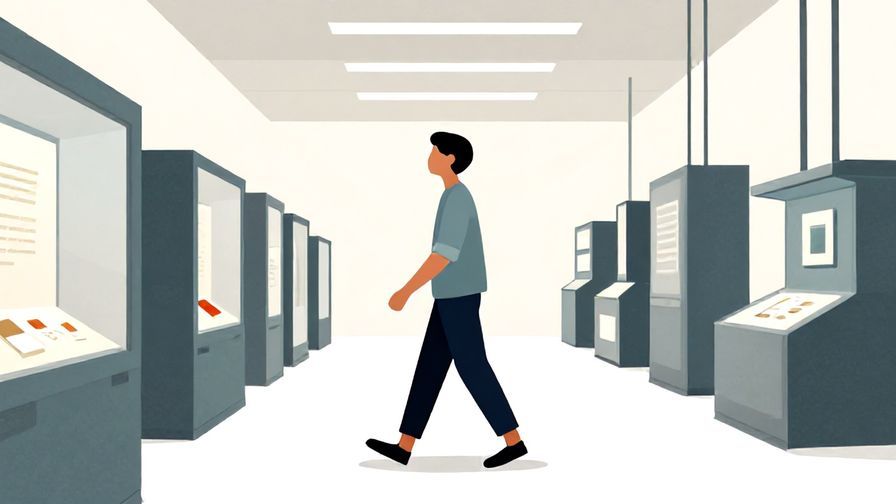
“見学” (kengaku) means “inspection” or “tour,” and “したい” (shitai) means “want to do.”
Use this when you want to check out a place formally, like a school, factory, or exhibition.
It’s polite and appropriate for guided visits or official inspections.
This phrase shows you’re serious about checking something out carefully.
It’s usually used in more structured environments.
Great for educational or professional contexts.
5. チェックアウトしたいです (Chekkuauto shitai desu) – “I want to check out (a store or hotel).”
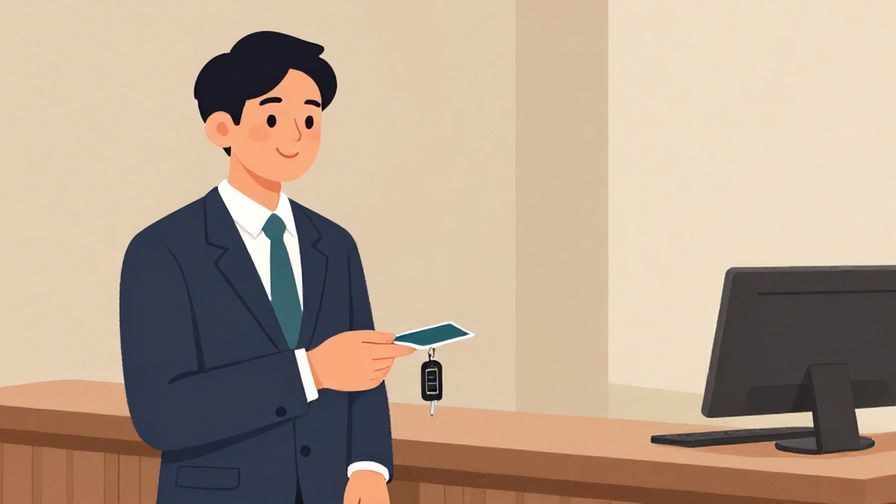
This phrase uses the English loanword “チェックアウト” (check out) with “したいです” (want to do).
It’s very common in hotels or online shopping contexts.
Perfect for telling staff you want to check out or finish your stay.
It’s polite, easy to remember, and widely understood.
Just remember to use the polite ending “です” to sound respectful.
Use this at hotels or when finishing an online purchase.
6. 見たいんですが (Mitain desu ga) – “I’d like to see (it), but…”

This phrase softens your intent by adding “んですが” (n desu ga), which is a polite way to introduce a request.
Use it when you want to check something but want to sound extra polite or hesitant.
“見たい” (mitai) means “want to see,” making it casual but respectful.
Great for approaching staff or someone you don’t know well.
It’s a gentle way to start a conversation about checking something out.
Practice using “んですが” to sound more natural and considerate.
7. チェックしてもいいですか? (Chekku shite mo ii desu ka?) – “May I check (it) out?”

This is a polite way to ask if it’s okay to check something out.
“チェックして” (chekku shite) is the “te” form of “check,” and “もいいですか” (mo ii desu ka) means “may I?”
It’s perfect for polite requests in stores or libraries.
Asking first shows respect and good manners.
You’ll sound natural and thoughtful with this phrase.
Use it whenever you’re unsure if you’re allowed to check something.
8. ちょっと見たいです (Chotto mitai desu) – “I’d like to take a quick look.”

“ちょっと” (chotto) means “a little” or “a bit,” adding a casual nuance.
“見たいです” (mitai desu) means “I want to see.”
This phrase is perfect for casual, quick checks.
It’s polite but friendly and not too formal.
Use it when you want to look without taking too much time or attention.
Great for browsing or window shopping.
Part 2: Polite & Formal Suggestions
9. 拝見させていただきたいです (Haiken sasete itadakitai desu) – “I humbly wish to see.”

This is a very formal and respectful way to say you want to check or see something.
“拝見” (haiken) is a humble form of “to see,” and “させていただきたい” (sasete itadakitai) means “I would like to be allowed to do.”
Use this in business or formal situations, like meetings or official visits.
It shows great respect to the other party.
Perfect for emails, presentations, or formal requests.
It’s a great phrase to sound professional and polite.
10. 確認させていただけますか? (Kakunin sasete itadakemasu ka?) – “May I confirm/check?”

“確認” (kakunin) means “confirmation” or “checking.”
Adding “させていただけますか” (sasete itadakemasu ka) makes it a very polite request.
Use this when double-checking details with someone of higher status.
It’s a respectful phrase often used in business emails or meetings.
It avoids sounding demanding or casual.
Practice this to enhance your formal Japanese skills.
11. 拝見したく存じます (Haiken shitaku zonjimasu) – “I would like to humbly see.”

This is another very formal phrase using humble language.
“存じます” (zonjimasu) is a humble verb meaning “to think” or “to know.”
Combine it with “拝見したく” (haiken shitaku) to express a polite wish to see something.
Great for writing formal letters or emails.
It’s less common in daily speech but valuable in official contexts.
Try it when you want to impress with respectful language.
12. 詳細を確認させていただきたいです (Shousai o kakunin sasete itadakitai desu) – “I would like to confirm the details.”

This phrase is useful when you want to check details carefully and politely.
“詳細” (shousai) means “details,” and the rest is a polite request to be allowed to confirm.
Perfect for professional or official situations.
It shows thoroughness and respect.
Use it when reviewing contracts, project info, or plans.
It highlights your attention to detail and politeness.
13. 拝見いたしたく存じます (Haiken itashitaku zonjimasu) – “I would very humbly like to see.”

Similar to number 11 but uses “いたす,” a humble form of “to do.”
This phrase is very formal and humble.
Use it to express a deep respect while requesting to check something.
It’s ideal for very formal letters or speeches.
Not common in casual conversation but shows excellent mastery of keigo.
Perfect for impressing superiors or clients.
14. ご確認いただけますでしょうか (Gokakunin itadakemasu deshou ka) – “Could you please check?”

This phrase politely asks someone else to check something.
“ご確認” (gokakunin) is an honorific form of “confirmation.”
It’s useful when you want the other person to check or review something.
Use it in emails or meetings when you need verification.
It’s polite and respectful, perfect for business settings.
Great for smooth, professional communication.
15. お確かめになりたいですか? (O-tashikame ni naritai desu ka?) – “Would you like to check?”

Use this phrase to politely offer someone the chance to check something.
“お確かめ” (o-tashikame) is the polite noun form for “checking.”
“なりたい” (naritai) is a polite form meaning “would like to become/do.”
It’s a courteous way to ask if someone wants to check out a service or item.
Ideal for customer service or hospitality contexts.
Shows your attentiveness and care.
16. ご覧になりたいですか? (Goran ni naritai desu ka?) – “Would you like to have a look?”

“ご覧になる” (goran ni naru) is a respectful way to say “to see” or “to look.”
Adding “たいですか” makes it a polite question.
Perfect for polite offers or invitations to check out products.
Common in customer service or formal invitations.
It’s a nice way to sound courteous without being too stiff.
Practice this to sound polished and respectful.
Part 3: Very Casual / Native-like Expressions
17. 見てみるね (Mite miru ne) – “I’ll take a look.”

This is very casual and natural for friends or close colleagues.
“見る” (miru) means “to see,” and “みる” (miru) here means “to try.”
Adding “ね” (ne) makes it sound friendly and confirmatory.
Use this when you’re casually agreeing to check something out.
It’s warm and approachable, great for informal chats.
Try this with friends to sound like a native speaker.
18. チェックしとくよ (Chekku shitoku yo) – “I’ll check it out (for you).”
“しとく” (shitoku) is a casual contraction of “しておく,” meaning “do something in advance.”
This phrase sounds very relaxed and helpful.
Great for friends or coworkers when you want to say you’ll take care of checking something.
The “よ” (yo) adds emphasis or friendliness.
It’s very natural and used often in spoken Japanese.
Perfect for sounding approachable and willing.
19. ちょっと見てみるわ (Chotto mite miru wa) – “I’ll take a quick look.”

“ちょっと” (chotto) means “a little,” and “見てみる” (mite miru) means “try to look.”
“わ” (wa) is a feminine sentence-ending particle adding softness.
This phrase is casual and often used by women in conversation.
It conveys a light and friendly interest.
Great for informal situations or chatting with friends.
Use it to sound casual yet interested.
20. 見てみようかな (Mite miyou kana) – “Maybe I’ll check it out.”
“見てみよう” (mite miyou) is the volitional form meaning “let’s try to look.”
Adding “かな” (kana) expresses wondering or hesitation.
Use this to sound thoughtful or undecided about checking something out.
It’s casual and natural for spoken Japanese.
Perfect for expressing curiosity with a hint of uncertainty.
Try this when you want to sound reflective or casual.
21. チェックしてみたいな (Chekku shite mitai na) – “I kinda wanna check it out.”

“してみたい” (shite mitai) means “want to try doing.”
“な” (na) adds a casual, slightly feminine nuance.
This phrase shows a casual, friendly interest.
Use it among friends or casual settings.
It’s softer and less direct than formal phrases.
Great for expressing light curiosity.
22. 見ちゃおうかな (Michaou kana) – “Maybe I’ll just check it out.”

“見ちゃおう” (michaou) is a casual contraction of “見てしまおう,” meaning “let’s just see.”
“かな” (kana) softens it with a wondering tone.
This phrase sounds very casual and spontaneous.
Use it when you’re casually deciding to check something out.
It’s playful and natural in everyday speech.
Perfect for relaxed conversations with friends.
23. チェックしてみるわ (Chekku shite miru wa) – “I’ll check it out (feminine casual).”

This is a casual, feminine way to say “I’ll check it out.”
“してみる” (shite miru) means “try doing,” and “わ” (wa) adds softness.
It’s friendly and warm, usually used by women.
Great for casual chats with friends or family.
It makes your speech sound natural and approachable.
Try this to add personality to your Japanese.
24. ちょっと確認するね (Chotto kakunin suru ne) – “I’ll just check a bit.”
“ちょっと” (chotto) means “a little,” “確認する” (kakunin suru) means “to confirm/check.”
Adding “ね” (ne) makes it sound friendly and casual.
Perfect for everyday use when you want to quickly check something.
It’s informal but polite enough for most social situations.
Use it to sound natural and easy-going.
This phrase is great for quick, casual checking.
Concluding Thought
Exploring these 24 phrases gives you a rich toolkit for saying “I’d like to check out” in Japanese.
From polite business expressions to casual native-like phrases, you now have ways to fit any situation.
Keep practicing and mixing these expressions to sound natural and confident in your Japanese conversations!