24 Japanese ways to say “I’d Like to Check In”
Checking in somewhere new can feel a little nerve-wracking, especially when you want to sound polite and natural in Japanese.
Lucky for you, there are many ways to say “I’d like to check in” in Japanese, each fitting different settings and levels of formality.
Whether you’re at a cozy ryokan, a bustling hotel, or just want to sound friendly and warm, we’ve got you covered.
Mastering these phrases will not only help you smoothly navigate your stay but also impress locals with your language skills.
Plus, learning a variety of expressions keeps your Japanese fresh and adaptable to any situation.
Let’s dive into 24 great ways to say “I’d like to check in” in Japanese, from casual to formal and everything in between!
Common Foundations Before We Start
Before we jump in, it’s helpful to know the core word for “check-in” in Japanese: チェックイン (chekku in), pronounced “check-koo in.”
This is a loanword from English and widely understood in hospitality contexts.
Alternatively, the verb 泊まる (tomaru) means “to stay overnight,” which often appears when discussing hotel stays.
Sometimes, using a great beginner phrasebook can give you a perfect starting point for a cohesive understanding.
These basics will help you feel confident as you explore more specific phrases below.
Ready? Let’s get started!
Part 1: Casual Suggestions
1. チェックインしたいです (Chekku in shitai desu) – “I’d like to check in.”
This is a straightforward, polite way to say “I’d like to check in.”
“チェックイン” (chekku in) means “check-in,” “したい” (shitai) means “want to do,” and “です” (desu) adds politeness.
It’s easy to remember because it directly expresses your intention politely.
Using this phrase will make your request clear and respectful.
It’s great for most casual hotel or guesthouse situations.
Feel free to pair it with a smile—it goes a long way!
2. チェックインお願いします (Chekku in onegaishimasu) – “Check-in, please.”
This phrase means “Check-in, please” and is both polite and direct.
“お願いします” (onegaishimasu) is a polite way to say “please,” making it a great phrase for friendly yet respectful communication.
It’s commonly used and easy to remember.
Just be sure to say it gently to avoid sounding too abrupt.
For example, you can say this when you approach the front desk.
It’s a perfect balance between casual and polite.
3. チェックインさせてください (Chekku in sasete kudasai) – “Please let me check in.”
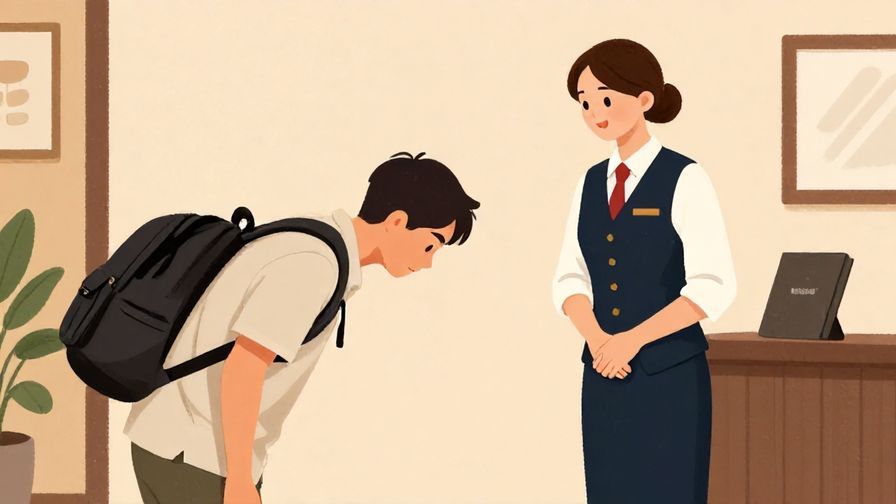
This phrase is polite and humble, literally saying “Please let me check in.”
“させてください” (sasete kudasai) means “please allow me to do,” showing respect for the other person’s permission.
This is great when you want to be extra courteous.
It’s a little more formal than the first two but still easy to use.
Try it if you want to sound thoughtful and considerate at check-in.
It’s especially good for ryokans or traditional inns.
4. チェックインしたいんですが (Chekku in shitain desu ga) – “I’d like to check in (but…).”
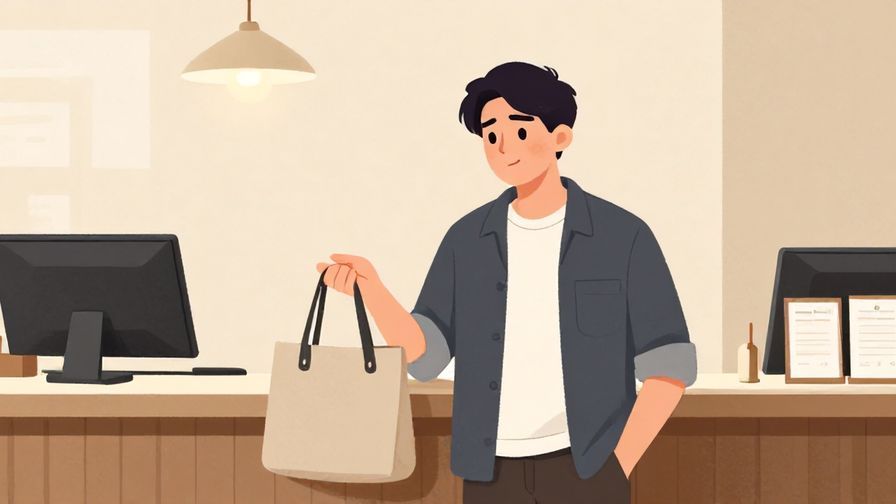
This phrase means “I’d like to check in, but…” and is a polite way to start a request.
“んですが” (n desu ga) softens the sentence and invites conversation.
It’s useful if you have questions or special requests when checking in.
Using this shows you’re polite and open to dialogue.
It’s common in situations where you might need extra help.
Try it when you want to make a polite inquiry at check-in.
5. チェックインしてもいいですか? (Chekku in shite mo ii desu ka?) – “Is it okay if I check in?”

This is a polite way to ask “May I check in?”
“してもいいですか?” (shite mo ii desu ka) means “is it okay to do…?”
It’s great if you want to confirm the timing or availability before checking in.
This phrase shows respect and consideration.
Perfect for when you’re early or unsure about check-in hours.
It’s a helpful phrase to add to your travel toolkit.
6. チェックイン時間は何時からですか? (Chekku in jikan wa nanji kara desu ka?) – “From what time is check-in?”
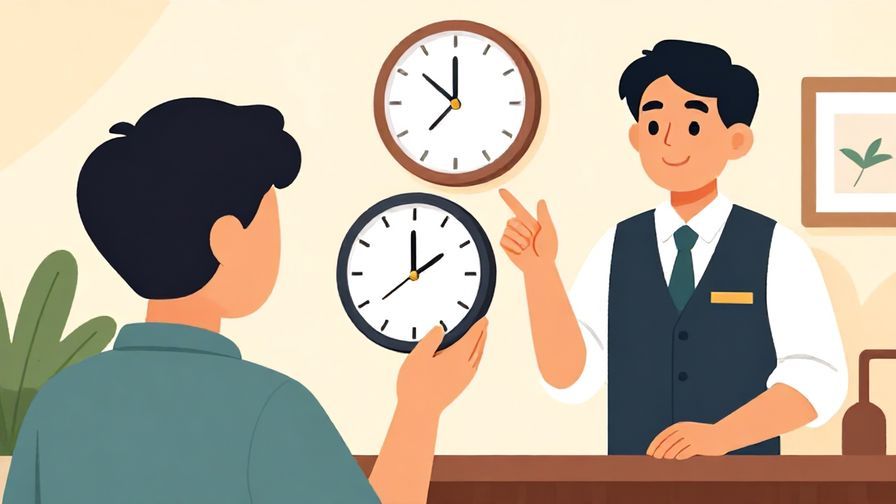
This phrase means “What time does check-in start?” and is perfect for inquiries.
It helps you plan your arrival and avoid waiting.
Knowing this can save you from awkward moments.
Use it if you want to be sure about opening hours.
It’s polite and shows you’re prepared.
Great for new or unfamiliar accommodations.
7. 予約している〇〇です (Yoyaku shite iru 〇〇 desu) – “I am 〇〇 with a reservation.”

This means “I am 〇〇 who has a reservation,” where you say your name in place of 〇〇.
It’s a polite, clear way to introduce yourself at check-in.
It helps the staff find your booking quickly.
Use it right after saying you want to check in.
It sounds natural and professional without being stiff.
Try it to make your check-in smooth and easy.
8. 予約していますが、チェックインをお願いします (Yoyaku shite imasu ga, chekku in o onegaishimasu) – “I have a reservation, and I’d like to check in, please.”

This phrase combines your reservation status with a polite check-in request.
“予約していますが” (yoyaku shite imasu ga) means “I have a reservation, but…” and “お願いします” (onegaishimasu) means “please.”
It’s a great phrase for formal or casual settings.
It shows you’re organized and polite.
You can use this phrase to avoid confusion.
Perfect for first-time check-ins or busy hotels.
Part 2: Polite & Formal Suggestions
9. チェックインをさせていただきたいのですが (Chekku in o sasete itadakitai no desu ga) – “I would like to humbly check in.”
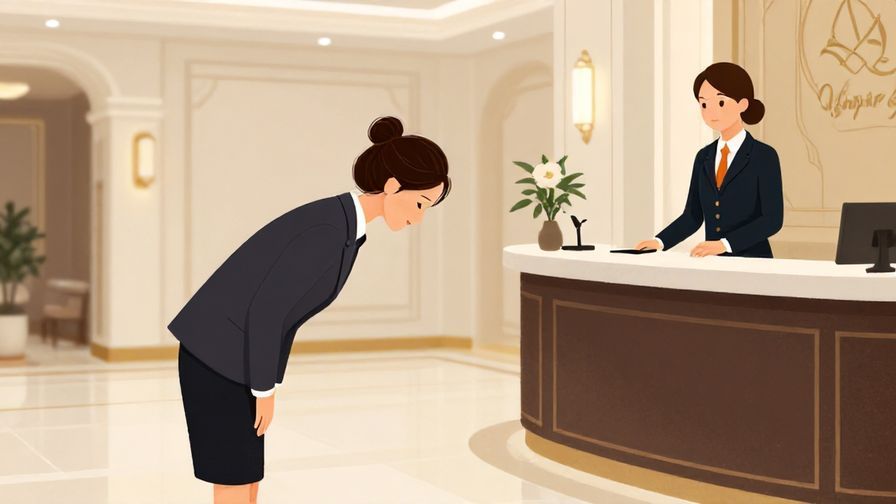
This is a very polite and humble way to say “I’d like to check in.”
“させていただきたい” (sasete itadakitai) adds humility and respect.
It’s perfect for business trips or high-end hotels.
Using this phrase shows you honor the staff and formalities.
It’s a bit long but very effective in formal contexts.
Try it to impress with your etiquette!
10. 本日、チェックインの予約をしております (Honjitsu, chekku in no yoyaku o shite orimasu) – “I have a check-in reservation for today.”

This phrase announces your reservation politely and clearly.
“本日” (honjitsu) means “today,” and “しております” (shite orimasu) is a humble form of “doing.”
It’s ideal for formal situations or when making a clear statement.
Using this shows professionalism and clarity.
It’s often used in business or official stays.
Good for first-time visitors who want to sound respectful.
11. チェックインの手続きをお願いしたいのですが (Chekku in no tetsuzuki o onegai shitai no desu ga) – “I’d like to request the check-in procedure.”
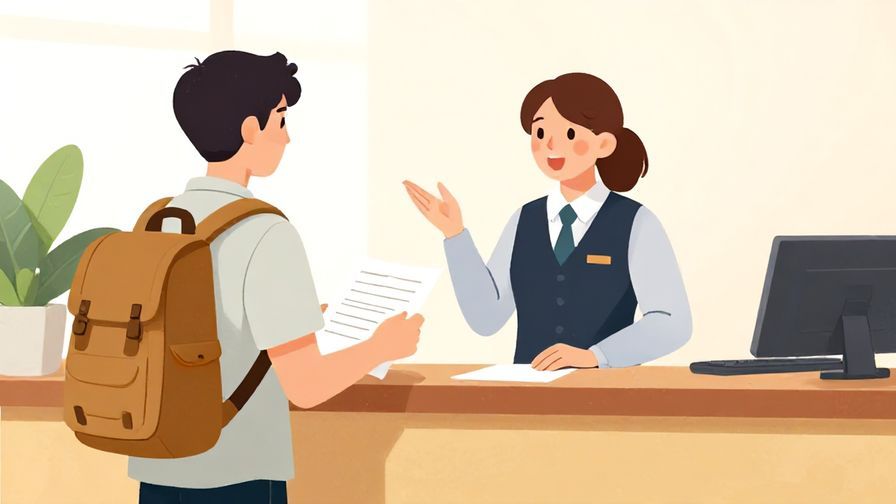
This phrase politely requests the check-in process.
“手続き” (tetsuzuki) means “procedure,” so it sounds formal and precise.
Great for situations where you want to be clear and respectful.
It’s common in business hotels or official accommodations.
Use it when you want to sound professional.
It’s a phrase that shows you are aware of formalities.
12. チェックインの時間を確認したいのですが (Chekku in no jikan o kakunin shitai no desu ga) – “I’d like to confirm the check-in time.”
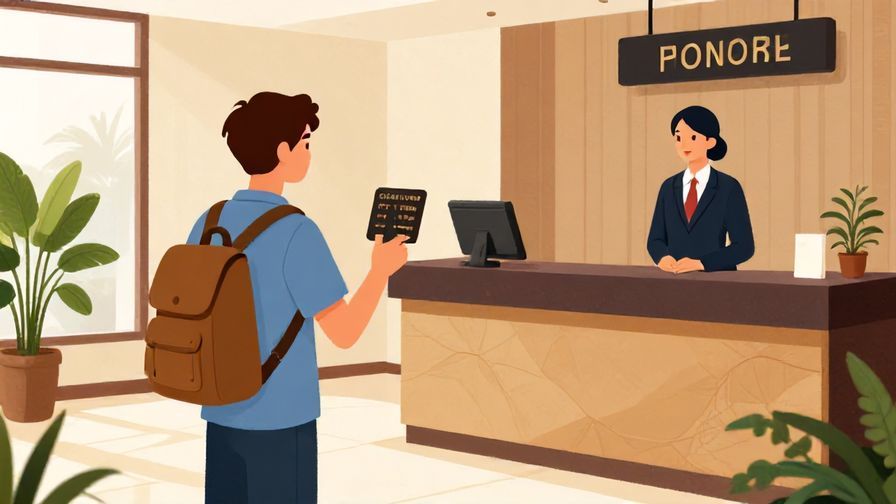
This phrase is a polite way to confirm check-in hours.
“確認したい” (kakunin shitai) means “want to confirm.”
It’s useful for avoiding misunderstandings.
Shows you’re courteous and careful.
Great for international travelers or meticulous planners.
It’s always good to double-check in formal settings.
13. 予約名は〇〇です。チェックインをお願いいたします (Yoyaku mei wa 〇〇 desu. Chekku in o onegai itashimasu) – “The reservation name is 〇〇. I humbly request to check in.”
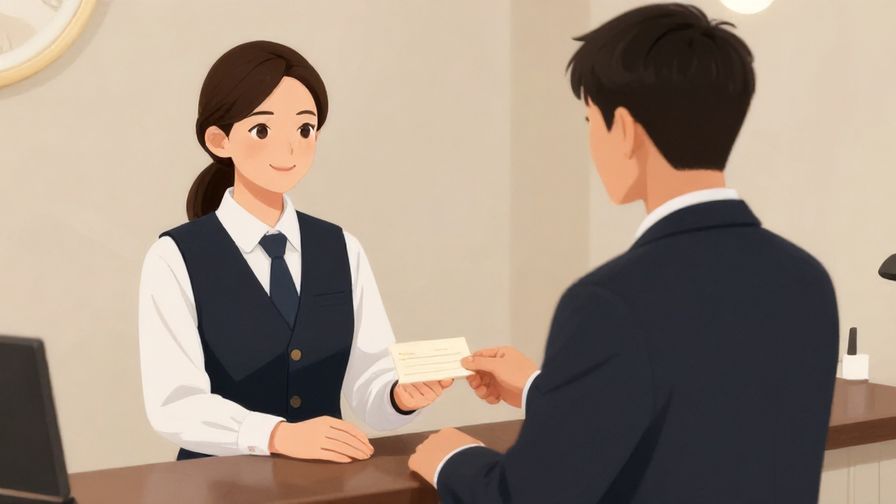
This phrase states your reservation name and politely requests check-in.
“お願いいたします” (onegai itashimasu) is a very respectful “please.”
Ideal for business or formal stays.
It’s a polished, professional way to communicate.
Use your full name for clarity.
This phrase will make a great impression on staff.
14. 本日より宿泊させていただきます (Honjitsu yori shukuhaku sasete itadakimasu) – “I will be staying from today (humbly).”
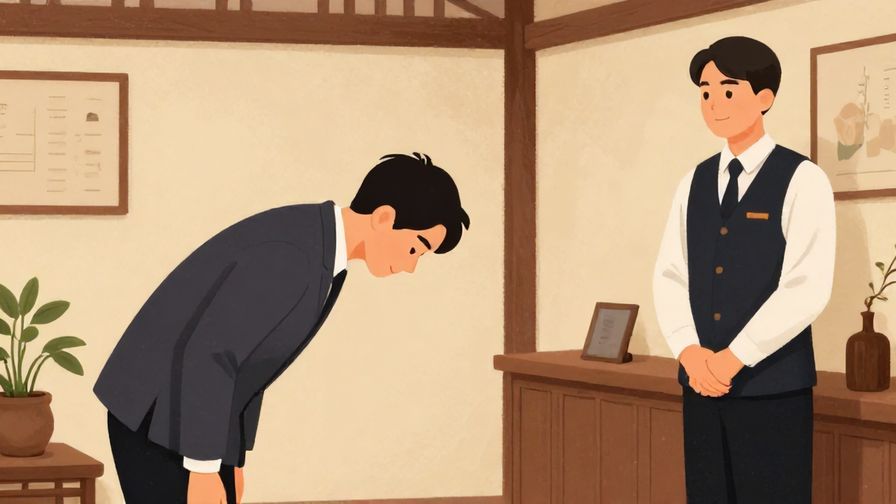
This phrase politely announces your stay starting today.
“宿泊させていただきます” (shukuhaku sasete itadakimasu) is a humble way to say “I will stay.”
It’s ideal for formal or traditional inns.
Shows respect for the hospitality you’re about to receive.
Perfect for ryokans or places with deep customs.
This phrase reflects gratitude and politeness.
15. チェックインを完了したいと思います (Chekku in o kanryou shitai to omoimasu) – “I would like to complete the check-in.”

This phrase is a polite way to express your desire to finish the check-in process.
“完了したい” (kanryou shitai) means “want to complete.”
Useful when you’re ready to finalize check-in details.
It sounds professional and clear.
Great for business hotels or formal stays.
It shows you are organized and ready.
16. チェックインの手続きを進めていただけますか? (Chekku in no tetsuzuki o susumete itadakemasu ka?) – “Could you please proceed with the check-in process?”
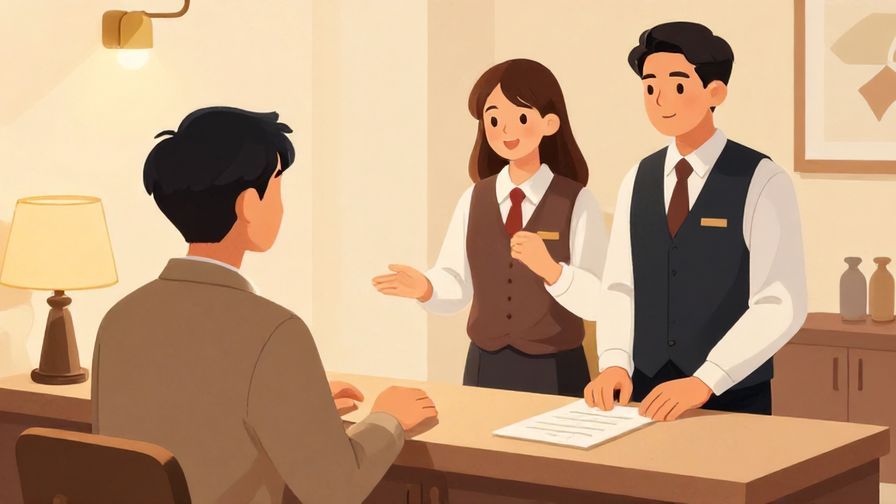
This is a polite, formal request for the staff to begin check-in.
“進めていただけますか?” (susumete itadakemasu ka) means “could you please proceed?”
It shows respect and patience.
Use it if you want to sound courteous and professional.
Perfect in upscale hotels or business settings.
This phrase helps maintain smooth communication.
Part 3: Very Casual / Native-like Expressions
17. チェックインさせて (Chekku in sasete) – “Let me check in.” (casual)
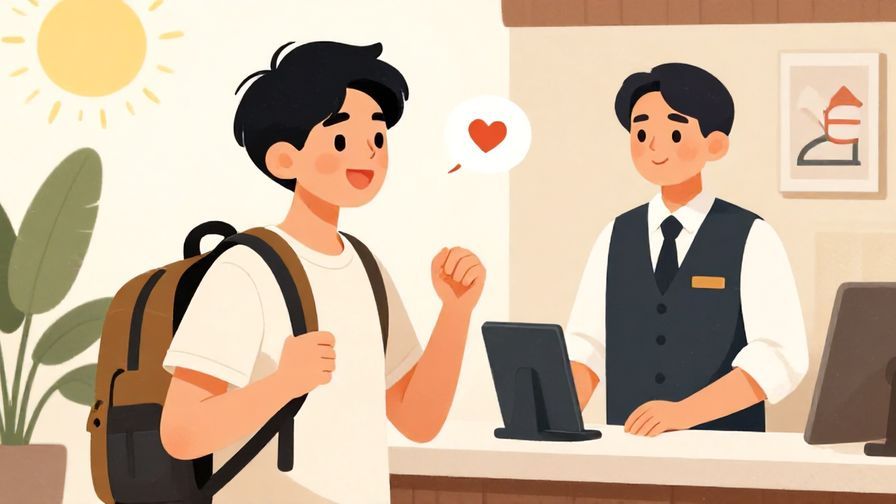
This is a casual, friendly way to say “Let me check in.”
Dropping “ください” (kudasai) makes it sound more relaxed.
Great among friends or informal guesthouses.
Avoid using this in very formal situations.
It sounds natural and straightforward.
Good for travelers who want to sound approachable.
18. チェックインいい? (Chekku in ii?) – “Is it okay to check in?” (very casual)
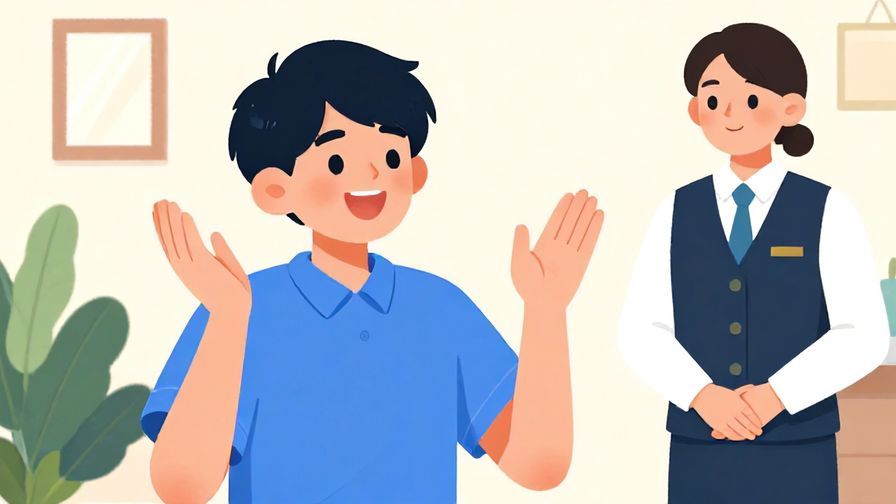
This is a very casual way to ask “Can I check in?”
“いい?” (ii?) means “okay?” in a short form.
Only use with friends or informal places.
It’s quick, easy, and sounds native-like.
Avoid it in polite settings.
Great for casual hostels or youth guesthouses.
19. チェックインするよ (Chekku in suru yo) – “I’m checking in.” (casual)
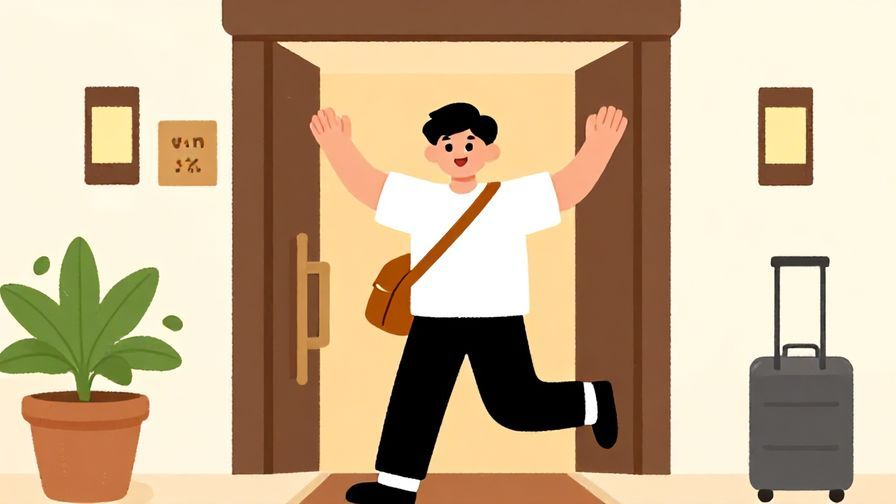
This phrase casually announces “I’m checking in.”
“するよ” (suru yo) adds a friendly, confident tone.
Use it with friends or informal staff.
It’s straightforward and sounds natural.
Not suitable for formal situations.
Great for casual check-ins among peers.
20. 今からチェックインするね (Ima kara chekku in suru ne) – “I’m going to check in now.”

This phrase means “I’m about to check in now.”
“ね” (ne) adds a soft, friendly confirmation.
It’s casual and warm.
Perfect for informal interactions.
Use it when texting or chatting with hostel staff.
It sounds approachable and natural.
21. チェックインしに来たよ (Chekku in shi ni kita yo) – “I came to check in.”

This phrase casually tells someone “I came to check in.”
“しに来た” (shi ni kita) means “came to do.”
Use with friends or casual staff.
It’s friendly and informal.
Not for formal or business situations.
Good for relaxed environments like guesthouses.
22. チェックインしとくね (Chekku in shitoku ne) – “I’ll check in (in advance).”

This phrase means “I’ll check in (ahead of time).”
“しとく” (shitoku) is a casual contraction of “しておく” (shite oku), meaning “do in advance.”
Great for informal chats or texting.
Shows you’re proactive and casual.
Not suitable for formal speech.
Useful for online or early check-ins.
23. チェックインお願いね (Chekku in onegai ne) – “Please check me in, okay?” (casual)
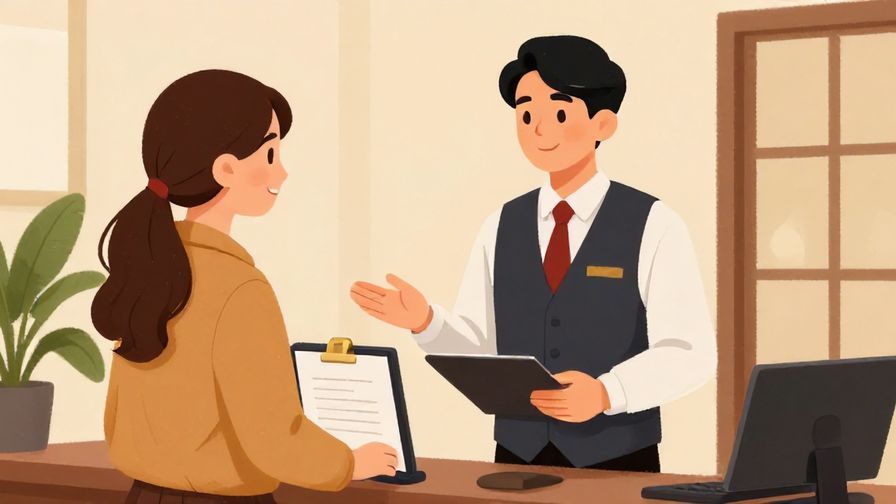
A casual yet polite way to say “Please check me in.”
“ね” (ne) softens the request, making it friendly.
Use with familiar or casual staff.
It’s warm and approachable.
Not for very formal contexts.
Great for smaller inns or hostels.
24. チェックインしていい? (Chekku in shite ii?) – “Can I check in?” (casual)
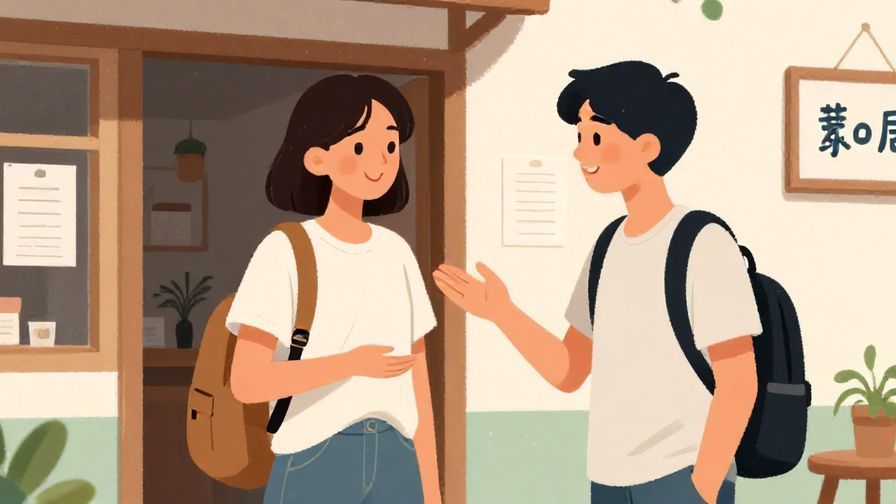
This is a casual way to ask permission to check in.
“していい?” (shite ii?) means “Is it okay to do?”
Perfect for informal or friendly settings.
Use it to sound polite but relaxed.
Not suitable for formal or business stays.
It’s easy to remember and very natural.
Concluding Thought
Exploring these 24 ways to say “I’d like to check in” gives you a versatile toolkit for any situation in Japan.
Whether you want to be casual, polite, or native-like, there’s a phrase that fits your vibe perfectly.
Next time you check in, try out a few and enjoy making your stay smoother and more enjoyable!