24 Japanese ways to say “Turn Right”
Learning how to say “Turn right” in Japanese might seem simple at first, but there are so many ways to express it depending on context, politeness, and style.
Whether you’re navigating the streets of Tokyo or chatting with friends, having a variety of phrases up your sleeve makes communication smoother and more fun.
Japanese language is rich with nuance, and “turning right” can be phrased casually, formally, or even with some slang.
In this list, we’ll explore 24 practical, natural, and easy-to-remember ways to say “Turn right” in Japanese, complete with pronunciation guides and simple explanations.
Each phrase comes with a little tip or trick to help you remember it better, so you can start using them right away.
Let’s take the first step and turn right into this language adventure!
Basic Directions and Common Phrases
Starting with the essentials is always best when learning a new language.
These phrases are what you’ll most likely hear or need when asking for directions or giving simple commands.
They form the foundation of your Japanese directional vocabulary.

Having a handy travel phrasebook can boost your confidence in real-life situations.
Don’t forget—practice makes perfect, even with directions!
Try repeating these aloud as you imagine walking around a city.
Part 1: Casual Suggestions
1. 右に曲がって (Migi ni magatte) – “Turn right.”

This is the most straightforward way to say “Turn right.”
“右” (Migi) means “right,” “に” (ni) is a particle indicating direction, and “曲がって” (magatte) is the te-form of the verb “曲がる” (magaru), meaning “to turn.”
It’s casual but polite enough for everyday use.
Say it clearly when giving directions to friends or taxi drivers.
You might also hear “右へ曲がって” (migi e magatte) which means the same.
Keep this phrase handy—it’s your go-to for turning right!
2. 右へ (Migi e) – “To the right.”

Short and sweet, “右へ” simply means “to the right.”
“へ” (e) indicates direction, so this phrase is perfect for quick, casual instructions.
Great for use when pointing in a direction or giving brief guidance.
Avoid overusing it in formal situations, as it’s a bit too casual.
Example: “次、右へ!” (Tsugi, migi e!) meaning “Next, to the right!”
It’s an easy phrase to remember and very natural sounding.
3. 右に行って (Migi ni itte) – “Go to the right.”

This phrase combines “右” (right), “に” (direction), and “行って” (itte), the te-form of “行く” (iku), meaning “to go.”
It’s casual and perfect for telling someone to “go right.”
Use it when guiding friends or family on foot.
Strong for verbal commands but not overly forceful.
Related phrase: “左に行って” (hidari ni itte) means “go left.”
Practice it by imagining giving directions during a walk.
4. 右折して (Usetsu shite) – “Make a right turn.”

“右折” (Usetsu) is a formal word meaning “right turn,” commonly used in driving contexts.
Adding “して” (shite), the te-form of “する” (to do), makes it a polite instruction: “Please make a right turn.”
Great for drivers or giving precise directions.
It sounds more official than “右に曲がって.”
Tip: Combine with “次の信号で” (tsugi no shingo de) meaning “at the next traffic light” for full instructions.
Useful if you want to sound more like a local giving driving directions.
5. 右側に曲がって (Migigawa ni magatte) – “Turn to the right side.”
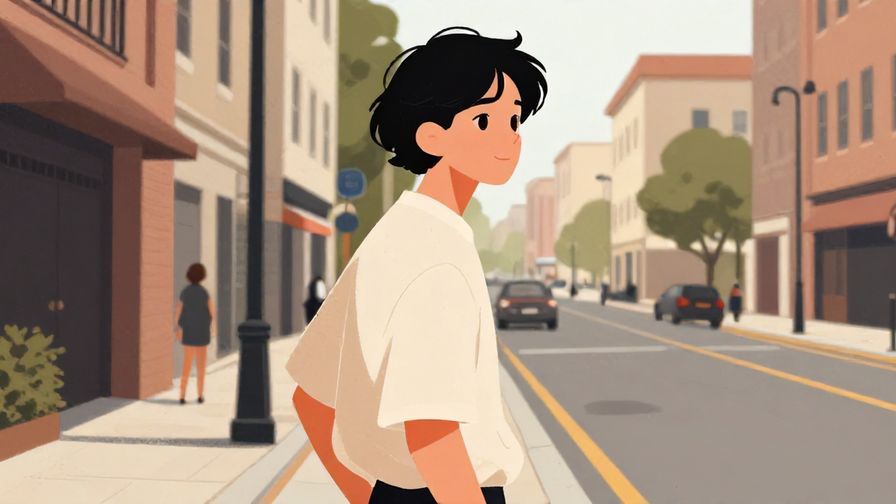
This phrase emphasizes the “right side” with “右側” (migigawa), meaning “right side.”
“に曲がって” (ni magatte) means “turn to.”
It’s a bit more descriptive than simply “right,” useful when you want to be specific.
Great for when there are multiple paths, and you want to be clear.
It’s casual enough to use with friends but also clear enough for semi-formal settings.
Try imagining you’re explaining directions in a busy area to practice this phrase.
6. 右に行きなさい (Migi ni ikinasai) – “Go right!” (a bit forceful)
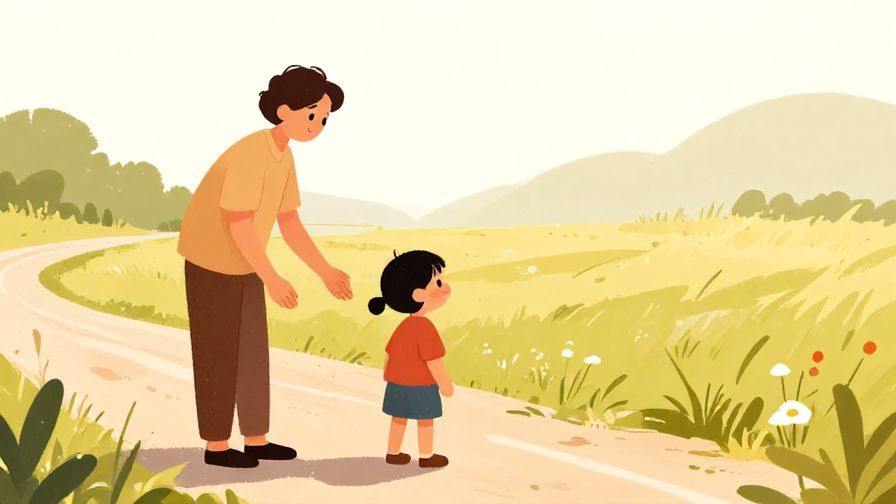
This is a command form using “行きなさい” (ikinasai), a firm but polite command meaning “go.”
Use this when you want to give clear instructions, like to children or in urgent situations.
It’s more direct than casual phrases but still polite enough to avoid rudeness.
Not for strangers or formal occasions.
Example: “ここで右に行きなさい!” (Koko de migi ni ikinasai!) meaning “Turn right here!”
A good phrase to remember for firm but caring directions.
7. 右へどうぞ (Migi e douzo) – “Please go right.”

Here “どうぞ” (douzo) adds a polite “please” to the direction.
It’s casual but courteous, perfect for customer service or polite conversation.
Use it when inviting someone to turn right or proceed that way.
It’s friendly sounding and very natural.
Try pairing it with “こちらへ” (kochira e) meaning “this way” for extra politeness.
Great for making directions sound warm and welcoming.
8. 右に進んでください (Migi ni susunde kudasai) – “Please proceed to the right.”

This phrase is polite and clear, using “進んでください” (susunde kudasai), meaning “please proceed.”
It’s ideal for formal settings like guides, announcements, or customer assistance.
Good to use if you want to be respectful and clear in your instructions.
Don’t confuse it with “右に曲がってください,” which means “please turn right.”
This one focuses on moving forward but in the right direction.
Practice it aloud to sound natural and respectful.
Part 2: Polite & Formal Suggestions
9. 右にお曲がりください (Migi ni o-magari kudasai) – “Please turn right.” (very polite)

This phrase uses the honorific prefix “お” (o) before “曲がり” (magari) for extra politeness.
“ください” (kudasai) is a polite request form.
You’ll hear this in customer service, formal announcements, or polite instructions.
It’s respectful and clear without being too stiff.
Use it when addressing strangers or in business situations.
It’s a great phrase to have when you want to sound very polite and professional.
10. 右にお進みください (Migi ni o-susumi kudasai) – “Please proceed to the right.” (formal)

Similar to the previous phrase but with “進み” (susumi), meaning “proceed.”
Again, the honorific “お” adds politeness, and “ください” is a request.
Perfect for formal venues like events, airports, or offices.
It sounds very refined and respectful.
Try to use it when addressing larger groups politely.
It’s a good phrase for public announcements or signage instructions.
11. 右にお曲がりくださいませ (Migi ni o-magari kudasaimase) – “Please turn right.” (extra polite)

Adding “ませ” (mase) to “ください” makes this phrase ultra-polite and formal.
Used in very formal customer service or hospitality settings.
It sounds respectful and elegant.
Perfect if you want to impress with your politeness.
Common in high-end hotels or traditional restaurants.
Keep this phrase in your formal Japanese toolkit.
12. 右折願います (Usetsu onegaishimasu) – “Right turn, please.” (formal)

“右折” (usetsu) means “right turn,” and “願います” (onegaishimasu) means “please” or “I request.”
Commonly used in driving or formal requests.
It’s polite but concise.
You might hear it during driving lessons or formal instructions.
Use it when you want to sound respectful but straightforward.
Try pairing it with “次の角で” (tsugi no kado de) for “at the next corner.”
13. 右にお進みくださいませ (Migi ni o-susumi kudasaimase) – “Please proceed to the right.” (very formal)

Similar to #11 but with “進み” (proceed) instead of “曲がり” (turn).
Extremely polite and used for formal instructions to guests or audiences.
It’s respectful and softened for hospitality settings.
Great for announcements or guiding guests in elegant venues.
Practice saying it smoothly to sound natural.
It’s a phrase that impresses with its politeness.
14. 右側にお回りください (Migigawa ni o-mawari kudasai) – “Please go around to the right side.”

“お回りください” (o-mawari kudasai) means “please go around.”
Use this phrase when you want someone to take a detour or go around something on the right.
It’s polite and descriptive.
Great for formal walking directions or polite requests.
Use it in situations where a simple “turn right” isn’t enough.
It helps you sound considerate and precise.
15. 右折をお願いします (Usetsu o onegaishimasu) – “Requesting a right turn.”

This is a polite request form using “お願いします” (onegaishimasu) after “右折” (right turn).
It’s often used in driving or official requests.
Good for when you want to be clear and polite simultaneously.
It’s slightly more formal than simply “右折してください.”
Perfect for situations where respect and clarity matter.
Remember this phrase for formal driving or customer service contexts.
16. 右に曲がっていただけますか (Migi ni magatte itadakemasu ka) – “Could you turn right?” (very polite)

This is a very polite and humble way to ask someone to turn right.
“いただけますか” (itadakemasu ka) softens the request into a question.
Use it with strangers or in formal situations.
It’s respectful and considerate.
Great for customer service or when you want to be extra polite.
Practice the rhythm to sound natural and friendly.
Part 3: Very Casual / Native-like Expressions
17. 右に曲がれ (Migi ni magare) – “Turn right.” (casual command)

This is the imperative form of “turn right,” direct and casual.
Use it with close friends or in informal situations.
Be careful—it can sound rude if used wrongly.
It’s useful in games, sports, or quick commands.
Example: “ここで右に曲がれ!” (Koko de migi ni magare!)
Good to know but use sparingly.
18. 右行け (Migi ike) – “Go right.” (slangy, casual)

Short and punchy, “右行け” is slangy and very casual.
“行け” (ike) is the command form of “go.”
Used among young people or in playful contexts.
Not suitable for formal or polite situations.
Easy to remember and fun to use with friends.
Try it in casual conversations or gaming contexts.
19. 右行こうぜ (Migi ikou ze) – “Let’s go right!” (very casual)

This is a very casual, friendly invitation to head right.
“行こう” (ikou) means “let’s go,” and “ぜ” (ze) adds a masculine casual emphasis.
Common among young men or close friends.
Great for informal plans or adventures.
Not for mixed or formal company.
Use it to sound natural and relaxed with buddies.
20. 右に行っちゃえ (Migi ni icchae) – “Go right already!” (casual, playful)

“行っちゃえ” (icchae) is a casual, playful way to say “just go.”
It’s informal and upbeat, perfect for encouraging someone.
Use it with friends when you want to be lighthearted.
Not suitable for strangers or formal use.
It adds personality and fun to your directions.
Try it next time you’re with close pals.
21. 右に曲がっちゃえ (Migi ni magacchae) – “Just turn right!” (casual, playful)

Similar to #20 but with “曲がっちゃえ,” a playful form of “turn.”
It sounds friendly and spontaneous.
Great for informal chats or joking around.
Shows familiarity and a relaxed vibe.
Practice saying it with a smile to sound natural.
Perfect for casual directions among friends.
22. 右に行っちゃおう (Migi ni icchaou) – “Let’s just go right.” (casual, inviting)

This phrase invites someone to “just go right” together.
“行っちゃおう” (icchaou) is casual and inclusive.
Use it to suggest a plan or direction naturally.
It’s friendly and upbeat.
Perfect for casual conversations or outings.
Try it out with your language buddies!
23. 右にズバッと曲がって (Migi ni zubatto magatte) – “Turn sharply right.” (colloquial)
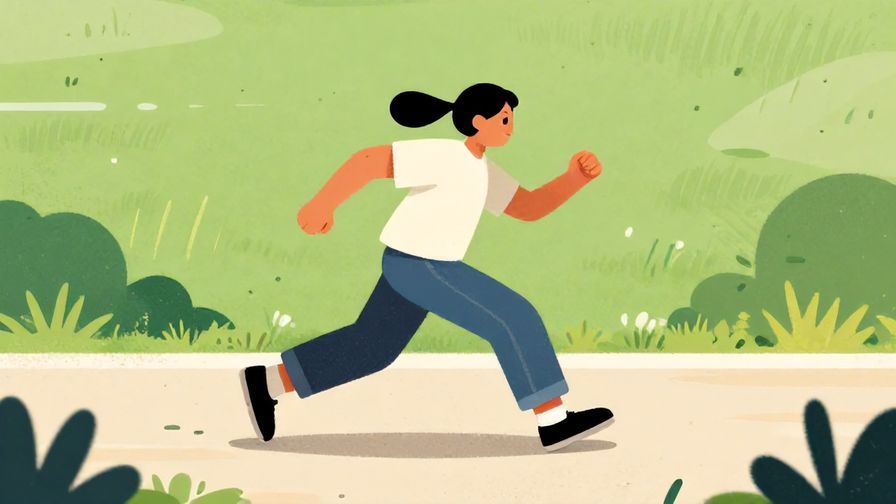
“ズバッと” (zubatto) adds an energetic “sharply” or “straightforward” twist.
Use this colloquial phrase to describe a quick, sharp turn right.
It’s fun and vivid.
Great for storytelling or casual talk.
Not formal, but very expressive.
Use it when you want to add flair to your directions.
24. 右にパッと曲がって (Migi ni patto magatte) – “Turn right quickly.” (casual)

“パッと” (patto) means “quickly” or “in a flash.”
This phrase describes turning right in a quick, smooth way.
It’s casual and natural sounding.
Perfect for lively conversations or giving quick tips.
Try to imagine the action when saying it to remember easily.
A fun way to add energy to your Japanese directions!
Concluding Thought
Now that you’ve explored 24 different ways to say “Turn right” in Japanese, you can see how versatile even a simple direction can be.
From casual chats with friends to polite instructions in formal settings, each phrase has its place and charm.
Keep practicing these phrases in your daily conversations and soon turning right in Japanese will feel as natural as in your own language!