24 Japanese ways to say “Turn Left”
Learning how to say “Turn left” in Japanese can be a fun little adventure, especially when you realize there are many ways to express this simple instruction.
Whether you’re traveling, chatting with friends, or just curious about the language, knowing these phrases can really come in handy.
Japanese has a rich variety of expressions that suit different situations, levels of politeness, and even casual conversations.
In this list, we’ll explore 24 different ways to say “Turn left” — from the most straightforward to the casual and native-like expressions.
By the end, you’ll not only sound more natural but also feel more confident navigating conversations and directions in Japanese.
Let’s dive in and find your favorite way to say “Turn left!”
Common Basics to Get You Started
Before we get into some fun variations, it’s good to know the basic phrase everyone uses.
“Hidari ni magaru” (左に曲がる) is the standard way to say “turn left” in Japanese, perfect for giving directions.
With this foundation, the rest will be easier to understand and remember.

If you want a helpful resource to practice these, a great Japanese phrasebook can make learning smoother.
Once you’re comfortable with the basics, you can explore more casual or formal options.
Remember, practice makes perfect, especially with language nuances.
Part 1: Casual Suggestions
1. 左に曲がって (Hidari ni magatte) – “Turn left”

This is the casual, everyday way to say “turn left.”
“左 (hidari)” means “left,” “に (ni)” is a particle indicating direction, and “曲がって (magatte)” is the te-form of the verb “曲がる (magaru),” meaning “to turn.”
It’s simple and effective for friends or informal situations.
Use this when you want to give quick, clear directions.
You might hear it often while walking around or in casual chats.
Keep it in your toolkit for everyday conversation!
2. 左に曲がろう (Hidari ni magarou) – “Let’s turn left”

This phrase invites someone to turn left with you, adding a friendly vibe.
The ending “ろう (rou)” is a volitional form, making it “let’s turn.”
It’s great for group walks or casual plans.
It sounds natural and inclusive.
Try this when you want to suggest a direction without sounding bossy.
It’s a nice way to bond while navigating.
3. 左行って (Hidari itte) – “Go left”

A shorter, punchier way to say “go left.”
“行って (itte)” is the te-form of “行く (iku),” meaning “to go.”
This phrase feels direct but still casual.
Perfect for quick commands or when you’re in a hurry.
It can be seen as less polite, so use with close friends.
It’s a handy phrase when you want to keep things simple.
4. 左側に曲がって (Hidarigawa ni magatte) – “Turn to the left side”
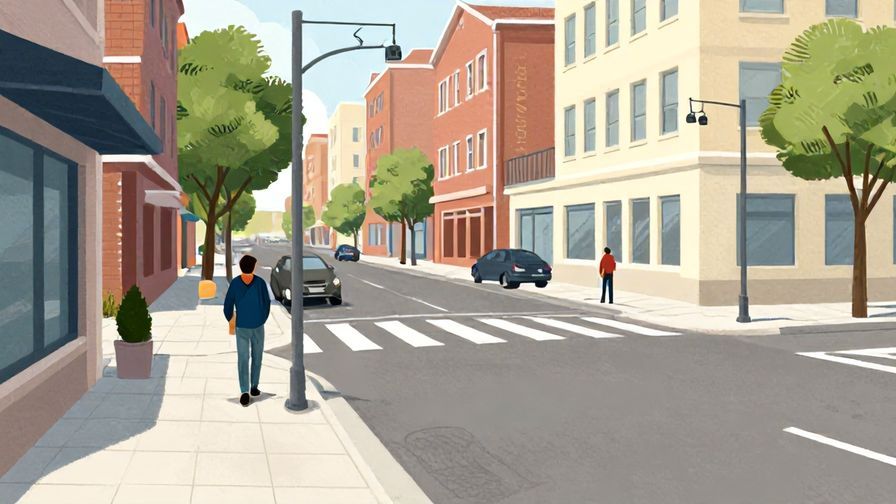
This one emphasizes the “left side” with “側 (gawa),” meaning “side.”
It’s good for clarifying which side to turn towards.
Useful in crowded places or when directions need to be extra clear.
It sounds a bit more descriptive but still casual.
Try it when simple “左に曲がって” might be unclear.
It’s a practical phrase for everyday use.
5. 左へどうぞ (Hidari e douzo) – “Please turn left”

This adds a polite “please” with “どうぞ (douzo),” making it friendly and courteous.
“へ (e)” also marks direction, similar to “に.”
Perfect for informal but respectful situations.
It’s often used when guiding someone gently.
Use it when you want to be polite without being too formal.
It’s a nice middle ground in tone.
6. 左曲がってね (Hidari magatte ne) – “Turn left, okay?”

The “ね (ne)” ending adds a soft, friendly confirmation tone.
It’s casual and often used among friends or family.
It makes the instruction feel warm and less like an order.
Great for keeping conversations light and easygoing.
You’ll hear this a lot in everyday life.
Try adding “ね” to soften your requests here and there.
7. 左に行こうぜ (Hidari ni ikou ze) – “Let’s head left, dude!”

This is very casual and masculine, with “ぜ (ze)” adding a confident, rough edge.
“行こう (ikou)” means “let’s go.”
Use it with close male friends or in relaxed settings.
It sounds cool but could be too casual in formal contexts.
Perfect for when you want to sound natural and casual with peers.
Watch your company before using this one!
8. 左に曲がっちゃって (Hidari ni magacchatte) – “Just turn left (informal)”
The “ちゃって (chatte)” ending is a casual contraction of “てしまう,” adding a sense of “just do it” or “go ahead.”
This makes it sound spontaneous and informal.
Great for encouraging someone lightly.
It’s a fun, native-like expression.
Use it when you want to sound friendly and relaxed.
Try it with friends to sound more natural.
Part 2: Polite & Formal Suggestions
9. 左にお曲がりください (Hidari ni omagari kudasai) – “Please turn left” (formal)

This is a highly polite way to say “please turn left.”
“お (o)” adds politeness to “曲がり (magari),” the masu-stem of “曲がる.”
“ください (kudasai)” means “please.”
Great for customer service or formal instructions.
Use it when you want to show respect or professionalism.
It’s perfect for business settings or polite encounters.
10. 左の方へ曲がってください (Hidari no hou e magatte kudasai) – “Please turn towards the left side”
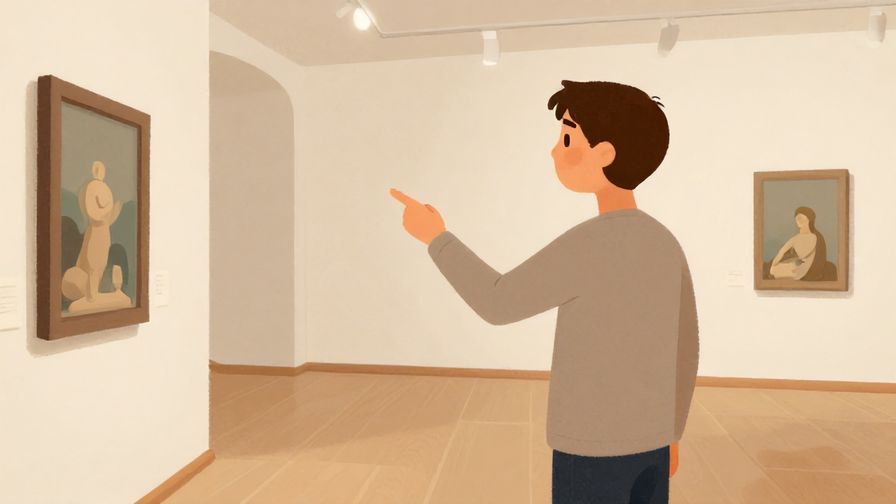
This phrase adds “の方 (no hou),” meaning “direction/side,” for clarity and politeness.
It’s formal and clear, suitable for signs or announcements.
“曲がってください” is the polite request form.
Useful when giving respectful instructions to groups or strangers.
It sounds considerate and precise.
Use it in formal or public settings.
11. 左へお進みください (Hidari e osusumi kudasai) – “Please proceed to the left”

“お進み (osusumi)” comes from “進む (susumu),” meaning “to proceed,” with a polite “お.”
It’s a formal way to say “please go left.”
Often used in announcements or customer service.
It implies moving forward smoothly in the left direction.
Great for polite, clear instructions.
Try this in formal environments like airports or hotels.
12. 左に曲がっていただけますか (Hidari ni magatte itadakemasu ka) – “Could you please turn left?”

This is a very polite request form using “いただけますか (itadakemasu ka),” meaning “could you please.”
It’s respectful and humble, perfect for strangers or superiors.
Use it when you want to be extra courteous.
It’s a bit long but conveys good manners.
Perfect for formal conversations and customer interactions.
Practice this to impress native speakers with your politeness!
13. 左にお曲がり願います (Hidari ni omagari negaimasu) – “Kindly turn left”
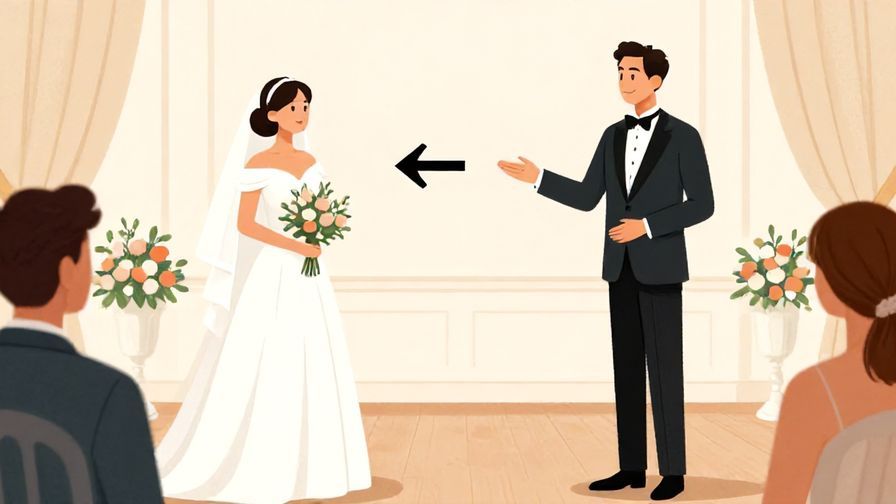
“願います (negaimasu)” is a formal way to say “please,” often used in written or official speech.
Adding “お” before “曲がり” makes it polite.
This phrase is good for announcements or formal requests.
It sounds respectful and serious.
Use this phrase in professional or ceremonial contexts.
It’s a polished way to show respect.
14. 左方向へお進み願います (Hidari houkou e osusumi negaimasu) – “Kindly proceed leftward”

“方向 (houkou)” means “direction,” making this phrase very explicit.
It’s formal and polite, often used in public buildings or events.
“お進み願います” is a respectful invitation to proceed.
Perfect for signs or announcements where politeness matters.
Use this when you want to maintain professionalism.
It’s clear and courteous.
15. 左の方へお進みくださいませ (Hidari no hou e osusumi kudasaimase) – “Please kindly proceed to the left”

Adding “ませ (mase)” to “ください” increases politeness further.
This phrase is very respectful and often heard in customer service.
It’s perfect for formal greetings or directions.
Use it when you want to sound extremely polite.
It’s a great phrase to impress with your etiquette.
Perfect for business or hospitality situations.
16. 左側にお回りください (Hidari gawa ni o mawari kudasai) – “Please go around to the left side”
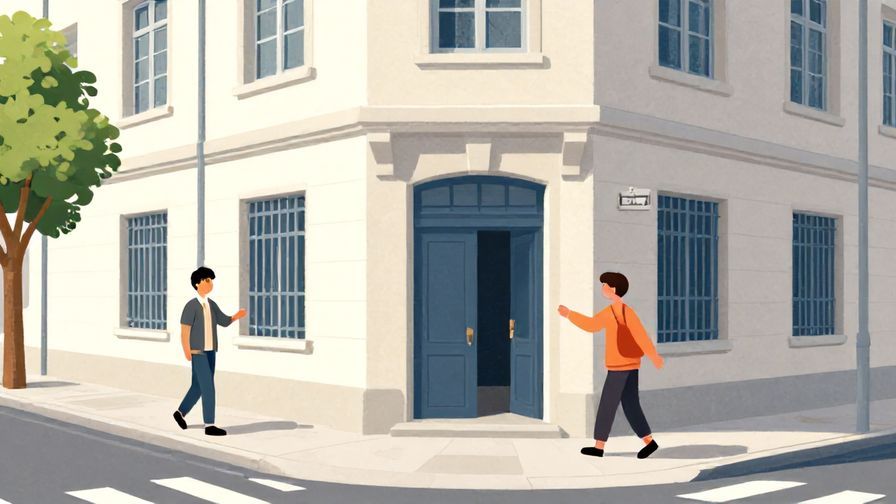
“お回り (omawari)” means “to go around,” adding a nuance of turning around or detouring.
This phrase politely instructs someone to take a left detour.
Useful in formal or official directions.
It’s respectful and clear.
Try this at events or places with complex routes.
It shows polite guidance with clear intent.
Part 3: Very Casual / Native-like Expressions
17. 左に曲がんな (Hidari ni maganna) – “Turn left” (slang)

This is a very casual and slangy way to say “turn left.”
“曲がんな” is a contracted form of “曲がるな,” but here used casually as a command.
Only use with close friends or in relaxed settings.
It sounds rough and informal.
Native speakers use it in casual talk or jokes.
Don’t use this in polite company!
18. 左に行きゃ (Hidari ni ikya) – “Go left” (casual contraction)

“行きゃ” is a casual contraction of “行けば,” meaning “if you go.”
It’s very casual and used in spoken language.
Sounds natural among native speakers in relaxed contexts.
Good for informal advice or instructions.
Try to use only with people you’re familiar with.
It’s a neat shortcut in casual speech.
19. 左曲がったら (Hidari magattara) – “When you turn left”
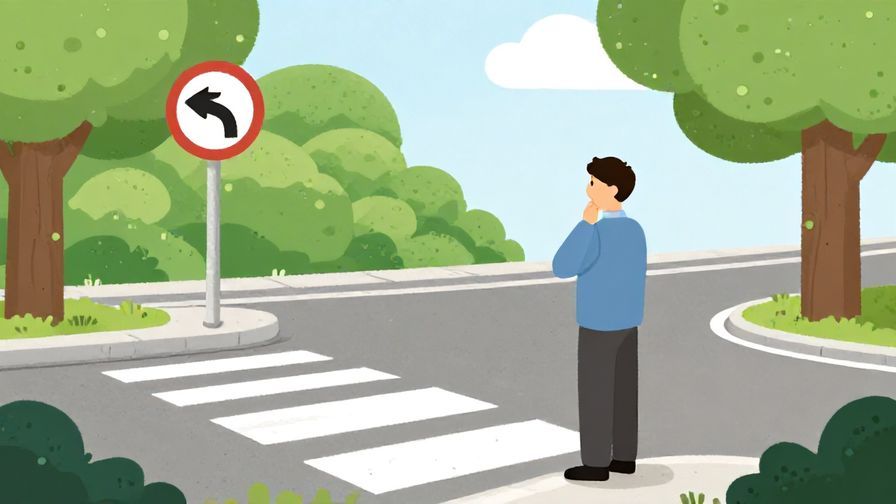
This phrase is used more for giving conditional directions.
“たら (tara)” means “when” or “if.”
It’s casual but useful in storytelling or giving directions.
Try using it when explaining routes.
It feels natural and conversational.
Great for making directions flow smoothly.
20. 左にスッと行って (Hidari ni sutto itte) – “Quickly go left”

“スッと (sutto)” means “smoothly” or “quickly.”
This phrase emphasizes a swift left turn.
It’s casual and vivid, great for storytelling or giving lively directions.
Use it to sound expressive and natural.
It adds flavor to your speech.
Try it when you want to be playful with language.
21. 左に行きたいんだけど (Hidari ni ikitain dakedo) – “I want to go left, but…”

This phrase is casual and shows hesitation or explanation.
“たいんだけど” expresses desire with a soft “but.”
Useful for asking permission or advice about turning left.
It sounds natural and polite in casual speech.
Try it when you want to be indirect or polite casually.
It’s a great phrase to soften requests.
22. 左に行くっしょ (Hidari ni iku ssho) – “We’ll go left, right?”

“っしょ (ssho)” is a casual sentence ending meaning “right?” or “let’s.”
This phrase sounds very informal and friendly.
It’s perfect for confirming plans with friends.
Use it in relaxed, native-like conversations.
It’s a fun way to feel part of the group.
Great for casual outings or chats.
23. 左行っとく? (Hidari ittoku?) – “Shall we go left?”
“行っとく (ittoku)” is a casual contraction of “行っておく,” meaning “go ahead and go.”
This phrase is casual and suggests a decision.
It’s friendly and inviting.
Good for lighthearted planning or suggestions.
Use it to sound natural and informal.
It’s great for casual conversations.
24. 左に曲がっちゃおう (Hidari ni magacchaou) – “Let’s just turn left”
“ちゃおう (chaou)” is a casual volitional form meaning “let’s just do it.”
This phrase sounds spontaneous and friendly.
It encourages doing something without hesitation.
Use it when you want to be upbeat and natural.
It’s a fun, native-like way to suggest a turn.
Try it when you want to sound playful and confident.
Concluding Thought
What a journey through the many ways to say “turn left” in Japanese! Each expression fits a unique situation and vibe.
From polite formalities to casual slang, knowing these phrases helps you navigate language and culture more smoothly.
Keep practicing and don’t be afraid to use these phrases in real life — you’ll find your confidence growing step by step.