24 Japanese ways to say “Go Straight”
When navigating in Japan or chatting with friends about directions, knowing how to say “go straight” in Japanese can be super handy. It’s one of those phrases you’ll use over and over, whether you’re exploring a new city or just explaining a route.
But here’s the fun part: Japanese offers quite a few ways to say “go straight,” each with a tiny twist or nuance. Some are casual, some polite, and some just sound more natural depending on the situation.
In this list, you’ll find 24 ways to say “go straight” in Japanese — from the most basic to the coolest, native-like expressions. It’s a great way to boost your conversational skills and impress locals with your language savvy.
Don’t worry if you’re a beginner — each phrase comes with clear pronunciation guides and easy explanations. You’ll be confidently leading the way in no time!
Ready to hit the road? Let’s dive into these Japanese gems and find your favorite way to say “go straight.”
And if you want to keep practicing, check out some useful Japanese travel phrasebooks that can be your perfect travel buddy.
Understanding “Go Straight” in Japanese
Before we jump into the phrases, a quick note: “Go straight” in Japanese usually involves words like まっすぐ (massugu) meaning “straight” and 行く (iku) meaning “to go.”
But depending on how casual or formal you want to be, or if you’re giving directions versus telling someone what to do, the phrases can vary.
Knowing these variations helps you sound natural and polite in all sorts of situations.

Also, a handy tip: pairing these phrases with simple gestures makes communication smoother, especially if you’re still building your vocabulary.
For more ideas on learning Japanese phrases efficiently, try a beginner phrasebook that breaks down practical expressions like these.
Now, let’s explore the different ways to say “go straight” in Japanese!
Part 1: Casual Suggestions
1. まっすぐ行って (Massugu itte) – “Go straight.”

This is the most straightforward way to say “go straight” in casual conversation. まっすぐ (massugu) means “straight,” and 行って (itte) is the te-form of 行く (iku), meaning “go.”
Just say it confidently when giving directions to friends or family! It’s easy to remember and super common.
As a tip, you can add ください (kudasai) to make it polite: まっすぐ行ってください (massugu itte kudasai).
Keep it simple — this phrase works everywhere, from streets to indoor directions.
Another casual variation is まっすぐに行く (massugu ni iku), which sounds slightly more descriptive.
Practice this one first; it’s your go-to phrase for “go straight”!
2. ずっと行く (Zutto iku) – “Go straight ahead continuously.”

ずっと (zutto) means “continuously” or “all the way,” so this phrase emphasizes going straight for a long stretch.
It’s casual but adds a nice nuance when you want to stress “straight ahead without stopping.” Try it when you want to make sure someone understands the route length.
Easy to remember because ずっと sounds like “zoo-toh.”
Don’t confuse it with ずっと右 (zutto migi), which means “always right.”
In conversation, you might say: ここからずっと行ってね (koko kara zutto itte ne) — “Go straight from here.”
Great for casual chats or texting directions to friends.
3. 真っ直ぐに行く (Massugu ni iku) – “Go straight ahead.”

This is a slightly more formal way to say “go straight.” 真っ直ぐ (massugu) is another spelling of まっすぐ, and に (ni) marks the direction.
Useful when you want to sound clear but still friendly, like when talking with acquaintances or in a semi-formal setting.
It’s easy to remember because it combines two simple words: 真っ直ぐ (straight) and 行く (to go).
Try using it in sentences like: 駅まで真っ直ぐに行く (eki made massugu ni iku) — “Go straight to the station.”
Watch out not to confuse 真っ直ぐ with 真っ暗 (massaka), which means “pitch dark.”
Perfect for polite conversations without sounding too stiff.
4. まっすぐ進んで (Massugu susunde) – “Proceed straight ahead.”

進む (susumu) means “to advance” or “to proceed,” so this phrase sounds a bit more formal and polite than just 行く (iku).
It’s commonly used in instructions or signs and works well when you want to sound respectful but natural.
To practice, try saying it like this: まっすぐ進んでください (massugu susunde kudasai) — “Please proceed straight ahead.”
This phrase is great for giving directions in shops, stations, or offices.
Remember, 進む implies moving forward, so it’s a nice way to express “go straight” with a bit more gravity.
It’s a neat phrase to sound a little more polished without being overly formal.
5. そのまま行って (Sono mama itte) – “Go just like that/keep going straight.”

そのまま (sono mama) means “just like that” or “as is,” so this phrase literally means “go as you are,” implying continue straight ahead.
It’s casual and often used when someone is already moving in the right direction, so you just want them to keep going.
Easy to use in conversations like: そのまま行ってください (sono mama itte kudasai) — “Please keep going straight.”
This phrase adds a friendly, conversational tone to directions.
It’s a fun one to remember because it’s quite visual—you imagine someone continuing their path without change.
Great for friendly chats or when you’re guiding someone nearby.
6. まっすぐ向かって (Massugu mukatte) – “Head straight towards.”
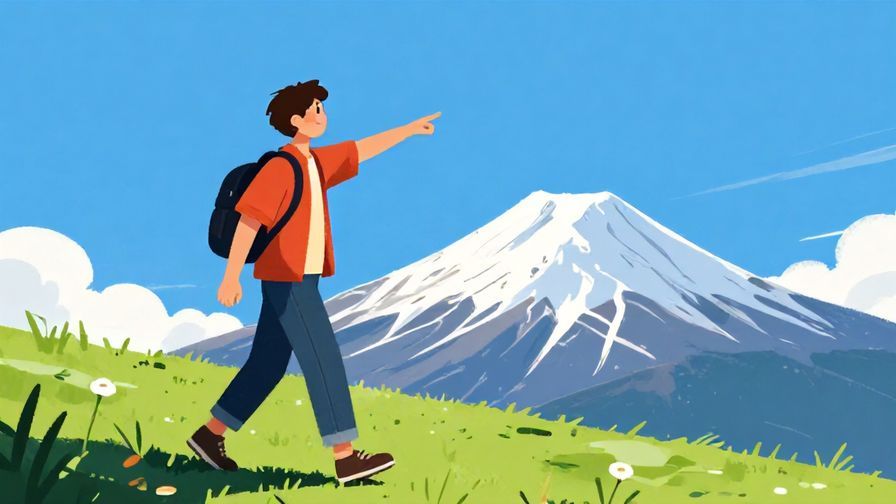
向かう (mukau) means “to face” or “to head towards,” so まっすぐ向かって literally means “head straight towards” something.
It’s a natural way to give directions that sound more dynamic and descriptive.
Use it when you want to specify a destination, like: まっすぐ向かってください (massugu mukatte kudasai) — “Please head straight towards it.”
This phrase helps learners connect movement with direction clearly.
It’s also great for travel or adventure contexts, adding a bit of excitement.
Try practicing it with different destinations to get comfortable with the structure.
7. まっすぐ歩いて (Massugu aruite) – “Walk straight.”

歩く (aruku) means “to walk,” so this phrase is perfect when you want to specifically say “walk straight” rather than just “go straight.”
It’s casual and useful when giving walking directions, especially in cities or neighborhoods.
Try it with a polite ending: まっすぐ歩いてください (massugu aruite kudasai) — “Please walk straight.”
It’s a simple phrase but very effective for clear communication.
Also, it helps learners distinguish between different types of movement verbs in Japanese.
Great for everyday use, especially if you’re on foot exploring.
8. まっすぐ進め (Massugu susume) – “Advance straight.”

This is a stronger, more commanding way to tell someone to “go straight.” 進め (susume) is the imperative form of 進む (susumu), meaning “advance.”
It’s casual but can sound a bit forceful, so it’s best used with close friends or in energetic contexts.
Perfect for games or sports when you want someone to charge ahead.
Be careful not to use this in formal situations to avoid coming off as rude.
Practice this to get comfortable with imperative verb forms in Japanese.
It’s a fun phrase to add some energy to your language skills!
Part 2: Polite & Formal Suggestions
9. まっすぐ行ってください (Massugu itte kudasai) – “Please go straight.”

This is a polite and very common phrase used when asking someone to go straight. Adding ください (kudasai) makes it a respectful request.
It’s easy to remember and perfect for formal situations like talking to strangers or in customer service.
Using this phrase shows good manners and clarity.
Try pairing it with a slight bow to increase politeness.
Also, you might hear まっすぐ行ってもらえますか? (massugu itte moraemasu ka?) as a more formal question.
Great phrase to use when you want to be polite but direct.
10. まっすぐ進んでください (Massugu susunde kudasai) – “Please proceed straight ahead.”

This is a polite and slightly more formal way to say “go straight.” Adding ください (kudasai) makes it a respectful request.
It’s often used in customer service or formal instructions.
Good for situations like in offices, hotels, or public buildings.
Pair it with a nod or polite tone to sound natural.
Try practicing this when giving directions to elders or clients.
It’s a smooth way to combine politeness with clear instructions.
11. まっすぐ進んでいただけますか (Massugu susunde itadakemasu ka) – “Could you please proceed straight?”

This is a very polite and indirect way to ask someone to go straight. いただけますか (itadakemasu ka) softens the request.
It’s perfect for formal occasions or when speaking to someone you want to show deep respect to.
Though a mouthful, it’s a great phrase to learn for business or official settings.
It’s less common in casual talk but valued in formal communication.
Practice it slowly to master the pronunciation and rhythm.
Using this phrase will definitely impress native speakers with your politeness.
12. まっすぐお進みください (Massugu osusumi kudasai) – “Please proceed straight ahead.”

お進みください (osusumi kudasai) is a very polite way to say “please proceed.” The prefix お (o) adds honorific politeness.
Commonly used in formal written and spoken Japanese, especially signage or announcements.
It’s a great phrase to learn if you want to sound professional.
Be mindful that it’s not casual, so save it for appropriate contexts.
Try using it when practicing polite announcements or formal directions.
This phrase highlights your respectfulness and language skill.
13. まっすぐ向かってください (Massugu mukatte kudasai) – “Please head straight.”

This is a polite request to “head straight,” using 向かう (mukau) with ください (kudasai) for politeness.
It’s useful when you want to sound friendly but respectful.
Works well in customer service or tourist information contexts.
Easy to remember and polite enough for most formal situations.
Also pairs well with gestures to make directions clear.
Perfect phrase to practice for polite everyday conversations.
14. まっすぐお進み願います (Massugu osusumi negaimasu) – “We kindly ask you to proceed straight ahead.”

願います (negaimasu) means “we request” or “please,” adding a very polite tone.
Paired with お進み (osusumi), this phrase is formal and often used in announcements or signage.
It’s a respectful way to ask people to go straight in public or formal spaces.
Not something you’d say in casual chat, but very useful for formal learning.
Practice this phrase to sound official and courteous.
It’s a great addition to your polite Japanese toolkit.
15. まっすぐ行ってもよろしいですか (Massugu itte mo yoroshii desu ka) – “Is it okay to go straight?”

This is a polite way to ask for permission before going straight.
もよろしいですか (mo yoroshii desu ka) is a polite phrase meaning “is it okay?”
Very useful when you want to check if going straight is allowed or correct.
It’s good for speaking with superiors or in formal situations.
Try using it when unsure about directions to show respect.
It’s a neat phrase to add politeness and caution to your speech.
16. まっすぐ行くようにしてください (Massugu iku you ni shite kudasai) – “Please make sure to go straight.”

This phrase is a polite request to ensure someone goes straight.
ようにしてください (you ni shite kudasai) means “please make sure to.”
Great for instructions, especially when safety or accuracy matters.
Use this phrase when guiding someone carefully.
It adds an encouraging tone to your directions.
Perfect for polite advice or reminders.
Part 3: Very Casual / Native-like Expressions
17. まっすぐだよ (Massugu da yo) – “It’s straight ahead.”

This is a very casual and natural way to tell someone “it’s straight.” The だよ (da yo) ending adds friendliness.
It’s perfect when chatting with close friends or family.
Easy to remember and commonly used in everyday conversations.
Try saying it with a smile to sound warm and natural.
It’s a cool phrase that sounds just like a native speaker.
Great to practice your casual Japanese fluency.
18. まっすぐ行け (Massugu ike) – “Go straight!”

This is a blunt, casual command to “go straight.” 行け (ike) is the imperative form of 行く (iku).
Use it only with close friends or in fun, energetic contexts.
It sounds strong but friendly in the right setting.
Not for use with strangers or formal situations!
Great for sports, games, or motivating friends.
Practice tone carefully to avoid sounding rude.
19. まっすぐ行っちゃえ (Massugu icchae) – “Just go straight!”
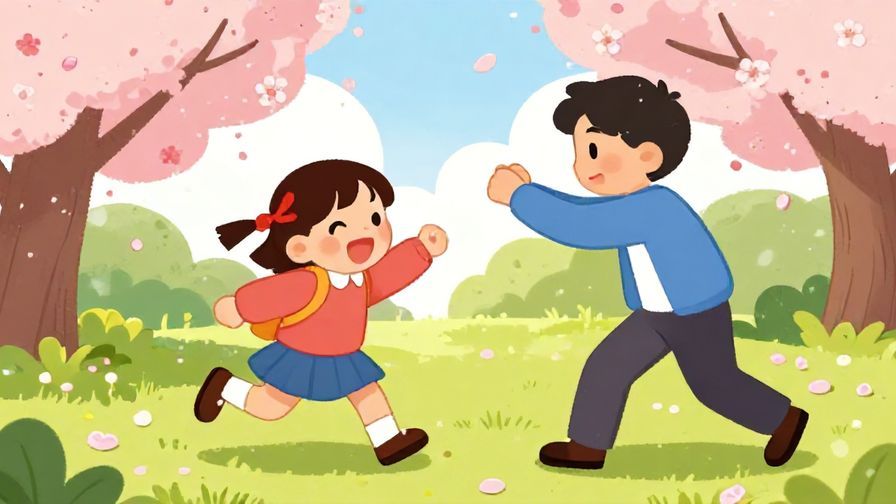
行っちゃえ (icchae) is a casual, slangy way to say “just go” or “go for it.”
This phrase adds a fun, spontaneous vibe to “go straight.”
Used mostly among young people or close friends.
It’s a cool way to sound native and relaxed.
Try it when encouraging someone to take action without hesitation.
Great for informal and lively conversations.
20. まっすぐ突っ走れ (Massugu tsuppashire) – “Dash straight ahead!”

突っ走れ (tsuppashire) means “dash” or “rush,” making this phrase energetic and vivid.
It’s very casual and used for excitement or motivation.
Perfect for sports or moments of enthusiasm.
Not suitable for everyday directions or formal speech.
Use it to add flair and passion to your Japanese.
Practice to match the energetic tone!
21. まっすぐ行っちゃって (Massugu icchatte) – “Go straight (casual, friendly).”

Similar to まっすぐ行っちゃえ, this is a friendly, casual phrase encouraging going straight.
The ちゃって (chatte) ending softens the command, making it playful.
Great for informal chats and friendly directions.
It sounds relaxed and natural among peers.
Try using it to add warmth and friendliness.
Perfect for daily casual conversations.
22. まっすぐに突き進め (Massugu ni tsukisusume) – “Charge straight ahead!”

突き進め (tsukisusume) means “charge forward” or “push through,” adding a strong, forceful tone.
Used in casual or dramatic contexts like sports or anime.
Not for polite or formal settings.
Use it to sound bold and energetic.
Great phrase to spice up your casual Japanese.
Practice with strong voice and confidence.
23. まっすぐ突っ走っちゃえ (Massugu tsuppashicchae) – “Just dash straight ahead!”

This phrase combines the energetic “dash” verb with a casual, playful ending.
It’s super informal and used among close friends.
Perfect for adding excitement to your speech.
Not suitable for formal or polite use.
Try it when you want to sound youthful and fun.
Great for practice with expressive tone.
24. まっすぐ突き進んじゃえ (Massugu tsukisusunjyae) – “Go charging straight ahead!”

Similar to #22, but with a casual, playful twist thanks to んじゃえ (njyae) ending.
It’s lively, informal, and full of energy.
Use among friends in fun or motivating situations.
Not appropriate for formal conversations.
Practice this to master casual energetic speech.
A great phrase to finish off your “go straight” journey with a bang!
Concluding Thought
Exploring these 24 ways to say “go straight” in Japanese reveals just how rich and varied the language is, even for something as simple as giving directions.
From casual chats to polite requests and energetic commands, you now have a versatile toolkit to navigate any situation with confidence and flair.
Keep practicing, and soon you’ll be guiding friends, impressing locals, and feeling at home in Japanese conversations no matter where your path takes you!