24 Japanese ways to ask “Do You Have This in Another Size?
Ever found yourself in a store loving a piece of clothing but wondering, “Do they have this in another size?”
It’s a common situation, and having the right phrase in Japanese can make your shopping experience so much smoother.
Whether you’re in Tokyo or a smaller town, knowing how to ask about sizes politely or casually will get you great results.
In this article, I’ve put together 24 warm, friendly, and useful ways to ask “Do you have this in another size?” in Japanese.
From casual to very polite, and even some native-like expressions, there’s something here for every situation and skill level.
Ready to boost your shopping confidence and impress the salespeople? Let’s dive in!
Why Learning Different Ways to Ask Matters
Japanese is wonderfully versatile, and using the right phrase depending on the situation can make your experience more genuine and effective.
Sometimes you’re in a casual boutique, and other times a formal department store. Your words will match the vibe, making conversations smoother.
Plus, practicing these phrases will help you get comfortable with natural speech and polite forms alike.
If you want a helpful boost, a Japanese phrasebook focused on shopping can be your perfect companion.
Using these phrases will quickly make you feel more at ease in stores.
Plus, you’ll sound natural, which always helps to build rapport.
Part 1: Casual Suggestions
1. これの別のサイズありますか? (Kore no betsu no saizu arimasu ka?) – “Do you have this in another size?”
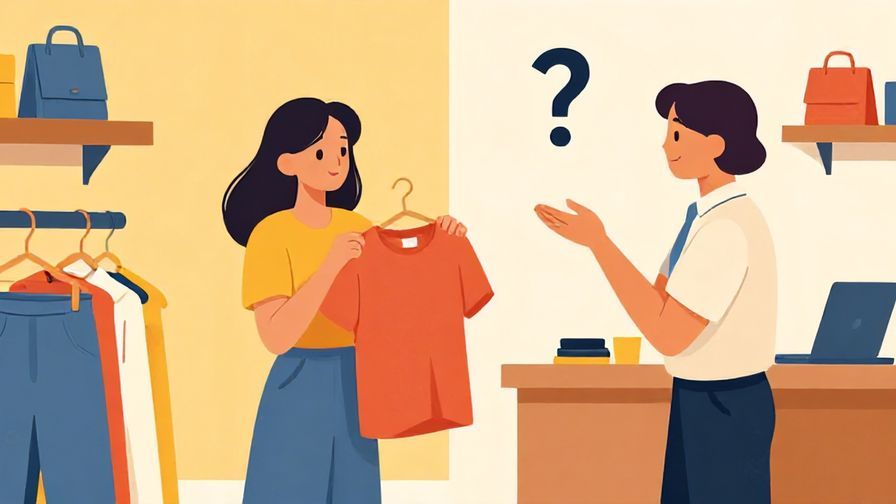
This is the most straightforward way to ask about another size.
“これ (Kore)” means “this,” “別の (betsu no)” means “another,” and “サイズ (saizu)” is “size.” “ありますか (arimasu ka?)” means “do you have?”
It’s polite but simple, perfect for casual stores.
Using this phrase is a great first step when shopping.
It’s similar to “これのサイズ違いありますか?” (Kore no saizu chigai arimasu ka?), which also means “Do you have this in a different size?”
Try it out next time you’re shopping to sound polite but casual.
2. 他のサイズはありますか? (Hoka no saizu wa arimasu ka?) – “Do you have other sizes?”

This phrase drops “this” and just asks about other sizes.
“他の (Hoka no)” means “other,” so you’re asking if other sizes exist for the item.
Perfect if you’re already holding the item and want to check alternatives.
It’s polite and works well in most casual to semi-formal situations.
Just remember to keep your tone friendly to sound natural.
It’s a quick phrase that fits many shopping interactions.
3. これ、大きいサイズありますか? (Kore, ookii saizu arimasu ka?) – “Do you have this in a larger size?”

Here you specify the size you want: “大きい (ookii)” means “big” or “large.”
It’s handy if you know you want a bigger size than the one you’re holding.
Adding size details makes your request clearer.
This phrase is polite and easy to remember.
For smaller sizes, swap “大きい” with “小さい (chiisai),” meaning “small.”
So, you can say “小さいサイズありますか?” too!
4. サイズ違いはありますか? (Saizu chigai wa arimasu ka?) – “Do you have a different size?”

“サイズ違い (saizu chigai)” literally means “different size.”
This phrase is casual but still polite enough for most stores.
It’s a quick way to ask if other sizes are available.
It’s also easy to remember because it uses simple words.
Great for when you’re unsure if the store has your size at all.
Use it to sound natural and friendly during your shopping trip.
5. これ、もう少し大きいサイズありますか? (Kore, mou sukoshi ookii saizu arimasu ka?) – “Do you have this in a slightly bigger size?”
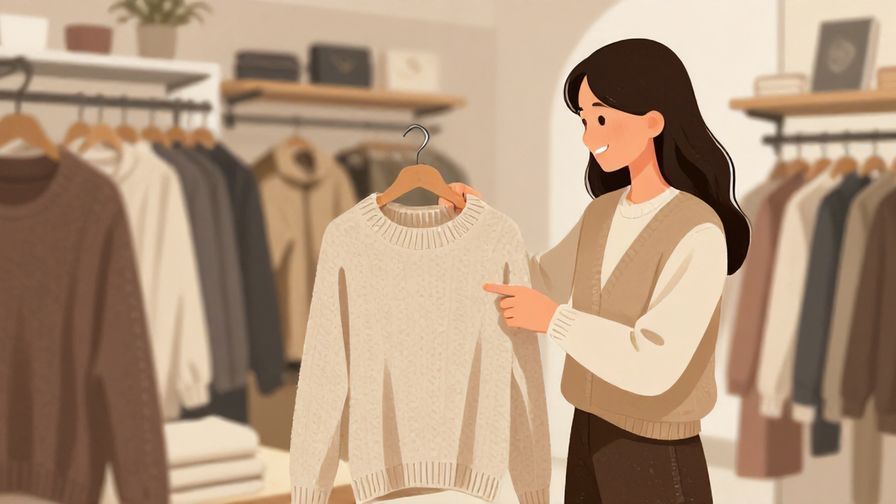
This phrase adds nuance with “もう少し (mou sukoshi),” meaning “a little more” or “slightly.”
It sounds very natural and friendly.
Perfect when you want something just a bit bigger, not too large.
It’s polite and detailed, showing you’re thoughtful.
Try it to impress the shop staff with your natural phrasing.
It’s a great phrase to build your confidence in expressing size preferences.
6. 別のサイズを見せてください (Betsu no saizu o misete kudasai) – “Please show me another size.”
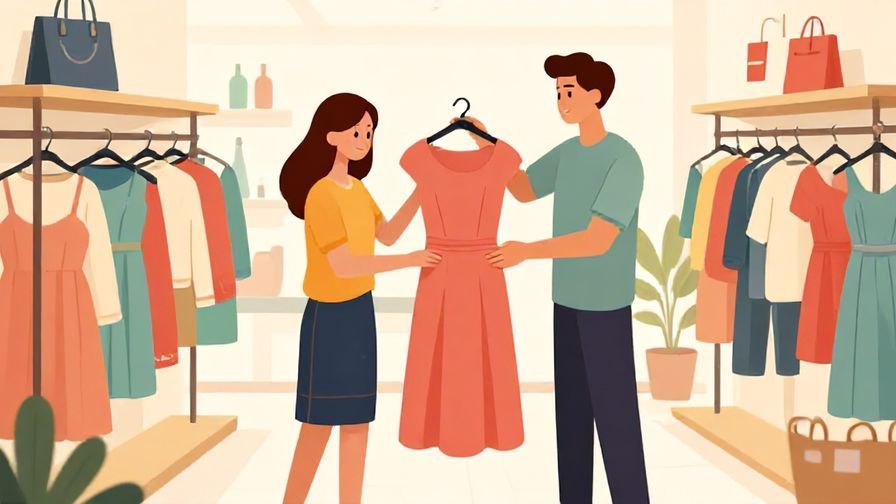
This is a polite request using “見せてください (misete kudasai),” which means “please show me.”
It’s very polite and works well in formal or semi-formal shops.
You’re asking to see other sizes instead of just asking if they exist.
It invites the shop assistant to help you directly.
Using “別のサイズ (betsu no saizu)” means “another size.”
This phrase is excellent for building rapport and getting personalized service.
7. これのサイズ違い、ありますか? (Kore no saizu chigai, arimasu ka?) – “Is there a different size of this?”

Similar to number 4 but adds “これの (kore no)” meaning “this.”
This phrase is polite and clear, combining the item and size difference.
It’s perfect if you want to be specific but not too formal.
“サイズ違い (saizu chigai)” is easy to remember and very common.
Use this phrase to sound fluent and polite in casual settings.
Great for everyday shopping conversations.
8. 他のサイズはありますでしょうか? (Hoka no saizu wa arimasu deshou ka?) – “Might you have other sizes?” (polite)
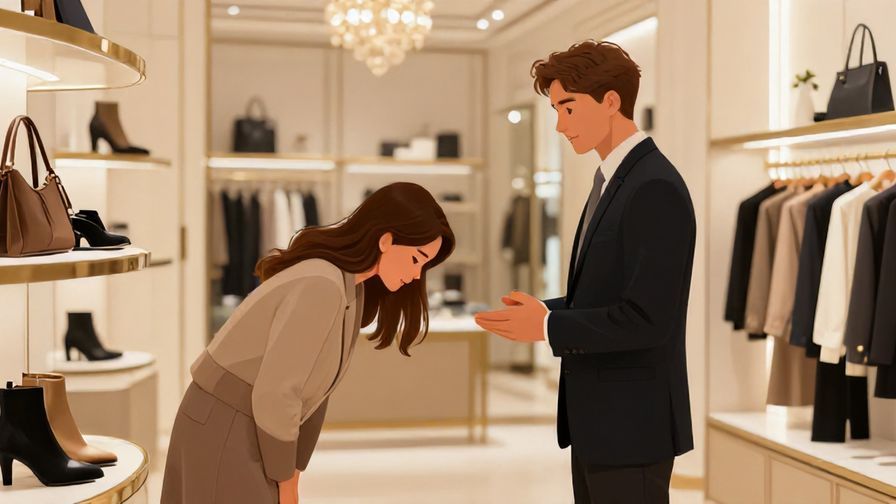
This phrase is more polite and formal by using “でしょうか (deshou ka).”
It’s great for department stores or when you want to be extra courteous.
“他のサイズ (hoka no saizu)” means “other sizes.”
It softens the question, making it sound less direct and more respectful.
Try this if you want to impress with your politeness.
It’s a useful phrase for formal or business-like shopping environments.
Part 2: Polite & Formal Suggestions
9. こちらの別サイズはございますか? (Kochira no betsu saizu wa gozaimasu ka?) – “Do you have this in another size?” (very polite)

This phrase uses “ございます (gozaimasu),” a very polite form of “あります.”
“こちら (kochira)” is a polite way of saying “this one.”
It’s perfect for formal shopping, such as in department stores.
Sounding respectful will get you better service.
Use this phrase when you want to be very polite and formal.
It’s a great phrase for improving your business Japanese or formal skills.
10. もう少し大きいサイズはありますでしょうか? (Mou sukoshi ookii saizu wa arimasu deshou ka?) – “Might you have a slightly bigger size?”

This combines politeness with nuance using “でしょうか (deshou ka).”
It’s a respectful way to ask for a slightly bigger size.
Perfect for formal settings where you want to sound thoughtful.
“もう少し (mou sukoshi)” adds a gentle tone.
Try this to communicate clearly and politely.
It’s a phrase that sounds both natural and refined.
11. こちらのサイズ違いはございますか? (Kochira no saizu chigai wa gozaimasu ka?) – “Is there a different size of this?” (very polite)
This is another polite way using “ございます (gozaimasu).”
“こちらの (kochira no)” means “this one,” combined with “サイズ違い (saizu chigai),” meaning “different size.”
It’s perfect for polite and formal shopping situations.
Using this phrase shows respect and care.
Great for department stores and luxury boutiques.
It’s a phrase that’s sure to impress.
12. これのサイズ展開はありますか? (Kore no saizu tenkai wa arimasu ka?) – “Do you have different sizes available?”
“サイズ展開 (saizu tenkai)” means “size range” or “size lineup.”
This phrase asks if the item comes in different sizes.
It’s polite and a bit more formal.
It’s useful if you want to sound knowledgeable.
Try this phrase if you want to express interest in the product’s variety.
It adds a professional touch to your shopping language.
13. もっと大きいサイズは取り扱っていますか? (Motto ookii saizu wa toriatsukatte imasu ka?) – “Do you carry larger sizes?”

“取り扱う (toriatsukau)” means “to carry” or “handle.”
This phrase asks if the store stocks larger sizes.
It’s polite and formal enough for department stores.
It shows you’re interested in the store’s inventory.
Try this phrase to sound professional and polite.
It’s great for asking about stock availability politely.
14. こちらの商品はサイズ違いはございますでしょうか? (Kochira no shouhin wa saizu chigai wa gozaimasu deshou ka?) – “Does this product come in different sizes?”
This is a very polite and formal way of asking.
“商品 (shouhin)” means “product,” adding formality.
It’s perfect for business or formal shopping.
Using “ございますでしょうか” adds extra politeness.
This phrase works well when you want to be respectful and clear.
It’s a phrase to keep in your polite Japanese toolkit.
15. こちらのサイズは他にございますか? (Kochira no saizu wa hoka ni gozaimasu ka?) – “Are there other sizes of this available?”
This phrase combines politeness with a natural flow.
“他に (hoka ni)” means “other” or “elsewhere.”
It’s perfect for formal or semi-formal stores.
Use it to politely inquire about size options.
It sounds thoughtful and respectful.
This phrase fits well in many polite shopping situations.
16. これのサイズバリエーションはありますか? (Kore no saizu bariēshon wa arimasu ka?) – “Does this come in size variations?”
“サイズバリエーション (saizu bariēshon)” means “size variation.”
This phrase is a bit more modern and business-like.
It’s polite and good for more formal or professional contexts.
It shows you’re interested in the product’s options.
Try it when you want to ask about variety in a smart way.
This phrase will help you sound informed and polite.
Part 3: Very Casual / Native-like Expressions
17. これ、他のサイズある? (Kore, hoka no saizu aru?) – “Got this in another size?” (casual)
This is very casual and used among friends or in small shops.
“ある (aru)” is the plain form of “あります,” making it informal.
It’s great for young people or casual environments.
Use it when you want to sound natural and relaxed.
It’s not polite enough for formal settings, so be mindful.
Perfect for friendly stores or markets.
18. これ、サイズ違うのある? (Kore, saizu chigau no aru?) – “Do you have a different size of this?” (casual)

Another casual phrase where “の (no)” adds a conversational tone.
“ある (aru)” is informal here.
It’s quick and friendly, perfect among peers or in casual shops.
Not polite for formal stores but very natural among locals.
Try it when you want to sound like a native speaker.
Great for casual shopping adventures.
19. これ、もうちょっと大きいのある? (Kore, mou chotto ookii no aru?) – “Got this in a slightly bigger size?” (casual)

“もうちょっと (mou chotto)” means “a little more,” adding casual nuance.
“のある” makes the phrase conversational.
Perfect for casual conversations with shop assistants you know well.
It sounds friendly and informal.
Use it with good friends or in relaxed shopping spots.
It’s a great way to sound native and natural.
20. これ、サイズ違うのある? (Kore, saizu chigau no aru?) – Another casual way to ask if a different size exists.
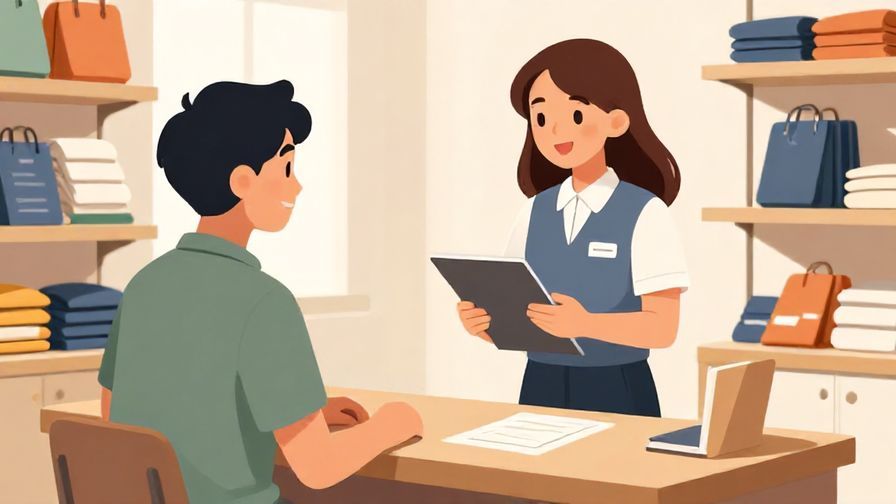
This is a common casual phrase among native speakers.
It’s simple and to the point.
Perfect for informal stores or street markets.
Use it to sound relaxed and approachable.
Not suitable for polite or formal situations.
Great phrase for everyday life in Japan.
21. これ、サイズ違いある? (Kore, saizu chigai aru?) – A shortened casual phrase.

This phrase drops the “の” for a quicker, more casual feel.
It’s used often by young people and friends.
It’s very straightforward and easy to remember.
Great for casual shopping with friends or in small shops.
Not recommended in formal or polite settings.
Try it to sound more like a local.
22. これの他のサイズある? (Kore no hoka no saizu aru?) – “Is there another size of this?” (casual)
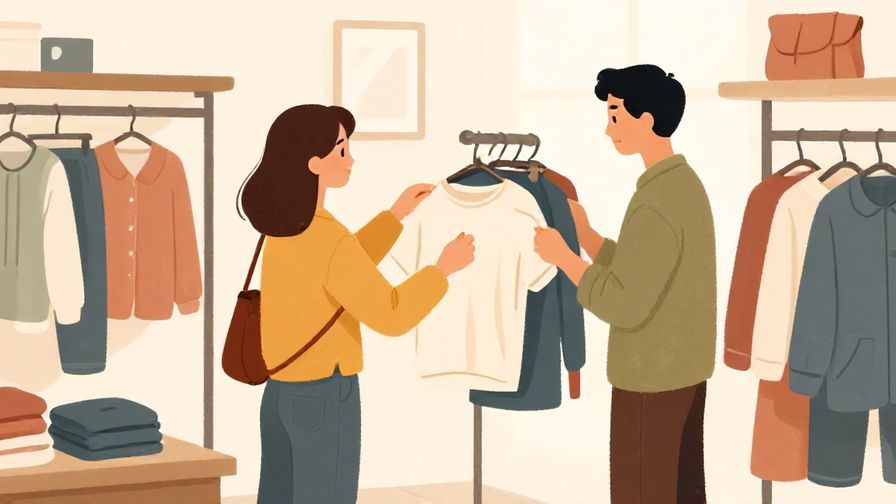
This phrase is similar to number 2 but more casual.
Dropping the polite “ます” makes it informal.
It’s used in everyday conversations among locals.
Perfect for casual stores or markets.
Use it when you want to sound natural and laid-back.
It’s a useful casual phrase to add to your arsenal.
23. これ、サイズ違うの見せてくれる? (Kore, saizu chigau no misete kureru?) – “Can you show me a different size?” (casual request)

This phrase uses “くれる (kureru)” to make a casual request.
It’s friendly and informal.
Great for familiar shop staff or casual settings.
It’s not polite enough for formal stores but very natural.
Try it when you’ve built some rapport with the staff.
A nice way to sound native and casual.
24. これ、サイズ違うのある?見せてほしい! (Kore, saizu chigau no aru? Misete hoshii!) – “Is there a different size? I want to see it!” (very casual)
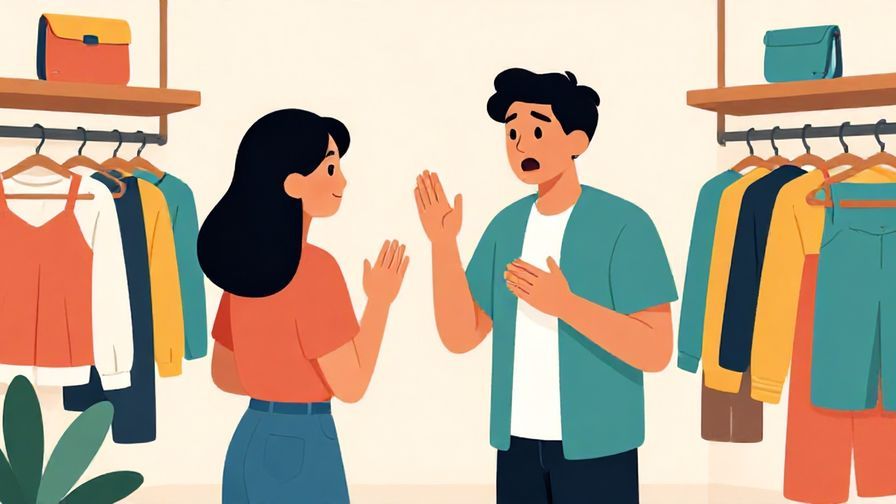
This is a very casual and expressive way to ask.
“見せてほしい (misete hoshii)” means “I want you to show me.”
It’s informal and shows enthusiasm.
Perfect with friends or casual shops.
Use it only when you’re comfortable and want to sound lively.
It’s a fun phrase to practice for relaxed conversations.
Concluding Thought
Asking about sizes in Japanese doesn’t have to be intimidating.
With these 24 phrases, you can confidently handle any shopping situation, from casual to formal.
Keep practicing, and soon asking “Do you have this in another size?” will feel as natural as chatting with a friend!