24 Japanese ways to ask “Can I Get a Receipt?”
Ever found yourself in Japan, at the checkout, wanting to ask for a receipt but not sure how to say it? Don’t worry, you’re not alone!
Asking for a receipt is a simple but important phrase, especially when you’re budgeting or need proof of purchase. It can also be a great way to practice your Japanese in everyday situations.
There are many ways to ask for a receipt depending on how casual or polite you want to be, and we’re here to show you 24 of them.
Whether you’re shopping at a convenience store, dining out, or buying souvenirs, knowing these phrases will make your interaction smoother and friendlier.
Plus, learning a few polite expressions can really impress locals and help you feel more confident.
Ready? Let’s dive into all the warm and natural ways to ask “Can I get a receipt?” in Japanese!
Understanding the Basics Before We Start
Before jumping into the list, let’s cover a quick foundation: the word for receipt in Japanese is “領収書” (りょうしゅうしょ, ryoushuusho) or simply “レシート” (reshiito), borrowed from English.
Depending on where you are, both words are widely understood. For daily casual use, “レシート” is very common, while “領収書” is the formal term often used in business or official settings.
Knowing this difference will help you pick the right phrase according to the situation.

Sometimes, using a great Japanese phrasebook can give you a perfect starting point for a cohesive understanding.
Let’s explore casual, polite, and native-like ways to ask for that little paper proof of purchase.
These phrases will help you sound natural and respectful, no matter where you are in Japan.
Part 1: Casual Suggestions
1. レシートください (Reshīto kudasai) – “Receipt, please.”

This is the simplest and most straightforward way to ask for a receipt.
“レシート” (Reshīto) means “receipt” and “ください” (kudasai) means “please.” Just combine them, and you’re good to go!
It’s polite enough for daily situations and super common in shops and cafes.
Keep it short and sweet for quick transactions.
If you want to be even more casual with friends, you might drop “ください” and just say “レシート?” with a questioning tone.
Use this phrase often, and you’ll sound natural in no time.
2. 領収書をお願いします (Ryōshūsho o onegaishimasu) – “Receipt, please.” (formal)

This one is more formal than the previous and perfect for business or official purchases.
“領収書” (Ryōshūsho) means “official receipt,” “を” (o) marks the object, and “お願いします” (onegaishimasu) means “please” in a respectful way.
Great for when you want to sound very polite and professional.
It’s widely used in offices and stores that require formal documentation.
Be sure to pronounce the “りょう” (ryou) part clearly to avoid confusion.
Try practicing this phrase when you need a receipt for work or taxes.
3. レシートはもらえますか? (Reshīto wa moraemasu ka?) – “Can I get a receipt?”

This is a polite question form, asking if you can receive a receipt.
“もらえますか” (moraemasu ka) means “can I get” or “may I receive,” making your request gentle and respectful.
It’s great when you want to check if a receipt is available.
Using “は” (wa) highlights the topic, in this case, the receipt.
You can swap “レシート” for “領収書” here, depending on formality.
Perfect for situations where receipts might not be standard, like small markets or street vendors.
4. レシートありますか? (Reshīto arimasu ka?) – “Do you have a receipt?”

Use this phrase when you want to check if the store provides receipts at all.
“ありますか” (arimasu ka) means “do you have?” or “is there?”
It’s a polite and straightforward way to confirm availability.
Great for casual shops or small stalls where receipts may not be automatic.
Good to pair with a smile to keep the tone friendly.
It helps avoid awkwardness if receipts aren’t always given.
5. レシートをもらってもいいですか? (Reshīto o moratte mo ii desu ka?) – “Is it okay if I get a receipt?”

This phrase is a polite way to ask for permission to receive a receipt.
“もらってもいいですか” (moratte mo ii desu ka) literally means “is it okay to receive?”
It’s soft and considerate, great when you want to be extra polite.
Use this in more formal shops or when you sense the staff are busy.
It’s a nice way to show respect while still getting what you need.
Practice this for situations where politeness is key, like in hotels or department stores.
6. レシートほしいです (Reshīto hoshii desu) – “I want a receipt.”

This is a simple, direct way to express your desire for a receipt.
“ほしい” (hoshii) means “want,” and adding “です” (desu) keeps it polite.
It’s casual but still polite enough for most daily interactions.
Great for when you want to be clear but not overly formal.
Just be careful with tone—keep it friendly, not demanding.
This phrase is easy to remember and useful for beginners.
7. レシートをくださいませんか? (Reshīto o kudasaimasen ka?) – “Could you please give me a receipt?”

This is a very polite and soft way to request a receipt.
“くださいませんか” (kudasaimasen ka) is a humble and respectful form of “please give me.”
Perfect for places where you want to show extra respect, like high-end stores.
It’s a bit more formal than simply “ください.”
Use this if you want to impress or when you’re in a very polite environment.
It shows you’re thoughtful without being pushy.
8. レシートを発行してもらえますか? (Reshīto o hakkō shite moraemasu ka?) – “Can you issue a receipt for me?”

This phrase is a bit more formal and specific.
“発行してもらえますか” (hakkō shite moraemasu ka) means “can you issue (it) for me?”
It’s commonly used in stores or places where receipts are officially issued.
Great if you want to sound professional and clear.
“発行” (hakkō) means “issue” or “generate,” which adds a bit of formality.
Use this when you want to be very precise about getting a receipt.
Part 2: Polite & Formal Suggestions
9. 領収書を発行していただけますか? (Ryōshūsho o hakkō shite itadakemasu ka?) – “Could you kindly issue a receipt?”

This is a very polite and respectful way to ask for a receipt.
“いただけますか” (itadakemasu ka) is a humble expression meaning “could I receive?”
It’s perfect for business transactions or formal settings.
Use this to show deference and politeness.
It’s often used in offices or when dealing with important paperwork.
Mastering this phrase can really help in professional environments.
10. 領収書をお願いできますでしょうか? (Ryōshūsho o onegai dekimasu deshō ka?) – “Would it be possible to have a receipt, please?”

This form is very polite and somewhat indirect, which is common in Japanese for requests.
“できますでしょうか” (dekimasu deshō ka) softens the question to be more tentative and polite.
It’s suitable for formal occasions or when you want to be extra courteous.
A great phrase to use in department stores or business meetings.
It shows respect and humility, key to Japanese communication.
Practice this for situations where you want to be especially polite.
11. 領収書をいただけますか? (Ryōshūsho o itadakemasu ka?) – “May I receive a receipt?”
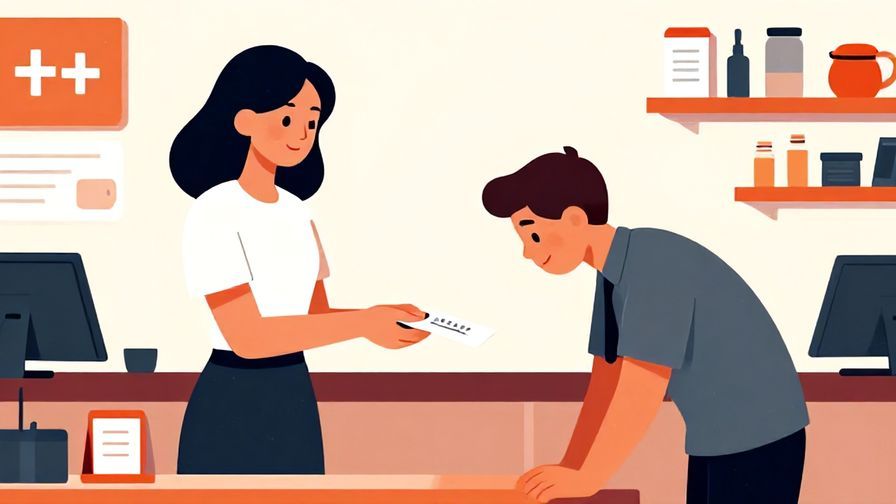
A humble and polite way to ask for a receipt.
“いただけますか” (itadakemasu ka) implies “may I receive,” showing respect.
It’s often used in formal or business contexts.
Simple but respectful – a great phrase for most formal transactions.
You can combine this with “発行” (issue) for even more clarity.
Pretty easy to remember and very effective.
12. 領収書をお取りいただけますか? (Ryōshūsho o otori itadakemasu ka?) – “Could you please take out the receipt for me?”

This is a polite way to ask someone to get the receipt ready.
“お取りいただけますか” (otori itadakemasu ka) means “could you please take it out.”
It sounds respectful and acknowledges the effort of the staff.
Perfect for formal retail or restaurants.
It’s a bit longer but shows extra politeness and appreciation.
Good to use if you want to stand out as courteous.
13. 領収書の発行をお願いいたします (Ryōshūsho no hakkō o onegai itashimasu) – “I humbly request issuance of a receipt.”

This is a highly formal and humble expression.
“お願いいたします” (onegai itashimasu) is a very polite form of “please.”
It’s often used in written requests or formal speech.
Perfect for business or official receipts.
Use this phrase when you want to be very respectful in your communication.
It demonstrates good manners and professionalism.
14. 領収書を発行してもらえませんでしょうか? (Ryōshūsho o hakkō shite moraemasen deshō ka?) – “Would it be possible to have a receipt issued?”

This phrase is a very polite and indirect way to make the request.
“もらえませんでしょうか” (moraemasen deshō ka) is a soft negative question to be extra polite.
Use this when you want to be formal yet very gentle.
It’s excellent for delicate situations or where extra respect is needed.
It’s longer but sounds very refined.
Great for professional settings or important purchases.
15. 領収書をいただきたいのですが (Ryōshūsho o itadakitai no desu ga) – “I would like to receive a receipt.”
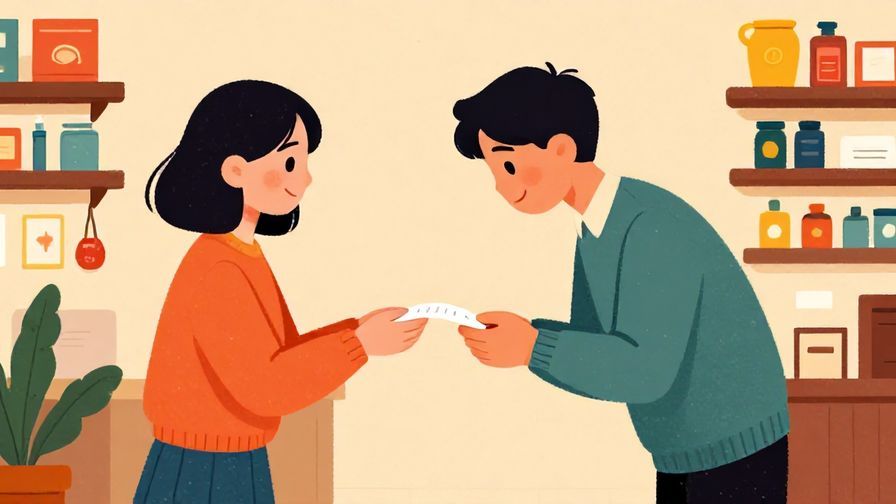
This phrase politely expresses your desire to receive a receipt.
“いただきたい” (itadakitai) means “would like to receive,” adding softness.
It’s polite and clear, good for formal or semi-formal situations.
“のですが” (no desu ga) adds a gentle tone to soften the request.
Use this to sound respectful but still straightforward.
It’s a useful phrase in many business or restaurant settings.
16. 領収書をお願い申し上げます (Ryōshūsho o onegai mōshiagemasu) – “I respectfully request a receipt.”

This is a very formal and humble way to ask for a receipt.
“お願い申し上げます” (onegai mōshiagemasu) is an even more respectful version of “please.”
Best used in highly formal or ceremonial situations.
Shows deep respect and politeness.
Great for official or important financial transactions.
Impressive to use if you want to show excellent manners.
Part 3: Very Casual / Native-like Expressions
17. レシートちょうだい (Reshīto chōdai) – “Give me a receipt.” (casual)

This is a very casual way to ask for a receipt, mainly used among friends or in informal settings.
“ちょうだい” (chōdai) is a casual way of saying “give me.”
Use this only if you’re very familiar with the person or in relaxed environments.
It’s quick and friendly but not polite enough for strangers.
Good to know so you recognize it when others use it.
A fun phrase to practice with close friends learning Japanese.
18. レシートくれる? (Reshīto kureru?) – “Will you give me a receipt?” (casual)

This is another casual way, using “くれる” (kureru), meaning “give me.”
It’s a question form, sounding informal and friendly.
Use it with people you know well, not in formal stores.
It’s an easy phrase to pick up and sounds natural among young people.
Be mindful of tone to keep it polite within casual usage.
Perfect for street vendors or casual eateries with friends.
19. レシートお願い! (Reshīto onegai!) – “Receipt, please!” (casual)
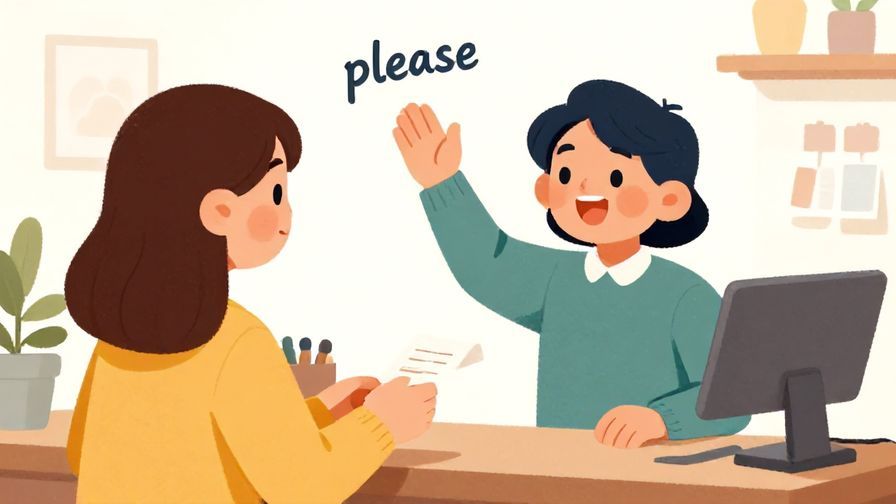
A short, casual, and friendly way to ask.
Using just “お願い” (onegai) is like saying “please!” informally.
Great for quick, casual interactions.
Not too formal but polite enough in relaxed settings.
Easy to say and remember for beginners.
Use it when you want to be cheerful and to the point.
20. レシートある? (Reshīto aru?) – “Is there a receipt?” (very casual)
This is a very casual and brief way to ask if there is a receipt.
“ある” (aru) means “there is,” and the question is casual.
Use it with friends or in informal places.
Not suitable for formal situations but common among locals.
Good to know so you can understand casual speech.
Keep your tone light to avoid sounding rude.
21. レシート出して (Reshīto dashite) – “Give me the receipt.” (casual)

“出して” (dashite) means “put out” or “give.”
This is a direct and casual way to ask for a receipt.
Use only in informal settings with people you know well.
It’s not polite for strangers but common among close friends.
Good phrase for casual everyday use.
Can help you sound more like a native speaker in relaxed contexts.
22. レシートちょーだい (Reshīto chōdai) – “Lemme have a receipt.” (very casual, slangy)
This is a slangy and very casual version of “ちょうだい.”
Often used by young people or friends joking around.
Not suitable for formal situations at all.
Great to understand for casual conversations or street talk.
Shows familiarity and informal tone.
Use carefully and only with close company.
23. レシート頼む (Reshīto tanomu) – “I’m asking for a receipt.” (casual)
“頼む” (tanomu) means “to ask” or “request.”
It’s casual and can sound a bit direct.
Use with friends or in informal shops.
Not polite enough for formal or business use.
Easy to use and shows clear intent.
Good phrase to know for everyday casual Japanese.
24. レシートくれよ (Reshīto kure yo) – “Give me a receipt!” (very casual, rough)

This is a very casual, almost rough way to ask for a receipt.
“くれよ” (kure yo) adds a rough or commanding tone.
Only use with very close friends or in jokes.
Not appropriate in shops or formal situations.
Shows strong familiarity or playful tone.
Good to recognize but avoid using unless you’re sure of the context.
Concluding Thought
Learning how to ask for a receipt in Japanese is a small but handy skill that opens up smoother communication during your travels or daily life in Japan.
With these 24 phrases, you can adapt your language to fit casual, polite, or native-like interactions, making your experience more enjoyable and respectful.
So next time you shop or dine in Japan, confidently ask for your receipt with just the right words—and enjoy the little victories of language learning!