24 Japanese ways to say “I’ll Pay with Cash”
When traveling or living in Japan, knowing how to say “I’ll pay with cash” in different ways can come in handy. Whether you’re at a small shop or a fancy restaurant, a little variety in your phrases makes you sound more natural.
Japanese is a language full of nuance, and choosing the right phrase shows respect, politeness, or just your casual style. It’s fun to explore these options and find what fits your personality.
In this article, we’ll dive into 24 different ways to say “I’ll pay with cash,” from polite to casual and very native-like expressions. Each phrase comes with pronunciation and a simple explanation to help you master it.
Using these expressions will not only boost your confidence but also deepen your connection with Japanese culture. Plus, it’s a great conversation starter!
Learning multiple ways to say something keeps your language skills flexible and interesting. You’ll appreciate the small differences and how context changes what you say.
Ready to expand your Japanese cash-payment vocabulary? Let’s jump in and explore these useful phrases!
Understanding Cash Payments in Japanese Culture
Cash is still king in Japan, so knowing how to express you want to pay with cash is super practical. People often prefer cash over cards, especially in smaller shops or markets.
In Japan, being clear and polite about payment methods is part of smooth interactions. It’s not just what you say but how you say it that counts.
Simple phrases usually work best. You don’t need complicated grammar to get your point across effectively.
Whenever possible, using a handy Japanese phrasebook can make your learning smoother and more consistent.
Try practicing these phrases out loud or with friends, so you feel comfortable using them in real situations.
The more you practice, the more natural these expressions will feel, making your trips or daily life in Japan more enjoyable.
Part 1: Casual Suggestions
1. 現金で払うよ (Genkin de harau yo) – “I’ll pay with cash.”

This is a straightforward, casual way to say you’ll pay with cash. 現金 (Genkin) means “cash,” 払う (harau) means “to pay,” and よ (yo) adds friendliness.
It’s easy to remember and perfect for informal situations like buying snacks or small items. Just say it clearly and with a smile.
Adding よ at the end keeps it light and confident but not pushy.
Keep this phrase in your pocket for everyday use. It’s a solid go-to.
If you want to be even shorter, you can just say 現金で (Genkin de) and it’ll usually get the message across.
Don’t hesitate to practice this phrase next time you’re out shopping; it’s super practical!
2. 現金でお願いします (Genkin de onegaishimasu) – “Cash, please.”

This phrase is polite yet casual, great for most everyday payments. 現金 (Genkin) means “cash,” で (de) is a particle meaning “by/with,” and お願いします (onegaishimasu) means “please.”
Use it when you want to be courteous but not overly formal. It’s useful in cafes, stores, or even with friends who appreciate politeness.
Perfect for beginners, as it’s common and clear.
Remember to say it with a gentle tone to show respect.
You can think of it as “Cash, please!” which is universal and easy to recall.
Practice it often to get comfortable with the rhythm and pronunciation.
3. 現金で払います (Genkin de haraimasu) – “I will pay with cash.”
This is a polite but straightforward statement. 現金 (Genkin) means “cash,” で (de) means “with,” and 払います (haraimasu) is the polite form of “pay.”
It shows you’re serious and respectful, good for formal or semi-formal situations.
The polite ます (masu) ending is great for beginners learning formal speech.
Use it when you want to keep things simple yet polite.
If you’re unsure when to use polite or casual, this phrase is a safe middle ground.
Try using it next time you’re at a restaurant or store where politeness matters.
4. 現金で払うね (Genkin de harau ne) – “I’ll pay with cash, okay?”
Adding ね (ne) at the end makes it sound warm and confirming, like “right?” or “okay?”
It’s casual and friendly, perfect with people you know or in relaxed settings.
ね invites a gentle confirmation and connection with the listener.
This phrase is useful when paying among friends or familiar shopkeepers.
It shows you’re considerate and open to interaction.
Try it when you want to sound approachable and polite but not stiff.
5. 現金で払うから (Genkin de harau kara) – “I’ll pay with cash because…”

This phrase uses から (kara), meaning “because,” to explain or justify paying with cash.
It’s casual and good for explaining your choice, like “I’ll pay with cash because I don’t use cards.”
It’s a great way to practice connecting ideas and sounds natural in conversation.
Use it when you want to add a reason politely.
For beginners, this phrase helps expand conversation skills beyond simple statements.
Try pairing it with reasons you often use cash to sound more fluent.
6. 現金で払っていい? (Genkin de haratte ii?) – “Is it okay if I pay with cash?”

This is a polite question asking permission to pay with cash. 払って (haratte) is the て-form of “pay,” and いい (ii) means “okay.”
It’s perfect for places where you’re unsure if cash is accepted or want to be extra polite.
It shows respect and consideration, great for beginners wanting to be cautious.
Use it in cafes, boutiques, or restaurants where cards might be more common.
Asking permission is always appreciated in Japan and makes you sound thoughtful.
Try this phrase when you want to politely confirm payment method options.
7. 現金で払うつもりです (Genkin de harau tsumori desu) – “I intend to pay with cash.”

つもりです (tsumori desu) means “I intend to,” adding formality and clarity to your statement.
This phrase is polite and useful for clear communication, especially in business or official contexts.
It’s a little longer but enhances your professionalism when needed.
Good for beginners wanting to learn slightly more advanced expressions.
You can use it when making arrangements or confirming payment plans.
Practice this to sound confident and clear about your payment intentions.
8. 現金で支払います (Genkin de shiharai masu) – “I will pay with cash.”

支払います (shiharai masu) is a more formal verb for “to pay.” Using this verb elevates your politeness.
This phrase works well in business, hotels, or formal shops.
It’s perfect for beginners wanting to sound respectful and professional.
Remember the polite ます (masu) ending to keep it courteous.
You can pair it with 現金で (Genkin de) to specify cash payment clearly.
Use it when you want to impress or when formality is required.
Part 2: Polite & Formal Suggestions
9. 現金でお支払いします (Genkin de oshiharai shimasu) – “I will pay with cash.” (Very polite)
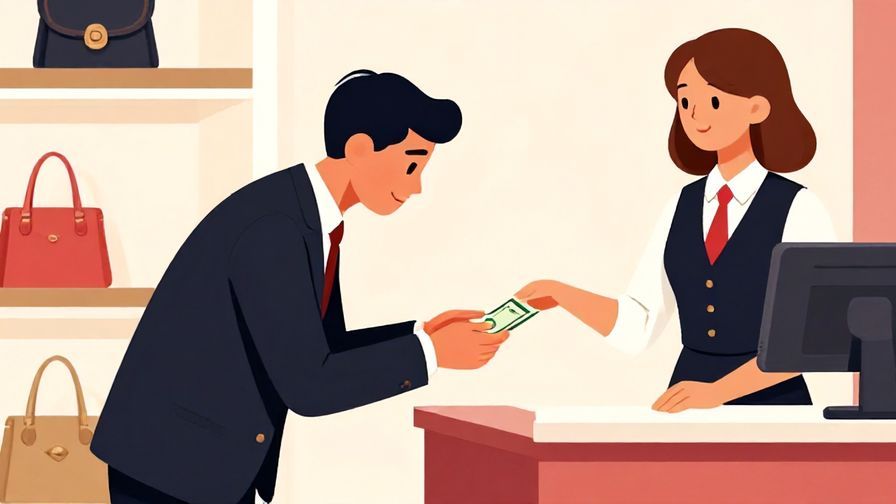
お支払いします (oshiharai shimasu) is the honorific form of “to pay,” making this phrase very polite.
Use this in formal situations like at hotels, official events, or when you want to show extra respect.
It’s a great phrase for beginners aiming to master keigo (respectful language).
Practice pronunciation carefully to sound natural and respectful.
You’ll find this phrase appreciated by service staff in high-end places.
Use it when you want to impress or maintain great manners.
10. 現金で結構です (Genkin de kekkou desu) – “Cash is fine.”
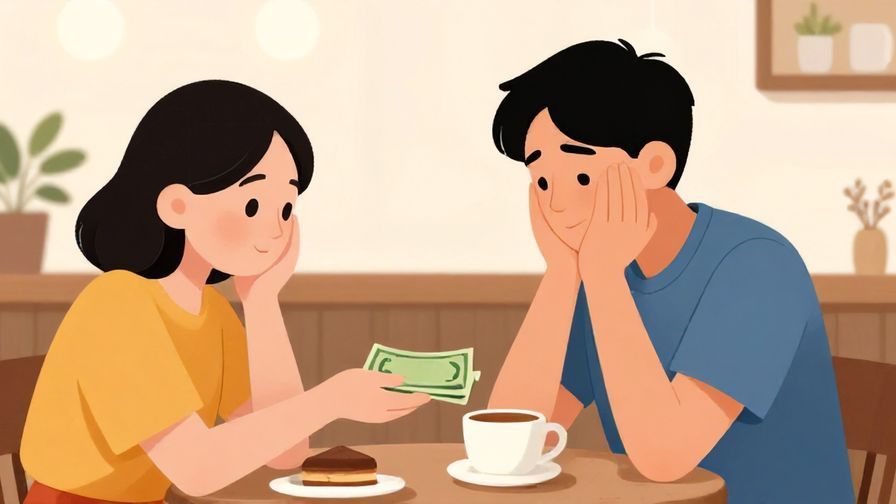
結構です (kekkou desu) means “it’s fine” or “that works.” This phrase politely confirms paying by cash is acceptable.
Great for responding to questions about payment methods with a polite tone.
It’s short, sweet, and formal enough for many situations.
Good for beginners wanting a polite but concise expression.
Use it when you want to accept or confirm cash payment politely.
This phrase shows you’re cooperative and polite without overdoing it.
11. 現金でお願いします (Genkin de onegaishimasu) – “Cash, please.” (Polite)

This is the polite equivalent of “Cash, please,” suitable for most daily interactions.
It’s easy to use and widely understood, perfect for polite but casual environments.
Adding お願いします (onegaishimasu) softens the request pleasantly.
Great for beginners needing a polite phrase that’s not too formal.
Use it in cafes, restaurants, and shops to sound respectful.
Practice this to build confidence in polite requests.
12. 現金でのお支払いでよろしいでしょうか (Genkin de no oshiharai de yoroshii deshou ka) – “Would it be alright to pay with cash?”

This is a very polite and formal way to ask if paying by cash is okay.
Use it in business meetings, formal dinners, or when you want to be extra respectful.
The phrase is longer but shows excellent manners and attention to detail.
Good for advanced beginners or intermediate learners aiming for keigo mastery.
Use it to confirm payment methods politely and avoid misunderstandings.
Practice this phrase to sound professional and polished.
13. 現金でお支払いさせていただきます (Genkin de oshiharai sasete itadakimasu) – “Allow me to pay with cash.”
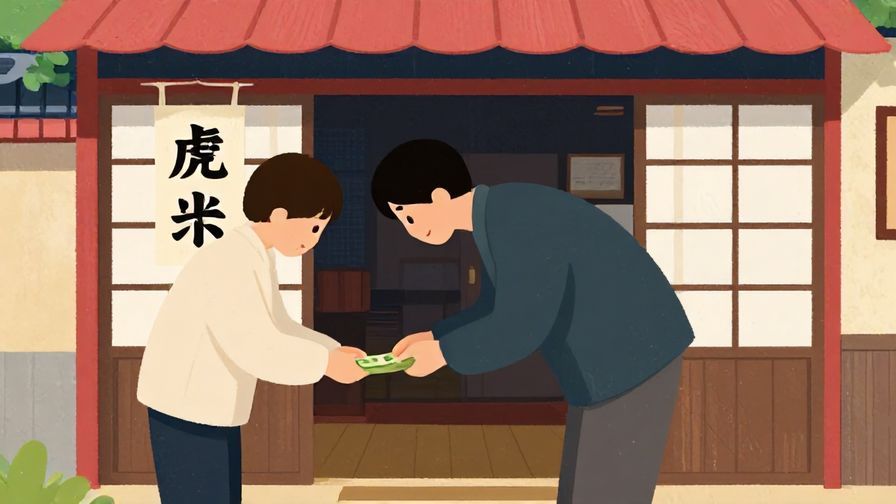
This phrase uses humble language to politely say you will pay with cash.
It’s perfect for formal occasions or when addressing superiors.
Beginners can learn this to understand humble keigo forms better.
The phrase expresses respect both for the act and the person receiving payment.
Try this in formal business or ceremonial contexts.
It’s a great phrase to show thoughtfulness and humility.
14. 現金払いで結構です (Genkin barai de kekkou desu) – “Cash payment is fine.”
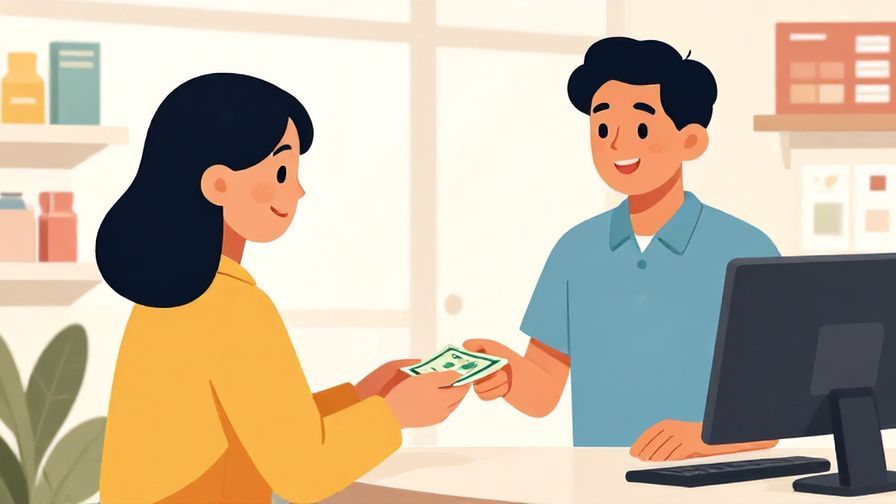
現金払い (Genkin barai) means “cash payment,” which sounds slightly more formal than 現金で払う.
結構です (kekkou desu) means “that’s fine,” making the phrase polite and agreeable.
This phrase works well in polite conversations confirming payment methods.
It’s easy to remember and sounds professional enough for many settings.
Good for learners who want to sound polite but not too formal.
Use it when confirming or agreeing to pay by cash politely.
15. 現金払いでお願いいたします (Genkin barai de onegai itashimasu) – “Please accept payment in cash.”
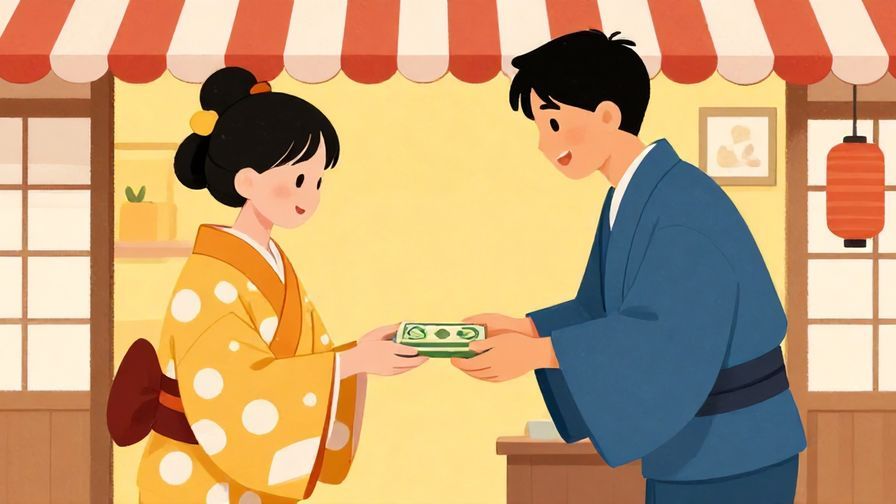
Onegai itashimasu is a very polite way to say “please,” often used in business or formal settings.
Pairing it with 現金払い (Genkin barai) makes the phrase very polite and respectful.
Good for situations where you want to show humility and respect.
Great for beginners aiming to improve formal speech skills.
This phrase is perfect for polite emails or formal requests.
Use it to impress with your politeness and professionalism.
16. 現金でのお支払いを希望します (Genkin de no oshiharai o kibou shimasu) – “I wish to pay with cash.”

希望します (kibou shimasu) means “I wish” or “I hope,” making the phrase polite and formal.
Use it when making a formal request or stating your preference clearly.
It’s an excellent phrase for business or administrative contexts.
Beginners can learn this phrase to express wishes politely.
Try this when you want to be clear and respectful about payment preferences.
It helps to sound considerate and professional.
Part 3: Very Casual / Native-like Expressions
17. 現金で払うわ (Genkin de harau wa) – “I’ll pay with cash.” (Casual, female)

Adding わ (wa) at the end adds a feminine, soft tone, casual and friendly.
It’s often used by women in informal settings.
Great for learners wanting to sound more natural and gender-appropriate.
Use it among friends or family for a relaxed vibe.
It’s less common for men, so be mindful of the context.
Try this phrase to add personality to your casual speech.
18. 現金で払うぜ (Genkin de harau ze) – “I’ll pay with cash.” (Casual, male)

ぜ (ze) adds a masculine, informal emphasis, often used by men.
It’s casual, bold, and a bit rough around the edges.
Great for learners wanting to sound more native and relaxed among male friends.
Use it carefully, as it can sound too rough in formal contexts.
Practice with friends to get the tone right.
This phrase adds a cool, confident vibe when paying with cash.
19. 現金で払うっす (Genkin de harau ssu) – “I’ll pay with cash.” (Very casual)

っす (ssu) is a casual contraction of です (desu), very informal and common among young people.
Use it with close friends or in casual conversations.
It’s easy to say and sounds very natural in relaxed settings.
Good for learners who want to sound like locals in informal speech.
Not suitable for formal or polite environments.
Try it when chatting casually about payment plans or outings.
20. 現金で払うってば (Genkin de harau tte ba) – “I’ll pay with cash, I’m telling you!”
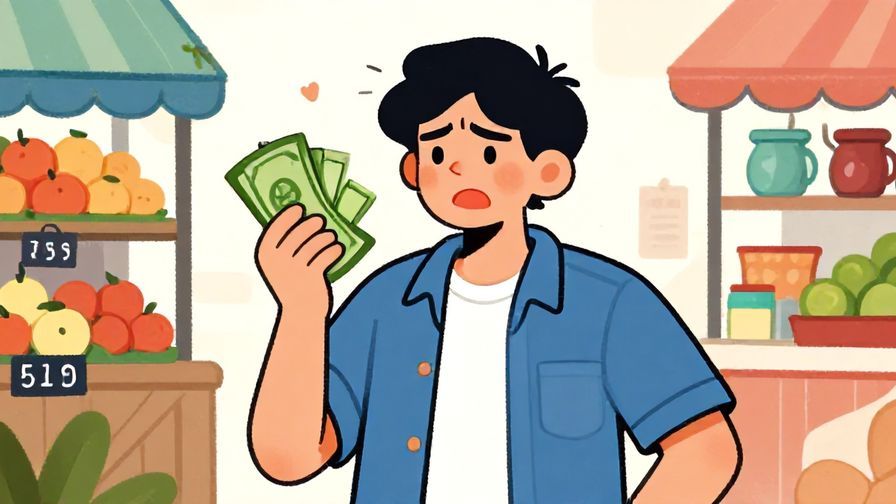
ってば (tte ba) adds emphasis and a slightly exasperated or playful tone, like “I’m telling you!”
Great for casual conversations when you want to stress your point humorously.
It shows personality and a native-like feel.
Good for learners who want to add emotion to speech.
Use it with friends who understand your tone well.
This phrase makes your speech lively and expressive.
21. 現金で払うんだよ (Genkin de harau n da yo) – “I’m paying with cash, you know.”

んだよ (n da yo) adds explanation or emphasis, like “you know.”
It’s common in casual speech to explain or clarify.
Great for learners wanting to sound natural and friendly.
Use it when you want to add a little extra warmth or explanation.
It makes your statement more engaging.
Try this phrase to deepen your conversational skills.
22. 現金で払うからさ (Genkin de harau kara sa) – “I’ll pay with cash, you see.”

からさ (kara sa) adds a casual explanatory tone, similar to “you see” or “because.”
It’s casual, common among friends or informal conversations.
Good for learners who want to add conversational fillers naturally.
Use it when giving reasons or softening statements.
It makes your speech flow more like a native’s.
Try it for casual chats about paying or making plans.
23. 現金で払っとくよ (Genkin de harattoku yo) – “I’ll pay with cash in advance.”

払っとく (harattoku) is a contraction of 払っておく (haratte oku), meaning “to pay in advance” or “take care of payment.”
It’s very casual and handy when you want to say you’ll handle the cash payment beforehand.
Great for learners wanting to sound natural and helpful.
Use it among friends or informal groups.
The ending よ (yo) adds friendliness and emphasis.
Try this phrase when you want to sound proactive and casual.
24. 現金で払うしかないね (Genkin de harau shika nai ne) – “We have no choice but to pay with cash.”

しかない (shika nai) means “there’s no choice but,” making this phrase casual and a bit resigned.
It’s great for conversational, native-like speech when cash payment feels like the only option.
Good for learners wanting to understand natural expressions of necessity.
Use it in informal talks with friends or colleagues.
It adds a touch of realism and humor to conversations about payment.
Try this phrase to sound like a native when discussing payment options.
Concluding Thought
Exploring these 24 different ways to say “I’ll pay with cash” in Japanese offers you a rich toolkit for many social situations. From casual to ultra-polite forms, you can match your speech to the moment perfectly.
Remember, language is about connection and respect, and these phrases help you communicate clearly while showing your awareness of Japanese culture. The more you practice, the more natural it feels.
So go ahead, try out these phrases, and enjoy your Japanese language journey with confidence and fun!