24 Japanese ways to say “This Is Delicious”
Food is one of the best ways to connect across cultures, and in Japan, there are so many warm ways to say “This is delicious.”
Whether you’re dining with friends or enjoying a quiet meal, expressing delight in what you eat adds magic to the moment.
Japanese offers a rich palette of expressions to suit every occasion and feeling, from casual to formal and everything in between.
Learning these phrases not only spices up your language skills but also deepens your appreciation for Japanese culture and hospitality.
Plus, knowing how to compliment food gracefully can make your experiences in Japan even more memorable.
Ready to dive into 24 wonderful ways to say “This is delicious” in Japanese? Let’s get started!
Basic Expressions to Get You Started
Jumping into Japanese food compliments is easier than you think.
These foundational phrases are straightforward and will help you sound natural right away. They’re perfect for beginners eager to express their enjoyment simply and sincerely.
Mastering these basics sets the tone for more colorful and nuanced expressions later.
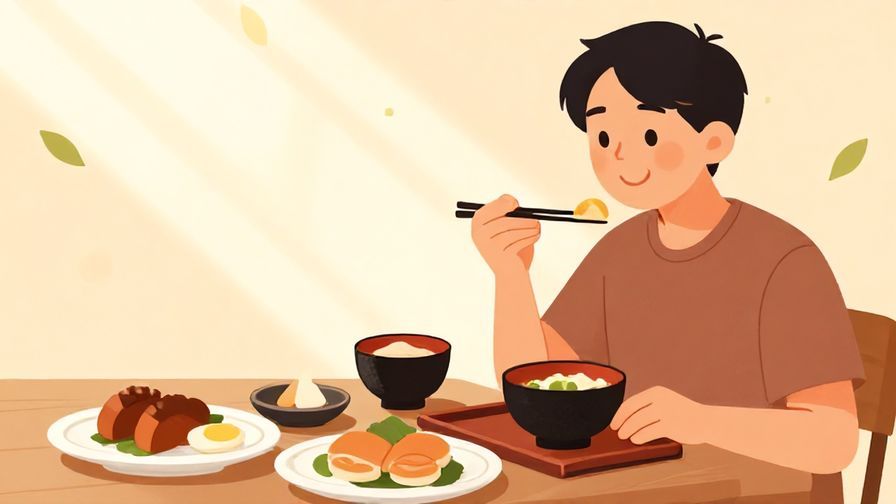
Sometimes, using a great beginner phrasebook can give you a perfect starting point for a cohesive understanding.
With a little practice, you’ll easily remember these phrases and recognize when to use them.
They’re quick to say and always appreciated by those you’re sharing a meal with.
Part 1: Casual Suggestions
1. おいしい! (Oishii!) – “Delicious!”

This is the most common and simple way to say “This is delicious.”
It’s short, easy to remember, and perfect for casual settings. Just say “Oishii!” (oh-ee-shee) when you taste something tasty.
It works for anything—from snacks to full meals.
Saying it with a smile adds extra warmth.
You might hear “Oishikatta” to describe something that was delicious in the past.
Use “Oishii!” confidently anytime you want to share your delight in food.
2. うまい! (Umai!) – “Tasty!”

“Umai!” (oo-my) is another casual, enthusiastic way to say “This is delicious.”
It’s often used by men or in informal settings, especially when something tastes really good.
It’s great for showing excitement and appreciation.
Be mindful it’s more casual than “Oishii.”
It’s popular in friend groups or at casual eateries.
Try it to sound a bit more native and lively!
3. めっちゃおいしい! (Meccha oishii!) – “Super delicious!”

This phrase adds extra emphasis by combining “meccha,” a Kansai dialect word meaning “very” or “super,” with “oishii.”
Say “Meccha oishii!” (mech-cha oh-ee-shee) to express that something is extremely delicious.
It’s a great way to show genuine excitement and delight.
Perfect for informal chats with friends or family.
It’s a fun way to sound more casual and regional if you want to try Kansai-style expressions.
Use it when you want to really hype up your meal!
4. 最高! (Saikou!) – “The best!”

“Saikou!” (sigh-koh) literally means “the best!”
Use it to say that the food is not just delicious but top-notch.
It’s very casual and enthusiastic.
Great for desserts or any meal that truly impresses you.
It’s short and impactful, so easy to remember.
Pair it with a big smile for maximum effect!
5. いい味! (Ii aji!) – “Good flavor!”

“Ii aji!” (ee ah-jee) means “Good flavor.”
It’s a nice way to compliment the taste specifically.
Works well when you want to be a bit more descriptive but still casual.
It’s less common than “Oishii” but appreciated for its nuance.
Good to use when talking about balanced or well-seasoned dishes.
Try adding it to your compliments for variety!
6. めちゃうま! (Mecha uma!) – “Super tasty!”

“Mecha uma!” (meh-cha oo-ma) is a super casual phrase combining “mecha” (very) and “uma” (short form of “umai”).
Use it to say something is super tasty or delicious.
Great for casual conversations and younger speakers.
It’s informal, so best among friends.
Similar to “meccha oishii,” it adds energy to your praise.
Try it to sound lively and hip.
7. たまらない! (Tamarana i!) – “Irresistible!”

“Tamarana i!” (ta-ma-ra-na-ee) expresses that something is so delicious it’s irresistible.
It conveys strong emotion and enjoyment.
Perfect for dishes that truly blow you away.
It’s a bit more dramatic than simple “oishii.”
Use it to show your deep appreciation.
It often implies craving or longing for more.
8. いいね! (Ii ne!) – “Nice!”

“Ii ne!” (ee neh) means “Nice!” and can be used to compliment food casually.
It’s less direct than “oishii” but still positive and warm.
Good for casual chats and social meals.
It can also express approval of the whole dining experience.
Simple and versatile for everyday use.
Try it when you want to keep the mood light and friendly.
Part 2: Polite & Formal Suggestions
9. とてもおいしいです。 (Totemo oishii desu.) – “It is very delicious.”

This is the polite version of “very delicious.”
Use “Totemo oishii desu” (toh-teh-moh oh-ee-shee dess) when speaking to someone you want to show respect to.
It works well in restaurants or formal settings.
It’s straightforward and clear.
You can also add “arigatou gozaimasu” after to thank the chef or host.
Perfect for business dinners or meeting new people.
10. 美味しくいただきました。 (Oishiku itadakimashita.) – “I ate deliciously.”

This phrase is a polite way to say you enjoyed your meal.
It literally means “I received (ate) deliciously.”
Use it after finishing a meal to express gratitude.
It’s very respectful and humble.
Common in formal meals or when thanking a host.
A great phrase to show good manners.
11. とても美味しかったです。 (Totemo oishikatta desu.) – “It was very delicious.”

This is the past tense polite form of “very delicious.”
Use “Totemo oishikatta desu” (toh-teh-moh oh-ee-shee-kaht-tah dess) to compliment the meal after eating.
It’s polite and shows sincere appreciation.
Perfect for thanking someone after a home-cooked meal or restaurant visit.
It’s a natural phrase that fits many occasions.
Try it to sound courteous and thoughtful.
12. ごちそうさまでした。 (Gochisousama deshita.) – “Thank you for the meal.”
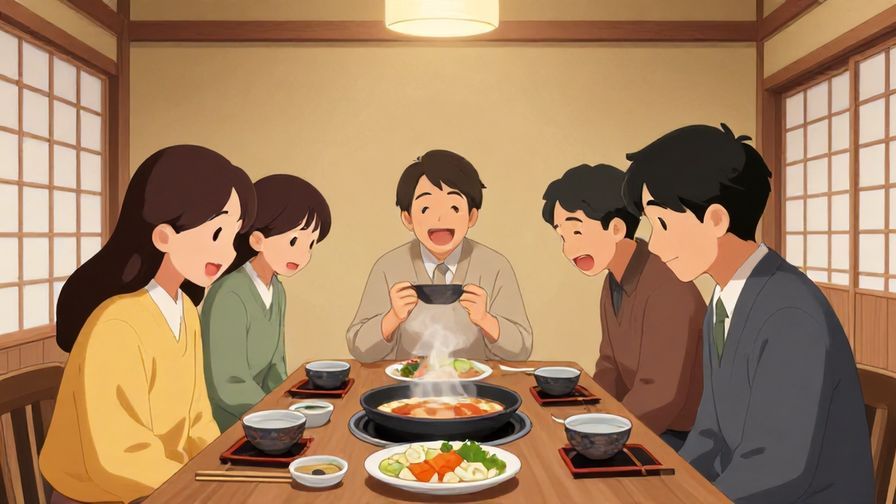
Though not exactly “this is delicious,” this phrase is essential in polite Japanese dining culture.
Say “Gochisousama deshita” (go-chee-soh-sah-mah dess-ee-tah) after finishing a meal to thank the cook.
It expresses gratitude for the delicious food.
Used widely in both casual and formal settings.
It’s a must-know phrase for respectful eating.
Pair it with a smile to complete your compliment.
13. 素晴らしい味です。 (Subarashii aji desu.) – “It’s a wonderful flavor.”

This phrase expresses admiration for the flavor in a polite way.
“Subarashii” means wonderful, and “aji” means flavor.
Use “Subarashii aji desu” (soo-bah-rah-shee ah-jee dess) to compliment food elegantly.
It’s suitable for formal or semi-formal occasions.
Great when you want to sound refined and appreciative.
Try this to impress your host or chef.
14. 本当に美味しいです。 (Hontou ni oishii desu.) – “It is truly delicious.”

“Hontou ni” means truly or really, adding sincerity to your praise.
Say “Hontou ni oishii desu” (hon-toh-nee oh-ee-shee dess) to emphasize genuine delight.
It’s polite and heartfelt.
Well-suited for formal conversations.
It’s a versatile phrase to deepen your compliment.
Use it whenever you want to express honest enjoyment.
15. 風味が豊かです。 (Fūmi ga yutaka desu.) – “The flavor is rich.”

“Fūmi” means flavor, and “yutaka” means rich or abundant.
Use “Fūmi ga yutaka desu” (foo-mee gah yoo-tah-kah dess) to compliment the depth of flavor.
It’s a polite and descriptive phrase.
Great for gourmet or complex dishes.
You’ll sound knowledgeable and appreciative.
Try this for an elegant compliment.
16. とても満足しました。 (Totemo manzoku shimashita.) – “I am very satisfied.”

This phrase expresses full satisfaction with the meal.
“Manzoku” means satisfaction, and “shimashita” is past tense polite.
Say “Totemo manzoku shimashita” (toh-teh-moh mahn-zoh-koo shee-mah-shee-tah) to politely praise the meal.
It’s a respectful way to show your meal hit the spot.
Good for formal or semi-formal settings.
It rounds out your compliments nicely.
Part 3: Very Casual / Native-like Expressions
17. うまっ! (Uma!) – “Yummy!”

“Uma!” (oo-ma) is the super casual short form of “umai.”
It’s often used by young people or among friends to say something is yummy.
It’s quick, fun, and expressive.
Perfect for casual situations and street food.
Try it for a very natural, native-like vibe.
Just be mindful it’s informal!
18. めっちゃうまい! (Meccha umai!) – “Super tasty!”

This phrase cranks up the casual enthusiasm with Kansai dialect flavor.
“Meccha” means very, and “umai” means tasty.
Say “Meccha umai!” (mech-cha oo-ma-ee) to sound like a local having fun.
Great for casual dining or street food.
It’s fun to say and easy to remember.
Use it to show your excitement authentically.
19. やばい、うまい! (Yabai, umai!) – “Wow, delicious!”

“Yabai” is a slang word meaning “wow” or “awesome,” combined with “umai” for “tasty.”
Say “Yabai, umai!” (yah-bye oo-ma-ee) to express strong delight.
It’s very casual and common among younger Japanese.
Use it in informal settings or among friends.
It adds a cool, spontaneous vibe to your compliments.
Try it when you want to sound trendy and excited.
20. これ、やばすぎ! (Kore, yabasugi!) – “This is insanely good!”

“Yabasugi” means “too amazing” or “insanely good.”
Say “Kore, yabasugi!” (koh-reh yah-bah-soo-gee) to express extreme deliciousness.
It’s playful and very casual.
Use it when you’re blown away by the taste.
It’s great for informal conversations.
Perfect for adding energy to your praise.
21. パンチある味! (Panchi aru aji!) – “A punchy flavor!”

This phrase means the flavor packs a punch.
“Panchi” is borrowed from English “punch,” and “aru aji” means “there is flavor.”
Say “Panchi aru aji!” (pahn-chee ah-roo ah-jee) for bold, impactful food.
It’s casual and fun.
Great for spicy or strongly flavored dishes.
It adds flair to your food compliments.
22. 最高にうまい! (Saikou ni umai!) – “The best ever!”

“Saikou ni umai” means “the best tasting.”
It’s casual but enthusiastic.
Say it to express peak deliciousness in a fun way.
It’s perfect among friends or family.
Use it to celebrate a meal that really hits the spot.
It’s lively and memorable.
23. もう一杯食べたい! (Mou ippai tabetai!) – “I want to eat another serving!”

This phrase expresses that the food is so delicious you want more.
“Mou ippai” means “one more serving,” and “tabetai” means “want to eat.”
It’s playful and shows genuine enjoyment.
Good for informal settings and friendly meals.
It’s a natural way to compliment by showing desire for seconds.
Try it to sound warm and enthusiastic.
24. おかわり! (Okawari!) – “Refill, please!”

“Okawari!” (oh-kah-wah-ree) means “refill” and is shouted or said when you want more food or drink.
It’s very casual and common at home or casual restaurants.
Using it shows you loved the food enough to ask for seconds.
It’s a fun and direct way to express deliciousness.
Try it when you want to be playful and informal.
It’s a simple yet powerful compliment!
Concluding Thought
Exploring these 24 ways to say “This is delicious” opens up a whole new world of flavor-filled expression in Japanese.
From basic phrases to lively slang and polite compliments, you can now match your words to any dining situation with confidence and warmth.
So next time you savor a meal, remember these phrases to share your joy and connect with others over the universal language of delicious food!