24 Japanese ways to say “I’m Thirsty”
Feeling thirsty is universal, right? But how do you say “I’m thirsty” in Japanese in all sorts of ways? Whether you’re chatting with friends, ordering drinks, or just sharing how you feel, there’s a phrase for every mood.
In this list, we’ll explore 24 different ways to say “I’m thirsty” in Japanese. Some are casual, some polite, and a few are super natural expressions you’ll hear from natives.
Each phrase comes with pronunciation guides and little tips to help you remember and use them effortlessly.
Imagine confidently telling someone you need a drink in Japanese, no matter the situation. That’s the vibe we’re going for here!
Plus, learning these phrases will boost your conversational skills and help you sound more natural.
Ready to quench your Japanese thirst? Let’s dive in!
Starting Out: Basic and Casual Ways to Say “I’m Thirsty”
When you’re just beginning, simple and straightforward phrases are your best friend.
These expressions are easy to remember and perfect for everyday use, whether you’re with friends or family.
Learning a few basics first helps you stay comfortable and clear in conversations.

Sometimes, using a great beginner phrasebook can give you a perfect starting point for a cohesive understanding.
These easy phrases form the foundation of your Japanese thirst expressions.
Practice them often, and you’ll be ready for more complex phrases in no time.
Part 1: Casual Suggestions
1. のどが渇いた (Nodo ga kawaita) – “I’m thirsty.”
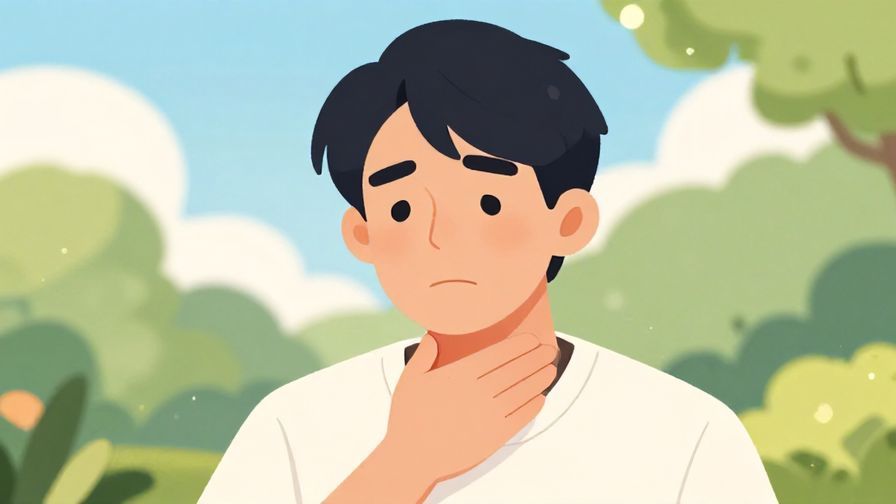
This is the most common and straightforward way to say “I’m thirsty.”
“のど (Nodo)” means “throat,” “が (ga)” is the subject marker, and “渇いた (kawaita)” means “dry.” Put it together, and it literally means “My throat is dry.”
It’s casual and perfect for friends or family.
Use it when you want to express thirst simply and clearly.
Related phrase: “のどがかわきました (Nodo ga kawakimashita)” is the polite past tense version.
Master this phrase first—it’s the base for many other expressions.
2. 喉がカラカラだよ (Nodo ga karakara da yo) – “My throat is super dry!”

This one adds a bit more emphasis and feeling to your thirst.
“カラカラ (karakara)” is an onomatopoeic word meaning “bone dry” or “parched.” The “だよ (da yo)” ending makes it casual and expressive.
Great for when you really want a drink and want to sound natural.
Keep in mind it’s informal, so save it for friends or peers.
Try saying it after a long exercise or hot day—it fits perfectly!
It’s a fun way to show urgency without sounding too formal.
3. 水が欲しい (Mizu ga hoshii) – “I want water.”
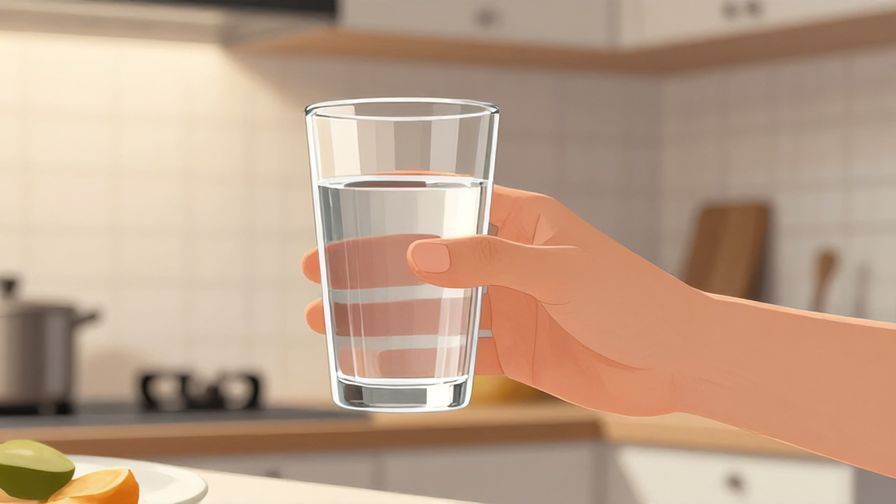
If you want to be a bit more direct, this phrase works perfectly.
“水 (Mizu)” means “water,” “が (ga)” is the subject marker, and “欲しい (hoshii)” means “want.”
This phrase straightforwardly says “I want water,” which implies you’re thirsty.
It’s casual but polite enough for most situations.
You can use this to order or request water in restaurants or at home.
It’s easy to remember and super practical!
4. 飲みたい (Nomitai) – “I want to drink.”

This is a quick and casual way to say you want to drink something.
“飲みたい (Nomitai)” comes from the verb “飲む (nomu)” meaning “to drink,” plus “たい (tai),” which expresses desire.
It’s useful when you don’t specify what you want but want a drink.
Great for informal conversations and when you’re feeling thirsty.
Remember, it’s casual, so use it with friends or family.
It’s also often followed by a drink name, like “水が飲みたい” (I want to drink water).
5. 喉が渇いてる (Nodo ga kawaite ru) – “My throat is dry.”
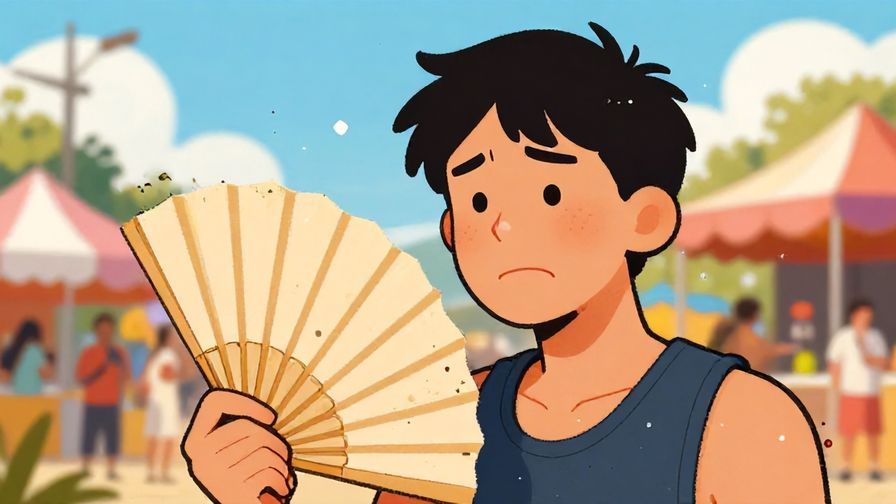
A slightly more casual way to say “のどが渇いた” with a continuous tense nuance.
“渇いてる (kawaite ru)” is a contraction of “渇いている,” indicating the state of being thirsty now.
This phrase feels natural and conversational.
It’s perfect when you want to express current thirst in a relaxed setting.
Can be used with friends or in informal chats.
Try to notice how natives use this in daily life for smoother speaking.
6. 喉が乾いたなぁ (Nodo ga kawaita naa) – “I’m thirsty, huh.”

The “なぁ (naa)” ending adds a casual, slightly reflective tone.
This phrase feels like you’re sharing your thirst more softly or casually.
It’s great for relaxed conversations or when speaking to close friends.
Remember, “なぁ” adds warmth and a bit of emotion.
You can use it to sound more natural and less blunt.
It’s a small word that makes a big difference in tone.
7. 喉がカラカラだな (Nodo ga karakara da na) – “I’m really parched, huh.”
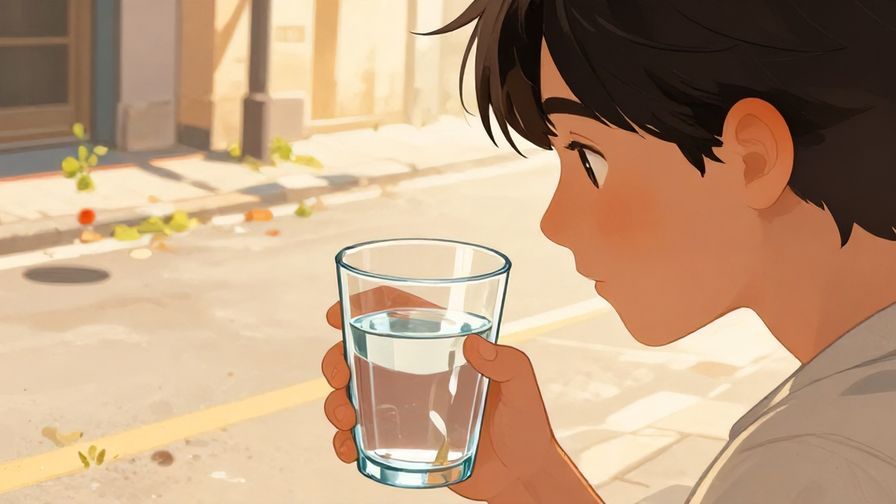
Similar to #2 but with a softer, more personal ending “な (na).”
It shows you’re commenting on your thirst with some feeling.
Great for informal chats or when you want to express stronger thirst with nuance.
“な” gives a sense of shared feeling or reflection.
Use it when you want to sound a bit more natural and emotional.
It’s a small tweak that makes you sound more native-like.
8. 水分補給したい (Suibun hokyū shitai) – “I want to hydrate.”

This phrase is a bit more specific and a little formal.
“水分 (Suibun)” means “fluids,” “補給 (hokyū)” means “supply or replenish,” and “したい (shitai)” means “want to do.”
It’s a great phrase for sports, health, or when talking about hydration thoughtfully.
While casual enough for many settings, it’s a bit more precise than just “thirsty.”
Use it when you want to sound a bit educated or health-conscious.
Perfect for gym chats or wellness conversations.
Part 2: Polite & Formal Suggestions
9. のどが渇きました (Nodo ga kawakimashita) – “I’m thirsty.” (polite)

This is the polite past tense of “のどが渇く,” commonly used in formal or respectful settings.
“ました (mashita)” makes it polite and appropriate for strangers, coworkers, or elders.
It’s simple and clear, perfect for restaurants or formal conversations.
Using polite forms shows respect and good manners.
It’s a must-know for anyone interacting beyond casual circles.
Pair it with a smile, and you’ll sound perfectly courteous.
10. お水をいただけますか? (O-mizu o itadakemasu ka?) – “May I have some water?”

This is a very polite and respectful way to ask for water.
“お水 (O-mizu)” is the polite form of water, “いただけますか (itadakemasu ka?)” is a humble and polite “may I receive?”
Perfect for formal dining or when you want to be extra courteous.
Using “お” prefix and “いただく” verb adds politeness.
It’s a great phrase to impress in restaurants or business meals.
Try it next time you want to sound very polite and refined.
11. 喉が渇いております (Nodo ga kawaite orimasu) – “I am thirsty.” (very polite)

This is an extremely polite and humble way to say “I’m thirsty.”
“おります (orimasu)” is a humble form of “います,” making it very respectful.
Great for business or formal occasions where humility is key.
It sounds elegant but may be too formal for casual use.
Use it when you want to be very respectful or in official contexts.
It’s a phrase that shows your mastery of polite Japanese.
12. お水をいただけますでしょうか? (O-mizu o itadakemasu deshou ka?) – “Would it be possible to have some water?”

This phrase adds a layer of softness and politeness to your request.
“でしょうか” makes the question more indirect and respectful.
Ideal for formal restaurants or when speaking to people you don’t know well.
It’s a perfect balance between respect and naturalness.
Try it to sound very polite without being stiff.
Great for mastering polite requests in Japanese.
13. のどが渇いておりますので、お水をいただけますか? (Nodo ga kawaite orimasu node, o-mizu o itadakemasu ka?) – “I’m thirsty, so may I have some water?”

This combines a polite explanation with a respectful request.
“ので (node)” means “because,” linking your thirst to the request.
Use this to politely explain why you want water.
It’s useful in formal or business contexts where explanations are appreciated.
This phrase shows both good manners and clear communication.
Perfect for situations requiring tact and politeness.
14. お疲れ様です。喉が渇きました。 (Otsukaresama desu. Nodo ga kawakimashita.) – “Thank you for your hard work. I’m thirsty.”

“お疲れ様です (Otsukaresama desu)” is a polite greeting used after work or effort.
Adding this before “喉が渇きました” softens your statement and shows politeness.
Great for coworkers or formal friends after a long day.
This phrase combines etiquette with natural expression.
It’s a nice way to bond while admitting thirst politely.
Try it in workplace or group settings for friendly politeness.
15. お水をお願いしてもよろしいでしょうか? (O-mizu o onegai shite mo yoroshii deshou ka?) – “Would it be alright if I asked for some water?”

This is a very polite and careful way to ask for water.
“お願いしてもよろしいでしょうか” is an indirect request phrase.
Perfect for formal occasions or when you want to be extremely polite.
It’s a phrase that shows humility and respect.
Use it to politely ask in delicate or important situations.
It’s a great phrase to add to your polite Japanese toolkit.
16. お水を頂戴できますか? (O-mizu o chōdai dekimasu ka?) – “May I receive some water?” (polite)
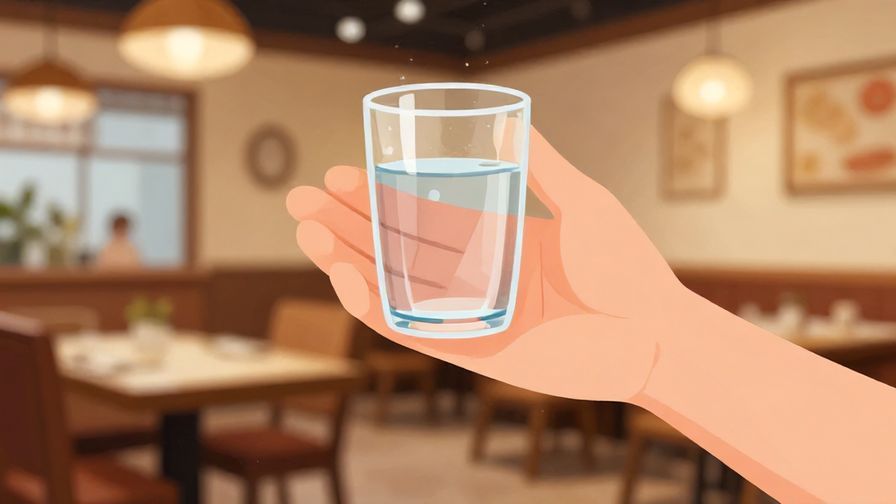
“頂戴 (chōdai)” is another polite way to say “receive.”
This phrase is respectful but slightly more casual than “いただけますか.”
Useful for polite but not overly formal requests.
Great for polite conversations with acquaintances or service staff.
Try it when you want to sound courteous but natural.
It adds variety to your polite expressions.
Part 3: Very Casual / Native-like Expressions
17. ちょっと喉が渇いた (Chotto nodo ga kawaita) – “I’m a bit thirsty.”

“ちょっと (chotto)” means “a little” or “a bit,” softening the statement.
This phrase is casual and often used among friends.
It’s a relaxed way to mention you’re thirsty without urgency.
Perfect for everyday conversation.
Using “ちょっと” makes your speech sound more native-like and natural.
Great for practicing casual tone and flow.
18. 喉乾いたわ (Nodo kawaita wa) – “I’m thirsty.” (female casual)

“わ (wa)” is a sentence-ending particle often used by women to soften or add warmth.
This phrase is casual and feminine.
Use it when you want to sound friendly and natural.
It’s common among younger speakers or close friends.
Try this to add personality to your Japanese.
It’s a subtle way to show your style and tone.
19. 喉がカラカラっす (Nodo ga karakara ssu) – “I’m really thirsty” (male casual, slang)

“っす (ssu)” is a casual/slangy ending often used by young men.
This phrase sounds very informal and friendly.
Use it only with close friends or peers.
It’s a fun, relaxed way to express strong thirst.
Try it to sound more native and casual in male speech.
Use with care—it’s very informal!
20. 水くれ (Mizu kure) – “Give me water.” (very casual, rough)
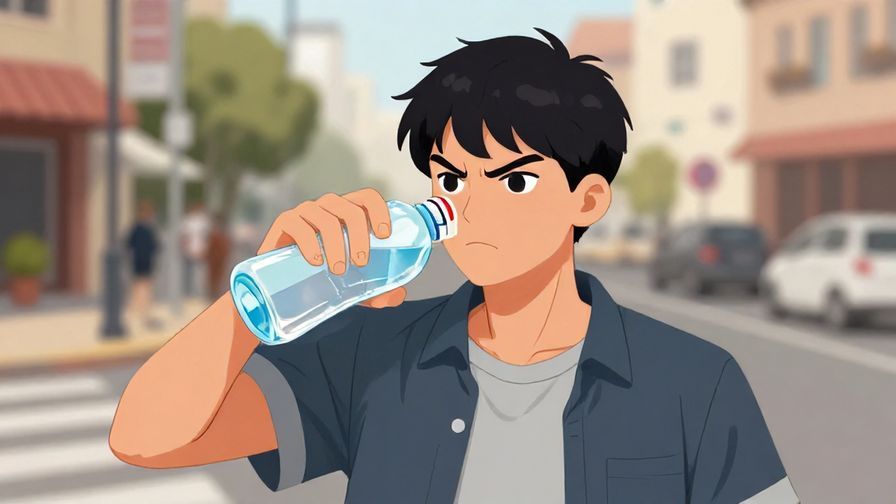
This is a very direct and rough way to ask for water.
“くれ (kure)” is an imperative form meaning “give me.”
Only use this with close friends in very casual or joking contexts.
It’s not polite and can sound rude if used incorrectly.
Good to know for understanding slang or casual speech.
Be cautious and observe context before using.
21. 水ちょうだい (Mizu choudai) – “Water, please.” (casual)
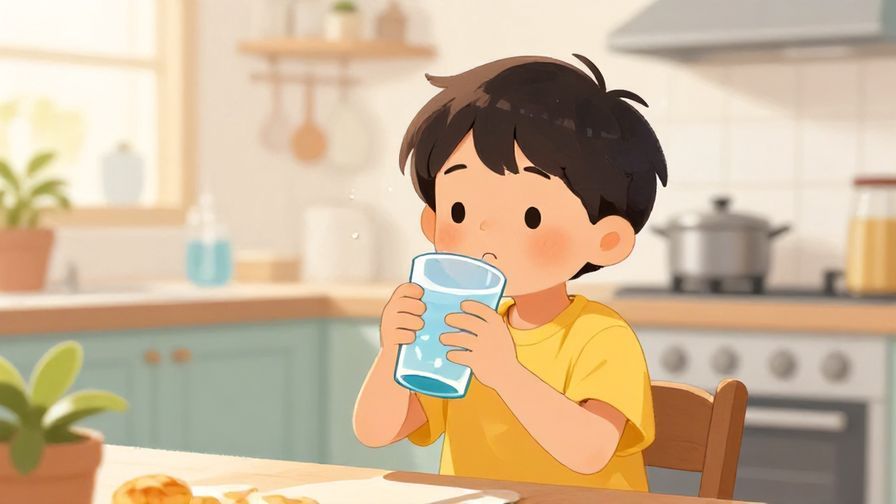
“ちょうだい (choudai)” is a casual, cute way to say “please give me.”
Often used by children or close friends.
It’s less formal than “ください (kudasai)” but still polite enough in informal settings.
Great for casual, friendly requests.
Try it to sound sweet and natural among friends or family.
It’s a handy phrase for daily life.
22. 水を飲みたいな (Mizu o nomitai na) – “I want to drink some water, huh.”
Adding “な (na)” at the end makes the statement a bit reflective or casual.
This phrase sounds natural and conversational.
It’s great to express a mild desire casually.
Use it with friends or in relaxed conversations.
“な” adds a warm, personal touch.
Practice this for more fluid, native-like speech.
23. 水飲みたいんだけど (Mizu nomitai n da kedo) – “I want to drink water, but…”

“んだけど (n da kedo)” adds a soft hesitation or indirectness.
This phrase sounds casual and a bit shy or polite in a relaxed context.
It’s great when you want to hint at thirst without demanding.
Use it with friends or family to sound natural and polite.
It’s a subtle and useful conversational tool.
Try it to sound more nuanced and fluent.
24. 喉カラッカラ!(Nodo karakkara!) – “Super thirsty!”

This is a playful, exaggerated way to say you’re extremely thirsty.
“カラッカラ (karakkara)” is a stronger version of “カラカラ,” emphasizing dryness.
Great for fun, casual conversations or joking with friends.
It’s informal and very expressive.
Use it to add humor and personality to your speech.
Perfect for lighthearted moments!
Concluding Thought
Exploring all these ways to say “I’m thirsty” in Japanese shows you how rich and expressive the language can be, even for simple feelings.
From polite requests to casual slang, each phrase fits a different moment or mood, helping you connect better with people.
Keep practicing these, and you’ll sound more natural and confident every time you need to quench your thirst in Japanese!