24 Japanese ways to say “Please Teach Me Japanese”
Learning Japanese is a beautiful journey, and sometimes you just want to say “Please teach me Japanese” in as many ways as possible.
Whether you’re asking a friend, a teacher, or a new acquaintance, tone and context matter a lot. It’s nice to have a warm, casual way and a polite formal way ready to go.
Today, I’ll share 24 different ways to say “Please teach me Japanese,” from polite to casual, and even native-like expressions you’ll hear around town.
These phrases will help you connect with Japanese speakers in a more natural and relatable way. Plus, it’s a fun way to boost your language skills and confidence!
Ready to dive in? Keep these handy, and you’ll be one step closer to mastering the art of asking for help in Japanese.
Let’s get started and embrace every moment of learning with these warm, easy-to-use expressions.
Getting Started: Why Variety Matters
Asking “please teach me Japanese” isn’t just about the words you say; it’s about the vibe you give off. Using different phrases helps you fit into various social settings smoothly.
Some expressions are super polite, perfect for teachers or strangers. Others are casual or even playful, great for friends or language exchange partners.
Mixing them up not only shows your growing knowledge but also your respect for Japanese culture.

Sometimes, using a great beginner phrasebook can give you a perfect starting point for a cohesive understanding.
It’s okay to start simple and grow your expressions as you feel more comfortable.
These phrases will serve as building blocks for your Japanese conversations.
Part 1: Casual Suggestions
1. 教えてくれる? (Oshiete kureru?) – “Will you teach me?”

This is a simple, casual way to ask someone to teach you something.
“Oshiete” means “teach me,” and “kureru” implies the other person doing you a favor. Together, it feels friendly but not too formal, perfect for peers.
Use it with friends or classmates to sound approachable and polite without being stiff.
It’s a phrase that opens doors for friendly learning moments.
You might also hear “oshiete kudasai” for a more polite twist.
Try it next time you want to casually ask your study buddy for help!
2. 日本語を教えてほしい (Nihongo o oshiete hoshii) – “I want you to teach me Japanese.”

This phrase is direct and expresses your desire clearly.
“Nihongo” means “Japanese language,” “oshiete” means “teach,” and “hoshii” means “want.” Put together, it’s a polite way to make your wish known.
It’s easy to remember by associating “hoshii” with wanting something important.
Don’t confuse it with commands; it’s a polite request.
For example, you can say this to a language partner you feel comfortable with.
This phrase balances respect and friendliness nicely.
3. よかったら教えてください (Yokattara oshiete kudasai) – “If you don’t mind, please teach me.”

This phrase is polite and gentle, perfect when you want to sound humble.
“Yokattara” means “if it’s okay,” and “oshiete kudasai” is “please teach me.”
It’s a respectful way to ask without pressure.
Great for new acquaintances or people you want to show extra politeness to.
Try to say it with a soft tone to match the phrase’s gentle feeling.
This approach makes your request feel considerate and kind.
4. 日本語、教えてくれない? (Nihongo, oshiete kurenai?) – “Won’t you teach me Japanese?”

This is a playful and casual way to ask for help.
“Kurenai” here is a negative form, softening the request into a question that’s more like “won’t you?”
It’s great among close friends or classmates when you want to sound easygoing.
Be careful not to use it with strangers or formal situations.
It expresses friendliness and a bit of light-heartedness.
Use it when you want to keep the mood fun and relaxed.
5. ちょっと教えてもらえる? (Chotto oshiete moraeru?) – “Can you teach me a little?”

This phrase is casual and polite, asking for a small favor.
“Chotto” means “a little,” “oshiete” means “teach me,” and “moraeru” means “can I receive.”
It’s a great way to ask for quick help without feeling like a big deal.
Perfect for study groups or casual learning moments.
Keep it light and friendly to get the best response.
It’s a gentle way to show you appreciate even small lessons.
6. 日本語教えて! (Nihongo oshiete!) – “Teach me Japanese!”

This is a very casual and direct phrase.
Simply “Nihongo” (Japanese language) plus “oshiete” (teach me).
Use it only with close friends or in informal situations.
It shows eagerness but can feel demanding if used improperly.
Great for language exchange buddies you know well.
Say it with a smile to keep it friendly and fun.
7. 助けて!日本語を教えて (Tasukete! Nihongo o oshiete) – “Help! Teach me Japanese.”

This expression is lighthearted and playful.
“Tasukete” means “help,” combined with “please teach me Japanese” to show you need assistance.
Use it among friends who understand your humor.
It breaks the ice and makes learning feel like a team effort.
Perfect for study sessions where everyone’s helping each other.
It’s a fun way to admit you need support without pressure.
8. 日本語教わりたい!(Nihongo osowaritai!) – “I want to learn Japanese!”

This phrase expresses your enthusiasm to learn.
“Osowaru” means “to be taught,” and “tai” means “want to.”
It’s a little less direct than asking someone to teach you but conveys your eager mindset.
It’s great for making your intentions clear in a friendly way.
Use this to motivate others to share their knowledge with you.
It’s a phrase full of positive energy!
Part 2: Polite & Formal Suggestions
9. 日本語を教えていただけますか? (Nihongo o oshiete itadakemasu ka?) – “Could you please teach me Japanese?”
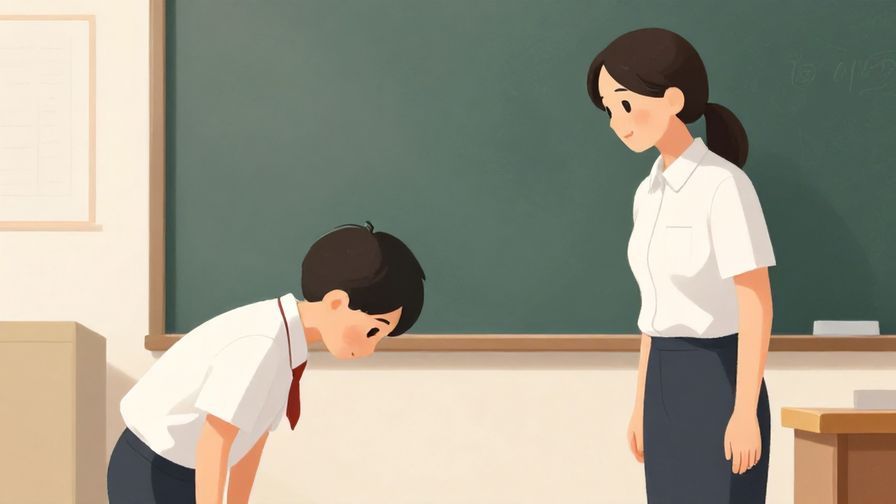
This is a very polite and respectful way to ask for teaching.
“Itadakemasu ka” is a humble way to request a favor, making it perfect for formal settings.
Use this with teachers, elders, or anyone you want to show respect toward.
It’s a phrase that shows both gratitude and politeness.
Don’t use it casually, as it can sound overly formal among friends.
Mastering this phrase helps you navigate professional or serious learning environments.
10. 日本語を教えてくださいませんか? (Nihongo o oshiete kudasaimasen ka?) – “Would you kindly teach me Japanese?”

This is another very polite and formal request.
Adding “kudasaimasen ka” makes the request gentle and respectful.
It’s ideal for situations where you want to be extra courteous.
Use it with strangers or in formal educational settings.
It’s a useful phrase to know when meeting someone new who might help your studies.
When said sincerely, it opens warm doors of assistance.
11. お時間があれば日本語を教えていただけますか? (Ojikan ga areba nihongo o oshiete itadakemasu ka?) – “If you have time, could you please teach me Japanese?”

This phrase shows you respect the other person’s time.
“Ojikan ga areba” means “if you have time,” making your request thoughtful.
It’s perfect when asking busy teachers or professionals.
Showing awareness of their schedule makes your request polite and considerate.
People appreciate this kind of sensitivity.
It’s a great phrase to build goodwill and rapport.
12. 日本語を教えていただきたいのですが (Nihongo o oshiete itadakitai no desu ga) – “I would like to be taught Japanese, if possible.”

This is a formal and humble way to express your desire to learn.
“Itadakitai” means “would like to receive,” adding politeness to your request.
It’s perfect for written or spoken requests to teachers or mentors.
Use this phrase to sound very respectful and sincere.
It helps make your intentions clear without seeming demanding.
Try it in emails or formal conversations when you want to impress with politeness.
13. ご指導いただけますか? (Goshidō itadakemasu ka?) – “Could you please instruct me?”

This phrase is very respectful and used in formal teaching contexts.
“Goshidō” means “guidance” or “instruction,” a bit more formal than “oshiete.”
It’s great for business or professional settings.
If you want to show utmost respect to a mentor, this is your go-to phrase.
Be mindful that it sounds very formal and might feel stiff in casual situations.
Use it to build credibility and respect in academic or work-related learning.
14. 日本語の勉強を助けていただけますか? (Nihongo no benkyō o tasukete itadakemasu ka?) – “Could you please help me study Japanese?”

This polite phrase asks for help specifically with studying.
“Benkyō” means “study,” and “tasukete” means “help.”
It’s a nice way to ask for support beyond just teaching vocabulary or grammar.
Perfect for tutors or classmates during study sessions.
It frames your request as teamwork rather than a one-sided favor.
Use this to show appreciation for collaborative learning.
15. もしよろしければ日本語を教えていただけませんか? (Moshi yoroshikereba nihongo o oshiete itadakemasen ka?) – “If it’s alright, could you please teach me Japanese?”

This is a very polite and considerate way to ask.
“Moshi yoroshikereba” means “if it’s alright,” softening your request.
It’s perfect when meeting someone for the first time and you want to be respectful.
Use it to avoid imposing and keep the mood very polite.
It’s a phrase that opens doors gently and respectfully.
Great to use in formal introductions or professional settings.
16. 日本語を教えていただけると幸いです (Nihongo o oshiete itadakeru to saiwai desu) – “I would be grateful if you could teach me Japanese.”

This phrase expresses gratitude in advance.
“Saihwaidesu” means “I would be happy” or “grateful,” showing humility and thanks.
It’s polite and formal, great for emails or requests to teachers.
Use it when you want to show deep appreciation for the favor.
It leaves a positive impression and encourages cooperation.
Perfect for professional or academic requests.
Part 3: Very Casual / Native-like Expressions
17. 日本語、教えてくれない? (Nihongo, oshiete kurenai?) – “Won’t you teach me Japanese?” (casual)

This is a very natural, casual way to ask a friend.
It’s often used among peers and feels like a friendly nudge.
“Kurenai” softens the request into a question.
Great for relaxed, native-like conversations.
Try it when you feel comfortable and want to sound natural.
It’s a phrase that invites conversation warmly.
18. ちょっと日本語教えてよ! (Chotto nihongo oshiete yo!) – “Hey, teach me a little Japanese!”

This phrase is casual and energetic.
“Yo” adds a friendly emphasis, making it sound lively.
Perfect for close friends or younger people.
Use it to keep the learning vibe fun and playful.
It’s informal, so avoid using it in serious contexts.
It shows your eagerness and closeness in one go.
19. 日本語、教えてくれる? (Nihongo, oshiete kureru?) – “Can you teach me Japanese?” (informal)

This is a very common informal phrase.
It’s polite enough for friends but casual.
“Kureru” implies kindness from the other person.
Use it often in everyday conversations.
It’s easy to remember and widely understood.
Great for building rapport naturally.
20. 日本語教えてー! (Nihongo oshietee!) – “Teach me Japanese!” (very casual)

Super casual and expressive.
Dragging the last “e” sound adds playful emphasis.
Use with close friends or siblings.
It’s informal and energetic, showing excitement.
Avoid in formal or new settings.
Fun for informal learning moments or jokes.
21. 日本語ちょっと教えて (Nihongo chotto oshiete) – “Teach me a bit of Japanese.”
This phrase is casual and modest.
“Chotto” means “a little,” perfect for asking small favors.
It’s easy to use when you want a quick lesson.
Great for casual conversations and language exchanges.
It keeps the request light and approachable.
Use it to build small study moments naturally.
22. 教えて! (Oshiete!) – “Teach me!” (very casual)

Super direct and casual.
“Oshiete” alone means “teach me.”
Use this only with very close friends or in playful contexts.
Can feel demanding if used improperly.
Great to use with humor or when urgency is lighthearted.
Keep tone friendly when using this expression.
23. 日本語教えてくれるかな? (Nihongo oshiete kureru kana?) – “I wonder if you can teach me Japanese?”

This phrase is casual with a soft, wondering tone.
“Kana” adds uncertainty or hope, softening the request.
It’s perfect when you want to sound less direct.
Use it to sound humble and approachable.
Great for friends or casual acquaintances.
It invites a warm, considerate response.
24. 日本語教えてもらっていい? (Nihongo oshiete moratte ii?) – “Is it okay if I get you to teach me Japanese?”

This phrase asks for permission in a casual way.
“Moratte ii” means “is it okay to receive,” making the request polite but informal.
It’s great for showing respect while keeping things friendly.
Use it to avoid sounding pushy.
It’s a phrase that blends casual and polite nicely.
Perfect for everyday learning conversations.
Concluding Thought
Exploring these 24 ways to say “Please teach me Japanese” gives you a great toolkit for all kinds of situations.
From formal classroom requests to casual chats with friends, you can express your desire to learn with warmth and respect.
Remember, language learning is about connection, so choose phrases that feel natural to you and suit your relationship with your teacher or friend. Ganbatte ne!