24 Japanese ways to ask “How Do You Say This?
Ever been stuck trying to ask how to say something in Japanese and wished you had a dozen ways to do it? You’re not alone!
Japanese is rich with subtle expressions for asking questions, especially when you want to sound natural or polite.
From casual chats with friends to formal conversations, knowing different ways to ask “How do you say this?” can make your learning smoother and more fun.
In this list, we’ll explore 24 warm, real, and easy Japanese phrases that’ll help you ask how to say things in different contexts.
Each phrase comes with pronunciation guides and little tips to remember them easily, making it perfect for beginners and intermediate learners alike.
Ready to add some new Japanese phrases to your toolkit? Let’s dive in!
Getting Started: Why Variety Matters
Asking “How do you say this?” might seem straightforward, but Japanese offers multiple expressions depending on formality and context.
Using the right phrase helps you connect better with native speakers and shows your respect for their language and culture.
Mixing it up can also keep conversations fresh and help you learn more vocabulary naturally.
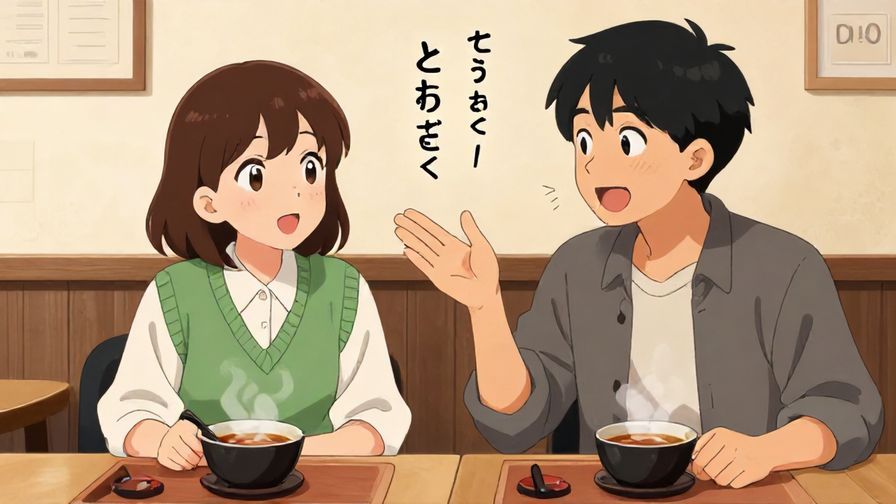
Sometimes, using a great beginner phrasebook can give you a perfect starting point for a cohesive understanding.
Once you know these basic phrases, you’ll feel more confident asking questions and learning on the go.
Let’s get started with some casual, everyday ways to ask!
Part 1: Casual Suggestions
1. これは何て言うの? (Kore wa nante iu no?) – “What do you call this?”

This is one of the easiest and most common ways to ask how to say something in Japanese.
It literally breaks down as: これは (kore wa) = “this,” 何て (nante) = “what kind of,” 言う (iu) = “to say,” の (no) = a casual question particle.
Perfect for casual situations with friends or classmates.
Just point to the object and say it; it feels natural and friendly.
You might hear the more formal equivalent これは何と言いますか? (Kore wa nan to iimasu ka?) in polite contexts.
Use this phrase often to practice and build your confidence in everyday conversation.
2. これ、どう言うの? (Kore, dou iu no?) – “How do you say this?”

This phrase is a casual way to ask for the way to say something, focusing on “how” (どう – dou).
It’s very easy to remember because it’s short and uses どう (dou) meaning “how,” which you’ll hear a lot in Japanese questions.
Great for informal learning or quick clarifications.
Be careful not to confuse it with どう言いますか? (dou iimasu ka?), which sounds more polite.
Example in conversation: “これ、どう言うの?” when you want to know the name of something new.
It’s a natural phrase that’s perfect when talking with friends or language partners.
3. これは何て言うんですか? (Kore wa nante iun desu ka?) – “What is this called?” (polite)

This is a polite and slightly formal way to ask the same question.
It’s useful in classrooms or when talking with people you don’t know well.
The “んですか” (n desu ka) ending adds a polite explanatory tone.
Using this phrase shows respect and makes your Japanese sound polished.
You’ll find it’s frequently used in educational settings or with strangers.
Practicing this can boost your confidence in formal conversations.
4. これ、何と言ったらいいですか? (Kore, nan to ittara ii desu ka?) – “How should I say this?”

This phrase literally asks for advice on how to say something.
It’s a bit longer but polite and useful when you want to sound humble or thoughtful.
Good for situations where you want the listener to guide you.
“言ったらいい” (ittara ii) means “should say,” which is helpful for learners unsure about correct phrasing.
Try using it when you feel stuck or want confirmation.
It’s a gentle way to engage native speakers and invite help.
5. これの言い方は? (Kore no iikata wa?) – “What’s the way to say this?”

This phrase focuses on “言い方” (iikata), meaning “way of saying.”
It’s short, casual, and easy to remember.
Great for quick questions when you want a specific word or phrase.
Keep in mind it’s informal, so best for friends or peers.
It’s also handy when you’re comparing different ways to say something.
Using this can help you learn variations and expand your vocabulary.
6. これって何て言うの? (Kore tte nante iu no?) – “So, how do you say this?”

Adding って (tte) adds an informal, conversational tone, like “so” or “about this.”
This is a super natural way to ask among close friends or younger people.
It makes your question sound very relaxed and friendly.
It’s perfect for casual chats or language exchange sessions.
Try this one out to sound more like a native speaker!
It’s a small but powerful tweak to your questions.
7. これ、どう言えばいい? (Kore, dou ieba ii?) – “How should I say this?” (casual)

“どう言えばいい” (dou ieba ii) literally means “how should I say.”
This phrase is casual and widely used among learners and natives.
It’s easy to remember because it mimics English structure closely.
Great when you want quick feedback on phrasing.
Be aware it’s informal, so avoid using it in formal situations.
Using this often will help you become comfortable asking about expressions.
8. これの言い方を教えてください (Kore no iikata o oshiete kudasai) – “Please teach me how to say this”

This is a polite and direct way to ask for help with saying something.
It uses 教えてください (oshiete kudasai), meaning “please teach me.”
Perfect for formal or respectful situations.
It shows humility and eagerness to learn.
You’ll impress native speakers by using this phrase thoughtfully.
Try it in language classes or with elders for good results.
Part 2: Polite & Formal Suggestions
9. これは何と言いますか? (Kore wa nan to iimasu ka?) – “What do you say this?” (formal)

This is a polite, formal way to ask about a word or phrase.
It’s commonly used in professional or unfamiliar settings.
Note the use of 言います (iimasu) which is the polite “say.”
It’s simple to remember and sounds respectful.
Especially useful in meetings or official conversations.
Practice this phrase to sound courteous and professional.
10. これはどのように言いますか? (Kore wa dono you ni iimasu ka?) – “How do you say this?” (very polite)
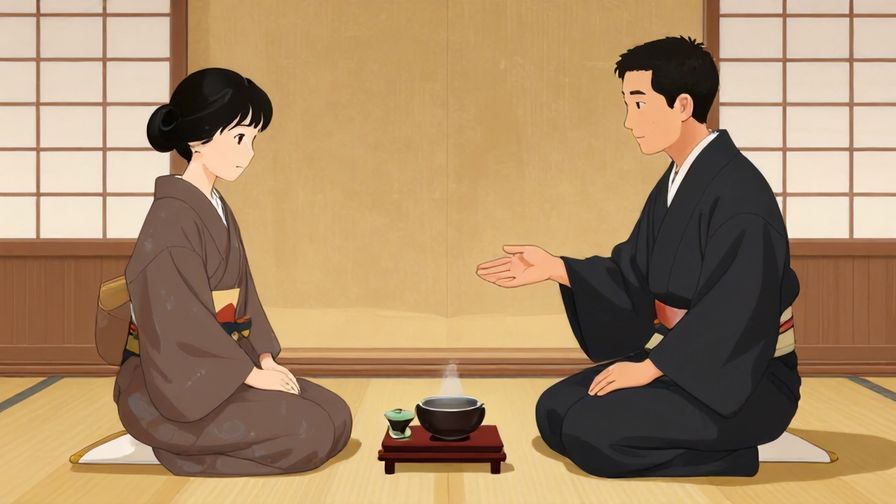
This phrase is very polite and often used in formal or educational contexts.
どのように (dono you ni) means “in what way,” adding elegance.
It’s great for showing respect to native speakers or teachers.
The phrase is a bit longer but worth mastering.
Use it when you want to make a good impression.
It’s perfect for formal emails or presentations too.
11. これの言い方を教えていただけますか? (Kore no iikata o oshiete itadakemasu ka?) – “Could you kindly teach me how to say this?”

This is a very respectful and humble way to request help.
いただけますか (itadakemasu ka) adds a polite request nuance.
It’s often used in formal learning or business settings.
Using this phrase shows you value the other person’s time and knowledge.
Great for email requests or face-to-face learning.
Practice this to sound genuinely polite and mature.
12. これは何と申しますか? (Kore wa nan to moushimasu ka?) – “What is this called?” (humble)

申します (moushimasu) is a humble way to say “to say” used in very formal contexts.
This phrase is perfect when you want to show humility and respect.
Common in customer service or official business.
It’s a bit advanced but useful for serious learners.
Try this to impress native speakers in formal situations.
Use it when speaking with superiors or elders.
13. これの言い方を教えていただけませんか? (Kore no iikata o oshiete itadakemasen ka?) – “Could you please teach me how to say this?” (formal question)

This is a formal, polite negative question form, which is often softer and more indirect.
Using いただけませんか (itadakemasen ka) sounds very courteous.
Excellent for delicate or professional settings.
It’s a phrase that shows both politeness and humility.
Perfect for email or in-person polite requests.
Practice this to master respectful language use.
14. これはどう言えばよろしいですか? (Kore wa dou ieba yoroshii desu ka?) – “How should I say this?” (very polite)

よろしいですか (yoroshii desu ka) is a very polite way to say “is it okay?”
It makes your question sound considerate and formal.
Useful in business or formal study environments.
Pairing it with どう言えば (dou ieba) makes a respectful phrase.
It’s slightly longer but worth adding to your polite expressions.
Use it to sound professional and thoughtful.
15. これの言い方を教えてもらえますか? (Kore no iikata o oshiete moraemasu ka?) – “Can you teach me how to say this?” (polite)

This is a polite but less formal way to ask for help.
もらえますか (moraemasu ka) means “can receive,” making the request polite yet approachable.
It works well with teachers, tutors, or friends.
It’s a good middle ground between casual and formal.
Use it to build rapport while still sounding respectful.
Great for language exchange partners or lessons.
16. これって何て言うんですか? (Kore tte nante iun desu ka?) – “So, what do you call this?” (polite casual)

This phrase combines casual and polite tones with って (tte) and んですか (n desu ka).
It’s friendly yet respectful, ideal for learners trying to sound natural.
Use it with people you know but want to keep a polite tone.
It’s great for casual conversations that still deserve respect.
Try mixing this into your daily chats for a natural feel.
It’s a favorite among learners aiming for native-like fluency.
Part 3: Very Casual / Native-like Expressions
17. これってどう言うの? (Kore tte dou iu no?) – “How do you say this?” (very casual)

Very casual and often used by young people.
It drops formalities and uses どう (dou) for “how” plus って (tte) for a casual tone.
Great for friends or informal social media chats.
Not recommended for formal or new acquaintances.
Using this phrase makes you sound relaxed and friendly.
It’s an easy way to blend in with younger native speakers.
18. 何て言うんだっけ? (Nante iun dakke?) – “What is it called again?”

This phrase shows a casual way to ask when you’ve forgotten a word.
“だっけ” (dakke) adds a tone of trying to recall something.
It’s common in everyday speech and very relatable.
Use it with friends or peers when you want to sound natural.
It’s a handy phrase for conversations filled with spontaneous questions.
Learning this helps you sound more native and less robotic.
19. これ、なんて言うの? (Kore, nante iu no?) – “How do you say this?” (super casual)

Short, super casual, and often used among close friends.
Dropping particles and simplifying pronunciation is common here.
It’s perfect for quick questions in relaxed settings.
Don’t use this in formal situations.
It sounds friendly and easygoing.
Great phrase to practice when hanging out or chatting online.
20. これ、どう言うんだ? (Kore, dou iun da?) – “How do you say this?” (casual)**

Another casual expression with んだ (nda) ending for explanation or emphasis.
It’s often heard in conversations among friends or family.
Adding んだ softens the question and makes it sound natural.
Use it only in informal contexts.
It helps you sound like a native speaker in relaxed talks.
Practice this to build your casual conversation skills.
21. これ、何て言うんだろう? (Kore, nante iun darou?) – “I wonder how you say this?”

This phrase adds a bit of uncertainty and wonder with だろう (darou).
It’s casual but thoughtful, often used when thinking aloud.
Good for informal conversations or self-talk.
It’s a useful phrase to express curiosity naturally.
Try this when you want to sound reflective or gentle.
It’s a subtle way to ask without putting pressure on the listener.
22. これ、どうやって言うの? (Kore, dou yatte iu no?) – “How do you say this?” (casual)

“どうやって” (dou yatte) literally means “by what method.”
It’s casual and often used to ask “how” in a practical sense.
It’s great when you’re curious about pronunciation or phrasing.
Sounds friendly and approachable.
Use it with friends or language partners for casual practice.
It’s a versatile phrase to add to your casual Japanese.
23. これ、なんていうか教えて (Kore, nante iu ka oshiete) – “Teach me what this is called” (casual)

This is a straightforward and casual way to ask for teaching.
Dropping the polite endings makes it feel very friendly.
It’s perfect for close friends or informal language exchanges.
It’s direct but not rude when used with peers.
Try this when you want quick and honest answers.
It helps build real conversational skills.
24. これ、どう言うか知ってる? (Kore, dou iu ka shitteru?) – “Do you know how to say this?”

This phrase asks if someone knows how to say something.
It’s casual and often used to start a conversation or check knowledge.
“知ってる” (shitteru) means “know,” making it a question about familiarity.
Great for friendly banter or study groups.
It’s a nice way to engage others in language learning.
Use it to invite help or share knowledge casually.
Concluding Thought
Learning multiple ways to ask “How do you say this?” in Japanese opens up new pathways to connect and communicate.
Whether you’re casual, polite, or aiming for native-like expressions, variety helps you adapt to any situation.
Keep practicing these phrases regularly, and you’ll find yourself more confident, curious, and engaged in your Japanese journey!