24 Japanese ways to say “Yes”
Learning how to say “yes” in Japanese is a fun and useful first step to sounding natural and polite.
Whether you’re chatting casually with friends or speaking formally at work, there’s a perfect way to say “yes” that fits the occasion.
From simple affirmations to native-like expressions, each version has its own flavor and vibe.
Mastering these can help you connect better with Japanese speakers and show your respect for the language.
Plus, it’s a great confidence booster when you know you’re saying the right thing in the right way.
Ready? Let’s explore 24 Japanese ways to say “yes” together!
Part 1: Casual Suggestions
1. 行けたら行く (Iketara iku) – “I’ll come if I can.”

This phrase literally means “If I can go, I’ll go.”
It’s a casual way to say “yes” but with a soft, non-committal tone, great when you want to stay polite but not promise too firmly.
It’s useful when you’re unsure about your schedule but want to show interest.
Just break it down: 行けたら (iketara) means “if I can go,” and 行く (iku) means “I’ll go.”
It’s a common phrase among friends and colleagues when plans are still tentative.
Try using it when you want to sound friendly but flexible.
2. うん (Un) – “Yeah”

“Un” is a casual and quick way to say “yes,” similar to “yeah” in English.
It’s easy to say and perfect for informal conversations with friends or family.
Just be careful not to use it in formal settings, as it can sound too relaxed.
Sometimes people say it with a little nod to show agreement clearly.
For example, when a friend asks “Do you want to hang out?” you can reply with a simple “un.”
It’s a great way to sound natural and approachable.
3. そうだね (Sō da ne) – “That’s right” or “Yeah, that’s true.”

This phrase literally means “That’s right, isn’t it?” and is a casual way to agree with someone.
It’s a little warmer than just saying “yes” and shows you’re connecting with what they said.
“Sō” means “so” or “that way,” and “da ne” adds a soft confirmation.
It’s great for conversations where you want to acknowledge someone’s opinion.
Be mindful it’s casual — avoid it in formal business talks.
Use it often when chatting to show you’re listening and agreeing naturally.
4. いいよ (Ii yo) – “Sure” or “That’s fine.”

“Ii yo” literally means “It’s good” or “It’s okay.”
It’s a casual and friendly way to say “yes” when giving permission or agreeing to a request.
“Ii” means “good,” and “yo” adds a casual emphasis.
Use it when you want to sound easygoing and positive.
For example, if someone asks if they can borrow your pen, replying “ii yo” is perfect.
It’s informal but polite enough for everyday use.
5. もちろん (Mochiron) – “Of course”

“Mochiron” means “of course” and is a friendly, straightforward way to confirm something.
It’s a bit stronger than just “yes,” showing enthusiasm and certainty.
It’s perfect when you want to emphasize that something is definitely true or will happen.
Use it in casual or semi-formal contexts.
For example, if asked “Will you help me?” reply with “mochiron!”
It adds warmth and friendliness to your yes.
6. はい (Hai) – “Yes” (Standard)
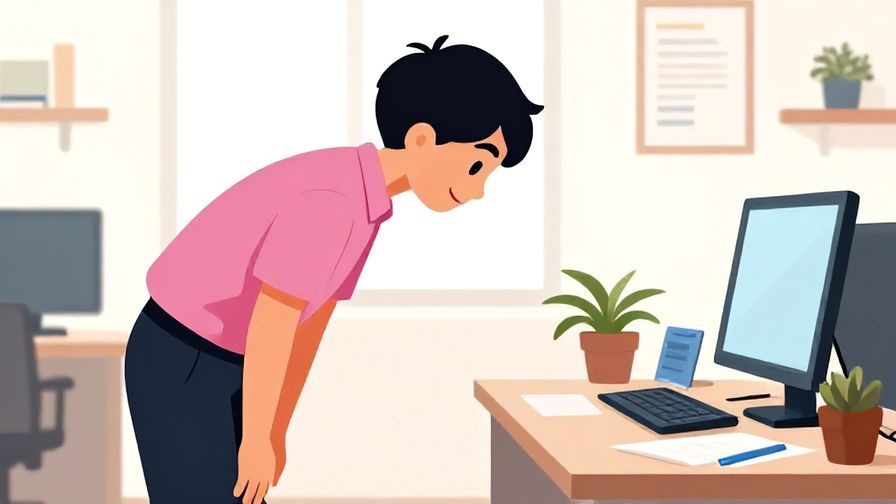
“Hai” is the standard, polite word for “yes” in Japanese.
It’s appropriate for almost any situation, from formal to casual.
Use it to show respect and politeness, especially with strangers or in business.
It’s easy to remember and a must-know for learners.
One tip: avoid overusing it in casual talk to sound more natural.
Try it first when you want to be clear and respectful.
7. いいね (Ii ne) – “Sounds good” or “I like that”

“Ii ne” literally means “good, isn’t it?” and is a casual way to say “yes” by showing approval.
It’s like saying “sounds good” or “I like that idea” in English.
“Ii” means “good,” and “ne” adds a friendly tone.
Use it when you want to agree enthusiastically in informal settings.
For example, if someone suggests a fun plan, you can say “ii ne!”
It’s positive and easy to use with friends.
8. そう (Sō) – “That’s so” or “Exactly”

“Sō” is a simple way to say “yes” by affirming what someone said.
It’s casual and often used in everyday conversation.
Because it’s short, it feels natural and relaxed.
Use it to agree quickly without being too formal.
Just be careful not to use it in serious or business contexts.
It’s a handy word to know for casual chats.
Part 2: Polite & Formal Suggestions
9. はい、そうです (Hai, sō desu) – “Yes, that’s right.”

This is a polite and formal way to say “yes, that’s correct.”
“Hai” means “yes,” and “sō desu” means “that is so.”
It’s perfect for business or respectful conversations.
Use it when confirming facts or agreeing politely.
For example, replying to a work question with “hai, sō desu” shows professionalism.
It’s a respectful affirmation you can rely on.
10. かしこまりました (Kashikomarimashita) – “Certainly” or “Understood”

This phrase is very polite and formal, often used in customer service or formal settings.
It means “I understand” or “Certainly.”
Use it when accepting instructions or requests politely.
It’s a perfect way to say “yes” without just saying “hai.”
For example, a waiter might say this when taking your order.
It shows high respect and professionalism.
11. 承知しました (Shōchi shimashita) – “Understood”

“Shōchi shimashita” means “I have understood,” and is a formal confirmation.
It’s often used in business or formal emails and conversations.
It’s a polite way to say “yes” when you want to show you’ve received the message clearly.
Use it to confirm instructions without being too casual.
It’s a great phrase for workplace communication.
Combine it with “hai” for extra politeness if needed.
12. 了解しました (Ryōkai shimashita) – “Roger that” or “Understood”

“Ryōkai shimashita” is another formal way to say “understood” or “acknowledged.”
It’s common in business or military contexts.
Use it to confirm you’ve received and agreed to information.
It sounds polite but practical.
It’s often used in emails or conversations where clear confirmation is needed.
It’s a useful phrase to add to your polite Japanese toolkit.
13. もちろんです (Mochiron desu) – “Of course” (formal)

This is the formal version of “mochiron.”
Adding “desu” makes it polite and appropriate for business or formal chats.
It shows enthusiasm and respect when agreeing.
Use it when you want to sound positive yet professional.
For example, responding to a boss’s request with “mochiron desu” is perfect.
It’s a versatile phrase for formal “yes.”
14. 恐れ入りますが、はい (Osore irimasu ga, hai) – “Excuse me, yes”
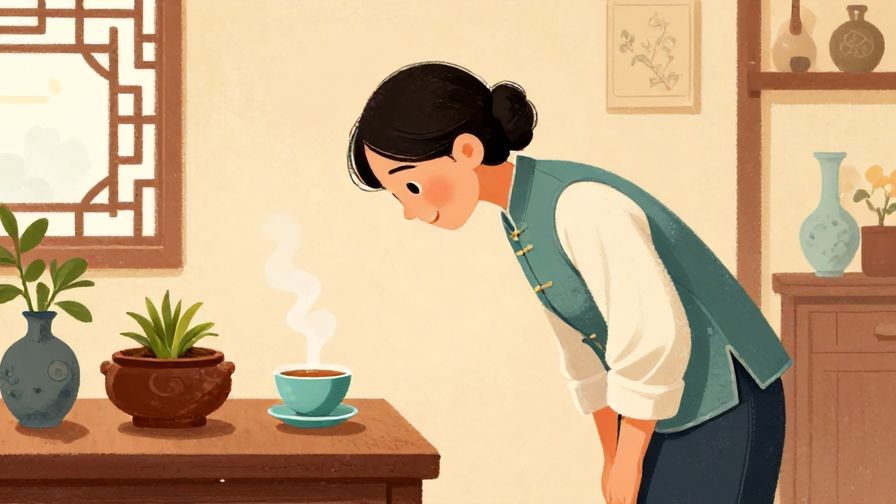
This phrase adds extra politeness by starting with “osore irimasu,” meaning “I’m sorry to trouble you.”
It’s used when you want to be very respectful while saying yes.
Follow it with a simple “hai” to complete the phrase.
It’s common in formal customer service or high-respect situations.
Using it shows humility and respect.
Perfect when you want to be extra polite without sounding stiff.
15. はい、結構です (Hai, kekkō desu) – “Yes, that’s fine.”

This phrase means “Yes, that’s fine” and is polite and reassuring.
“Kekkō” means “fine” or “good,” and “desu” makes it polite.
Use it when you want to accept something politely but firmly.
It’s often used in formal or semi-formal contexts.
It’s a great phrase for politely agreeing to proposals or offers.
Try it when you want to sound respectful yet clear.
16. その通りです (Sono tōri desu) – “Exactly”

This means “That is exactly right.”
It’s a formal and confident way to say yes to a statement.
Use it to confirm facts or opinions politely.
It literally means “in that way.”
Great for professional discussions or presentations.
It helps show you’re paying attention and agree thoroughly.
Part 3: Very Casual / Native-like Expressions
17. うんうん (Un un) – “Yeah, yeah” (friendly agreement)

This is a casual, friendly way to say “yes” repeatedly to show strong agreement.
It’s like saying “uh-huh, uh-huh” in English.
Use it with close friends or family to sound natural and relaxed.
It’s not for formal situations.
Repeating “un” adds warmth and enthusiasm.
Great for showing you’re really on the same page.
18. もちろんさ (Mochiron sa) – “Of course!” (casual, confident)

This is the casual, confident form of “mochiron.”
Adding “sa” gives it a cool, laid-back tone.
Use it with friends when you want to say “of course” with flair.
It’s a way to sound natural and assertive.
Perfect for casual conversations where you want to emphasize agreement.
It’s like saying “you bet!” or “definitely!”
19. いいよね (Ii yo ne) – “It’s good, right?”

This phrase is a casual way to agree by saying “it’s good, isn’t it?”
“Ii” means good, “yo ne” adds a friendly confirmation.
It sounds natural and easygoing.
Use it with friends when you want to confirm agreement warmly.
It’s often used to bond over shared opinions.
Try it to sound more native and casual.
20. うん、そう (Un, sō) – “Yeah, that’s right.”

This combines “un” (yeah) with “sō” (that’s so) for a natural, casual agreement.
It’s simple and very common in daily speech.
Use it when you want to agree quickly and warmly.
It’s perfect for conversations with friends or family.
Sounds very natural and relaxed.
Practice it to sound more fluent and approachable.
21. いいねー (Ii ne~) – “Nice!” with a drawn-out sound

This is a casual, enthusiastic way to say “nice” or “good.”
The drawn-out “ne~” adds excitement and friendliness.
Use it to show you really like an idea or plan.
It’s common with younger people or in informal chats.
Great for making conversations lively and fun.
Try it when you want to sound cheerful and supportive.
22. そうだよ (Sō da yo) – “That’s right!” (friendly emphasis)

This phrase is a casual way to say “that’s right” with friendly emphasis.
“Da yo” adds warmth and confidence.
Use it when you want to confirm something clearly but casually.
It’s perfect with friends or family.
Sounds natural and a bit playful.
It’s a great phrase to sound like a native speaker.
23. うん、わかった (Un, wakatta) – “Yeah, got it.”

This means “yeah, I got it” and is casual and clear.
“Wakatta” means “understood” or “got it.”
Use it to confirm understanding casually.
It’s very common in daily conversations.
Sounds friendly and reliable.
Great for showing you’re paying attention and agree.
24. いいよ、いいよ (Ii yo, ii yo) – “It’s okay, it’s okay.”

This phrase means “it’s okay” repeated for emphasis.
It’s a casual, warm way to say “yes” or give approval.
Use it to sound relaxed and friendly when agreeing.
It’s often used to reassure or accept offers.
Sounds inviting and kind.
Try it to create a comfortable vibe in conversations.
Concluding Thought
Exploring these 24 ways to say “yes” in Japanese shows just how rich and varied the language is.
From polite to casual, each phrase helps you express agreement with the right tone for the moment.
Keep practicing, and soon saying “yes” in Japanese will feel as natural as it does in your own language!