24 Japanese ways to say “You’re Welcome”
Learning how to say “You’re welcome” in Japanese opens the door to warmer, friendlier conversations. It’s a simple phrase, but one that carries a lot of cultural meaning.
Whether you’re chatting with friends, meeting new people, or navigating formal situations, knowing these variations will make you sound more natural and considerate. Plus, it’s fun to explore the nuances!
Japanese offers many ways to say “You’re welcome,” each fitting different moods and settings. From casual to formal, and even very casual expressions, you’ll find the perfect phrase for every occasion.
Mastering these will boost your confidence and deepen your connection with Japanese speakers. It’s more than just words—it’s about understanding respect, gratitude, and kindness in communication.
Get ready to add twenty-four warm, informal, and relatable ways to say “You’re welcome” to your Japanese toolkit!
Let’s dive in and make your Japanese interactions even more delightful.
Understanding “You’re Welcome” in Japanese
In English, “You’re welcome” is straightforward, but in Japanese, the phrase varies widely depending on context and relationship.
From the humble “どういたしまして” (Dou itashimashite) to casual and even playful responses, you’ll see how flexible and expressive Japanese can be.
Knowing when and how to use these phrases will help you sound natural and respectful.

Sometimes, a great beginner phrasebook can give you a perfect starting point for a cohesive understanding.
Try mixing these phrases in your daily practice to get comfortable with different social settings.
Remember, the right phrase can make your gratitude feel genuinely appreciated.
Part 1: Casual Suggestions
1. どういたしまして (Dou itashimashite) – “You’re welcome.”

This is the classic and most common way to say “You’re welcome” in Japanese.
“どういたしまして” literally means “Don’t mention it” or “It’s nothing,” making it perfect for everyday polite situations without sounding stiff.
It’s easy to remember because it’s the phrase you’ll hear most often after saying thanks.
This phrase conveys warmth and humility at the same time.
It’s related to “いたす” (itasu), a humble form of “to do,” and “まして” (mashite), a polite ending.
Use it confidently whenever someone thanks you in casual or semi-formal contexts.
2. いいえ (Iie) – “No (problem).”

“いいえ” literally means “No,” but as a response to thanks, it’s like saying “No problem” or “Not at all.”
It’s simple and friendly, suitable for casual situations when you want to brush off the thanks with a smile.
Keep in mind, it’s not rude—it’s a humble way to say the help was no trouble.
Don’t overuse it in very formal situations, though.
For example, if a friend says “ありがとう” (Arigatou), you can reply “いいえ、気にしないで” (Iie, ki ni shinaide) – “No, don’t worry about it.”
This response keeps the tone light and down-to-earth.
3. どうも (Doumo) – “Thanks / You’re welcome.”

“どうも” is a versatile word that can mean “thanks” or “you’re welcome” depending on the tone.
It’s super casual and often used among close friends or family.
Because it’s short and sweet, it’s perfect when you want to sound natural and relaxed.
Just be aware it’s informal, so save it for familiar settings.
“どうもありがとう” (Doumo arigatou) means “Thank you very much,” so “どうも” alone can imply a light “You’re welcome.”
Great for everyday friendly chats!
4. いいよ (Ii yo) – “It’s okay.”

“いいよ” literally means “It’s good” or “It’s okay,” and it’s a casual way to say “You’re welcome.”
Use it with friends or people your age when thanking feels informal and relaxed.
It’s short and sounds very natural, like saying “No problem” in English.
Remember, tone matters—say it warmly to avoid seeming dismissive.
It’s related to “いい” (ii), meaning “good,” and “よ” (yo), a sentence-ending particle adding emphasis.
Perfect for casual daily use!
5. どうぞ (Douzo) – “Please (go ahead).”

While “どうぞ” literally means “Please,” it’s sometimes used to imply “You’re welcome” by encouraging someone to feel free.
It’s great when handing something over or inviting someone to take action.
It’s casual but polite, often paired with a smile or gesture.
It’s a warm way to show you’re happy to help.
Use it when you want to emphasize kindness and openness.
This phrase adds a touch of hospitality to your response.
6. 気にしないで (Ki ni shinaide) – “Don’t worry about it.”

“気にしないで” means “Don’t worry about it” or “No need to mind.”
It’s a casual, friendly way to respond to thanks, suggesting the favor was no trouble at all.
It’s perfect for reassuring someone who might feel they caused inconvenience.
The phrase breaks down into “気にする” (to worry) + “ないで” (don’t).
Use it with close friends and informal situations.
It’s a thoughtful way to keep the mood light and easygoing.
7. いえいえ (Ie ie) – “No, no.”

“いえいえ” is a casual, friendly way to say “No, no” as a humble response to thanks.
It’s like saying “Don’t mention it” in a laid-back tone.
Great for use with friends and acquaintances.
Repeating “いえ” softens the word, making it sound more genuine and warm.
A nice alternative to the more formal “どういたしまして.”
Use it when you want to sound approachable and kind.
8. 何でもないよ (Nan demo nai yo) – “It’s nothing.”

“何でもないよ” literally means “It’s nothing,” a humble way to say “You’re welcome.”
It’s casual, making it perfect for friends or informal situations.
The phrase breaks down as “何でも” (anything) + “ない” (not) + “よ” (sentence ending particle for emphasis).
It’s an easy way to shrug off thanks and keep the mood light.
Use it to show you’re happy to help without making a fuss.
It’s a natural, friendly response.
Part 2: Polite & Formal Suggestions
9. 恐れ入ります (Osore irimasu) – “I’m obliged.”

“恐れ入ります” is a very polite and formal way to respond to thanks, often used in customer service or business.
It literally means “I am deeply sorry (for causing trouble),” but it’s used to show humility and respect.
Perfect when you want to sound very courteous.
It’s more formal than “どういたしまして” and shows high respect.
Great for professional settings or when talking to superiors.
This phrase adds a refined touch to your gratitude exchange.
10. かしこまりました (Kashikomarimashita) – “Certainly.”

“かしこまりました” means “Certainly” or “Understood,” and it’s used in formal contexts to acknowledge requests or thanks.
It’s very respectful and humble, common in customer service.
Use it when you want to show professionalism and politeness.
It’s a versatile phrase that works beyond just “You’re welcome.”
Perfect for work or formal events.
It helps you sound trustworthy and polite.
11. こちらこそ (Kochira koso) – “Likewise / The pleasure is mine.”

“こちらこそ” literally means “It is I who should say so,” a humble way to reverse thanks.
It’s a polite response implying “Thank you too” or “The pleasure is mine.”
Great for formal and semi-formal situations.
Use it to show mutual appreciation rather than just a simple “You’re welcome.”
It strengthens relationships by acknowledging the other person’s gratitude.
Perfect for polite conversations and business meetings.
12. どうぞよろしくお願いします (Douzo yoroshiku onegaishimasu) – “Please treat me well.”
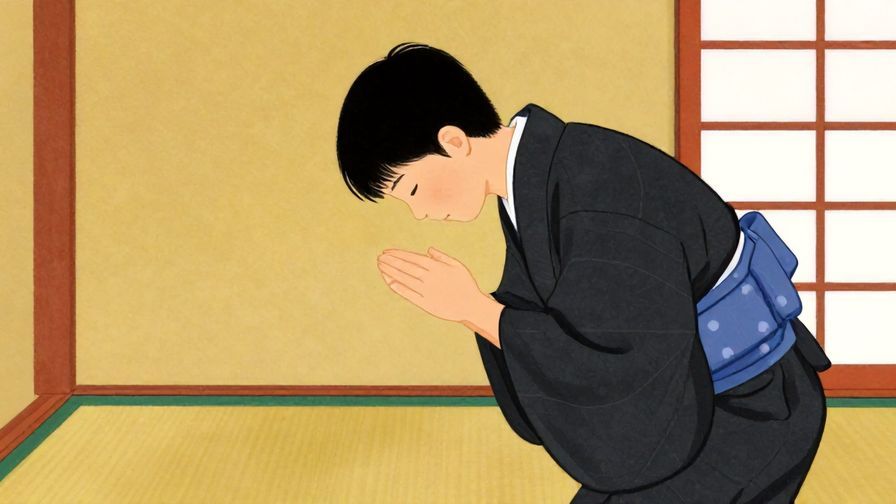
Although often used when meeting someone, “どうぞよろしくお願いします” can also imply “You’re welcome” in a very polite, anticipatory way.
It means “Please treat me well” or “I look forward to working with you.”
Use this phrase in formal introductions or ongoing relationships.
It’s a humble and respectful way to acknowledge thanks and future cooperation.
Great for business or social occasions needing extra politeness.
It sets a positive tone for continued interaction.
13. お安いご用です (Oyasui goyou desu) – “It’s an easy favor.”

“お安いご用です” is a polite yet warm way to say “It’s no trouble at all.”
It literally means “It’s a cheap/easy task,” implying the favor was simple and gladly done.
Use it when you want to sound both humble and friendly.
It works well in polite conversation with friends or colleagues.
Great for reassuring the other person that you’re happy to help.
This phrase adds a touch of kindness to your response.
14. とんでもないです (Tondemonai desu) – “Not at all / Don’t mention it.”

“とんでもないです” is a humble, polite way of saying “Not at all” or “Don’t mention it.”
It expresses that the favor was no problem and that the thanks are unnecessary.
Good for formal or respectful casual conversations.
It literally means “Unthinkable” or “No way,” showing humility.
Use it to politely deflect thanks in a respectful manner.
This phrase is a graceful way to keep the conversation humble.
15. お役に立ててうれしいです (O-yaku ni tatete ureshii desu) – “I’m glad I could help.”

This phrase means “I’m happy to be of assistance.”
It’s a polite and warm way to respond to thanks, emphasizing your pleasure in helping.
Great for formal emails, conversations, or when you want to sound thoughtful.
It shows genuine kindness and appreciation for the opportunity to help.
Use it when you want to make the other person feel even better.
A very considerate and respectful phrase.
16. こちらこそありがとうございます (Kochira koso arigatou gozaimasu) – “Thank you to you as well.”

This phrase means “It is I who should thank you,” emphasizing mutual gratitude.
It’s very polite and often used in business or formal interactions.
Use it to acknowledge the other person’s kindness in a humble way.
It’s a great way to elevate the tone of your conversation.
Perfect for formal emails or meetings.
This phrase helps build respectful and positive relationships.
Part 3: Very Casual / Native-like Expressions
17. いいんだよ (Iin da yo) – “It’s fine.”

“いいんだよ” is a casual, friendly way to say “It’s fine” or “You’re welcome.”
It’s often used among close friends or younger people.
The phrase breaks down as “いい” (good/fine) + “んだよ” (casual explanatory particle).
Use this to sound natural and easygoing.
Great for casual chats where you want to keep things light.
It’s a warm, laid-back way to respond to thanks.
18. どいたしまして (Doitashimashite) – “You’re welcome.” (Playful variant)

This is a playful, casual variant of “どういたしまして.”
It’s informal and used jokingly among friends.
Perfect if you want to sound cute or lighthearted.
Not suitable for formal settings but great for close relationships.
It keeps the mood fun and friendly.
Try this when you want to add personality to your response.
19. まかせて (Makassete) – “Leave it to me.”

“まかせて” means “Leave it to me,” implying “You’re welcome” by showing confidence in helping.
It’s casual and often used to reassure someone after they thank you.
Great for friends or teammates.
Use this phrase to sound dependable and friendly.
It expresses willingness and pride in helping.
A nice native-like touch to casual conversations.
20. おっけー (Okkee) – “Okay!”

“おっけー” is the Japanese pronunciation of “OK,” used casually to say “You’re welcome.”
It’s super informal and popular with young people.
Perfect for casual texts, chats, and hanging out.
It sounds fun and easygoing.
Use it when you want to keep things light and friendly.
The simplest way to say “You’re welcome” among friends.
21. なんとかなるよ (Nantoka naru yo) – “It’ll work out.”

“なんとかなるよ” means “It’ll work out,” a very casual, reassuring way to respond to thanks.
It implies “Don’t worry, I got this,” making it warm and encouraging.
Use it with close friends or family.
It’s native-like and very casual.
Great for showing confidence and friendliness.
This phrase keeps the mood supportive and easy.
22. 気にすんな (Ki ni sunna) – “Don’t sweat it.”

“気にすんな” is a very casual slangy way to say “Don’t worry about it.”
It’s used among close friends or informal groups.
“気にする” means “to worry,” and “すんな” is a casual negative command.
Use it to sound relaxed and friendly.
It’s great for brushing off thanks with humor.
Perfect for casual daily life.
23. いいっていいって (Iitte iitte) – “Really, it’s okay.”
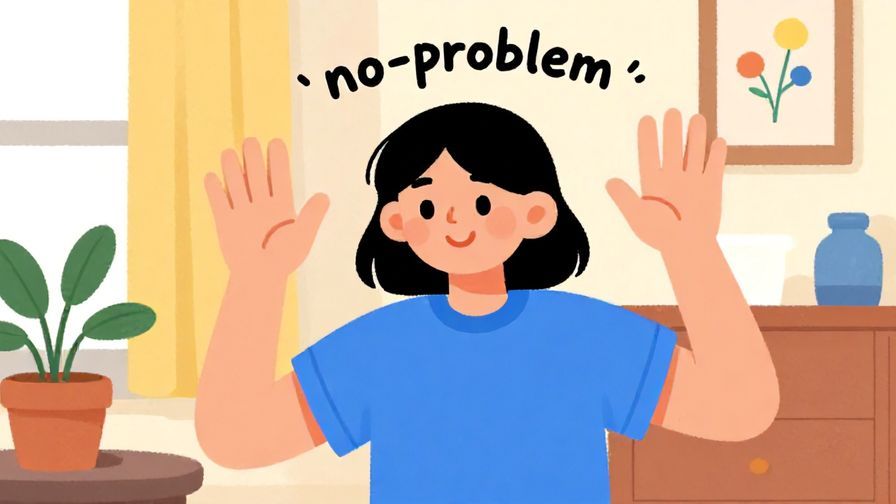
“いいっていいって” is a casual, repetitive way to say “It’s really okay.”
It adds a playful, friendly emphasis to your response.
Used mostly among friends and family.
It shows you’re happy to help without fuss.
Try it to sound warm and approachable.
A fun phrase to keep gratitude lighthearted.
24. どうもね (Doumo ne) – “You’re welcome (casual).”

“どうもね” is a friendly, casual version of “どうも,” used to say “You’re welcome.”
The “ね” adds a soft, friendly tone.
Perfect for casual chats with people you know well.
It’s less formal but still polite and warm.
Great for everyday interactions.
Use it to sound approachable and kind.
Concluding Thought
Exploring these 24 ways to say “You’re welcome” in Japanese shows how rich and expressive the language is. Each phrase carries its own flavor and suit different moments beautifully.
Whether you choose a polite “どういたしまして,” a casual “いいよ,” or a friendly “気にしないで,” you’re adding warmth and authenticity to your conversations.
Keep practicing, stay curious, and enjoy the journey of connecting with people through language—it’s one of the most rewarding things you can do!