24 Japanese ways to respond to “Thank You
We all know the classic “Thank you!” and want to respond just right—warmly, naturally, and with a sprinkle of personality.
Japanese offers a beautiful range of ways to say “You’re welcome,” from casual to formal, and even some native-like expressions that really feel heartfelt.
Whether you’re chatting with friends, in a business setting, or just want to spice up your replies, learning these phrases can make your conversations more genuine and fun.
Think of it as adding color to your language palette—each phrase fits a different mood and relationship.
Plus, mastering these will boost your confidence and make your Japanese interactions more memorable.
Ready to explore 24 warm, informal, and relatable ways to respond to “Thank you” in Japanese? Let’s dive in!
Getting Started with Responding to Thanks
Responding to “Thank you” is more than just politeness—it’s a way to connect and show you care.
In Japanese, the tone and choice of words can change depending on who you’re talking to and the situation’s formality.
Even simple phrases can carry a lot of warmth when said right.

Sometimes, using a great beginner phrasebook can give you a perfect starting point for a cohesive understanding.
It’s all about picking the right phrase that feels natural to you.
Let’s start with some casual suggestions perfect for everyday chats.
Part 1: Casual Suggestions
1. どういたしまして (Dō itashimashite) – “You’re welcome.”
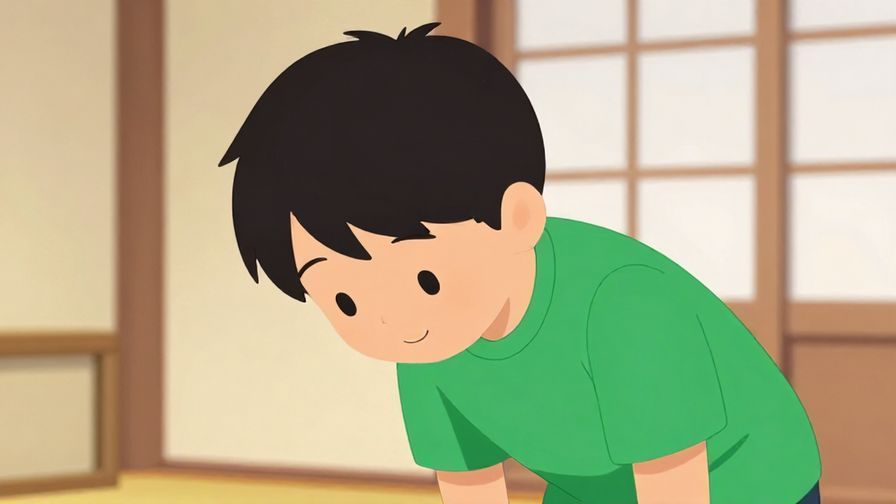
This is the classic and polite way to say “You’re welcome” in Japanese.
It literally means “I did it for you” or “Don’t mention it.” It’s a safe phrase to use in most casual and polite situations.
It helps you sound natural without being too formal.
Keep it in your pocket for whenever someone thanks you—it’s always appreciated.
You might hear it often, so repeating it will help you get comfortable with the flow.
Once you master this, you’ll feel ready to try other variations that suit more casual or formal settings.
2. いいえ (Iie) – “No (problem).”

“Iie” literally means “no,” but in this context, it’s like saying “No problem” or “Don’t mention it.”
It’s super casual and great among friends or younger people.
Just be careful not to use it in very formal situations where it might sound a bit blunt.
A common mistake is to think “iie” means rejecting thanks, but it actually softens the gratitude.
For example, if a friend says “ありがとう (Arigatō),” you can reply “いいえ” with a smile to keep it light.
It’s a quick, friendly way to say “You’re welcome” without overthinking.
3. どうも (Dōmo) – “Thanks (back).”

“Dōmo” is a super casual and short way to respond to thanks.
It originally means “thanks,” but when used alone, it can also mean “You’re welcome.”
Perfect for quick, informal exchanges with close friends or colleagues.
It’s like saying “No problem” or “Sure thing” in English.
Watch out: Saying just “dōmo” can sometimes feel a bit abrupt in formal contexts, so keep it casual.
Try it out when you want to keep things light and breezy.
4. いいよ (Ii yo) – “It’s okay.”

“Ii yo” means “It’s okay” or “No worries.”
It’s perfect for informal situations when you want to make the other person feel comfortable.
This makes your response feel warm and friendly.
Be mindful that it’s casual, so avoid using it in formal settings.
For example, after helping a friend, replying with “いいよ” shows you were happy to help.
It’s an easy phrase to remember and sounds very natural.
5. 大丈夫 (Daijōbu) – “It’s all good.”

“Daijōbu” means “It’s okay” or “I’m fine.”
As a reply to thanks, it signals that you’re happy to help and there’s no problem.
This phrase brings a relaxed and friendly vibe to the conversation.
It’s common among friends and informal situations.
Be careful not to overuse it in formal contexts where it may sound too casual.
It’s a great phrase to keep handy for everyday chats.
6. 気にしないで (Ki ni shinaide) – “Don’t worry about it.”

This phrase literally means “Don’t worry.”
It’s a warm and reassuring way to tell someone that helping them wasn’t a big deal.
It’s great to use among friends or family to keep things light.
It adds a gentle, caring tone to your response.
Make sure to say it with a soft smile, so it feels sincere.
It’s a lovely way to show kindness through words.
7. いつでもどうぞ (Itsudemo dōzo) – “Anytime!”

“Itsudemo dōzo” means “Anytime!”
It’s a friendly way to say you’re always happy to help.
This phrase adds an inviting and generous tone to your reply.
Use it with close friends or colleagues for a warm touch.
It’s easy to remember and sounds very natural in casual settings.
Try this when you want to express ongoing willingness to assist.
8. どういたしましてね (Dō itashimashite ne) – “You’re welcome (with a friendly tone).”

This one is similar to the classic “どういたしまして” but adds “ね” to make it sound more friendly and warm.
The “ね” particle softens the phrase and invites connection.
It’s perfect for casual conversations where you want to sound approachable.
It helps your response feel more personal and less formal.
Just a small addition makes a big difference in tone.
Try it out to make your replies feel extra kind.
Part 2: Polite & Formal Suggestions
9. 恐れ入ります (Osore irimasu) – “I’m humbled / honored.”

This phrase is very polite and humble, often used in business or formal situations.
It expresses gratitude while acknowledging the favor or compliment with respect.
It’s ideal when you want to keep things very professional and courteous.
It can feel a bit stiff in casual settings, so save it for formal occasions.
Use it when you want to show deep appreciation and humility.
It’s a phrase that impresses in business contexts.
10. こちらこそありがとうございます (Kochira koso arigatō gozaimasu) – “Thank you, likewise.”

Literally “It’s I who should thank you.”
This phrase is a polite way to respond to thanks, expressing mutual gratitude.
It’s perfect for formal and semi-formal settings.
It shows humility and respect by returning the appreciation.
Be mindful of pronunciation to keep it smooth and natural.
It’s a great phrase to strengthen professional relationships.
11. お安い御用です (Oyasui goyō desu) – “It’s an easy favor.”

This phrase means “It was no trouble at all.”
It’s a humble and polite way of saying you were happy to help.
It’s commonly used in service industries or formal contexts.
Be sure not to sound sarcastic, as tone matters.
It’s a nice phrase to show humility and kindness.
Perfect for respectful replies where you want to downplay your effort.
12. とんでもないです (Tondemonai desu) – “Not at all.”

This phrase means “No way” or “Not at all,” used humbly to reject the need for thanks.
It’s quite formal and expresses modesty.
Great for business or formal social situations.
Do not confuse it with anger; tone and facial expression are key.
Use it to politely brush off thanks with grace.
It makes your response humble and sincere.
13. お役に立てて嬉しいです (O-yaku ni tatete ureshii desu) – “I’m glad to be of help.”

This phrase expresses genuine pleasure in being helpful.
It’s polite and thoughtful, perfect for formal or semi-formal occasions.
It shows emotional warmth beyond just politeness.
Try to use it when you want to sound both courteous and sincere.
It’s a good phrase for positive customer or colleague interactions.
It leaves a kind and appreciative impression.
14. お手伝いできて光栄です (O-tetsudai dekite kōei desu) – “It’s an honor to help.”
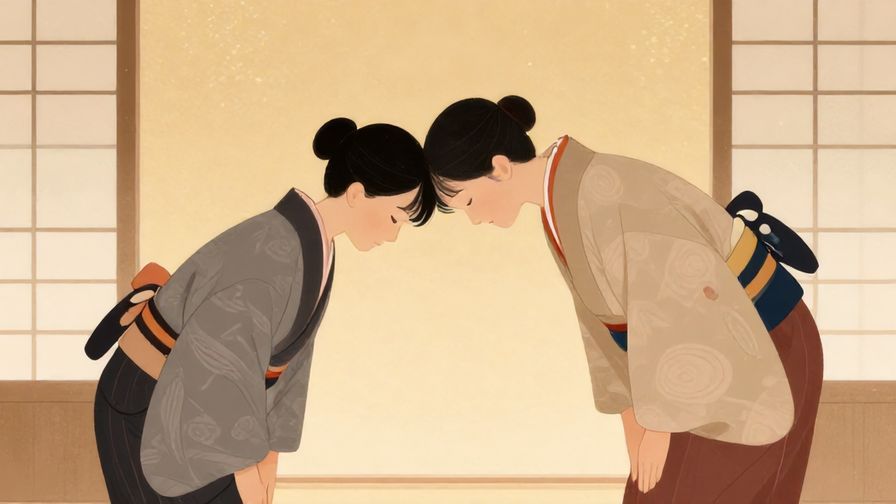
This phrase is very formal and expresses honor in helping someone.
It’s perfect for very respectful or important situations.
Use it when you want to elevate the gratitude exchange.
It conveys humility and deep respect.
Be cautious to use it only in appropriate formal contexts.
It’s a beautiful way to express heartfelt politeness.
15. 感謝します (Kansha shimasu) – “I appreciate it.”

This phrase means “I appreciate it” and can be used to respond to thanks by acknowledging the mutual respect.
It’s polite and sincere without being overly formal.
Great for emails, messages, or polite conversations.
It’s a versatile phrase that fits many settings.
Use it when you want to express gratitude back warmly.
It’s a neat way to keep the exchange positive.
16. どうぞお構いなく (Dōzo okamai naku) – “Please, don’t trouble yourself.”

This phrase is very polite and used to tell someone not to worry about the favor.
It’s a humble way to downplay your effort in formal contexts.
Perfect for business or formal social interactions.
Make sure the tone is gentle and respectful.
It keeps the conversation smooth and courteous.
Use it when you want to make others comfortable.
Part 3: Very Casual / Native-like Expressions
17. いいっていいって (Iitte iitte) – “It’s really no big deal.”

This phrase is very casual and used mainly among close friends.
It downplays the help and keeps the mood light and fun.
It’s like saying “Don’t mention it” or “No biggie.”
Perfect for relaxed, informal conversations.
Try not to use this in formal or unfamiliar settings.
It’s a phrase that makes you sound native and easygoing.
18. 気にすんなよ (Ki ni sunna yo) – “Don’t sweat it.”

This slangy phrase is very informal and masculine in tone.
It’s great for close male friends or casual hangouts.
It’s a strong way to say “No worries” or “It’s nothing.”
Only use it with people you know well!
It adds a very laid-back and friendly vibe.
Use it to sound like a local and relaxed native speaker.
19. まかせて (Makase te) – “Leave it to me.”

Though not a direct reply to thanks, it’s often said after helping to show confidence and willingness.
It implies “I’ve got you covered,” which feels reassuring.
It’s casual but friendly and encouraging.
Great for friends or coworkers in informal settings.
It’s a fun phrase to boost your conversational flair.
Try it when you want to sound helpful and confident.
20. いいよいいよ (Ii yo ii yo) – “It’s fine, it’s fine.”

This repetition makes the phrase feel extra casual and friendly.
It’s used to quickly reassure someone that no thanks are needed.
Perfect for casual friends or family.
It’s warm and very natural sounding.
Use it to keep the mood light and easygoing.
It’s a phrase that native speakers use often in daily life.
21. なんでもないよ (Nan demo nai yo) – “It’s nothing.”

This phrase is a humble, casual way to say your help was no big deal.
It’s friendly and makes the other person feel comfortable.
Great for friends and family conversations.
It’s easy to remember and sounds very natural.
Use it to express modesty and warmth.
It’s a staple phrase for native casual speech.
22. 手伝えてよかった (Tetsudaete yokatta) – “I’m glad I could help.”

This phrase shows your genuine happiness in assisting someone.
It’s casual but thoughtful and heartfelt.
Perfect to deepen bonds with friends and family.
It shows you care beyond just a formal reply.
Use it to express warmth and sincerity naturally.
It’s a nice phrase to share positive feelings.
23. 気にしないでね (Ki ni shinaide ne) – “Don’t worry about it, okay?”

This phrase adds “ね” to soften and make it sound more affectionate.
It’s great among friends and family to soothe any awkwardness.
The “ね” invites agreement and connection.
It’s casual and warm, perfect for everyday use.
Use it to make your response feel caring and close.
It’s a phrase that native speakers often use to show friendliness.
24. また何かあったら言ってね (Mata nanika attara itte ne) – “If you need anything, just say so.”

This phrase is a casual, friendly way to encourage future help requests.
It shows you’re open and willing to assist anytime.
Perfect for close relationships and informal situations.
Adding “ね” makes it sound even warmer and inviting.
It’s a lovely way to keep the connection alive.
Try it to sound approachable and genuinely caring.
Concluding Thought
Responding to “Thank you” in Japanese offers a beautiful chance to show warmth, respect, and personality through language.
From polite business phrases to casual native expressions, each response carries a unique vibe that deepens your connection with others.
Keep practicing these phrases, and you’ll find your Japanese conversations becoming more natural, heartfelt, and enjoyable. Ganbatte!