24 Japanese ways to say “Excuse Me”
Learning how to say “excuse me” in Japanese opens up so many doors—literally and figuratively.
Whether you’re navigating a crowded train or politely getting someone’s attention, there’s a perfect phrase for every occasion.
Japanese has a rich variety of expressions for “excuse me,” each carrying its own nuance and context.
Having these phrases in your pocket can make your interactions smoother and more natural, whether casual or formal.
Plus, mastering them helps you connect better with locals and shows respect for the culture.
Ready to explore 24 warm, casual, and polite ways to say “excuse me” in Japanese? Let’s dive in!
Understanding “Excuse Me” in Japanese
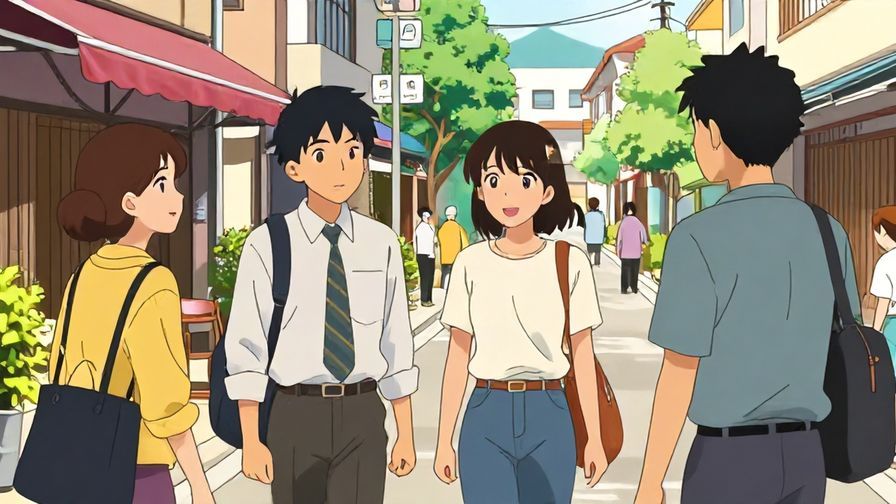
Before we jump into the list, it’s good to know that “excuse me” covers several meanings in Japanese: apologizing, getting attention, or politely passing by.
Each phrase has its perfect place, so knowing when to use which will really help you sound natural.
Some are casual, some are formal, and some express deep humility.
Sometimes, using a great beginner phrasebook can give you a perfect starting point for a cohesive understanding.
Practice makes perfect, and soon you’ll feel confident switching between these expressions.
Let’s start with some casual suggestions that you can use in daily life!
Part 1: Casual Suggestions
1. すみません (Sumimasen) – “Excuse me” / “Sorry”

Sumimasen is your go-to phrase for almost any “excuse me” situation.
It literally means “I am sorry” but is used for getting attention, apologizing, or thanking someone politely.
It’s super versatile and polite enough for casual and slightly formal situations.
Think of it as your polite all-purpose “excuse me.”
For example, when you want to get past someone or call a waiter, just say sumimasen.
Keep this phrase handy—it’s the foundation of polite Japanese communication.
2. ごめんなさい (Gomennasai) – “I’m sorry”

Gomennasai is a heartfelt apology, perfect for when you’ve made a mistake.
This phrase is more apologetic than sumimasen, so it’s best used when you really want to express regret.
It shows humility and sincerity, making it great for personal apologies.
Use it with people you know or in situations requiring deeper remorse.
Remember, gomennasai is not used for getting attention but for apologizing.
It’s a kind, warm way to say sorry and smooth over awkward moments.
3. ちょっといいですか (Chotto ii desu ka) – “Excuse me, can I ask something?”

Use this phrase when you want to politely interrupt or get someone’s attention.
Chotto means “a little,” and ii desu ka means “is it okay?” so literally “Is a little okay?”
This is great for asking questions or making a small request.
It sounds natural and respectful in everyday conversations.
Try this when you want to say “Excuse me, can I ask you something?”
It’s a soft and friendly way to start a conversation.
4. 失礼します (Shitsurei shimasu) – “Excuse me for interrupting” / “Pardon me”
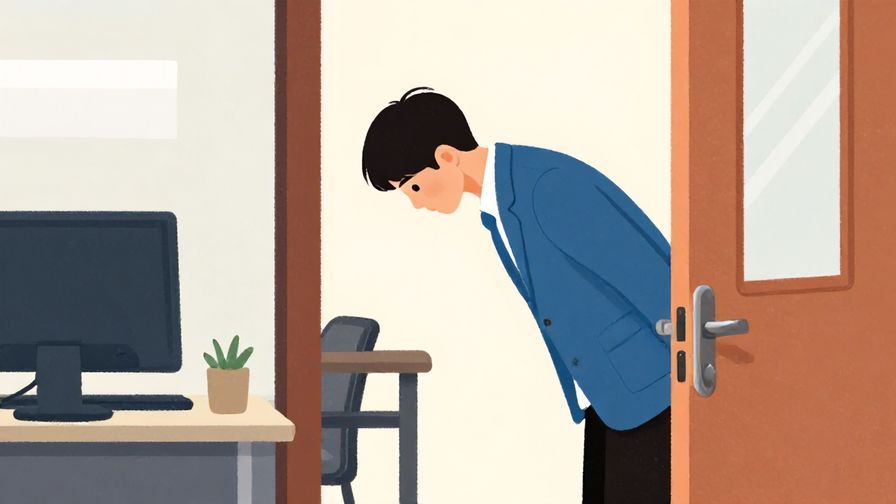
Shitsurei shimasu is a polite way to excuse yourself when entering or leaving a room.
It literally means “I will be rude,” acknowledging that you’re interrupting or imposing.
Commonly used in workplaces or formal settings.
It’s respectful and humble, showing you value others’ time and space.
Use it when you enter someone’s office or leave a meeting.
It’s a great phrase to show your manners in professional environments.
5. ちょっとすみません (Chotto sumimasen) – “Excuse me for a moment”

This is a softer, more casual way to get attention.
Adding chotto (“a little” or “just a moment”) tones down sumimasen, making it less formal.
Perfect for quick interruptions or asking for a brief moment.
Use it in cafes or shops when you want to call a waiter politely.
It’s friendly and easy to remember.
A nice phrase for everyday polite exchanges.
6. ごめん (Gomen) – Casual “Sorry”

Gomen is the casual, shortened form of gomennasai.
Use it with friends or family when apologizing lightly.
It’s less formal but still polite enough for daily use.
Great for small mistakes like bumping into someone.
Remember not to use it in formal situations.
It keeps your apology warm and casual.
7. すいません (Suimasen) – Casual “Excuse me” / “Sorry”

Suimasen is a casual variant of sumimasen, often heard in informal speech.
It’s common in spoken Japanese among friends or in relaxed settings.
Works well for quick apologies or getting attention casually.
Try it in cafes, shops, or with acquaintances.
It’s a bit lighter and more conversational.
A handy phrase for everyday use.
8. ちょっと失礼 (Chotto shitsurei) – “Excuse me (briefly)”

This is a short, casual form of shitsurei shimasu.
Use it when you need to quickly excuse yourself or pass by someone.
It’s polite without being too formal.
Great for casual office or social settings.
Use it when you want to say “excuse me” in passing.
It’s friendly and respectful.
Part 2: Polite & Formal Suggestions
9. 申し訳ありません (Moushiwake arimasen) – “I have no excuse” / “I’m very sorry”
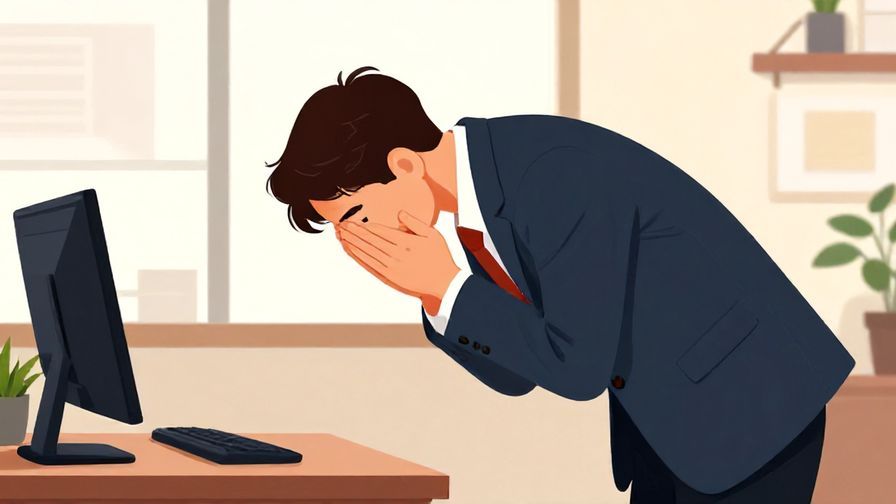
This is a very formal apology, conveying deep regret.
Used in serious situations where you want to show utmost sincerity.
It literally means “there is no excuse.”
Common in business or customer service to express strong apologies.
Use it to make a powerful, respectful apology.
It shows you take responsibility seriously.
10. 恐れ入ります (Osoreirimasu) – “Excuse me for the trouble”
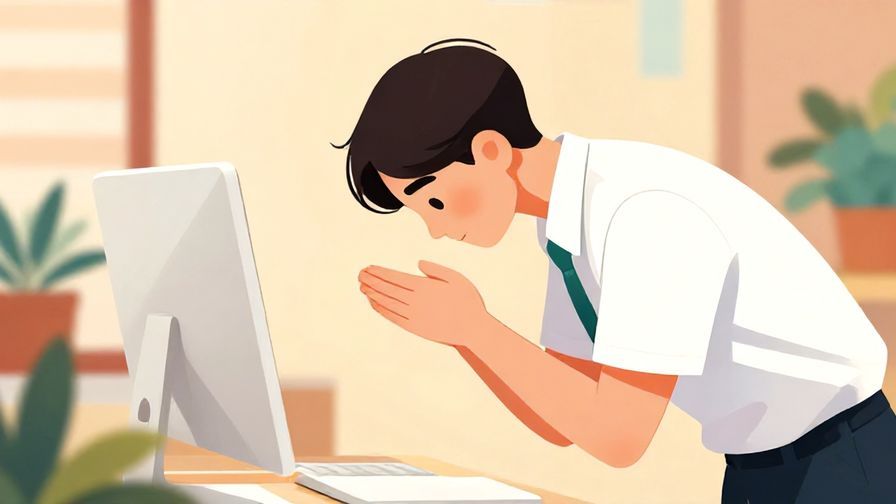
Osoreirimasu expresses humility and respect when asking a favor or interrupting.
It’s a formal way to say “excuse me” or “thank you for your trouble.”
Often used in business or customer interactions.
Use it to sound humble and polite.
This phrase helps smooth formal conversations.
It’s perfect when you want to show gratitude and respect simultaneously.
11. お邪魔します (Ojama shimasu) – “Excuse me for disturbing you”
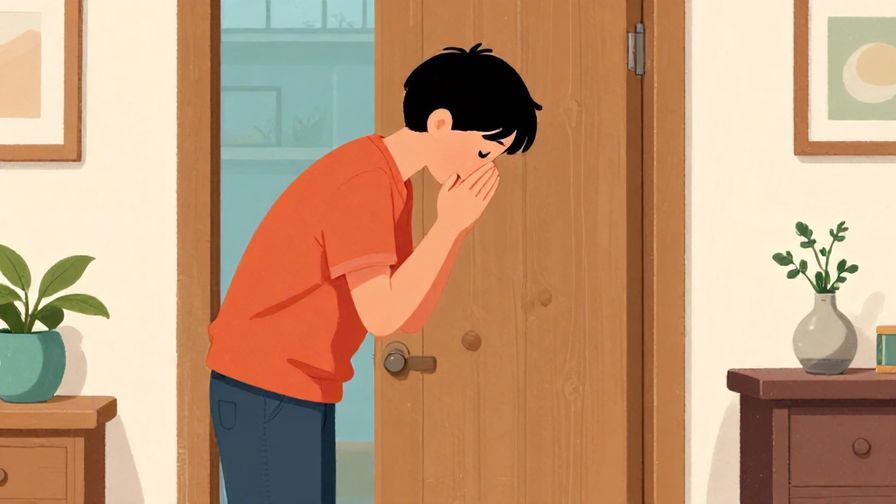
Ojama shimasu is used when entering someone’s home or personal space.
It means “I’m disturbing you” and shows respect for their privacy.
A must-know phrase if you’re invited to a Japanese home.
Use it right as you step inside.
It’s polite and acknowledges you’re entering respectfully.
A warm phrase that makes guests feel considerate.
12. 失礼いたします (Shitsurei itashimasu) – Very polite “Excuse me”

This is a humble and very polite version of shitsurei shimasu.
It’s used to excuse yourself formally or to politely leave a conversation.
Common in business meetings or formal events.
Use it to sound extra respectful and professional.
It conveys humility and good manners.
Perfect for impressing in formal Japanese contexts.
13. 恐縮です (Kyoushuku desu) – “I’m sorry to bother you”
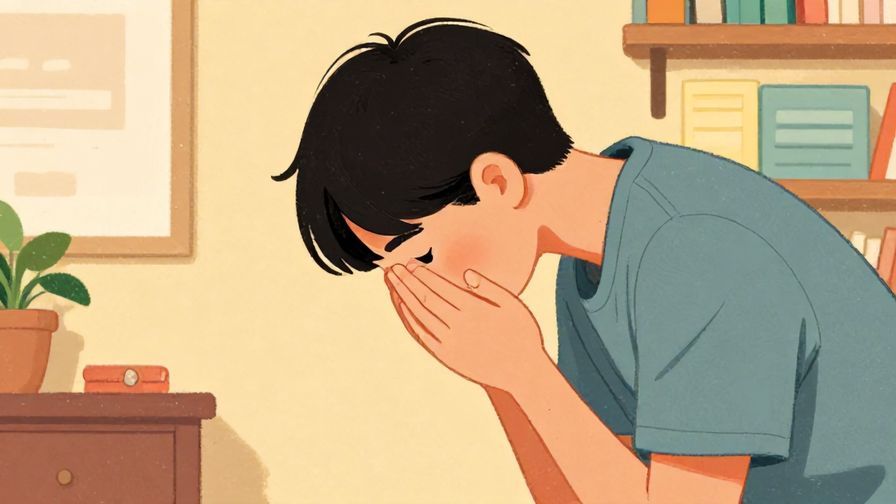
Kyoushuku desu is a humble way to apologize for causing inconvenience.
It’s perfect for situations where you feel you might be imposing.
Use it in polite requests or when interrupting.
It shows you care about others’ feelings.
Commonly used in business or formal settings.
It’s a thoughtful phrase to soften your request.
14. お先に失礼します (Osaki ni shitsurei shimasu) – “Excuse me for leaving first”

This phrase is used when leaving work before others.
It politely excuses your early departure.
It literally means “Excuse me for leaving before you.”
Use it to show respect to coworkers.
It’s a staple phrase in Japanese office culture.
It keeps workplace harmony intact.
15. お疲れ様です (Otsukaresama desu) – “Thank you for your hard work” / “Excuse me”

Otsukaresama desu is more of a greeting or farewell but can also politely get someone’s attention.
It literally means “You must be tired,” showing appreciation.
Use it when interrupting or passing by colleagues.
It’s a warm, respectful phrase in work settings.
It helps maintain a friendly, polite atmosphere.
Great to use daily at work or school.
16. 少々失礼します (Shoushou shitsurei shimasu) – “Excuse me for just a moment”

This polite phrase is perfect for brief interruptions or passing through.
Shoushou means “a little” or “just a moment.”
Use it to be extra courteous when you need a short moment.
It’s more formal than chotto sumimasen.
Great for formal social or business environments.
It shows you respect others’ time and space.
Part 3: Very Casual / Native-like Expressions
17. ごめんね (Gomen ne) – Casual “Sorry” with warmth
Gomen ne adds a soft, caring nuance to gomen.
It’s often used between friends or family to apologize warmly.
The “ne” softens the phrase, making it feel more affectionate.
Use it to keep apologies lighthearted and sincere.
Great for casual, friendly exchanges.
It shows you care about the other person’s feelings.
18. ちょっと待って (Chotto matte) – “Excuse me, wait a moment”

Use this phrase to ask someone to wait briefly.
It’s casual and very common in daily life.
Chotto means “a little,” and matte means “wait.”
Perfect for quick interruptions or pauses.
Easy to remember and sounds natural.
Great for friends or informal situations.
19. ちょっとすみませんね (Chotto sumimasen ne) – “Excuse me, sorry” with a soft touch

This phrase adds a gentle, friendly nuance to sumimasen.
The “ne” at the end makes it sound softer and more approachable.
Use it when you want to be polite but casual.
Works well in relaxed social settings.
It’s a great way to be polite without sounding stiff.
Try it when asking for help or attention informally.
20. ちょっと失礼ね (Chotto shitsurei ne) – “Excuse me (casual, friendly)”

This is a casual, playful way to say “excuse me.”
Adding “ne” makes it sound light and friendly.
Perfect for close friends or family.
Not suitable for formal situations.
Good for teasing or gentle interruptions.
It shows closeness and ease in the relationship.
21. おっと失礼 (Otto shitsurei) – “Oops, excuse me”

Use this phrase when you accidentally bump into someone or make a small mistake.
Otto is like “oops,” adding a lighthearted tone.
It’s casual and sounds natural among friends.
Good for everyday slip-ups or funny moments.
Keeps the mood light while still polite.
It’s a handy phrase for casual apologies.
22. ちょっと通りますよ (Chotto toorimasu yo) – “Excuse me, I’m passing through”

This phrase is used when you need to pass through a crowded place.
It politely alerts others with a casual tone.
“Chotto” means “a little,” “toorimasu” means “passing,” and “yo” adds emphasis.
Great for markets, trains, or busy streets.
It’s natural and clear in everyday life.
Use it to avoid bumping into people.
23. ちょっと失礼しますね (Chotto shitsurei shimasu ne) – “Excuse me (soft and casual)”

This phrase blends politeness with casual friendliness.
The “ne” softens the tone to sound warm and approachable.
Use it when you want to be polite but not stiff.
Perfect for informal social settings or small interruptions.
It’s easy to say and feels natural.
Great for everyday polite conversation.
24. すみません、ちょっと失礼します (Sumimasen, chotto shitsurei shimasu) – “Excuse me, I’m just going to…”

This phrase combines sumimasen and shitsurei shimasu for a polite excuse.
Use it when you want to excuse yourself gently.
It works well in both casual and semi-formal situations.
It’s a thoughtful way to leave without abruptness.
Shows respect and consideration.
A perfect phrase to keep your manners sharp.
Concluding Thought
Exploring these 24 ways to say “excuse me” in Japanese shows just how nuanced and rich the language is.
Each phrase fits a unique moment, helping you connect with others in a polite and natural way.
Keep practicing, and soon you’ll slip effortlessly between casual and formal expressions with warmth and confidence!