24 Japanese ways to say “Long Time No See”
“Long time no see” is one of those warm, friendly greetings that instantly reconnects people. In Japanese, there are lots of ways to express this sentiment, each with its own vibe and nuance.
Whether you want to sound casual, polite, or just more natural, knowing different ways to say “long time no see” can make your conversations feel more heartfelt and fun.
In this list, we’ll explore 24 Japanese expressions for “long time no see,” complete with pronunciation guides and explanations that are easy to follow.
From formal phrases perfect for work to casual ones you can use with friends, this article has you covered. Plus, learning these will help you sound more like a native speaker!
Ready to add some warmth and variety to your greetings? Let’s dive in and discover some great Japanese expressions together.
By the end, you’ll have plenty of new phrases to use the next time you bump into someone after a while!
Understanding the Variety of “Long Time No See” in Japanese
Japanese has many ways to say “long time no see,” depending on the context and relationship.
Some phrases are casual and friendly, while others are more formal and respectful. It’s helpful to learn a mix so you can pick the right tone.
Each expression carries a slightly different feeling, from joyful surprise to polite acknowledgment.

Sometimes, using a great beginner phrasebook can give you a perfect starting point for a cohesive understanding.
With practice, you’ll get the hang of picking the right phrase for every situation.
Let’s explore these expressions section by section, starting with casual suggestions.
Part 1: Casual Suggestions
1. 久しぶり (Hisashiburi) – “Long time no see.”

This is the most common and straightforward way to say “long time no see.”
It literally means “it’s been a while,” and you can use it with friends, family, or colleagues you know well. The pronunciation is hisashiburi (hee-sah-shee-boo-ree).
It’s casual but polite enough for most everyday situations.
Using 久しぶり instantly conveys warmth and happiness to see someone again.
You might hear it shortened to just “hisashiburi!” among close friends.
Don’t hesitate to use this phrase when you’re catching up with people you haven’t seen for a bit—it’s friendly and natural.
2. お久しぶりです (Ohisashiburi desu) – “Long time no see” (polite)

This is the polite version of 久しぶり, adding the honorific お (o) and です (desu).
Use ohisashiburi desu (oh-hee-sah-shee-boo-ree dess) in formal or professional contexts.
It shows respect while still expressing the joy of seeing someone after a while.
Perfect for coworkers, teachers, or acquaintances you want to be courteous with.
Remember to pair this with a slight bow or smile to enhance politeness.
This phrase helps maintain professionalism without feeling cold or distant.
3. 久々 (Hisabisa) – “Long time no see” (informal)

久々 is a shorter, more informal way to say “long time no see.”
Pronounced hisabisa (hee-sah-bee-sah), it’s often used in casual conversation among close friends.
It feels a bit more playful and spontaneous than 久しぶり.
You can easily drop it in texts, chats, or casual meetups.
It’s good for showing excitement without sounding too formal or stiff.
Try using it next time you reunite with a friend unexpectedly.
4. 久しぶりだね (Hisashiburi da ne) – “Long time no see, huh?”
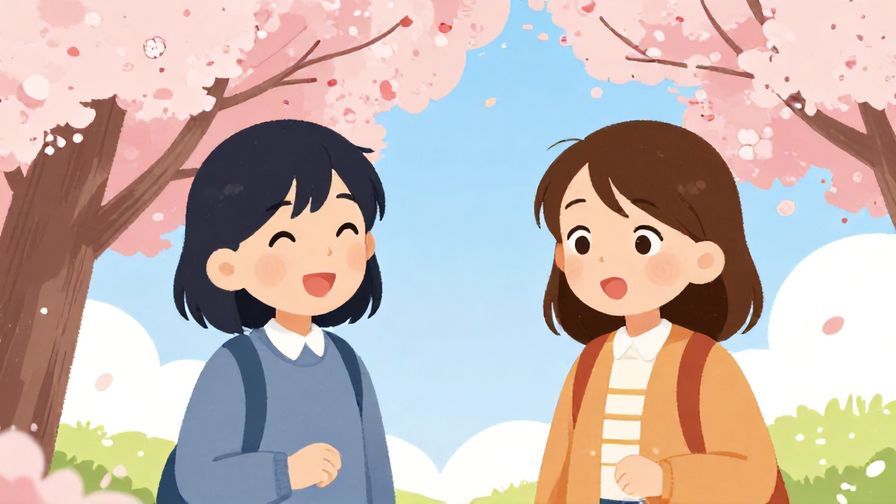
This adds a friendly, conversational tone to 久しぶり by adding だね (da ne), which softens the phrase.
Pronounced hisashiburi da ne (hee-sah-shee-boo-ree dah neh), it’s perfect for casual chats.
The “da ne” part is like saying “right?” or “huh?” to invite agreement or shared feeling.
It’s warm and engaging, making your greeting feel more personal.
Great when you want to sound natural and approachable.
Use it with friends or family you feel comfortable with.
5. すごく久しぶり!(Sugoku hisashiburi!) – “It’s been really long!”

Adding すごく (sugoku – very/really) intensifies the feeling of a long time apart.
Say sugoku hisashiburi (soo-goh-koo hee-sah-shee-boo-ree) to show enthusiastic surprise.
This phrase amps up the excitement of reuniting after a long gap.
It’s casual but conveys strong emotions of happiness.
You’ll often hear this between close friends who haven’t met for ages.
It’s a great way to express just how much you missed seeing someone.
6. 久しぶりに会ったね (Hisashiburi ni atta ne) – “We met after a long time, huh?”

This phrase focuses on the meeting itself, using 会った (atta – met) and ね (ne – right?).
Pronounced hisashiburi ni atta ne (hee-sah-shee-boo-ree nee aht-tah neh).
It’s casual and conversational, implying joy in the reunion moment.
Use it when you want to highlight the act of seeing someone again.
It’s a natural way to remark on catching up after a while.
Perfect for casual encounters or planned meetups.
7. 久しぶりに話せて嬉しい (Hisashiburi ni hanasete ureshii) – “I’m happy to talk to you after a long time.”
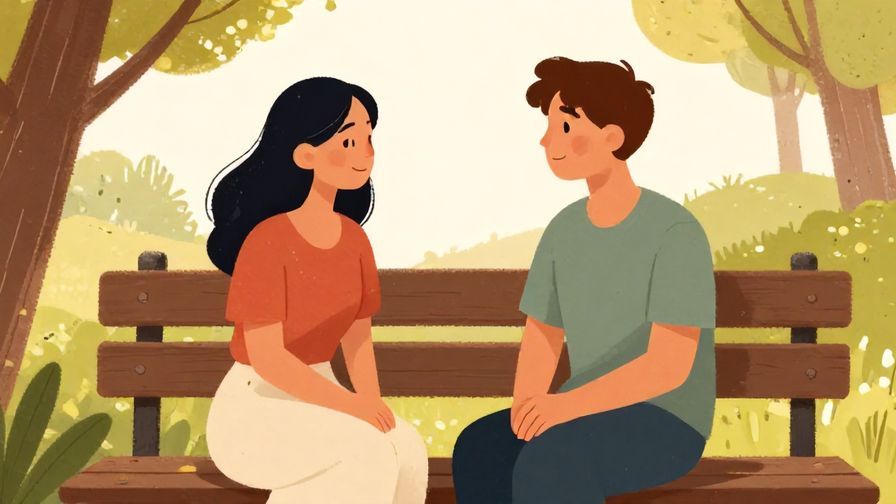
This phrase adds a feeling of gratitude and happiness to reconnecting.
Pronounced hisashiburi ni hanasete ureshii (hee-sah-shee-boo-ree nee ha-nah-seh-teh oo-reh-shee).
It literally means “It’s been a while, and I’m glad to talk to you.”
Use it to express sincere joy in hearing from someone again.
This phrase feels warm and thoughtful, great for deeper connections.
Try it when you want to make your greeting extra meaningful.
8. 久しぶりに元気? (Hisashiburi ni genki?) – “Long time no see, how are you?”

This is a casual greeting that combines “long time no see” with “how have you been?”
Say hisashiburi ni genki? (hee-sah-shee-boo-ree nee gen-kee) to check in warmly.
It invites a friendly catch-up beyond just saying hello.
Great for friends or acquaintances you want to reconnect with sincerely.
It’s easy to remember and starts conversations naturally.
Use it next time you want to show you care about someone’s well-being.
Part 2: Polite & Formal Suggestions
9. ご無沙汰しております (Gobusatashite orimasu) – “It’s been a while” (formal)

This is a formal phrase used in business or very polite settings.
Pronounced gobusatashite orimasu (go-boo-sah-tah-shee-teh oh-ree-mahss).
It literally means “I have been neglecting to contact you,” showing humility.
Use it when writing emails or greeting clients after a long absence.
It’s respectful and appropriate for professional relationships.
Mastering this phrase will impress in formal Japanese communication.
10. お久しぶりでございます (Ohisashiburi de gozaimasu) – “Long time no see” (very polite)

This phrase is a very polite version of お久しぶりです.
Pronounced ohisashiburi de gozaimasu (oh-hee-sah-shee-boo-ree deh goh-zah-ee-mahss).
It’s often used by people in formal or older generation contexts.
Use it to show deep respect or in very official situations.
It sounds elegant and refined without losing warmth.
Perfect for speeches or formal letters.
11. ご無沙汰しておりますが、お元気ですか (Gobusatashite orimasu ga, ogenki desu ka) – “It’s been a while, how are you?”

This formal greeting adds a polite inquiry after the long absence.
Pronounced gobusatashite orimasu ga, ogenki desu ka (go-boo-sah-tah-shee-teh oh-ree-mahss gah oh-gen-kee dess kah).
It’s useful for polite letters or phone calls with clients or superiors.
Shows both humility for the silence and interest in the other person’s health.
Using this phrase keeps relationships warm in formal settings.
A great way to maintain professionalism with a personal touch.
12. ご無沙汰しておりますが、いかがお過ごしですか? (Gobusatashite orimasu ga, ikaga osugoshi desu ka?) – “It’s been a while, how have you been?”
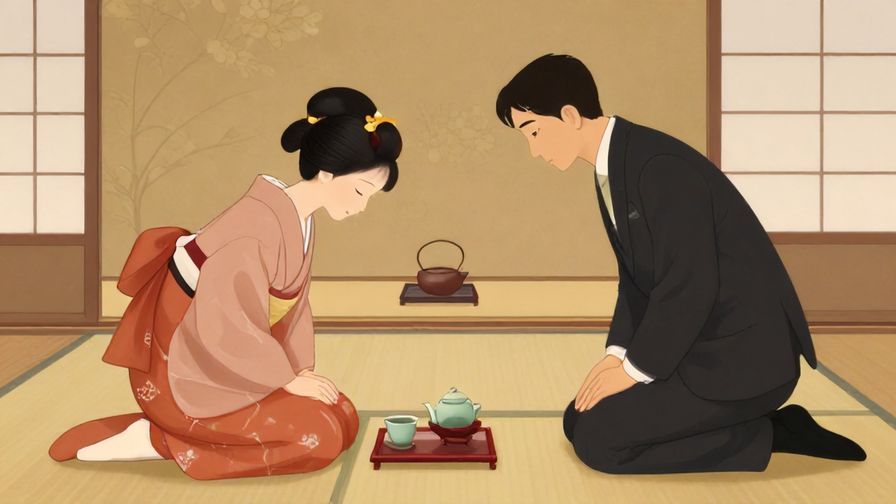
This adds a more formal and refined way to ask “how are you?”
Pronounced gobusatashite orimasu ga, ikaga osugoshi desu ka (go-boo-sah-tah-shee-teh oh-ree-mahss gah ee-kah-gah oh-soo-goh-shee dess kah).
It’s perfect for formal letters or conversation with superiors or elders.
Shows concern and respect, suitable for distant but important relationships.
It’s a polished way to reconnect with grace.
Try this when you want to sound especially courteous.
13. お久しぶりでございますが、お変わりありませんか? (Ohisashiburi de gozaimasu ga, okawari arimasen ka?) – “Long time no see, is everything well?”
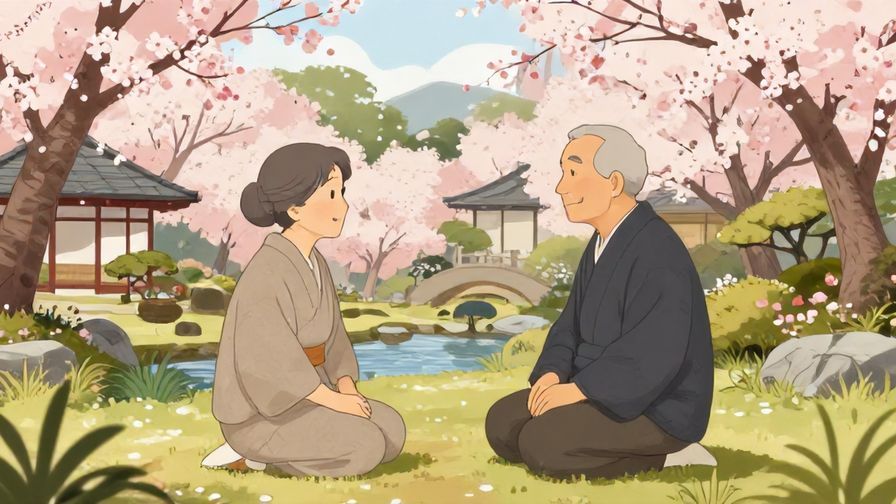
This is an elegant and polite way to ask if someone has been well after a long gap.
Pronounced ohisashiburi de gozaimasu ga, okawari arimasen ka (oh-hee-sah-shee-boo-ree deh goh-zah-ee-mahss gah oh-kah-wah-ree ah-ree-mah-sen kah).
It’s often used in formal letters or phone greetings.
Perfect for situations where you want to convey respect and genuine concern.
This phrase blends warmth with formal etiquette.
Great for reconnecting with mentors or senior colleagues.
14. ご無沙汰しております、お元気でいらっしゃいますか? (Gobusatashite orimasu, ogenki de irasshaimasu ka?) – “It’s been a while, are you well?”

This is another very formal, respectful way to ask about someone’s health.
Pronounced gobusatashite orimasu, ogenki de irasshaimasu ka (go-boo-sah-tah-shee-teh oh-ree-mahss oh-gen-kee deh ee-rah-shy-mahss kah).
Use it in business or very formal social contexts.
It shows high respect and politeness.
Great for maintaining professional connections after time apart.
This phrase helps keep communication smooth and courteous.
15. ご無沙汰しておりますが、ご健勝のことと存じます (Gobusatashite orimasu ga, gokenshō no koto to zonjimasu) – “It’s been a while, I hope you are in good health.”
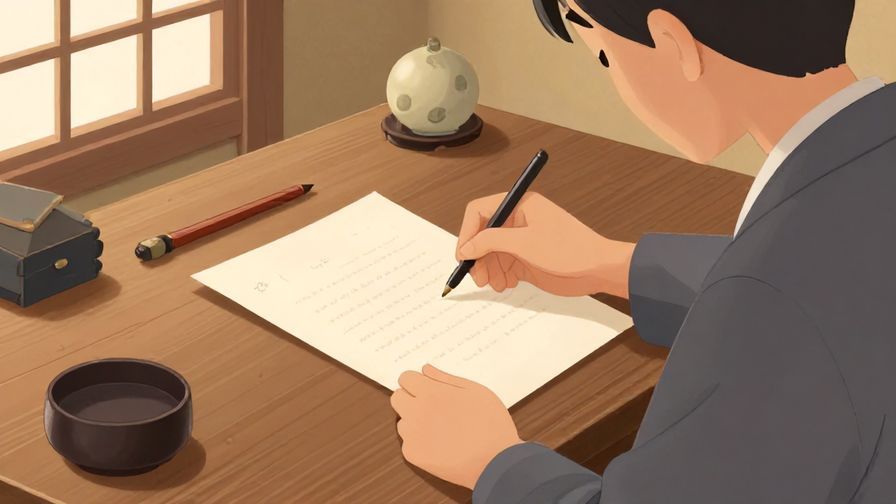
This phrase is very formal and often used in written correspondence.
Pronounced gobusatashite orimasu ga, gokenshō no koto to zonjimasu (go-boo-sah-tah-shee-teh oh-ree-mahss gah go-ken-shoh no ko-toh toh zon-jee-mahss).
It expresses hope for the recipient’s good health respectfully.
Perfect for business letters or formal emails.
It’s polite and thoughtful, adding a sincere touch.
Using this phrase shows you value the relationship deeply.
16. お久しぶりでございますが、変わりなくお過ごしでしょうか? (Ohisashiburi de gozaimasu ga, kawari naku osugoshi deshō ka?) – “Long time no see, are you doing well as usual?”
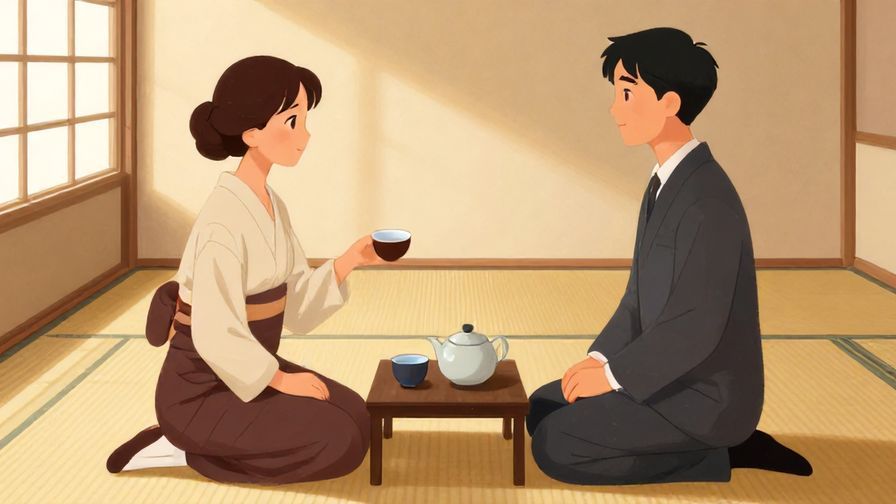
This phrase politely asks if everything is normal and well since last meeting.
Pronounced ohisashiburi de gozaimasu ga, kawari naku osugoshi deshō ka (oh-hee-sah-shee-boo-ree deh goh-zah-ee-mahss gah kah-wah-ree nah-koo oh-soo-goh-shee dessh-oh kah).
Use it to check in respectfully while maintaining a warm tone.
It’s suitable for formal social circles or business acquaintances.
This phrase balances formality with genuine interest.
Try it when writing or speaking to someone you respect but haven’t seen for a while.
Part 3: Very Casual / Native-like Expressions
17. ちょっと久しぶりじゃん! (Chotto hisashiburi jan!) – “Hey, it’s been a bit!”

This is a casual, friendly way to say “long time no see” with a bit of playful emphasis.
Pronounced chotto hisashiburi jan (choht-toh hee-sah-shee-boo-ree jahn).
“Chotto” means “a little,” and “jan” is a casual sentence ending similar to “right?”
Use it with good friends when you want to sound fun and relaxed.
This phrase captures that native, informal vibe perfectly.
Great for casual social media chats or in-person greetings.
18. 久しぶり〜!元気? (Hisashiburi~! Genki?) – “Long time no see! How are you?”

This is a casual and very natural greeting combining “long time no see” with “how are you?”
Pronounced hisashiburi~ genki? (hee-sah-shee-boo-ree gen-kee).
The tilde (~) represents a drawn-out, friendly tone.
It’s easygoing and spontaneous, perfect for texting or speaking.
Use this to sound like a native speaker who’s happy to see you.
It’s simple, warm, and instantly recognizable.
19. 久しぶりに会えて嬉しい! (Hisashiburi ni aete ureshii!) – “I’m happy to see you after a long time!”

This phrase expresses happiness explicitly about meeting after a long time.
Pronounced hisashiburi ni aete ureshii (hee-sah-shee-boo-ree nee ah-eh-teh oo-reh-shee).
It’s casual but heartfelt and often used in friendly reunions.
Perfect for showing your emotions openly.
Use it to deepen bonds and share your excitement.
This phrase makes your greeting feel sincere and warm.
20. すごく久しぶり!会いたかったよ! (Sugoku hisashiburi! Aitakatta yo!) – “It’s been really long! I missed you!”
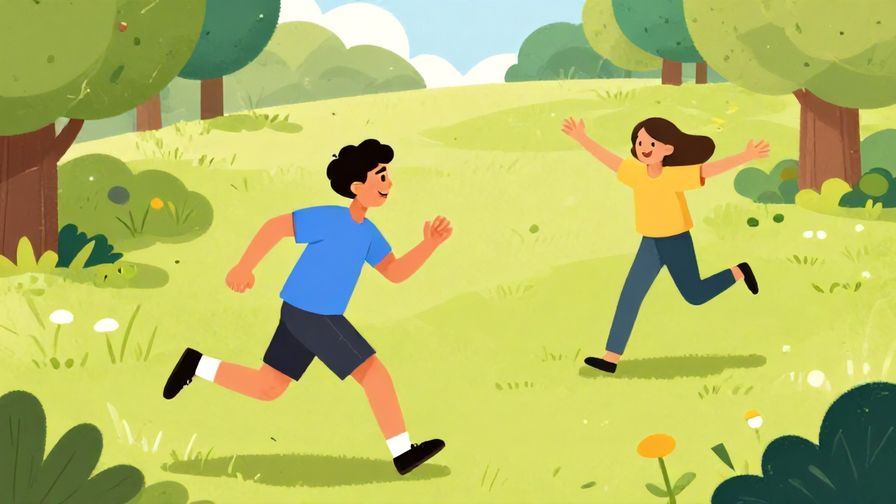
This is an enthusiastic and emotionally charged greeting.
Pronounced sugoku hisashiburi! aitakatta yo (soo-goh-koo hee-sah-shee-boo-ree! ai-tah-kaht-tah yoh).
“Aitakatta” means “I wanted to see you,” adding depth to the phrase.
Use it with close friends or loved ones when you really mean it.
This phrase is perfect for joyful reunions after long separations.
It shows your eagerness and affection clearly.
21. 久しぶりに話そう! (Hisashiburi ni hanasou!) – “Let’s talk after a long time!”

This phrase invites a catch-up conversation after a while apart.
Pronounced hisashiburi ni hanasou (hee-sah-shee-boo-ree nee ha-nah-soh).
It’s casual and friendly, perfect for reconnecting.
Use it when you want to suggest spending some quality time chatting.
This phrase encourages bonding and meaningful interaction.
Great for renewing old friendships or acquaintances.
22. 久しぶりだけど、元気そうでよかった! (Hisashiburi dakedo, genki sō de yokatta!) – “Long time no see, glad you look well!”

This is a warm greeting that shows relief and happiness about the other person’s well-being.
Pronounced hisashiburi dakedo, genki sō de yokatta (hee-sah-shee-boo-ree dah-keh-doh gen-kee soh deh yoh-kaht-tah).
It’s casual but caring and thoughtful.
Use this phrase to express genuine concern and happiness in one go.
This makes your greeting feel very personal and considerate.
Perfect for friends or family you haven’t seen in a while.
23. もうずっと会ってなかったね (Mō zutto atte nakatta ne) – “We haven’t met for a long time, huh?”
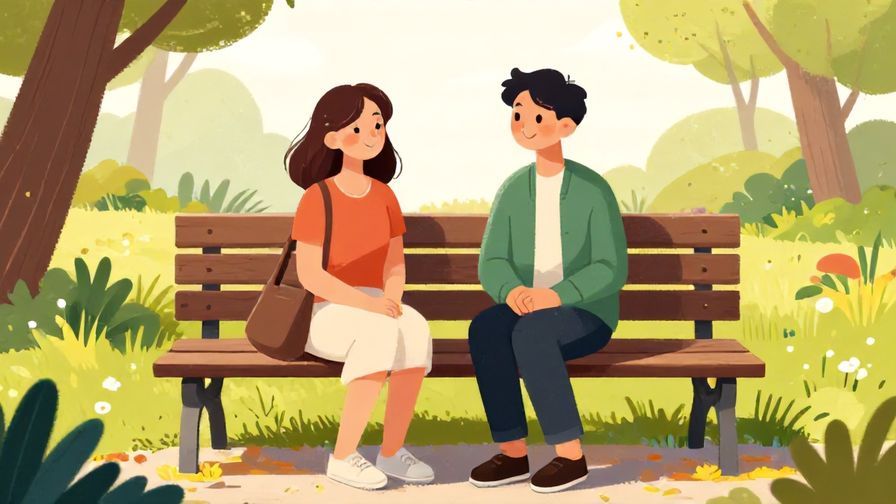
This phrase reflects on the long time that has passed since the last meeting.
Pronounced mō zutto atte nakatta ne (moh zoot-toh aht-teh nah-kaht-tah neh).
“Mō” means “already,” and “zutto” means “all along” or “for a long time.”
It’s casual and nostalgic, great for friendly catch-ups.
Use it to start a conversation about times gone by.
This helps deepen the emotional connection.
24. 久しぶり!またね! (Hisashiburi! Mata ne!) – “Long time no see! See you again!”

A simple and friendly way to say both “long time no see” and “see you later.”
Pronounced hisashiburi! mata ne! (hee-sah-shee-boo-ree! mah-tah neh).
It’s casual and optimistic, perfect for informal goodbyes.
Use it to end a reunion on a positive, upbeat note.
This phrase leaves the door open for future meetings.
Ideal for friends or casual acquaintances.
Concluding Thought
Exploring these 24 ways to say “long time no see” in Japanese reveals the richness of the language and culture.
Whether you choose casual, polite, or native-like expressions, each phrase helps you connect more personally and appropriately with others.
Keep practicing and trying them out—you’ll find your greetings becoming naturally warmer and more authentic every time you reunite with someone special.