24 Japanese ways to say “See You Later”
Ever found yourself wanting to say “See you later” in Japanese but unsure what phrase fits best? Whether you’re chatting with friends or leaving a formal meeting, the Japanese language offers a charming variety of ways to say goodbye with the promise of meeting again.
From casual to polite, and even some native-flavored expressions, these phrases can help you sound warm, friendly, and natural. Learning these will not only boost your vocabulary but also deepen your cultural understanding.
Each phrase here comes with a pronunciation guide and a quick explanation, so you can easily practice and remember them. Ready to expand your Japanese goodbye toolkit? Let’s dive in!
Mastering these will make your conversations smoother and more heartfelt, no matter the occasion. Plus, it’s fun to sprinkle in different expressions depending on who you’re talking to.
By the end, you’ll feel confident saying “see you later” in multiple ways — perfect for friends, colleagues, or new acquaintances.
Let’s get started and make each parting a sweet “until next time.”
Understanding the Basics of Saying “See You Later” in Japanese
Japanese offers a rich palette of farewell expressions, each suited to different contexts and relationships.
Some are super casual and perfect for friends, while others are polite or formal for work or respectful situations. Knowing when to use which phrase will help you sound natural and appropriate.
Keep in mind, many of these expressions imply “until next time” or “see you soon,” creating a warm feeling of connection rather than a harsh goodbye.
Sometimes, using a great beginner phrasebook can give you a perfect starting point for a cohesive understanding.
Once you grasp the tone and nuance of each phrase, you’ll be ready to mix and match them naturally.
And don’t worry — most of these are easy to remember and fun to use!
Part 1: Casual Suggestions
1. 行けたら行く (Iketara iku) – “I’ll come if I can.”
This phrase literally means “If I can go, I will go.”
It’s a laid-back way to say you might drop by later, often used among friends when plans are flexible. It’s casual and non-committal, perfect when you’re not sure yet but want to keep it open.
Using this phrase signals politeness mixed with casual uncertainty, which can soften your goodbye.
It’s a great starter phrase for beginners because it’s simple but culturally natural.
A related phrase is “またね (Mata ne),” meaning “See you again.”
Keep this handy when you want to sound easygoing and friendly without pressure.
2. またね (Mata ne) – “See you again.”

“またね (Mata ne)” is one of the most common casual ways to say “See you later.”
It literally means “again,” implying you’ll meet again soon. It’s easy to remember, just “mata” (again) + “ne” (a sentence-ending particle adding softness).
Perfect for friends and close colleagues, it leaves the door open for the next meetup.
Just remember, it’s casual — avoid using it in formal situations.
Example: After hanging out, say “じゃあ、またね!” (Jā, mata ne!) meaning “Well then, see you later!”
Try using this phrase daily with friends to build familiarity and confidence.
3. また明日 (Mata ashita) – “See you tomorrow.”
“また明日 (Mata ashita)” means “See you tomorrow.”
It’s ideal when you know you’ll see someone the next day. “また” means “again,” and “明日” means “tomorrow.”
This phrase is super practical and easy to use in school or work settings.
It’s casual but slightly more specific than just “またね.”
Try pairing it with a smile to sound warm and genuine.
Use it when you want to confirm plans for the next day naturally.
4. じゃあね (Jā ne) – “See ya.”

“じゃあね (Jā ne)” is a very casual “See you” or “See ya.”
“じゃあ” means “Well then,” and “ね” softens the phrase, making it friendly and informal.
It’s great for quick goodbyes among close friends or family.
Avoid using this with strangers or in formal situations as it might feel too casual.
Example: “じゃあね、またね!” (Jā ne, mata ne!) – “See ya, see you again!”
Practice this with your casual circle for an easy, natural exit phrase.
5. バイバイ (Baibai) – “Bye-bye.”
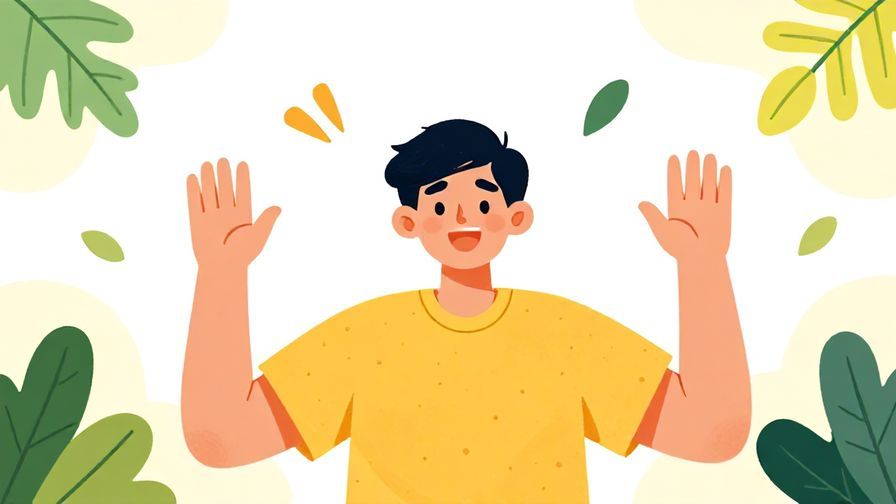
“バイバイ (Baibai)” is the Japanese version of “bye-bye.”
It’s borrowed from English and widely used in casual settings, especially among kids and young people.
If you want a playful and easy phrase, this is perfect.
It’s informal and not suitable for formal or business contexts.
Use it when you want to keep things light and fun.
Try it out with friends or in casual chats online.
6. また後でね (Mata ato de ne) – “See you later.”
“また後でね (Mata ato de ne)” literally means “See you later.”
“また” means “again,” “後で” means “later,” and “ね” adds a soft, friendly tone.
This phrase is casual but a bit more specific about the time frame.
It’s great if you plan to meet someone again soon that same day.
Try this one when leaving a coworker or friend you’ll see later.
It sounds natural and friendly without being too formal or too casual.
7. じゃ、また (Ja, mata) – “Well, see you.”
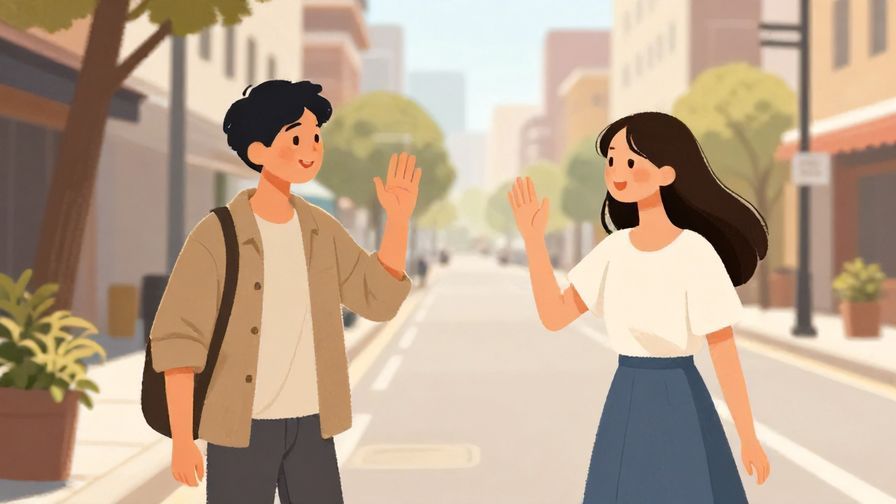
“じゃ、また (Ja, mata)” is a short and casual way to say “Well, see you.”
“じゃ” is like “well then,” and “また” means “again.”
This phrase feels spontaneous and friendly, perfect for informal goodbyes.
It’s easy to slip into conversation and sounds very natural.
Don’t use it in formal situations, but it’s great for everyday chats.
Practice it with friends to sound effortlessly native.
8. お疲れ様でした (Otsukaresama deshita) – “Thanks for your hard work, see you later.”
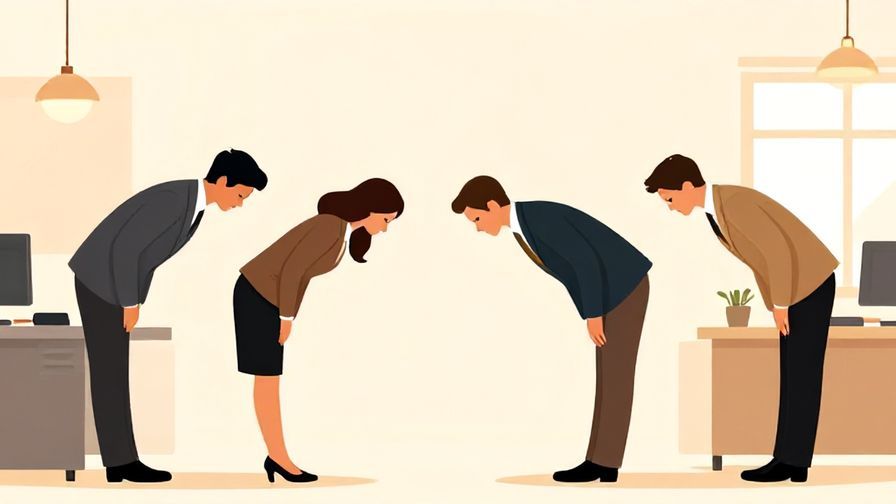
“お疲れ様でした (Otsukaresama deshita)” is a polite phrase often used at work to say “Thank you for your hard work” and imply “See you later.”
It’s a respectful way to part after a long day or task.
Though not literally “see you later,” it’s often understood that you’ll meet again soon.
Use it in professional settings or with colleagues.
Pair it with a slight bow for added politeness.
Great for ending meetings or shifts on a positive note.
Part 2: Polite & Formal Suggestions
9. 失礼します (Shitsurei shimasu) – “Excuse me/I’ll be taking my leave.”

“失礼します (Shitsurei shimasu)” is a formal phrase meaning “Excuse me” or “I’ll be taking my leave.”
It’s polite and used in business or formal situations when you’re leaving but expect to see the person again.
It literally means “I’m being rude” but is used to show respect.
Perfect for ending a meeting or leaving a workplace.
Try to use it with a respectful bow or nod.
This phrase helps you sound professional and courteous.
10. では、また (Dewa, mata) – “Well then, see you.”

“では、また (Dewa, mata)” is a polite way to say “Well then, see you.”
“では” means “well then,” and “また” means “again.”
This phrase works well in both business and polite social contexts.
It’s a safe choice when you want to be respectful but friendly.
Use it to wrap up conversations with teachers, coworkers, or acquaintances.
It’s a great balance between formal and casual tones.
11. またお会いしましょう (Mata o ai shimashō) – “Let’s meet again.”

“またお会いしましょう (Mata o ai shimashō)” means “Let’s meet again.”
It’s a polite, somewhat formal phrase implying a future meeting.
“お会いする” is the humble form of “to meet,” and “ましょう” is a polite invitation.
Good for business or formal social events.
It shows respect and a positive intention to reconnect.
Use with a smile and polite tone for best effect.
12. ごきげんよう (Gokigenyō) – “Farewell/Be well.”
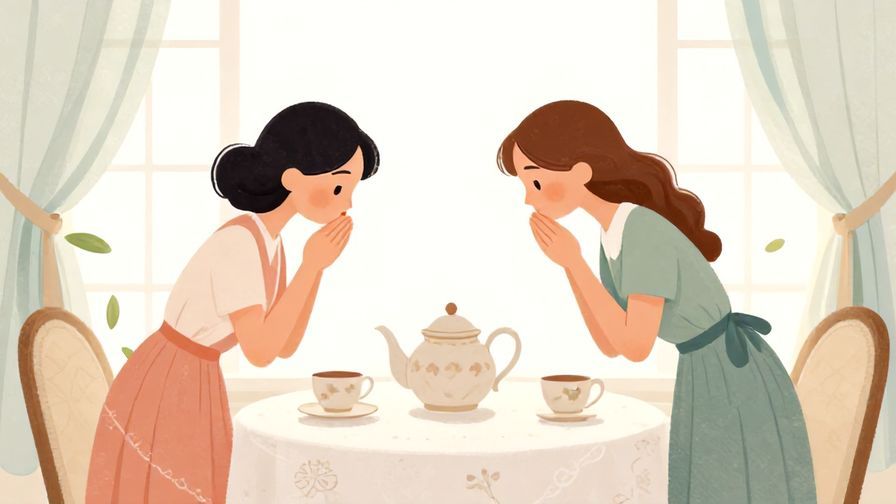
“ごきげんよう (Gokigenyō)” is a very formal and somewhat old-fashioned way to say goodbye.
It means “Be well” or “Farewell” and is often heard in traditional or very polite settings.
It’s not common in casual conversation but great to know for cultural depth.
Use it in formal gatherings or when addressing elders respectfully.
It adds a graceful touch to farewells.
Pronounced with a gentle tone, it leaves a lasting polite impression.
13. お元気で (Ogenki de) – “Take care/Be well.”
“お元気で (Ogenki de)” means “Take care” or “Be well.”
It’s polite and warm, often used when parting for longer periods.
“元気” means “health” or “energy,” and the phrase wishes the other person well-being.
Great for friends, colleagues, or acquaintances when you won’t see them soon.
It’s a kind, caring way to say goodbye.
Try it when you want to sound polite but affectionate.
14. 失礼いたします (Shitsurei itashimasu) – “Excuse me (very polite).”
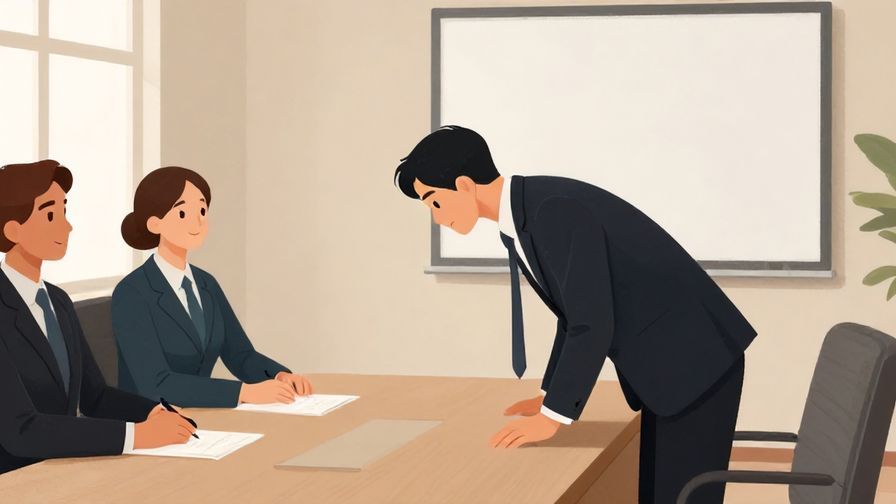
“失礼いたします (Shitsurei itashimasu)” is a more polite version of “失礼します.”
Use it in very formal situations, such as when leaving a superior or a formal event.
The verb “いたします” is the humble form, showing extra respect.
It’s a great phrase to show professionalism and humility.
Perfect for business or formal social farewells.
Pair it with a respectful bow for full effect.
15. またお会いできるのを楽しみにしています (Mata o ai dekiru no o tanoshimi ni shiteimasu) – “I look forward to seeing you again.”

This phrase means “I look forward to seeing you again.”
It’s polite and expresses genuine anticipation for the next meeting.
Great in business or formal settings to leave a positive impression.
It’s a bit longer but very meaningful.
Use it in emails, meetings, or formal farewells.
It shows sincerity and professionalism.
16. それでは失礼いたします (Sore dewa shitsurei itashimasu) – “Well then, I’ll take my leave.”
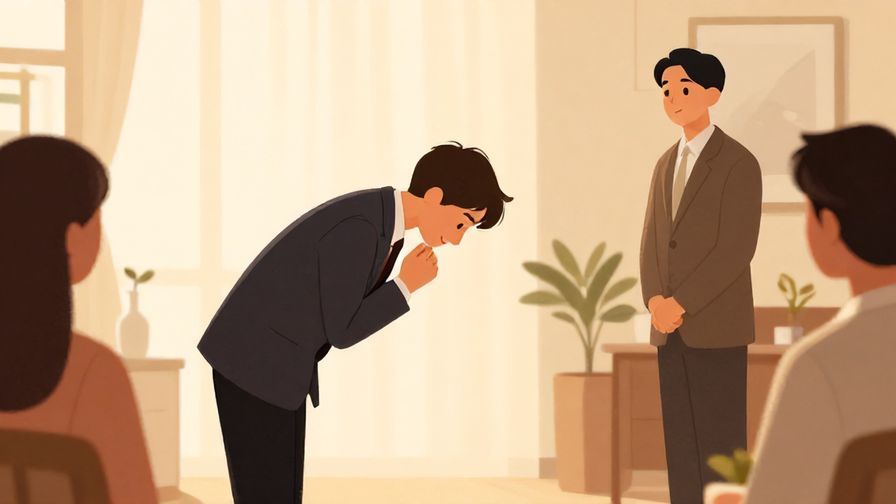
“それでは失礼いたします (Sore dewa shitsurei itashimasu)” is a very polite way to say “Well then, I’ll take my leave.”
“それでは” means “well then,” and the rest is a humble apology for leaving.
It’s perfect for ending formal conversations or meetings.
Use it to sound respectful and courteous.
It’s a phrase that shows you value the time spent together.
Practice it to nail polite farewells at work or formal events.
Part 3: Very Casual / Native-like Expressions
17. またな (Mata na) – “See ya later” (very casual)
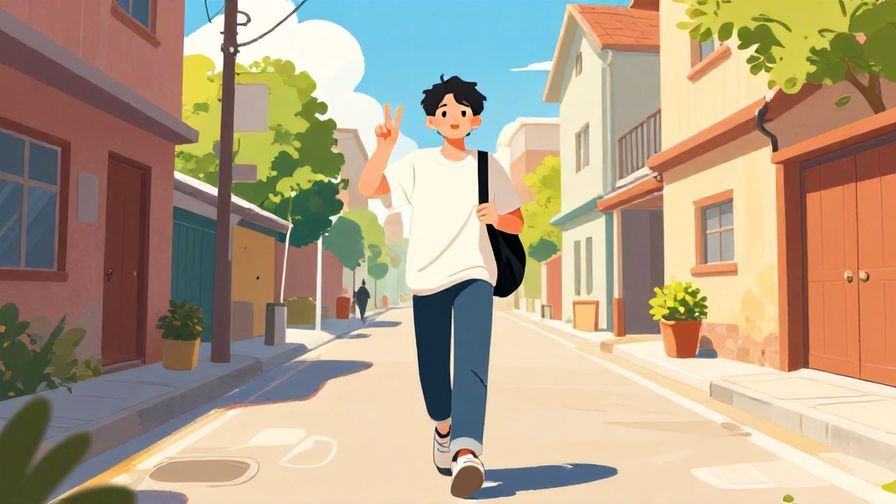
“またな (Mata na)” is a very casual, masculine way to say “See you later.”
It’s common among young men and close friends.
“な” adds a rough, friendly tone.
Use it only with people you’re very comfortable with.
It’s like a laid-back “see ya” in English.
Great to sound like a local in casual settings.
18. バイ (Bai) – “Bye.”
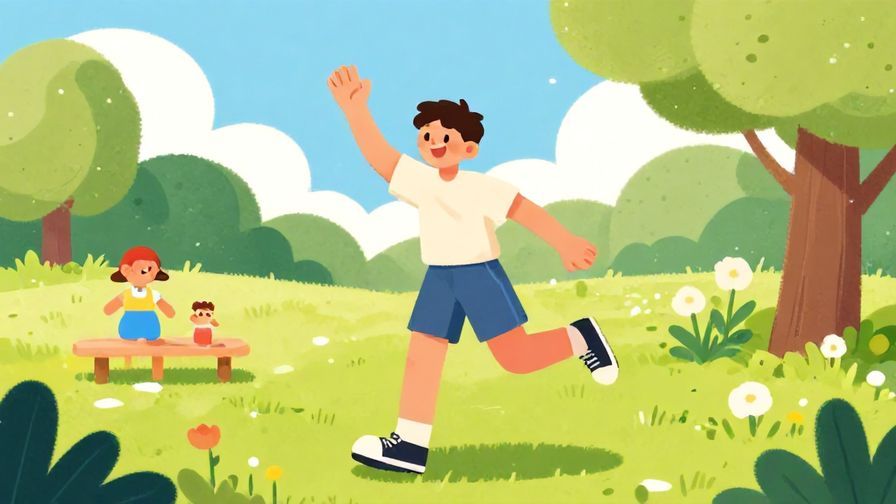
“バイ (Bai)” is the shortest way to say “Bye,” borrowed from English.
It’s very casual and popular among young people.
Perfect for quick goodbyes via voice or text.
Avoid using it in formal or serious situations.
Try this for a quick, friendly send-off.
It’s easy to remember and very native-like.
19. また後で (Mata ato de) – “See you later” (casual)

“また後で (Mata ato de)” means “See you later” in a casual tone.
It’s straightforward and natural among friends.
“後で” means “later,” so it’s a clear promise to meet again soon.
Use it freely in informal conversations.
It’s a phrase that flows naturally and feels warm.
Practice it to sound casual but kind.
20. じゃあ、またね (Jā, mata ne) – “Well then, see you.”
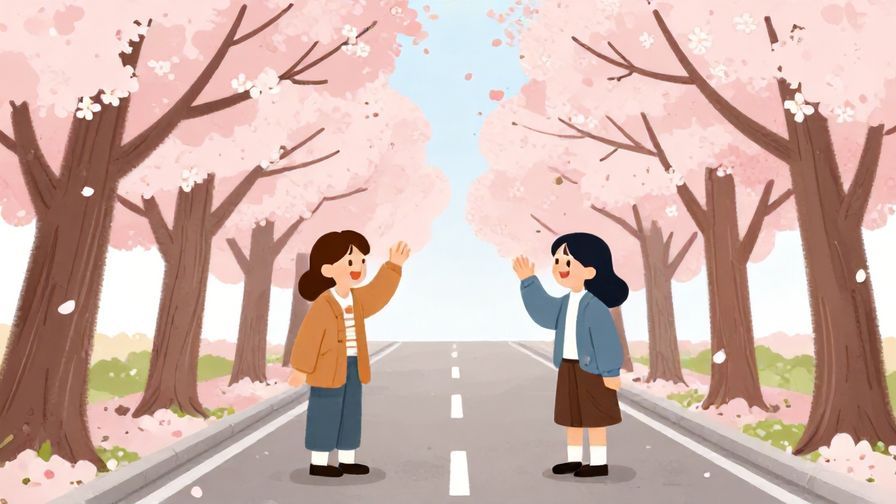
“じゃあ、またね (Jā, mata ne)” combines casual “Well then” and “See you.”
It’s friendly and often used among close friends or family.
Easy to say and remember, it’s very popular.
Sounds warm and inviting for the next meeting.
Great for ending phone calls or casual chats.
Try saying it with a smile to boost friendliness.
21. お先に失礼 (Osaki ni shitsurei) – “Excuse me for leaving first.”
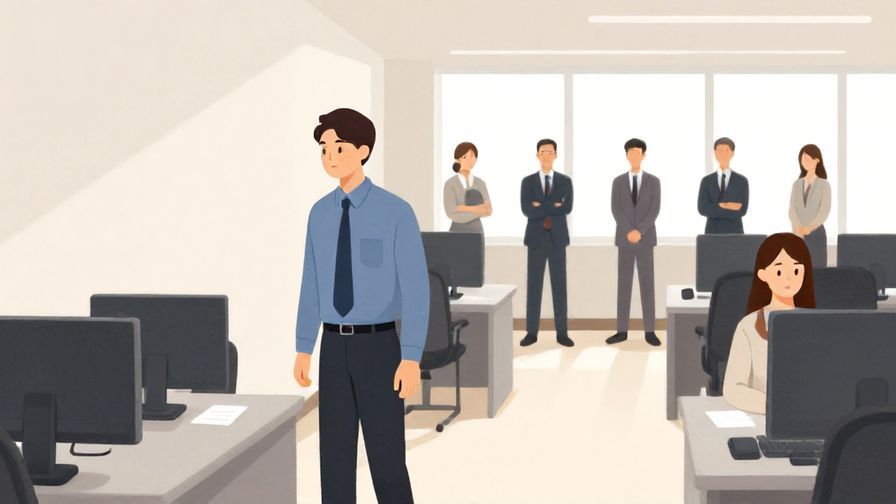
“お先に失礼 (Osaki ni shitsurei)” means “Excuse me for leaving before you.”
Commonly used in workplaces when you leave earlier than others.
It’s polite but casual enough for daily use.
Shows respect to those still working.
Good to know if you work or study in Japan.
Use it to sound thoughtful and considerate.
22. じゃあ、また明日 (Jā, mata ashita) – “Well then, see you tomorrow.”
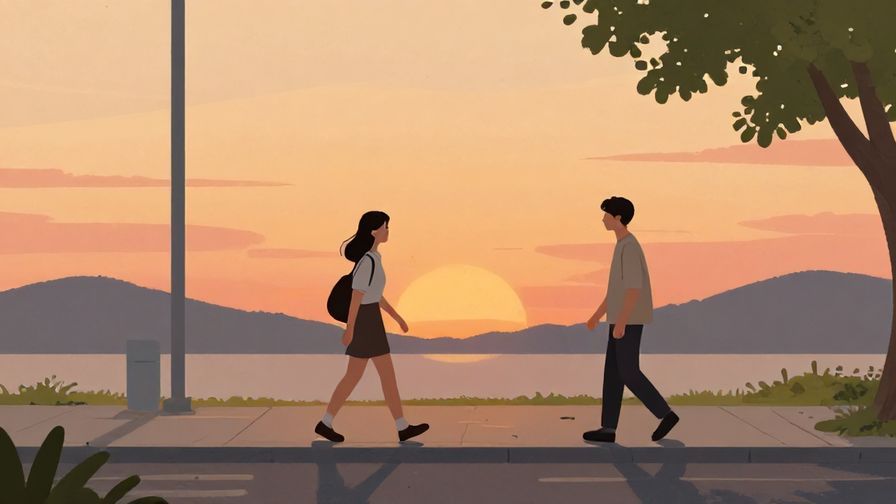
“じゃあ、また明日 (Jā, mata ashita)” is a casual, friendly “See you tomorrow.”
It’s perfect when you know you’ll meet again the next day.
“じゃあ” softens the phrase with “Well then.”
Use it with classmates, coworkers, or friends.
It’s easy to say and sounds natural.
Great for wrapping up the day on a cheerful note.
23. また今度 (Mata kondo) – “See you next time.”
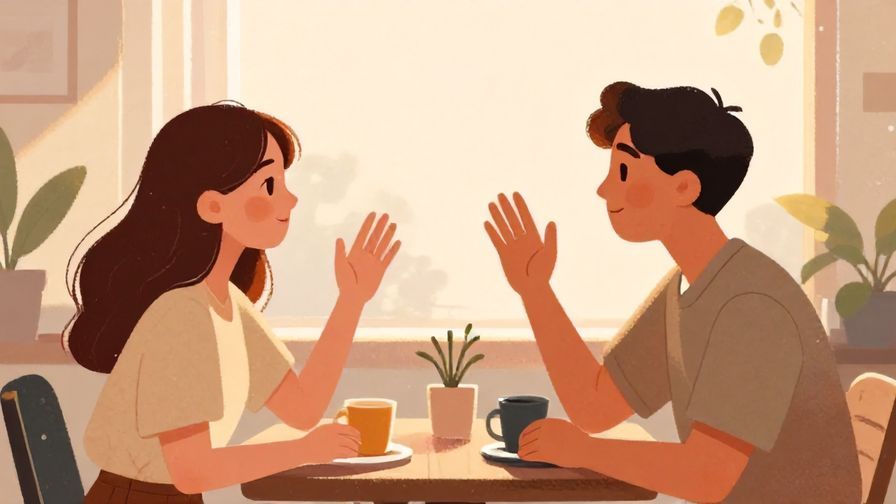
“また今度 (Mata kondo)” means “See you next time.”
“今度” means “next time,” making this phrase friendly yet a bit vague.
Good for casual farewells when you’re unsure exactly when you’ll meet again.
It’s polite enough for acquaintances but casual with friends.
Try this one to sound natural and open-ended.
It implies a hopeful future meeting without pressure.
24. じゃあ、またね!(Jā, mata ne!) – “See ya!” (very casual)

“じゃあ、またね!(Jā, mata ne!)” is one of the warmest and most casual ways to say “See ya!”
It’s perfect for friends, family, and people you’re very comfortable with.
“じゃあ” adds a casual “Well then,” and “またね” means “See you again.”
Use it to sound friendly and approachable.
It’s easy to say and leaves a cheerful vibe behind.
Practice this one to feel like a native speaker in everyday chats.
Concluding Thought
Exploring these 24 ways to say “See you later” in Japanese opens up a world of expression that goes beyond just parting words.
Each phrase carries its own nuance, tone, and cultural flavor, helping you connect meaningfully with the people you meet.
So go ahead, try them out, and let your goodbyes be as warm and varied as your conversations. Until next time — またね!