24 Japanese ways to say “Goodbye”
Saying goodbye is something we do every day, but in Japanese, there’s a whole world of ways to express it.
From casual to formal, and even some fun native expressions, each has its own nuance and feeling.
Whether you’re learning Japanese or just curious, knowing these phrases will make your farewells more meaningful.
Imagine leaving a conversation feeling more connected and confident, simply by picking the perfect goodbye for the moment.
Plus, learning these phrases can give you a little cultural insight and a great conversation starter.
Let’s dive into 24 warm, informal, and relatable ways to say goodbye in Japanese!
Part 1: Casual Suggestions
1. バイバイ (Baibai) – “Bye-bye.”

“Baibai” is the Japanese way of saying “bye-bye” just like in English.
It’s very casual and perfect for friends or younger people. Just say it with a smile and a wave.
It’s easy to remember because it sounds just like the English “bye-bye.”
This phrase works great when parting quickly or when you want to keep things light.
It’s similar to じゃね (Ja ne), which we’ll see later.
Use “baibai” to keep farewells informal and friendly without any fuss.
2. じゃね (Ja ne) – “See ya.”

“Ja ne” is a super common casual goodbye among friends and family.
It literally means “well then” and is like saying “see you” or “see ya” in English.
It’s simple to say and easy to slip into everyday chats.
Just keep your tone light and friendly when saying it.
Be careful not to use it in formal situations because it’s very casual.
For example, after hanging out with a friend, you could say “じゃね!” as you part ways.
3. またね (Mata ne) – “See you again.”

“Mata ne” literally means “again, okay?”
It’s a warm, casual way to say “see you later” or “see you again soon.”
It’s perfect when you expect to meet the person again.
It adds a hopeful, friendly tone to your goodbye.
You can think of it as a promise to reconnect, making it feel more personal.
Try using “mata ne” after a fun day out to leave on a positive note.
4. じゃあね (Jaa ne) – “Well then, see ya.”
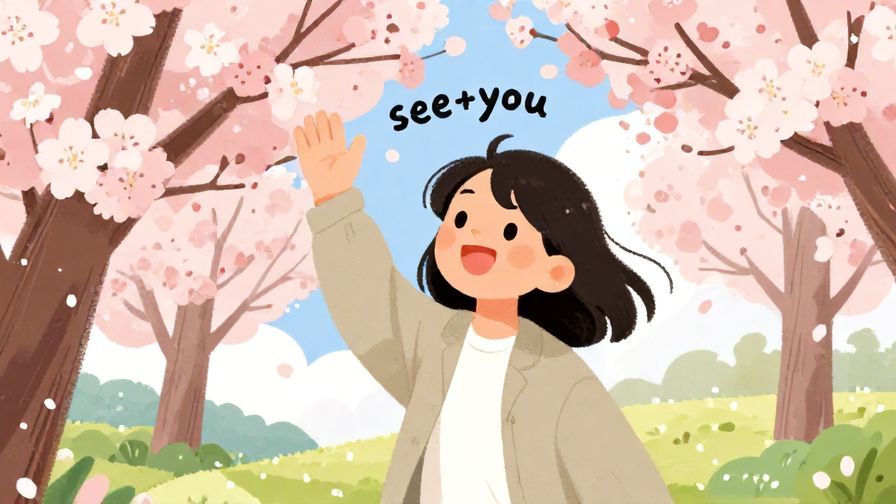
“Jaa ne” is a slightly more upbeat version of “ja ne.”
It means “well then, see you,” and is often used when finishing a casual conversation.
It’s very common among friends and close colleagues.
It’s easy to say and feels natural in everyday Japanese.
Unlike formal goodbyes, “jaa ne” keeps things light and breezy.
Use it when you want to sound friendly and relaxed.
5. また明日 (Mata ashita) – “See you tomorrow.”

“Mata ashita” means “see you tomorrow.”
It’s useful if you know you’ll meet someone the next day, like classmates or coworkers.
It’s polite enough for casual and semi-formal situations.
It shows you look forward to seeing them again soon.
Pair it with a smile to make the goodbye warm and friendly.
Great for daily routines like school or work.
6. またねー (Mata nee) – “See ya!” (with extra friendliness)

“Mata nee” is a playful variation of “mata ne,” adding a bit more warmth and friendliness.
It sounds cute and casual, perfect for close friends or younger people.
It’s easy to remember because it just lengthens the sound a bit.
Use it when you want to sound extra cheerful and informal.
It can sometimes feel more personal and affectionate.
Try it out with friends for a fun, laid-back farewell.
7. じゃあ、またね (Jaa, mata ne) – “Well then, see you again.”

“Jaa, mata ne” combines “jaa ne” and “mata ne” to say “well then, see you again.”
It’s casual but feels a bit more thoughtful because you’re expressing the hope to meet again.
It’s often used among good friends or close coworkers.
It’s simple to say and rolls off the tongue nicely.
It’s a great way to add a friendly tone to your goodbye.
Use it when parting ways after spending quality time together.
8. またあとで (Mata ato de) – “See you later.”

“Mata ato de” means “see you later” and is useful when you expect to see someone again soon but not immediately.
It’s casual but polite enough for friends and coworkers.
This phrase is practical and easy to remember.
It implies the meeting isn’t over, just paused.
Great for short breaks or when you’re heading out but plan to return.
Try it when leaving a casual hangout or workplace.
Part 2: Polite & Formal Suggestions
9. さようなら (Sayounara) – “Goodbye.”
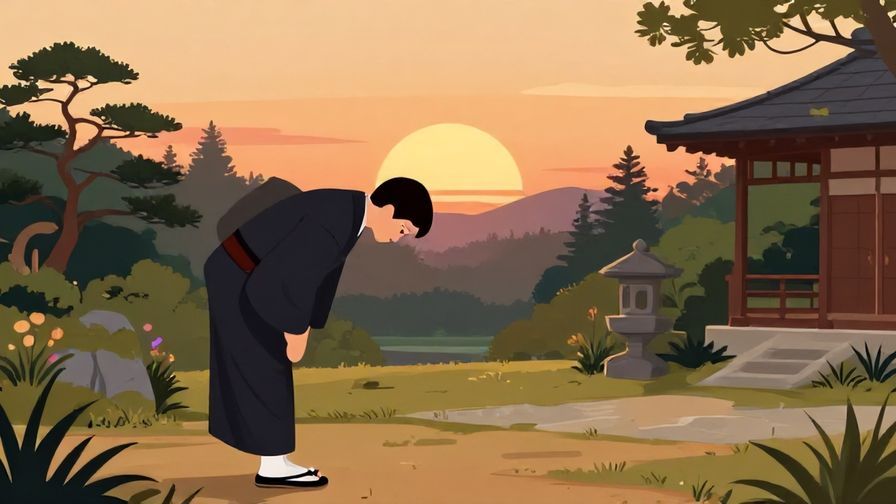
“Sayounara” is the classic formal goodbye in Japanese.
It’s polite and often used when you don’t expect to see the person for a while.
It’s a bit stronger and more final than casual goodbyes.
Use it in formal or serious situations, or when parting for a long time.
It’s easy to learn and a key phrase for respectful farewells.
Pair it with a slight bow to show respect.
10. お疲れ様でした (Otsukaresama deshita) – “Thank you for your hard work.”

“Otsukaresama deshita” is a polite phrase meaning “thank you for your hard work.”
It’s often used when leaving work or finishing an event.
It’s a respectful way to say goodbye and acknowledge effort.
It’s very common in professional or formal environments.
Use it when parting with colleagues or after meetings.
This phrase builds goodwill and shows appreciation.
11. 失礼します (Shitsurei shimasu) – “Excuse me (for leaving).”
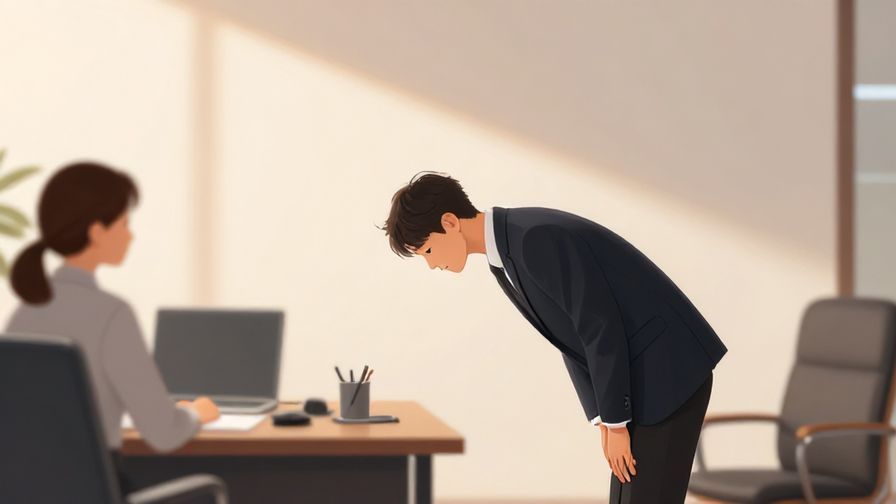
“Shitsurei shimasu” literally means “I am being rude” but is used as “excuse me” when leaving.
It’s polite and often used when exiting a room or ending a conversation.
It shows humility and respect to those staying.
Use it in formal or business contexts.
It’s a useful phrase to practice for smooth farewells.
Pair it with a slight bow for added politeness.
12. またよろしくお願いします (Mata yoroshiku onegaishimasu) – “I look forward to your continued support.”

“Mata yoroshiku onegaishimasu” is a polite way to say “see you again” with an emphasis on future cooperation.
It’s often used in business or formal social settings.
It implies a wish for ongoing good relations.
It’s a respectful phrase to close meetings or encounters.
Though a mouthful, it’s a great phrase to practice for formal Japanese.
Use it to leave a positive, professional impression.
13. ごきげんよう (Gokigenyou) – “Farewell” (very formal)
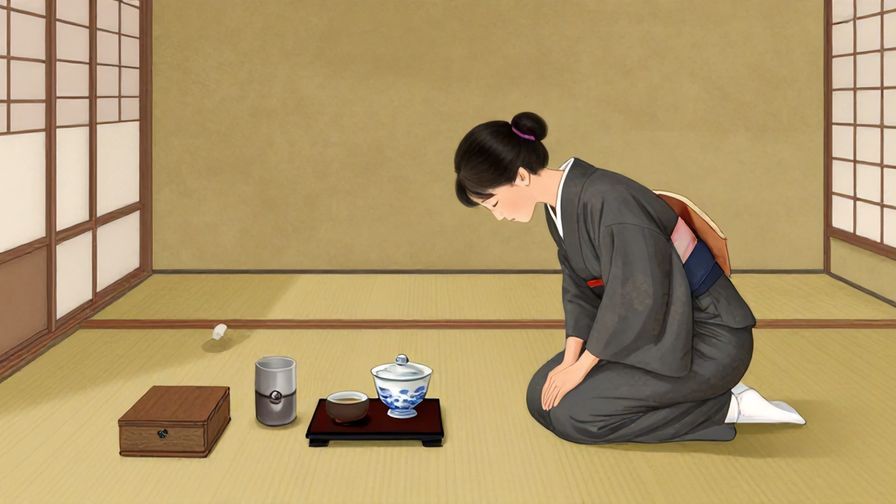
“Gokigenyou” is a very formal and somewhat old-fashioned farewell.
It’s rarely used in daily conversation but appears in formal letters or speeches.
It means “be well” or “farewell” with a respectful tone.
Knowing this phrase adds cultural depth to your Japanese.
It’s perfect for formal occasions, but don’t use it casually.
Use it to impress in traditional or ceremonial settings.
14. お先に失礼します (Osaki ni shitsurei shimasu) – “Excuse me for leaving before you.”

“Osaki ni shitsurei shimasu” is a polite phrase used when leaving work before others.
It means “excuse me for leaving ahead of you.”
It shows respect and consideration for coworkers still working.
It’s very common in Japanese offices and professional settings.
Perfect to use when finishing your day early or leaving a meeting.
Using this phrase helps maintain workplace harmony and politeness.
15. では、失礼いたします (Dewa, shitsurei itashimasu) – “Well then, excuse me.”

“Dewa, shitsurei itashimasu” is a very polite way to say goodbye.
It’s often used in formal business or customer service situations.
The phrase means “well then, excuse me,” signaling the end of interaction.
It’s more humble than “shitsurei shimasu.”
Use it to leave a respectful and professional impression.
Perfect for closing formal phone calls or meetings.
16. 失礼ですが、これで失礼します (Shitsurei desu ga, kore de shitsurei shimasu) – “Excuse me, I will take my leave now.”

This phrase is a very polite way to announce your departure.
It literally means “excuse me, but I will take my leave now.”
It’s useful in formal or business contexts when you want to be especially courteous.
It’s longer to say but shows great respect.
Use it when leaving meetings or formal gatherings.
It helps you sound considerate and professional.
Part 3: Very Casual / Native-like Expressions
17. じゃあ、またね (Jaa, mata ne) – “Well then, see you later.”

“Jaa, mata ne” is a casual and friendly phrase.
It’s a combination of “well then” and “see you again.”
Used mostly among close friends or family.
It’s easy to say and sounds natural to native speakers.
Use it to keep farewells light and warm.
It helps make parting feel like “see you soon.”
18. バイ (Bai) – “Bye.”
“Bai” is a very casual and shortened form of “bye-bye.”
It’s often used by young people or in informal chats.
It’s quick, simple, and feels very relaxed.
Use it when chatting with close friends or texting.
It’s less common in formal speech, so stick to casual settings.
Perfect for fast, friendly goodbyes.
19. また明日ね (Mata ashita ne) – “See you tomorrow, okay?”
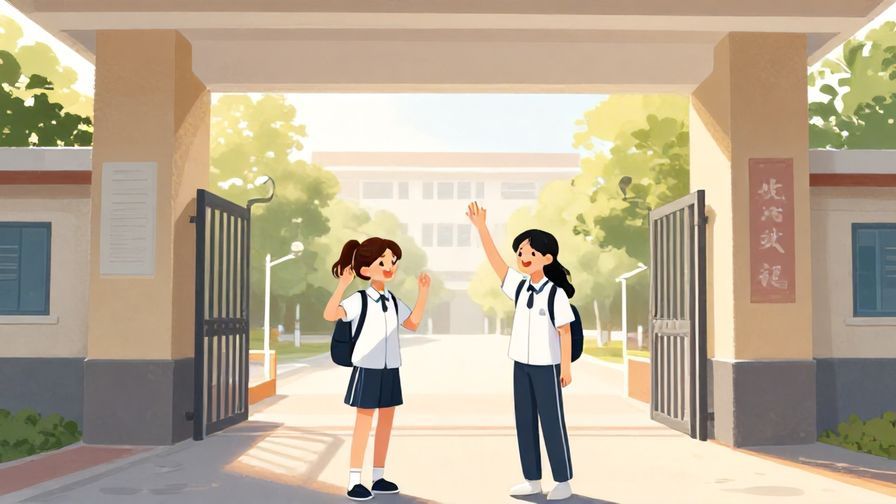
“Mata ashita ne” adds a friendly “ne” to “see you tomorrow.”
It makes the phrase sound more warm and inviting.
It’s great for close friends or classmates.
Easy to say and very natural sounding.
Use it when you want to add a little extra friendliness.
It’s like saying, “See you tomorrow, alright?”
20. じゃあねばいばい (Jaa ne baibai) – “See ya, bye-bye.”

This combo phrase is super casual and playful.
It mixes “jaa ne” (see ya) with “baibai” (bye-bye).
Great for lighthearted farewells with friends.
It’s informal and fun to say.
Try it when you want to double down on casual friendliness.
It’s like saying “See ya, bye!” with extra warmth.
21. お先〜 (Osaki~) – “I’m off (casual).”

“Osaki” is a short, casual form of “osaki ni shitsurei shimasu.”
It means “I’m off ahead” or “I’m leaving now.”
Used mostly among coworkers or close colleagues.
It’s super casual and friendly.
Good for signaling you’re leaving without formality.
Use it to sound natural in workplace or casual settings.
22. またあとでね (Mata ato de ne) – “See you later, okay?”

“Mata ato de ne” adds a friendly “ne” to “see you later.”
It’s casual and warm, perfect for friends.
It makes your goodbye sound like a gentle promise.
Easy to say and very natural sounding.
Use it to keep things light and hopeful.
It’s like saying “Catch you later, alright?”
23. バイバイまたね (Baibai mata ne) – “Bye-bye, see you.”
“Baibai mata ne” combines “bye-bye” with “see you.”
It’s casual and sounds very friendly.
Perfect for saying goodbye to close friends.
It feels warm and inviting.
Try it to make your farewell sound upbeat and positive.
It’s an easy phrase to add to your casual Japanese toolkit.
24. じゃあ、また明日 (Jaa, mata ashita) – “Well then, see you tomorrow.”

“Jaa, mata ashita” is a warm, casual phrase meaning “well then, see you tomorrow.”
It’s perfect for parting after a day spent together.
It implies looking forward to the next meeting.
It’s easy to say and sounds natural to native speakers.
Use it for classmates, coworkers, or friends.
This phrase wraps up your day with a friendly promise to meet again.
Concluding Thought
Exploring these 24 ways to say goodbye in Japanese shows just how rich and varied farewells can be.
From casual waves to formal bows, each phrase helps you connect in just the right way.
So next time you part ways, pick a phrase that fits the moment and say goodbye with confidence and warmth!