22 Japanese ways to say “Good Night”
When the day winds down and it’s time to say goodbye to the sun, there’s something so comforting about wishing someone a warm “Good Night.” In Japanese, there are many ways to express this simple sentiment, each carrying its own nuance and charm.
Whether you’re chatting with friends, family, or someone special, having a handful of these phrases can make your goodnight wishes more meaningful. Plus, mixing things up keeps your Japanese fresh and fun!
From casual to formal, and even some native-like expressions, these 22 ways will help you end the day on just the right note.
Learning these phrases isn’t just about language — it’s about sharing care and warmth across cultures. So let’s explore how to say “Good Night” in Japanese with a friendly, relaxed vibe.
Each phrase comes with a pronunciation guide and a little context to help you remember and use it naturally.
Ready to glow softly into the night with new Japanese words? Let’s dive in!
Casual and Friendly Good Night Phrases
Starting with the warm, everyday ways people say good night, these phrases fit perfectly with friends, family, or anyone you feel comfortable with.
They’re easy to remember and sound natural when you want to keep things light and cozy.
Perfect for casual goodbyes before bedtime.

Using a handy Japanese phrasebook can boost your confidence when trying these out.
Practice saying these aloud before bedtime to get comfortable with the rhythm and tone.
They’ll soon feel like second nature!
Part 1: Casual Suggestions
1. おやすみ (Oyasumi) – “Good night.”

This is the classic and most common casual “Good night” in Japanese. It’s short, sweet, and perfect for friends or family.
Simply say “oyasumi” (oh-yah-soo-mee) when you’re about to part ways for the night. It’s like a gentle wish for peaceful sleep.
It’s informal but universally understood in Japanese daily life.
Think of it as the Japanese equivalent of “nighty night.”
You can extend it by saying “oyasumi nasai” to sound more polite, but “oyasumi” alone is great for close people.
Using this regularly will give you a warm, native feel in everyday conversations.
2. おやすみなさい (Oyasumi nasai) – “Good night” (polite)

This is the polite form of “oyasumi.” The added “nasai” (nah-sah-ee) makes it respectful and suitable for family elders or acquaintances.
Say “oyasumi nasai” (oh-yah-soo-mee nah-sah-ee) to show a little more formality while still expressing warmth.
It’s perfect when you want to sound caring but polite.
Great to use in settings where respect matters, like at work or with teachers.
Remember not to shorten it casually with strangers, as it might sound too informal.
This phrase adds a nice touch of grace to your nightly farewells.
3. じゃあね、おやすみ (Jā ne, oyasumi) – “See you, good night.”

This combines a casual “see you” with “good night.” “Jā ne” (jah neh) means “see you” or “later.”
It’s a friendly and relaxed way to say goodbye before heading to bed.
Perfect for close friends or family members.
It keeps the tone light and affectionate.
You might hear this often in informal gatherings ending for the night.
Using it will make your goodnights feel even more personal and warm.
4. いい夢を (Ii yume o) – “Have sweet dreams.”

This phrase literally means “good dreams.” “Ii” (ee) means “good,” “yume” (yoo-meh) means “dream,” and “o” marks the object.
Say “ii yume o” (ee yoo-meh oh) as a sweet, caring wish before bedtime.
It adds a lovely personal touch beyond just “good night.”
Great for close friends, family, or a romantic partner.
You can pair it with “oyasumi” for an extra warm send-off.
It’s a gentle way to show you care about their rest and happiness.
5. ゆっくり休んでね (Yukkuri yasunde ne) – “Rest well.”

This phrase means “take your time resting.” “Yukkuri” (yoo-kkoo-ree) means “slowly,” “yasunde” (yah-soon-deh) means “rest,” and “ne” softens it like “okay?”
It’s a warm encouragement to relax deeply and recharge.
Say “yukkuri yasunde ne” (yoo-kkoo-ree yah-soon-deh neh) to show you want someone to have a peaceful rest.
It’s casual but caring, perfect for friends or family.
Try this to add a nurturing vibe to your good night wishes.
It’s especially lovely if someone’s had a tough day.
6. お疲れ様、おやすみ (Otsukaresama, oyasumi) – “Good job today, good night.”
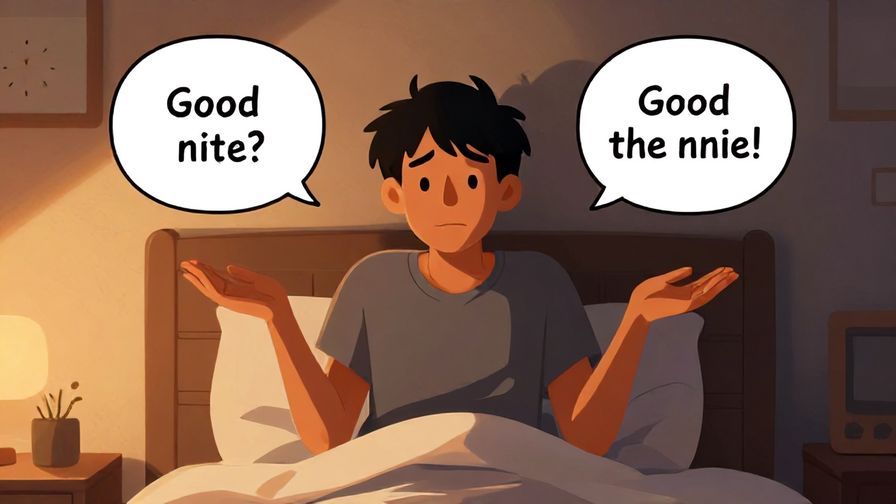
“Otsukaresama” (oh-tsu-kah-reh-sah-mah) is a phrase meaning “thanks for your hard work.”
Adding “oyasumi” makes it a nice way to acknowledge effort and wish good rest.
Say “otsukaresama, oyasumi” after a long day with co-workers or friends.
It’s respectful but still casual enough for everyday use.
It shows you care about their well-being beyond just the night.
Perfect for wrapping up workdays on a positive note.
7. またね、おやすみ (Mata ne, oyasumi) – “See you again, good night.”

“Mata ne” (mah-tah neh) means “see you again” or “until next time.”
Adding “oyasumi” makes it a friendly way to say both goodbye and good night.
Use this with friends or close acquaintances when parting for the evening.
It expresses an intention to meet again soon.
It’s casual, cheerful, and leaves a positive impression.
Great for keeping connections warm before bedtime.
8. ぐっすり眠ってね (Gussuri nemutte ne) – “Sleep soundly.”

“Gussuri” (goos-soo-ree) means “soundly” or “deeply,” “nemutte” (neh-moot-teh) is “sleep.”
Say “gussuri nemutte ne” (goos-soo-ree neh-moot-teh neh) to wish someone a deep, refreshing sleep.
It’s casual and caring, perfect for close people.
Use it when you want to emphasize restful sleep rather than just saying good night.
It’s a phrase that feels gentle and soothing.
Try it to show you really hope they recharge well overnight.
Part 2: Polite & Formal Suggestions
9. お休みなさいませ (Oyasumi nasaimase) – “Good night” (very polite)

This is an extra polite version of “oyasumi nasai,” often used in customer service or formal occasions.
“Nasaimase” (nah-sah-ee-mah-seh) adds respectful emphasis.
Use it in professional settings or when speaking to someone you want to honor highly.
It’s rarely used among close friends due to its formality.
Good to know for hospitality or business Japanese.
Using it right shows cultural respect and sensitivity.
10. ごゆっくりお休みください (Goyukkuri oyasumi kudasai) – “Please rest well.”

“Goyukkuri” (go-yoo-kkoo-ree) is a respectful version of “yukkuri,” and “kudasai” (koo-dah-sah-ee) means “please.”
Say “goyukkuri oyasumi kudasai” (go-yoo-kkoo-ree oh-yah-soo-mee koo-dah-sah-ee) to politely ask someone to rest well.
It’s formal and considerate, perfect for guests or elders.
Use it in letters, emails, or face-to-face in respectful contexts.
This phrase shows thoughtful hospitality.
It’s a lovely expression of care with polished language.
11. 良い夜をお過ごしください (Yoi yoru o osugoshi kudasai) – “Have a good night.”

“Yoi” (yo-ee) means “good,” “yoru” (yo-roo) is “night,” “osugoshi” (oh-soo-goh-shee) is “to spend (time),” and “kudasai” means “please.”
Say “yoi yoru o osugoshi kudasai” (yo-ee yo-roo oh oh-soo-goh-shee koo-dah-sah-ee) to politely wish someone a pleasant night ahead.
It’s formal but friendly enough for acquaintances or coworkers.
Use it in emails or conversations where you want to sound refined.
This phrase is perfect when parting after evening events.
It’s a sophisticated way to say “good night” without being too casual.
12. どうぞ良い夢を (Dōzo yoi yume o) – “Please have sweet dreams.”

“Dōzo” (doh-zo) means “please,” and this phrase politely wishes someone sweet dreams.
It’s a thoughtful and formal way to express good wishes for restful sleep.
Use it with people you want to show respect and warmth to.
It’s a nice alternative to a simple “good night.”
Perfect for letters or more formal bedtime conversations.
It adds a touch of kindness and care to your goodnight wishes.
13. お身体に気をつけてお休みください (Okarada ni ki o tsukete oyasumi kudasai) – “Please take care of yourself and rest well.”

This phrase literally asks someone to “take care of your body and rest.”
It’s longer but deeply caring and polite.
Use it in formal or heartfelt contexts, like when someone is sick or tired.
It shows you’re thinking of their health and comfort.
Say “okarada ni ki o tsukete oyasumi kudasai” (oh-kah-rah-dah nee kee oh tsoo-keh-teh oh-yah-soo-mee koo-dah-sah-ee) to express this.
It’s a beautiful way to combine concern with good night wishes.
14. 今日はゆっくり休んでください (Kyō wa yukkuri yasunde kudasai) – “Please rest well today.”

“Kyō wa” (kyoh wah) means “today,” combined with a polite request to rest well.
Say this when you want to encourage someone to take a break after a busy or stressful day.
It’s polite but warm, a nice way to show you care.
Use it with coworkers, friends, or family in a respectful tone.
This phrase works well in spoken or written form.
It’s a thoughtful good night that highlights rest.
15. お気をつけてお休みください (Oki o tsukete oyasumi kudasai) – “Please rest safely.”
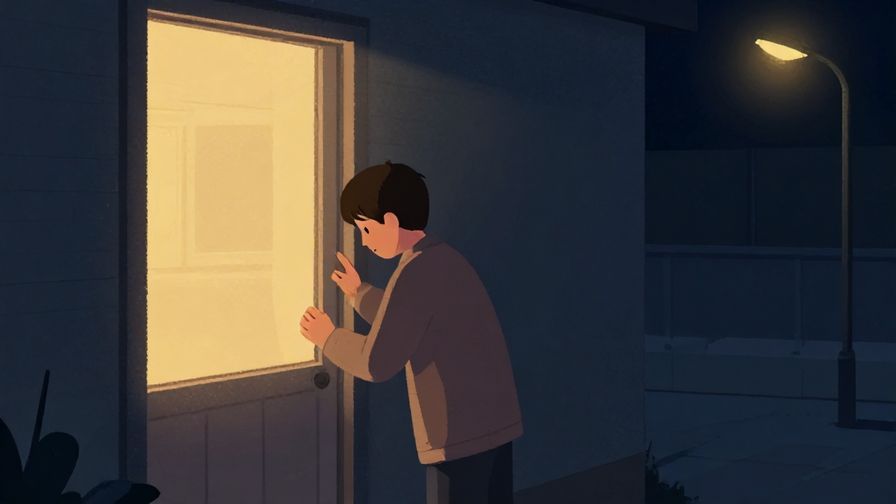
“Oki o tsukete” (oh-kee oh tsoo-keh-teh) means “take care” or “be careful.”
Adding “oyasumi kudasai” makes this a polite and caring good night wish.
It’s great to say when someone is traveling or away from home.
Shows you want them to rest well and stay safe.
Use it in formal or semi-formal situations.
A warm phrase that combines safety and rest wishes.
16. 良い夜をお過ごしくださいませ (Yoi yoru o osugoshi kudasaimase) – “Please have a wonderful night.”

This is a very polite and elegant version of wishing someone a good night.
Adding “kudasaimase” (koo-dah-sah-ee-mah-seh) elevates the respect level.
Use this phrase in formal letters or special occasions.
It sounds gracious and refined.
Perfect for business or cultural events ending at night.
It leaves a lasting impression of courtesy and warmth.
Part 3: Very Casual / Native-like Expressions
17. おやす (Oyas) – “Night!” (very casual)

“Oyas” (oh-yas) is a clipped, super casual version of “oyasumi.”
Used mostly among close friends or younger people.
It’s like saying “night!” with a wink.
Only use it in very informal situations.
It sounds friendly and playful but can be rude if used with strangers.
Great for texting or quick goodbyes at night.
18. ねんね (Nenne) – “Night night.”
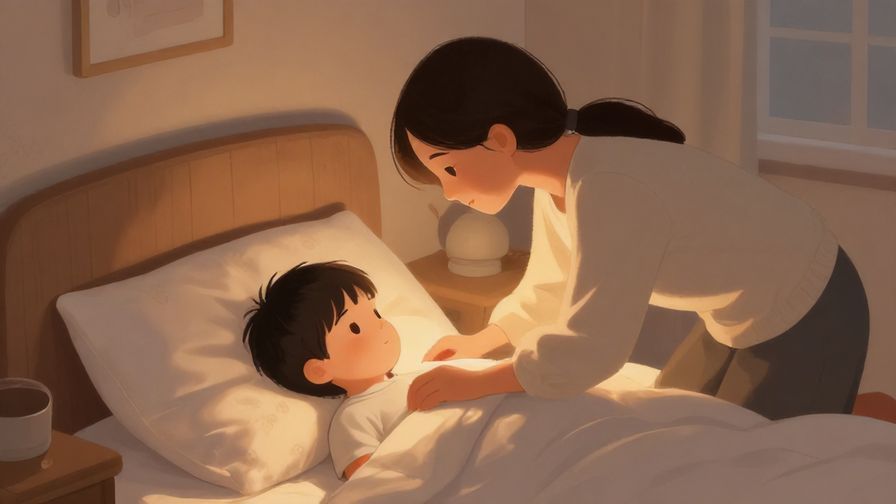
“Nenne” (nen-neh) is a babyish, cute way to say good night, often used with children.
It’s like “night night” in English.
Used by parents or caretakers to soothe little ones.
It’s affectionate and tender.
Not used in adult conversations, but fun to know!
Great for understanding family dialogues in Japanese media.
19. バイバイ、おやす (Baibai, oyas) – “Bye-bye, night!”

Combining the casual “bye-bye” with “oyas” for a playful night farewell.
“Baibai” (bye-bye) is borrowed from English, very common among young people.
Use it with close friends for a lively, informal good night.
It’s upbeat and fun.
Not suitable for formal or polite contexts.
Perfect for lighthearted conversations before sleeping.
20. いい夢見てね (Ii yume mite ne) – “Have nice dreams.”

This is a casual but sweet way to wish pleasant dreams.
“Ii” means “good,” “yume” is “dream,” and “mite” is “to see” or “to have.”
Say it warmly to friends or loved ones.
Adding “ne” softens the phrase like “okay?” or “please.”
It’s affectionate and natural.
Great for showing you care about their sleep quality.
21. じゃあ、おやすみ~ (Jā, oyasumi~) – “Alright, good night~”

“Jā” (jah) means “well then” or “alright.”
Adding a soft trailing “~” sound makes it feel laid-back and friendly.
Use it with close friends or family when ending the day casually.
It’s a gentle, natural way to say good night.
Perfect for informal chats or texts.
It captures the easygoing spirit of nighttime farewells.
22. おやすみっす (Oyasumissu) – “Night!” (very casual, masculine)

This is a very casual, masculine-sounding slang version of “oyasumi.”
“Oyasumissu” (oh-yah-soo-mee-ssoo) is often used by young men among friends.
It’s playful and informal, best reserved for close buddies.
Not appropriate in formal or polite situations.
It adds a bit of cool, laid-back attitude to your good night.
Use with care, but it’s fun to know for casual conversations.
Concluding Thought
Exploring these 22 ways to say “Good Night” in Japanese opens a window into the culture’s warmth and nuance.
From the sweetest dreams to polite wishes for rest, each phrase carries its own special feeling perfect for different relationships and settings.
So go ahead—try them out, mix and match, and let your goodnight wishes shine with genuine care and style. Sweet dreams and おやすみなさい!