22 Japanese ways to say “Good Morning”
Good morning! Or as they say in Japan, “Ohayō!” Whether you’re sipping your coffee or just waking up, greeting someone warmly sets the tone for the day.
Japanese offers a variety of ways to say “Good morning” — from the casual and friendly to the super polite and even playful. Each phrase carries its own nuance, so you can match your greeting to any situation like a pro.
Learning these phrases will not only deepen your appreciation for Japanese culture but also make your conversations more engaging and authentic.
Imagine walking into a room and greeting people with just the right phrase — it’s a simple way to connect and brighten someone’s day.
Plus, mastering these greetings is a great step towards sounding more natural and confident in Japanese.
Ready to start your day the Japanese way? Let’s dive into 22 heartfelt and handy ways to say “Good morning.”
Basics & Everyday Greetings
Starting with the classics always helps build a strong foundation.
Here, you’ll find the most common ways to say “Good morning” that you can use in everyday life, whether with friends, family, or colleagues.
Simple and effective, these phrases will become your go-to greetings in no time.

For a perfect start, a basic phrasebook can help you practice these phrases with ease.
Try repeating them aloud every morning to get comfortable with the flow and pronunciation.
Once you’ve got these down, you’ll be ready to move on to more polite or casual expressions.
Part 1: Casual Suggestions
1. おはよう (Ohayō) – “Good morning.”

This is the classic, casual way to say “Good morning” in Japanese.
Simply say “Ohayō” (oh-ha-yoe), which literally means “early” or “morning.” It’s used with friends, family, or anyone you’re close with.
Because it’s casual, you can use it from early morning until about 10 AM.
It’s friendly and upbeat — perfect for starting the day on a positive note.
You might hear “Ohayō” shortened even more in casual speech among close friends.
Once comfortable, you’ll find this greeting naturally rolls off your tongue when meeting someone in the morning.
2. おはようございます (Ohayō gozaimasu) – “Good morning” (polite)

This is the polite, more formal version of “Ohayō.”
Adding “gozaimasu” (go-zai-ma-su) turns the casual greeting into a respectful one, suitable for bosses, teachers, or strangers.
Use this during work or formal settings to show good manners.
A common mistake is to drop the “gozaimasu” when you should keep it for politeness.
Example: Greeting your boss at 8 AM? “Ohayō gozaimasu” is perfect.
Using this phrase helps you sound polite and thoughtful, especially in professional or formal situations.
3. 朝だね!(Asa da ne!) – “It’s morning, huh!”

A fun, casual way to greet a friend with a bit of enthusiasm.
“Asa da ne!” (ah-sah dah neh) literally means “It’s morning, isn’t it?”
It’s perfect for informal chats or when you want to highlight the fresh start of the day.
Try this with close friends or family to add warmth and energy.
Don’t use it with strangers or in formal settings—it’s pretty relaxed.
This phrase is a great way to bond over the morning together, making your greeting feel natural and lively.
4. おっす! (Ossu!) – Super casual “Hey!”

“Ossu!” (oh-ss) is a very casual, masculine greeting often used among male friends.
It’s like saying “Hey!” or “Yo!” in the morning.
It’s informal and energetic — great for close buddies.
Be careful with tone and who you say it to; it’s not for formal or unfamiliar people.
It’s often heard in sports teams or casual hangouts.
Use it to sound super relaxed and friendly but only with people you know well.
5. おは! (Oha!) – Shortened casual “Morning!”

Just a quick, clipped version of “Ohayō.”
“Oha!” (oh-ha) is popular among young people and friends for quick morning greetings.
It’s casual and friendly, perfect for texting or quick hellos.
Try not to use it with older people or in formal settings.
Great for keeping it light and easy in daily chats.
It shows you’re casual but still polite enough for friends and peers.
6. おはよっす! (Ohayossu!) – Casual + energetic

A fusion of “Ohayō” and “Ossu,” this is casual and a little more lively.
“Ohayossu!” (oh-ha-yo-ss) is often used by younger people to greet friends with energy.
It’s informal and fun, great to brighten the morning vibe.
Not for formal or professional use.
This is a playful way to say good morning if you want to sound upbeat.
Use it when you want to mix casual politeness with a bit of personality.
7. 今日もよろしくね (Kyō mo yoroshiku ne) – “Let’s have a good day today.”

This phrase means “Please take care of me today too,” or “Let’s have a good day.”
It’s often used after “Ohayō gozaimasu” among coworkers or friends.
It’s a great way to add warmth and teamwork spirit to your morning greeting.
It implies a positive connection and cooperation for the day ahead.
Don’t forget the “ne” (ね) at the end—it softens the phrase and makes it friendlier.
Using this shows you’re thoughtful and ready to engage with others positively.
8. 朝だよ! (Asa da yo!) – “It’s morning!” (casual, cheerful)

A cheerful announcement that “It’s morning!”
“Asa da yo!” (ah-sah dah yo) is great for family or friends to start the day with energy.
It’s informal and fun, often used with children or close ones.
It helps set a lively mood for the morning.
Don’t use it in formal meetings or with strangers.
It’s perfect for expressing excitement about a new day in a casual way.
Part 2: Polite & Formal Suggestions
9. おはようございます。 (Ohayō gozaimasu.) – Formal “Good morning.”

This is the most polite way to say “Good morning,” commonly used in business or formal settings.
Pronounced “Ohayō gozaimasu” (oh-ha-yoe go-zai-ma-su), it shows respect and professionalism.
Use this when greeting teachers, clients, or people you don’t know well.
Skipping “gozaimasu” reduces politeness, so be sure to include it here.
It’s often accompanied by a bow in Japan, showing even more respect.
Mastering this greeting is key for anyone wanting to fit into professional Japanese society.
10. 良い朝をお過ごしください (Yoi asa o osugoshi kudasai) – “Please have a good morning.”
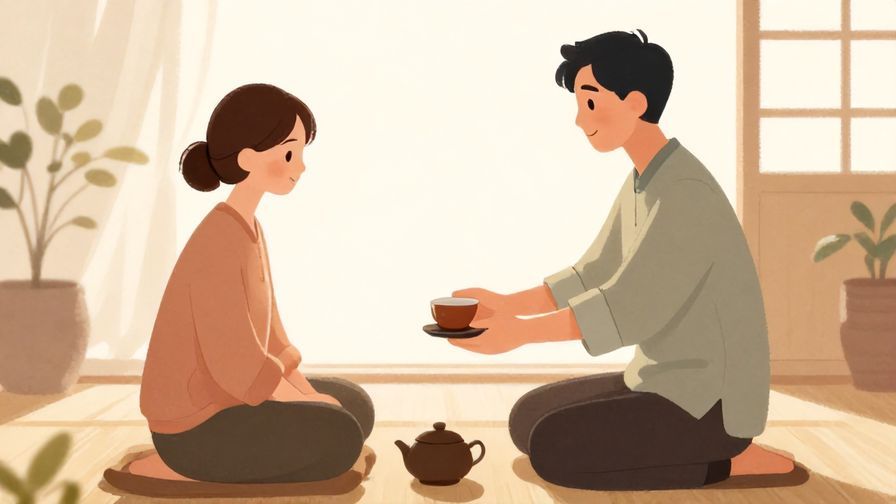
A formal and polite wish for someone to have a good morning.
“Yoi asa o osugoshi kudasai” (yo-ee ah-sah oh oh-su-go-shi koo-da-sai) is less of a greeting and more of a courteous wish.
It’s perfect in writing or when parting ways in the morning.
Don’t confuse it with simple greetings; this one is more formal and rare in daily talk.
Try this in emails or when addressing customers to sound refined and caring.
It adds an elegant touch to your morning communication.
11. おはようございます。お元気ですか? (Ohayō gozaimasu. Ogenki desu ka?) – “Good morning. How are you?”

This phrase combines a polite morning greeting with a friendly inquiry.
“Ogenki desu ka?” (oh-gen-ki de-su ka) means “Are you well?” and is a great way to show you care.
Use it in formal or semi-formal situations to build rapport.
It’s a common conversational opener in Japan.
Remember to listen and respond kindly when asked in return.
This phrase helps you engage more deeply beyond just a simple greeting.
12. お疲れ様です。 (Otsukaresama desu.) – “Thank you for your hard work.”

While technically meaning “Thank you for your hard work,” this phrase is often used as a morning greeting in workplaces.
“Otsukaresama desu” (oh-tsu-ka-re-sa-ma de-su) acknowledges effort and builds camaraderie.
It’s polite and respectful, suitable for coworkers and superiors.
Don’t use it outside work contexts—it’s workplace-specific.
This greeting helps foster a sense of teamwork and mutual respect.
It’s a unique cultural phrase that shows your understanding of Japanese work etiquette.
13. 今日も一日頑張りましょう (Kyō mo ichinichi ganbarimashō) – “Let’s do our best today too.”

This phrase encourages others to give their best throughout the day.
“Ganbarimashō” (gan-ba-ri-ma-sho) means “let’s do our best” and is very motivating.
Say this after morning greetings to boost morale at work or school.
It’s polite but also warm and inclusive.
Using this phrase shows enthusiasm and team spirit.
It’s a great way to connect on a positive level before a busy day.
14. 朝のご挨拶を申し上げます (Asa no go-aisatsu o mōshiagemasu) – “I humbly offer my morning greetings.”
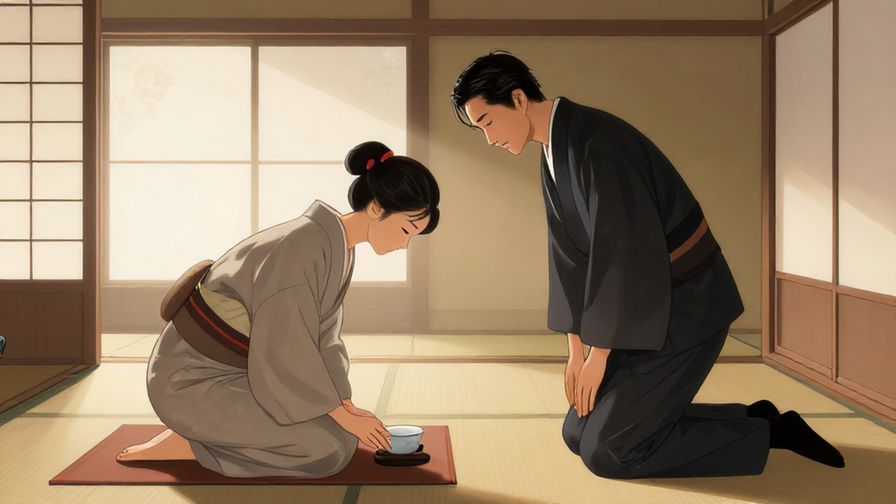
This is an extremely formal and humble way to greet someone in the morning.
It’s used in very formal speeches or letters, not casual conversation.
It literally means “I offer my morning greetings” with great respect.
Use this phrase only if you want to sound very polite and traditional.
It’s great for formal business events or ceremonial occasions.
Knowing this can impress in high-level cultural or professional settings.
15. 御機嫌よう (Gokigen yō) – “Good day” (formal, old-fashioned)
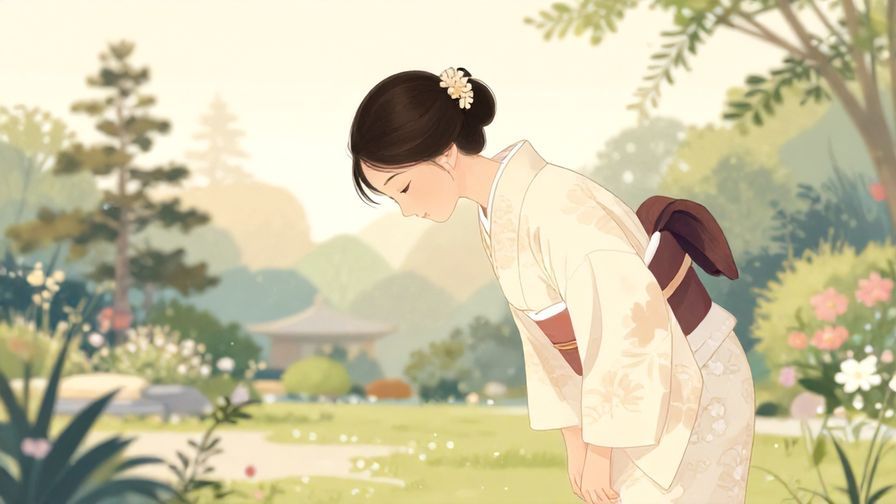
“Gokigen yō” (go-kee-gen yo) is a formal and somewhat old-fashioned greeting meaning “Good day.”
It’s rarely used today but still understood as polite and refined.
Use it if you want to sound very cultured or poetic in your morning greetings.
It’s more common in traditional arts or among older generations.
Be careful not to confuse it with casual greetings.
Perfect for special occasions or when addressing elders with respect.
16. おはようございます。どうぞ良い一日を (Ohayō gozaimasu. Dōzo yoi ichinichi o) – “Good morning. Please have a nice day.”

This combines a polite morning greeting with a pleasant wish for the day.
“Dōzo yoi ichinichi o” (doe-zo yo-ee ee-chee-nee-chee oh) means “Please have a good day.”
It’s a kind, respectful way to send someone off or welcome them.
Use it in customer service or formal social interactions.
It leaves a positive impression and shows kindness.
Perfect for making your morning greetings feel warm and complete.
Part 3: Very Casual / Native-like Expressions
17. おはよー! (Ohayō!) – Very casual and drawn-out “Morning!”

This is a playful, drawn-out version of “Ohayō,” often used in texting or chatting with close friends.
The extended “-yō” sound adds friendliness and excitement.
It’s perfect when you want to sound bubbly and informal.
Don’t use it with people you don’t know well.
Great for casual social media or text greetings.
It shows you’re relaxed and happy to connect.
18. 朝っす!(Asas-su!) – Slang for “Morning!”

“Asas-su!” (ah-sah-ss) is a slangy, compressed way to say “Good morning.”
It’s a mashup of “Asa” (morning) and “ss” from “Ossu.”
This is very casual and mostly heard among young people.
Avoid using it in serious conversations or with strangers.
It shows casual familiarity and a bit of coolness.
Use it to blend in with younger crowds or informal settings.
19. おはー (Oha-) – Very casual, relaxed “Morning!”

Simply a shortened, relaxed version of “Ohayō.”
“Oha-” (oh-ha) is often used in texting or casual speech to sound laid-back.
It’s great for friends and family but too informal for strangers.
It conveys comfort and ease in conversation.
Try it when texting your close friends in the morning.
It’s a friendly, easygoing way to say good morning.
20. おはよっ! (Ohayo’) – Casual with a clipped ending

This is a clipped, casual version of “Ohayō” often used in speech.
The sharp ending makes it sound energetic and friendly.
It’s best for friends and people you’re familiar with.
Not suited for formal or work environments.
Use it to add some pep to your morning greetings.
It’s a natural expression you’ll hear among native speakers.
21. 朝ですよ~ (Asa desu yo~) – “It’s morning, you know!” (friendly reminder)

A lighthearted way to remind someone it’s morning.
“Asa desu yo~” (ah-sah dess yo) is casual and often used teasingly.
The “yo~” softens and adds friendliness.
Perfect for family or close friends to wake each other up.
Not a formal greeting, but it’s warm and affectionate.
It’s a playful phrase that brings smiles to mornings.
22. 朝から元気? (Asa kara genki?) – “Are you energetic this morning?”

This is a casual way to ask if someone is feeling lively in the morning.
“Genki” (gen-ki) means energetic or well, and “Asa kara” means “from morning.”
It’s a fun, friendly way to start a conversation.
Use it among friends or colleagues to show interest in their mood.
It’s informal and helps build rapport quickly.
Great for making your morning greetings more interactive and engaging.
Concluding Thought
Exploring these 22 Japanese ways to say “Good morning” reveals how much warmth and variety this simple greeting can hold.
From casual hellos to formal respects, each phrase opens a door to connection and cultural insight.
So next time you greet someone in Japanese, pick the phrase that best fits your mood and setting — and watch your relationships brighten with every “Ohayō!”