22 Japanese ways to say “Empty your mind”
Clearing your mind is a beautiful skill, and the Japanese language offers many poetic ways to say just that.
Whether you’re meditating, relaxing, or just trying to let go of stress, knowing how to express “empty your mind” in Japanese can be inspiring.
Each phrase carries a slightly different nuance, reflecting the rich culture behind mindfulness and calm.
In this list, you’ll find 22 warm and relatable Japanese expressions to help you tell yourself or others to clear the mental clutter.
Learning these will not only boost your language skills but also deepen your appreciation for peaceful moments.
Ready to explore these soothing phrases? Let’s dive in!
Understanding the Concept of Emptying Your Mind in Japanese
Before jumping to the phrases, it helps to understand the mindset behind “emptying your mind” in Japanese culture.
Many expressions revolve around Zen, meditation, or simply letting go of thoughts to find inner peace.
These ideas are often tied to nature, breath, or the idea of “mu” (無), meaning emptiness or nothingness.
Sometimes, using a great beginner phrasebook can give you a perfect starting point for a cohesive understanding.
Once you get the feel of the cultural background, these phrases become even more meaningful.
It’s a simple but powerful way to connect your language learning with real-life calmness.
Part 1: Casual Suggestions
1. 心を空にする (Kokoro o sora ni suru) – “Make your heart/ mind empty like the sky.”

This phrase uses 心 (kokoro) meaning “heart/mind” and 空 (sora) meaning “sky.”
It’s a lovely metaphor encouraging you to clear your mind as vast and empty as the open sky. A great image to hold onto!
Try picturing the sky when you feel overwhelmed; it helps you mentally “empty” your thoughts.
It’s simple yet poetic, perfect for casual conversations or self-reminders.
You might also hear 空っぽ (karappo), meaning “empty,” used in similar contexts.
Give it a try next time you need a mental reset!
2. 頭を真っ白にする (Atama o masshiro ni suru) – “Make your head pure white.”

頭 (atama) means “head,” and 真っ白 (masshiro) means “pure white.”
It’s a very common and natural way to say “clear your mind” by imagining the head turning blank white, free from clutter.
This phrase is super useful when you want to mentally refresh before a test or stressful event.
Just be careful not to confuse it with “forgetting” something, as it can sometimes imply that too.
In everyday talk, people often say this when they need to stop overthinking.
Perfect for those moments when you want a quick mental restart.
3. 無心になる (Mushin ni naru) – “Become mindless.”
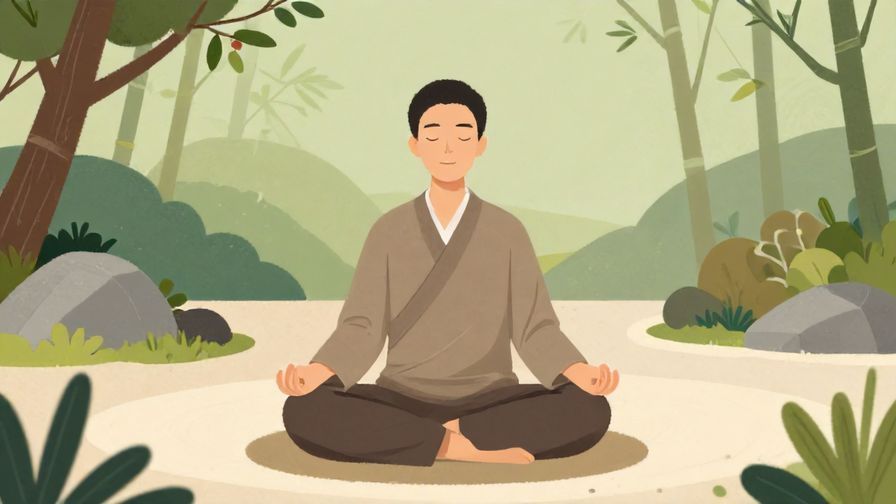
無心 (mushin) literally means “no mind” or “mindlessness.”
This is a term often used in martial arts and Zen to describe a state of pure focus without distracting thoughts.
It’s a deeper, more spiritual way to empty your mind, perfect for meditation or mindful activities.
Achieving mushin means you’re fully present and calm, free from inner chatter.
It’s a beautiful phrase to learn if you’re into mindfulness or Japanese culture.
Try repeating it as a mantra to center your thoughts.
4. 頭を空っぽにする (Atama o karappo ni suru) – “Make your head empty.”

Here 頭 (atama) is “head,” and 空っぽ (karappo) means “empty.”
This straightforward phrase is perfect for everyday use when you want to say “empty your mind.”
Think of it as wiping your mental slate clean.
It’s casual and easy to remember, great for daily practice.
You might hear it in conversations about relaxing or forgetting worries.
Simple, effective, and very relatable.
5. 雑念を払う (Zatsunen o harau) – “Sweep away distracting thoughts.”
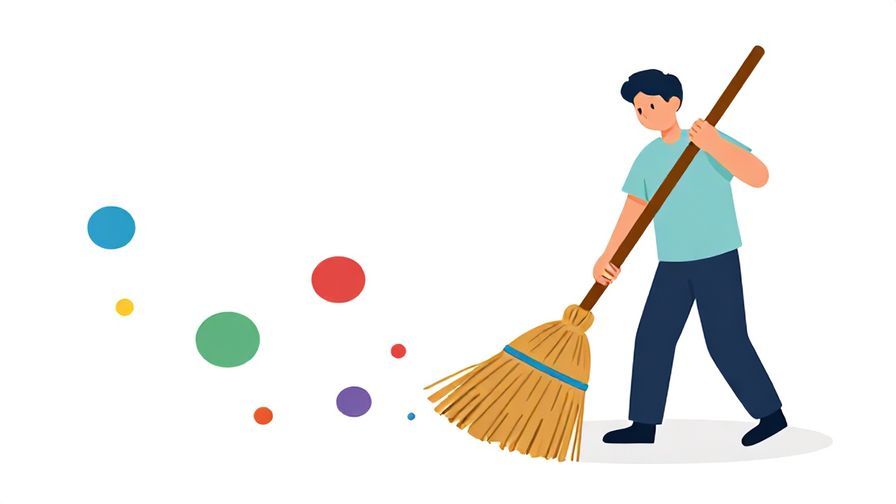
雑念 (zatsunen) means “distracting thoughts,” and 払う (harau) means “to sweep away.”
This phrase is a practical way to say “empty your mind” by focusing on removing cluttering thoughts.
Great for mindfulness or before important tasks.
Imagine literally sweeping away mental noise like dust.
This phrase hints at an active process rather than just passively clearing your mind.
Try it when you feel overwhelmed with too many ideas racing around.
6. 頭をリセットする (Atama o risetto suru) – “Reset your head.”

This phrase borrows the English word “reset” (リセット, risetto) combined with 頭 (atama) “head.”
It’s a modern, casual expression used to mean “clear your mind” or start fresh mentally.
Perfect for tech-savvy learners or younger speakers.
It’s easy to use and remember, just like resetting a device.
You’ll often hear it in casual conversation, especially when someone wants to stop stressing and start over.
Try this one when you need a quick mental reboot!
7. 気持ちを切り替える (Kimochi o kirikaeru) – “Switch your feelings/mind.”

気持ち (kimochi) means “feelings,” and 切り替える (kirikaeru) means “to switch or change.”
This phrase encourages changing your mindset or feelings, which can be a way to “empty your mind.”
It’s useful when moving on from distractions or negative thoughts.
Think of it like flipping a mental switch to a calm state.
This phrase is very natural and often used in everyday Japanese.
Practice it as a reminder to reset your mental state anytime.
8. 何も考えないで (Nani mo kangaenai de) – “Don’t think about anything.”

何も (nani mo) means “nothing,” and 考えないで (kangaenai de) means “don’t think.”
This simple, casual phrase is a direct way to say “empty your mind.”
It’s straightforward and easy to use in conversation or self-talk.
Great for beginners who want a no-frills instruction to relax.
Try saying it quietly to yourself when you need to pause mental chatter.
It’s honest, clear, and totally achievable!
Part 2: Polite & Formal Suggestions
9. 心を無にする (Kokoro o mu ni suru) – “Make your heart/mind nothingness.”

心 (kokoro) means “heart/mind,” and 無 (mu) means “nothing” or “non-existence.”
This phrase is a formal and poetic way to express emptying your mind, often seen in Zen Buddhism.
It’s perfect in respectful conversations or formal writing.
It carries a deep spiritual nuance beyond casual speech.
Pair it with meditation or mindfulness practices for full effect.
Try it for a calm, respectful tone when discussing mental clarity.
10. 頭の中を整理する (Atama no naka o seiri suru) – “Organize your mind.”

頭の中 (atama no naka) means “inside the head,” and 整理する (seiri suru) means “to organize.”
This polite phrase implies tidying up your thoughts, which can help “empty” mental clutter.
It’s useful in professional or polite contexts when discussing mental clarity.
Think of it as mental housekeeping to make space for calm.
Use it when describing thoughtful reflection or planning.
This phrase is practical and respectful—great for work or study.
11. 心静かにする (Kokoro shizuka ni suru) – “Make your heart calm.”

心 (kokoro) means “heart/mind,” 静かにする (shizuka ni suru) means “make calm.”
This phrase is polite and soothing, suggesting a gentle calming of your mind.
It’s often used in meditation or moments of reflection.
Perfect for formal settings or respectful advice.
Try pairing it with deep breathing exercises for full relaxation.
A lovely phrase to encourage peacefulness in yourself or others.
12. 雑念を取り除く (Zatsunen o torinozoku) – “Remove distracting thoughts.”

雑念 (zatsunen) means distracting thoughts, and 取り除く (torinozoku) means “remove.”
This formal phrase is a respectful way to talk about clearing your mind of distractions.
It’s excellent for mindfulness talks or formal writing.
Imagine gently pushing away noisy thoughts for clarity.
It’s a great phrase to use in meditation groups or spiritual discussions.
Practice it as a reminder to focus and stay calm.
13. 心を落ち着かせる (Kokoro o ochitsukaseru) – “Calm your heart/mind.”

心 (kokoro) means “heart/mind,” and 落ち着かせる (ochitsukaseru) means “to calm.”
This polite phrase is common in formal and everyday contexts alike.
It encourages grounding and soothing your mental state.
Great for calming nerves before big events or conversations.
You can use it respectfully when advising someone to relax.
Try it as a gentle mental reset phrase anytime you feel overwhelmed.
14. 気を静める (Ki o shizumeru) – “Calm your spirit/energy.”

気 (ki) means “spirit” or “energy,” and 静める (shizumeru) means “to calm or quiet.”
This phrase is respectful and often used in traditional or formal settings.
It highlights calming your inner energy to achieve peace.
Perfect for describing meditation or stress relief formally.
Use it to suggest gentle breathing or centering techniques.
It’s a serene and sophisticated way to express mental emptiness.
15. 頭を休める (Atama o yasumeru) – “Rest your head.”

頭 (atama) means “head,” and 休める (yasumeru) means “to rest.”
This polite phrase implies giving your mind a break, which helps to empty it naturally.
A gentle reminder to pause and recharge mentally.
Often used in formal advice or self-care contexts.
Try it when suggesting someone take a break from stressful thinking.
A soft, nurturing phrase anyone can appreciate.
16. 心を整える (Kokoro o totonoeru) – “Arrange/prepare your mind.”

心 (kokoro) means “heart/mind,” and 整える (totonoeru) means “to arrange or prepare.”
This formal phrase suggests getting your mind in order, which often means clearing clutter.
Used in professional or respectful conversations about mental readiness.
It’s a neat way to describe calming and focusing your thoughts.
Try it for preparations before important work or study sessions.
It’s a balanced, positive phrase to encourage mental clarity.
Part 3: Very Casual / Native-like Expressions
17. 頭パーにする (Atama pā ni suru) – “Make your head ‘pa’.”

パー (pā) here is slang for “empty” or “blank,” often used casually.
This fun phrase means to totally blank out your mind in a lighthearted way.
It’s very casual and used mostly among close friends.
Great for moments when you want to joke about forgetting everything.
Just be aware it’s informal and not for polite settings.
Perfect to unwind with native speakers or friends.
18. ボーッとする (Bōtto suru) – “Zone out.”

ボーッと (bōtto) means “zoning out” or being absent-minded.
This phrase casually describes emptying your mind by just spacing out.
It’s very common in everyday speech, especially when relaxing.
Perfect for describing moments when you let your thoughts drift aimlessly.
Use it casually with friends or family.
A relatable and easy phrase to master.
19. 何も考えずに (Nani mo kangaezu ni) – “Without thinking anything.”

何も (nani mo) means “nothing,” and 考えずに (kangaezu ni) means “without thinking.”
This is a casual, straightforward way to say “empty your mind.”
It’s great for encouraging someone to stop overthinking.
Use it in friendly conversations or self-talk.
It’s simple and effective for everyday use.
Try it when you want to relax and be present.
20. 空っぽにする (Karappo ni suru) – “Make empty.”

空っぽ (karappo) means “empty,” and にする (ni suru) means “to make.”
This casual phrase is very versatile for saying “empty your mind.”
It’s short and easy to remember.
Great for those moments when you want to clear your head fast.
Common in everyday chat and informal writing.
Use it whenever you need a quick mental fresh start.
21. 頭をカラにする (Atama o kara ni suru) – “Make your head empty.”
頭 (atama) means “head,” and カラ (kara) is a casual way of saying “empty.”
This phrase is native-like and casual, often used in relaxed conversation.
It’s another way to say “empty your mind” with a friendly tone.
Try it with friends or when chatting informally.
It’s easy to say and understand.
Perfect for everyday mental resets.
22. 頭をリフレッシュする (Atama o rifureshu suru) – “Refresh your head.”

リフレッシュ (rifureshu) comes from the English “refresh,” combined with 頭 (atama) “head.”
This casual phrase means to refresh or clear your mind.
It’s modern, easy to use, and very common among young people.
Great for describing mental breaks or relaxing moments.
Try it when you want to feel energized and clear-headed again.
A cheerful, friendly way to say “empty your mind.”
Concluding Thought
Exploring these Japanese phrases to say “empty your mind” shows how rich and varied the concept of mental clarity is in Japanese culture.
Whether you prefer poetic, formal, casual, or playful expressions, there’s a perfect phrase waiting for you.
Keep practicing these, and you’ll find your own peaceful moments grow longer and deeper. Ganbatte!